
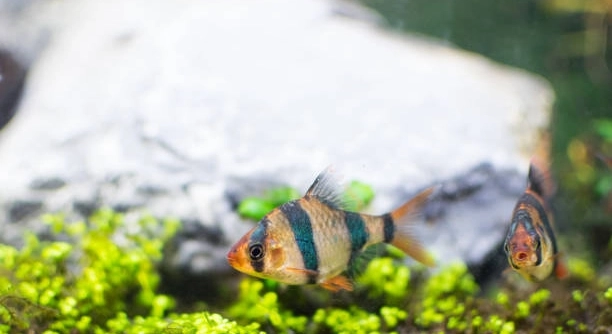
Tiger barbs are lively fish, but sometimes they start swimming in circles. This behavior can be worrying for fish owners who want to keep their pets healthy and happy. Understanding why it happens is important for proper care.
Swimming in circles is often caused by health issues, water quality problems, or stress. Parasites, infections, poor oxygen levels, or injury can affect their balance and behavior. Recognizing these causes is key to helping your tiger barb recover.
Knowing the reasons behind this behavior can help you act quickly and keep your fish comfortable and safe in their environment.
Poor Water Quality
Poor water quality is one of the most common reasons your tiger barb may start swimming in circles. If the water contains too many toxins like ammonia or nitrites, it can affect the fish’s nervous system and balance. High levels of waste or leftover food also cause harmful bacteria to grow, which makes the environment unsafe. Without clean water, your fish can become stressed and sick quickly. Regular water changes and proper filtration are essential to keep the water safe. Testing the water weekly helps catch problems early. If you notice cloudy or smelly water, it’s a sign that cleaning is needed. Keeping the tank clean also helps maintain the right pH and temperature, which are important for your tiger barb’s health.
Monitoring water conditions carefully prevents many health problems. Clean water means a happier fish that swims normally and stays active.
Taking time to maintain good water quality improves your fish’s environment and reduces the chance of health issues. It also makes the tank more enjoyable to watch.
Parasites and Infections
Parasites and infections can cause unusual swimming behaviors like circling. These issues affect the fish’s nervous system or cause irritation, making it hard for them to swim straight. Common parasites include ich and flukes, while bacterial infections can happen from injuries or poor tank conditions. Signs of infection often include spots, redness, or clamped fins. Treating these problems quickly is important to prevent long-term harm.
If your tiger barb swims in circles and shows other signs of illness, consider parasite or infection treatment options. Use aquarium-safe medications and isolate sick fish to stop spreading. Keeping the tank clean helps prevent these problems. Regular observation helps catch infections early. If unsure, consult a vet or experienced aquarist for advice on proper diagnosis and treatment. Preventing infections is easier than curing them, so focus on tank hygiene and careful monitoring to keep your tiger barbs healthy and swimming well.
Injury or Physical Damage
Injuries can cause your tiger barb to swim in circles. Damage to the fins, head, or body affects their ability to move properly.
Physical trauma may happen from fights with other fish, sharp decorations, or rough handling during tank cleaning. An injured fish might lose balance or have difficulty swimming straight. Sometimes, the damage affects the fish’s brain or inner ear, which controls orientation. Monitoring tank mates and providing a safe environment reduces injury risk. If you spot damage, isolate the fish and treat wounds with aquarium salt or medications to prevent infection. Healing takes time, so be patient and keep water conditions ideal.
Keeping the tank peaceful and free of hazards is the best way to avoid injuries that lead to abnormal swimming behaviors.
Poor Oxygen Levels
Low oxygen levels in the water can make your tiger barb swim in circles due to weakness or confusion. Fish need enough oxygen to keep their brain and muscles working correctly.
Oxygen decreases when the tank is overcrowded, water is warm, or the filter isn’t running properly. Without enough oxygen, fish can become stressed and disoriented. Adding an air stone or increasing water movement helps boost oxygen. Regular water changes also improve oxygen levels. Watch for gasping at the surface or sluggish behavior, which signal low oxygen. Fixing this quickly prevents serious harm. Maintaining proper tank size and equipment supports healthy oxygen for all your fish. This ensures they stay active and swim normally, avoiding erratic patterns like circling.
Stress from Tank Mates
Aggressive or overly active tank mates can stress your tiger barb. Stress affects their behavior, sometimes causing them to swim in circles.
Keeping peaceful fish together helps reduce stress. Avoid overcrowding to give each fish enough space to swim calmly.
Swim Bladder Disorder
Swim bladder disorder affects a fish’s ability to control buoyancy and swim properly. It can be caused by infection, injury, or poor diet. Fish with this disorder may circle or float unevenly.
Maintaining a balanced diet and good water quality helps prevent swim bladder problems. Treatment often requires isolating the fish and providing special care until it improves.
Vision Problems
Vision problems in fish can lead to disoriented swimming, including circling. Eye injuries or infections often cause poor eyesight. Watching for clouded or swollen eyes helps spot these issues early.
FAQ
Why is my tiger barb swimming in circles suddenly?
Sudden circling can mean your fish is stressed or sick. It might be due to poor water quality, injury, or an infection affecting its balance. Changes in the tank environment, like new fish or decorations, can also cause stress that shows as swimming in circles. Check the water parameters first and look for signs of illness or injury. Acting quickly helps prevent further problems.
Can poor water quality really make my fish swim oddly?
Yes, water that is dirty or contains high levels of ammonia and nitrites can harm your tiger barb’s nervous system. This can lead to swimming in circles or other unusual behavior. Regular water testing and changes keep the environment safe and reduce stress on your fish.
How do I know if my fish has an infection or parasites?
Look for physical signs such as white spots, red patches, swollen fins, or clamped fins. Your fish may also scratch against objects or swim erratically. Parasites and infections often cause discomfort, which affects swimming. If you see these signs, treat the tank with appropriate medication and isolate the fish if possible.
Can tank mates cause this behavior?
Aggressive or territorial fish can stress your tiger barb, causing it to swim in circles or hide. Stress impacts their overall health and behavior. Choose peaceful companions and provide enough space to reduce conflicts.
Is swim bladder disorder common in tiger barbs?
It can happen, especially if the fish eats too much or the diet lacks variety. Swim bladder disorder affects buoyancy, causing erratic swimming or floating. Feeding high-quality food and avoiding overfeeding helps prevent this issue.
What should I do if my fish is injured?
Isolate the injured fish in a quarantine tank to avoid infection. Use aquarium salt or recommended treatments to promote healing. Keep the water clean and avoid sharp decorations in the main tank.
Can low oxygen levels cause circling?
Yes, fish need enough oxygen to swim properly. Low oxygen can cause weakness and confusion, leading to circling. Improve oxygen by increasing water flow, adding air stones, or doing more frequent water changes.
How long does it take for a tiger barb to recover from these issues?
Recovery time varies depending on the problem and treatment. Mild stress or minor injuries may improve in days, while infections or swim bladder issues might take weeks. Consistent care and a clean tank speed up healing.
Is it possible that my fish is just exploring or playing?
While tiger barbs are active and curious, persistent circling usually signals a problem. Normal play won’t last long or be repetitive. If the behavior continues, check health and tank conditions.
When should I contact a vet or expert?
If your fish’s condition worsens despite treatment or if you’re unsure about symptoms, consulting an expert is best. They can diagnose illnesses more accurately and recommend proper care to save your fish.
Final Thoughts
Watching your tiger barb swim in circles can be concerning, but understanding the reasons behind this behavior helps you act with confidence. Many causes, like poor water quality, stress, infections, or injuries, affect how your fish moves. By regularly checking the tank’s water and paying attention to your fish’s behavior, you can catch problems early and provide the right care. Keeping a clean and safe environment is one of the best ways to support your tiger barb’s health and reduce unusual swimming patterns.
It’s important to remember that tiger barbs are active fish that enjoy swimming and exploring their tank. Sometimes, minor changes in their surroundings or diet can cause temporary odd behaviors. However, if the circling continues or comes with other signs like loss of appetite, changes in color, or damaged fins, it usually means there is a health issue. Acting quickly and isolating any sick fish helps prevent the problem from spreading and gives your fish a better chance of recovery. Treating infections, adjusting tank conditions, and providing a balanced diet are all steps that improve their well-being.
Taking care of tiger barbs requires patience and attention. These fish depend on a stable and clean environment to thrive. Learning about their needs and regularly observing their behavior can prevent many common problems. If you ever feel unsure about what to do, seeking advice from an experienced aquarist or vet can make a big difference. Your efforts to maintain good water quality, avoid overcrowding, and reduce stress will help your tiger barbs swim happily and healthily for a long time.

Hello,
If you enjoy the content that we create, please consider saying a "Thank You!" by leaving a tip.
Every little bit helps us continue crafting quality advice that supports the health, happiness, and well-being of pets around the world, for pets of all shapes, sizes, and species.
We really appreciate the kindness and support that you show us!