
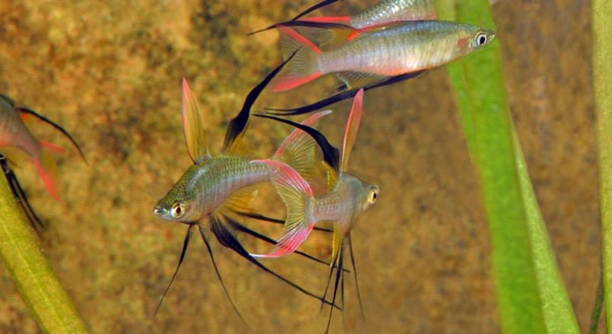
Threadfin rainbowfish are small, colorful freshwater fish that live in groups. Watching them interact can be calming, but they often establish a social order that affects their behavior. Understanding this hierarchy can make caring for them easier.
Threadfin rainbowfish form hierarchies through displays of dominance, chasing, and positioning within the tank. Higher-ranking fish often assert control over food and space, while lower-ranking individuals yield. Observing these behaviors allows owners to identify the social structure effectively.
Noticing these subtle interactions can help maintain a peaceful aquarium environment and improve the overall well-being of your fish community.
Recognizing Dominance Displays
Threadfin rainbowfish often show their place in the tank through clear behaviors. Dominant fish may swim at the top or front of the tank, chasing others gently but consistently. Submissive fish usually avoid the dominant ones, staying near the bottom or in corners. These displays help maintain order and reduce constant fighting, allowing the group to coexist more peacefully. Color intensity can also signal rank, with brighter individuals often asserting higher status. Watching feeding times is particularly revealing. The first fish to grab food or claim a prime spot is likely higher in the hierarchy. Other behaviors, like fin flaring or sudden darting, also communicate dominance without causing serious harm. Over time, these patterns stabilize, and each fish learns its role. This structure benefits all members, preventing constant stress and maintaining a balanced social environment that supports health and activity. Patience and observation are key to noticing these subtle signs.
Dominant behaviors are often subtle, but consistent observation will reveal which fish are leading and which are yielding.
Paying attention to these small details makes caring for threadfin rainbowfish much easier. Knowing the hierarchy helps prevent accidents and ensures each fish gets enough food and space, creating a calm and stable aquarium where everyone thrives.
Observing Feeding Patterns
Feeding time shows the social structure more clearly than any other interaction.
When you feed threadfin rainbowfish, dominant fish usually take the first bites, moving quickly to secure the best spots. Submissive fish wait patiently or eat only after the stronger fish finish. Watching how fish approach the food can reveal their rank without any chasing. Some may hover near the dominant fish, hoping for leftovers, while others retreat entirely. These patterns are predictable once observed over several feedings. By understanding who controls the food, you can adjust placement and timing to reduce stress. Providing multiple feeding spots can also help lower-ranking fish get adequate nutrition without confrontation. This knowledge helps you manage your aquarium more effectively, keeping all fish healthy and active. Regularly observing these patterns not only shows hierarchy but also highlights any changes in behavior that may indicate illness or stress, allowing timely intervention before problems escalate. Recognizing these dynamics ensures your aquarium stays balanced and lively.
Identifying Submissive Behavior
Submissive threadfin rainbowfish often stay near the bottom of the tank or hide behind plants. They avoid direct confrontation and quickly move away if a dominant fish approaches, signaling their lower rank in the hierarchy.
These fish are cautious around more aggressive tank mates. They rarely compete for food immediately and often wait for others to finish first. When swimming, they keep a low profile, staying at the edges or corners of the tank. Submissive fish may also display muted colors compared to dominant individuals, which helps reduce attention and conflict. These behaviors are natural and help maintain peace in the group, allowing all fish to coexist. Observing which fish consistently yield or move aside gives a clear picture of the social order and prevents misinterpretation of occasional skirmishes as major fights.
Submissive fish benefit from multiple hiding spots. Plants, rocks, or decorations provide safe spaces that lower stress and prevent bullying, ensuring healthier interactions and balanced tank dynamics.
Monitoring Social Changes
Hierarchy in threadfin rainbowfish is not always fixed and can change over time.
Shifts occur when a new fish is introduced or when a dominant fish weakens. Submissive fish may gradually gain confidence and challenge others for better feeding positions or swimming areas. Monitoring daily interactions helps track these changes, ensuring no one fish is stressed or excluded. Noticing changes in color intensity, chasing behavior, or territory occupation indicates evolving social roles. Being aware of these shifts allows you to adjust tank conditions, such as adding more hiding spots or spreading food sources, to maintain harmony. Tracking behavior over several weeks gives the clearest understanding of the social structure.
Even minor changes in behavior are important. A previously submissive fish swimming higher or exploring more often signals a shift in confidence, which may impact feeding dynamics and overall tank balance. Adjustments to environment and observation of interactions help maintain a stable and healthy aquarium community.
Recognizing Territorial Behavior
Dominant threadfin rainbowfish often claim specific areas of the tank as their territory. They patrol these spots and gently chase away others who come too close. This behavior helps maintain order and reduces constant disputes.
Territorial claims are usually near food sources or preferred hiding spots. Fish may flare fins or swim rapidly to mark boundaries. Watching these interactions helps identify which fish hold dominant positions and which accept lower status.
Adjusting Tank Setup
Adding plants, rocks, or decorations can reduce conflict by giving fish multiple spaces to retreat. Submissive fish feel safer with hiding spots, and dominant fish can patrol their preferred areas without constant interference. This creates a calmer, more balanced tank environment.
Noting Physical Cues
Color intensity and fin display often indicate rank. Brighter colors and extended fins usually signal dominance, while muted colors suggest submission.
FAQ
How can I tell which threadfin rainbowfish is dominant?
Dominant fish usually swim at the front or top of the tank. They often approach food first and chase others lightly. Bright colors, extended fins, and confident swimming are common signs. Watching their behavior over several days makes it easier to identify the leaders in the group.
What are signs of a submissive fish?
Submissive fish stay near the bottom or edges of the tank. They avoid confrontation, move aside quickly when approached, and may display muted colors. These fish often wait for dominant fish to eat before approaching food. Submissive behavior helps maintain peace in the aquarium.
Do threadfin rainbowfish fight often?
Fights are usually mild and brief. Chasing, fin flaring, and darting are common, but serious injury is rare. These behaviors establish social order rather than cause harm. Observing interactions over time helps distinguish normal hierarchy behaviors from stressful aggression.
Will adding more hiding spots help?
Yes. Plants, rocks, and decorations give submissive fish safe spaces and reduce stress. Dominant fish can patrol their areas without constantly bothering others. Multiple hiding spots help maintain a calm, balanced environment and prevent bullying or overcrowding issues.
Does color indicate rank?
Often, yes. Brighter, more vivid colors usually appear in dominant fish, while muted or pale colors suggest lower-ranking individuals. Changes in color can signal shifts in hierarchy, health issues, or stress levels, so monitoring these cues is helpful.
How do feeding times reveal hierarchy?
Dominant fish usually grab food first and control the best feeding spots. Submissive fish wait or eat leftovers. Watching who approaches food first and how others react provides a clear view of the social structure without stress or interference.
Can hierarchy change over time?
Absolutely. Introducing new fish, illness, or aging can shift ranks. Submissive fish may gain confidence and challenge others. Observing daily behaviors helps track these changes, allowing adjustments to tank setup or feeding strategies to maintain harmony.
How many fish should be kept together?
Keeping at least six or more threadfin rainbowfish allows the hierarchy to form naturally without over-stressing individuals. Smaller groups may cause constant conflict or stress, while larger groups provide more balanced interactions and reduce pressure on any single fish.
Should I intervene in fights?
Intervention is rarely needed unless a fish shows injury or extreme stress. Most chasing and displays are normal hierarchy behavior. Ensure enough space, hiding spots, and food for all fish to reduce tension naturally.
How do I encourage a peaceful environment?
Provide a spacious tank, multiple feeding areas, and plenty of hiding spots. Monitor interactions, observe changes in color or behavior, and maintain consistent care. A calm environment reduces stress, supports healthy social dynamics, and helps all fish thrive.
What changes indicate stress or illness?
Submissive fish suddenly hiding constantly, refusing food, or losing color may indicate stress or illness. Dominant fish losing brightness, energy, or fin condition could also signal problems. Early observation allows timely intervention to keep the tank balanced and healthy.
Can male and female fish show different hierarchy behaviors?
Yes. Males often display brighter colors and assert dominance more visibly. Females usually show more subtle behaviors and may focus on avoiding conflict. Understanding these differences helps interpret interactions correctly and maintain balance.
Is hierarchy important for fish health?
Hierarchy reduces constant conflict, ensuring each fish can access food and space. A clear social structure prevents stress-related illness, encourages natural behaviors, and helps maintain overall tank harmony. Observing and supporting the hierarchy contributes directly to healthy, active fish.
How long does it take to establish a hierarchy?
Typically, a few days to a few weeks, depending on the number of fish and tank conditions. During this time, chasing, color changes, and position shifts are normal. Patience and careful observation are key to understanding the established order.
Can dominant fish bully others excessively?
Occasionally, a dominant fish may chase others more frequently. Providing enough space, multiple feeding spots, and hiding areas usually prevents prolonged stress. Monitoring interactions ensures no fish is consistently excluded or injured, keeping the social system balanced.
Do older fish maintain dominance longer?
Often, yes. Experienced fish tend to assert control based on confidence and strength. However, health decline or new fish introductions can shift the balance, so ongoing observation is necessary to maintain harmony in the tank.
How can I help new fish integrate?
Add new fish gradually and provide plenty of hiding spots. Observing interactions allows you to intervene if a new fish is overly stressed. Maintaining multiple feeding areas and space reduces tension and helps the group adjust naturally to changes.
Can hierarchy affect breeding behavior?
Yes. Dominant fish often claim the best areas for spawning and may influence which fish get access to mates. Understanding hierarchy helps ensure breeding occurs safely and reduces stress for less dominant fish.
Are these behaviors different in small vs. large tanks?
Yes. Smaller tanks increase competition for space and food, making hierarchy more intense. Larger tanks allow fish to maintain territories with less conflict. Proper tank size and decoration help support a balanced social structure and reduce stress in both cases.
What is the best way to observe hierarchy?
Watch daily interactions, feeding behavior, swimming positions, and color intensity. Take note of who chases, who yields, and which areas fish occupy. Consistent observation provides a clear understanding of the social order and helps maintain a calm, healthy aquarium.
Can hierarchy reduce aggressive behavior over time?
Yes. Once the social order stabilizes, chasing and displays become predictable. Fish know their roles, reducing stress and frequent conflict. Supporting this balance with proper tank setup and feeding strategies ensures a peaceful environment where all fish can thrive.
How often should I monitor behavior?
Daily observation is ideal. Short, regular checks reveal subtle shifts in hierarchy, health, or stress. Early detection allows timely adjustments to feeding, tank layout, or care practices, maintaining a harmonious and healthy aquarium environment.
Is hierarchy formation unique to threadfin rainbowfish?
No, many schooling fish form social hierarchies, but threadfin rainbowfish display behaviors that are subtle and consistent, making observation rewarding. Understanding their hierarchy supports healthier interactions and improves overall tank management.
How can I reduce stress during hierarchy changes?
Provide hiding spots, spread food across the tank, and avoid sudden changes. Monitoring interactions ensures no fish is repeatedly harassed. Patience and careful observation help the group settle into a new social order with minimal stress.
Can I influence hierarchy artificially?
Only indirectly. Tank size, feeding distribution, and hiding spots can reduce conflict and support natural roles. Intervening directly is usually unnecessary and may disrupt the social structure. Supporting natural behavior is the most effective approach.
What should I do if a fish is constantly chased?
Ensure there are multiple hiding spots and feeding areas. Observe interactions to confirm the fish is not injured. Adjusting tank setup or temporarily separating a severely stressed fish may be necessary until the hierarchy stabilizes.
How long should I observe before concluding hierarchy?
A week or two of consistent observation typically reveals patterns. Watch feeding, swimming positions, color intensity, and chasing behavior. Patience ensures an accurate understanding of rank and prevents misinterpreting temporary skirmishes as established dominance.
Can environmental factors affect hierarchy?
Yes. Lighting, water temperature, tank size, and decorations all influence interactions. A well-structured, comfortable environment reduces stress, supports natural social roles, and allows fish to maintain stable hierarchies with minimal conflict.
Are there signs that a hierarchy is stable?
Yes. Fish settle into predictable roles, chasing is brief, feeding is orderly, and color patterns remain consistent. Submissive fish stop excessive hiding, and dominant fish patrol without constant aggression. Stability indicates a balanced and healthy aquarium environment.
What happens if the hierarchy is disrupted?
Disruptions, such as new fish or illness, can increase chasing and stress temporarily. Providing space, hiding spots, and monitoring interactions helps the group reestablish order. Stability usually returns within days to weeks with careful management.
Can a fish regain dominance after losing it?
Yes. Health improvement, age, or shifts in confidence can allow a previously submissive fish to assert itself. Observing changes ensures the aquarium environment accommodates these transitions without excessive stress or conflict.
Does hierarchy influence feeding speed?
Dominant fish often eat faster and secure the best positions. Submissive fish wait or eat smaller portions. Understanding these patterns allows you to distribute food evenly and ensure all fish receive adequate nutrition.
How do I prevent long-term stress in lower-ranking fish?
Provide hiding spots, multiple feeding areas, and sufficient space. Monitor interactions and adjust if any fish is repeatedly harassed. Supporting natural behaviors while minimizing conflict helps maintain health and a balanced social environment.
Is hierarchy always visible?
Not immediately. Subtle signs like position, color, and feeding order reveal rank. Observing daily interactions over time allows you to understand the social order and ensure a peaceful aquarium.
Do changes in tank population affect hierarchy?
Yes. Adding or removing fish can shift ranks. Monitoring interactions after population changes helps manage stress and maintain a balanced social structure. Adjusting tank setup or feeding strategies may be necessary during transitions.
Can hierarchy help prevent aggression between fish?
Yes. Once established, hierarchy reduces constant fighting by clarifying roles. Fish know their place, and interactions become predictable, lowering stress and maintaining harmony within the group.
Are some fish naturally more dominant?
Yes. Genetics, size, and health often influence dominance. Larger or more confident fish tend to assert control. Recognizing these traits helps interpret behavior and manage the tank environment effectively.
Should I separate fish if dominance causes stress?
Only if a fish shows severe stress, refuses food, or is injured. Temporary separation may allow the group to stabilize. Providing hiding spots and space often resolves minor issues without permanent removal.
Can hierarchy affect growth rates?
Indirectly. Dominant fish access food first, while submissive fish may eat less if competition is high. Ensuring multiple feeding areas helps all fish grow healthily without disruption from social order.
Does hierarchy influence schooling behavior?
Yes. Fish often swim in loose formations reflecting rank. Dominant fish lead or occupy central positions, while submissive fish follow or stay at the edges. Recognizing these patterns helps understand tank dynamics.
Can stress from hierarchy lead to illness?
Yes. Constant harassment or restricted access to food and space can weaken the immune system. Providing hiding spots, spreading food, and monitoring interactions reduces stress and supports overall health.
How can I tell if a fish is adjusting well?
A fish that explores the tank, feeds regularly, and displays normal color and energy levels is adapting well. Monitoring behavior during hierarchy changes ensures the aquarium remains balanced and stress-free.
What is the role of observation in managing hierarchy?
Observation is critical. Daily checks reveal rank, shifts in behavior, stress signs, and health issues. Careful monitoring allows timely adjustments to feeding, tank setup, and care practices, ensuring a stable, healthy, and harmonious aquarium.
How can I encourage natural behavior?
Provide adequate space, hiding spots, and multiple feeding areas. Avoid sudden changes, monitor interactions, and respect natural social roles. Supporting natural behavior promotes healthy growth, reduces stress, and maintains a balanced tank environment for all fish.
Does hierarchy affect breeding success?
Yes. Dominant fish often choose prime spawning areas and influence access to mates. Understanding social order helps ensure breeding occurs safely, with minimal stress to lower-ranking fish.
Can hierarchy formation be stressful initially?
Yes. Early chasing, fin flaring, and darting are normal. Providing space, hiding spots, and multiple feeding areas reduces stress until the hierarchy stabilizes naturally. Patience is key during this adjustment period.
Are there long-term benefits to a stable hierarchy?
Absolutely. A clear social order reduces conflict, ensures fair access to food and space, and supports healthy, active fish. Observing and supporting hierarchy helps maintain a calm, thriving aquarium environment over time.
What should I do if a dominant fish becomes aggressive?
Increase hiding spots, spread food, and ensure space is sufficient. If aggression continues, temporary separation may be necessary. Careful observation helps resolve tension while maintaining overall tank balance.
How does tank size influence hierarchy?
Larger tanks allow fish to maintain territories with less conflict. Smaller tanks can increase competition and stress. Proper tank size supports natural behaviors, stable hierarchy, and healthier interactions among fish.
Is hierarchy formation unique to each group of fish?
Yes. Each group has its own dynamics influenced by personality, size, and environment. Observing daily interactions provides the clearest understanding of the social order and helps maintain a peaceful, balanced tank.
Can environmental enrichment impact social behavior?
Yes. Plants, rocks, and decorations provide hiding spots, visual barriers, and exploration opportunities. These features reduce stress, prevent constant chasing, and help fish establish territories naturally, supporting a stable and healthy hierarchy.
What are common mistakes in interpreting hierarchy?
Assuming occasional chasing equals constant aggression, misreading color changes, or ignoring subtle submission cues can lead to misunderstandings. Consistent observation over time ensures accurate interpretation of social roles and prevents unnecessary intervention.
Does diet affect hierarchy?
Indirectly. Hungry fish may become more aggressive to access food. Providing multiple feeding areas and consistent portions ensures all fish receive nutrition without escalating conflicts.
How long should I continue observing behavior?
Ongoing observation is important. Daily checks help track hierarchy stability, detect stress or illness, and notice changes in social roles, ensuring the aquarium remains balanced and healthy.
Can hierarchy formation improve overall tank health?
Yes. A stable hierarchy reduces stress, ensures fair access to resources, and encourages natural behavior. Supporting this structure contributes directly to healthier, more active, and less stressed fish, creating a thriving aquarium ecosystem.
What is the best way to document hierarchy?
Keep a simple log noting feeding order, chasing events, and position in the tank. Recording changes over time helps identify patterns, track shifts in dominance, and manage the tank environment more effectively.
Are there signs of imbalance in hierarchy?
Excessive chasing, persistent hiding, food deprivation, or injury indicate imbalance. Adjusting tank setup, feeding distribution, or temporarily separating fish can restore stability and reduce stress, promoting a healthier aquarium.
Can water quality influence social behavior?
Yes. Poor water conditions increase stress, making fish more aggressive or submissive than usual. Maintaining stable, clean water supports natural behaviors and a balanced hierarchy, ensuring overall health.
How do I maintain hierarchy with new additions?
Introduce new fish gradually, provide hiding spots, and monitor interactions. Avoid overcrowding and ensure multiple feeding areas. These steps help the group integrate newcomers while maintaining stable social structure.
Can hierarchy affect swimming patterns?
Yes. Dominant fish often swim confidently in open areas, while submissive fish stick to edges or corners. Observing these patterns reveals rank and helps maintain a balanced aquarium environment.
Is hierarchy formation different in young fish?
Yes. Juveniles may display more frequent chasing and rapid shifts in rank as they grow. Providing space, hiding spots, and consistent feeding helps them establish a stable hierarchy over time.
Can hierarchy influence aggression outside feeding times?
Yes. Fish may assert dominance near preferred areas or patrol their territory. These behaviors are usually brief and serve to reinforce social structure rather than cause constant conflict.
Are visual cues the main way fish communicate rank?
Visual signals like color, fin display, and swimming posture are primary, but chasing and spatial positioning also communicate rank. Understanding all cues provides a complete picture of the social order.
Do environmental changes disrupt hierarchy temporarily?
Yes. Alterations like moving decorations, changing lighting, or adjusting water parameters can trigger temporary shifts. Providing space and observing behavior ensures a smooth transition back to stable hierarchy.
Can a hierarchy form without any chasing?
Some subtle hierarchies rely more on color, posture, and swimming order than overt chasing. Careful observation is needed to understand these quieter social structures.
What is the impact of overcrowding on hierarchy?
Overcrowding increases competition for space and food, leading to more frequent chasing and stress. Proper stocking density is essential for a stable and healthy social environment.
How do I know when hierarchy is fully established?
Predictable feeding order, consistent positions in the tank, minimal chasing, and stable color patterns indicate a fully established hierarchy. At this stage, the tank environment is calmer, and all fish coexist peacefully.
Can hierarchy affect sleep or resting behavior?
Yes. Submissive fish may rest in hiding spots to avoid dominant fish. Dominant fish may patrol more actively. Providing safe spaces allows all fish to rest and reduces stress.
Do hierarchy behaviors vary by time of day?
Some activity peaks occur during feeding or daylight hours. Observing at different times gives a complete understanding of rank, activity, and social interactions.
Can water flow or current affect hierarchy?
Yes. Dominant fish may claim stronger currents or preferred swimming areas. Providing varied flow and open spaces allows all fish to move freely and reduces conflict.
Is hierarchy formation instinctual or learned?
It is both. Instinct drives displays of dominance and submission, while experience and interactions over time refine social roles. Observation helps identify natural tendencies and learned behaviors.
How can I encourage natural interactions without causing stress?
Provide adequate space, hiding spots, and multiple feeding locations. Observe interactions, avoid unnecessary handling, and maintain stable conditions. Supporting natural behavior allows hierarchy to develop safely and calmly.
Does hierarchy affect interaction with other species?
Yes. Dominant threadfin rainbowfish may assert themselves over smaller or less assertive species. Providing space and separate feeding areas helps maintain harmony in a mixed-species tank.
Can hierarchy influence response to new objects?
Dominant fish often investigate first, while submissive fish may stay cautious. Understanding these tendencies helps introduce decorations or equipment without causing undue stress.
Are there long-term risks if hierarchy is ignored?
Yes. Persistent stress, reduced feeding, injury, or illness can occur. Observing and supporting natural social structure is essential for maintaining healthy, active fish over time.
How do I balance hierarchy in a community tank?
Provide sufficient space, multiple feeding stations, hiding spots, and observe interactions. Ensure compatible species are kept together, minimizing stress and allowing natural social roles to form.
What is the best approach for long-term monitoring?
Daily observation, simple notes on behavior, feeding, and territory help track hierarchy stability. This practice supports timely adjustments and maintains a calm, healthy aquarium environment.
Can hierarchy influence water quality management?
Indirectly. Dominant fish may congregate near filtration or aeration devices. Ensuring proper circulation and multiple areas reduces stress and promotes healthier interactions.
Are there signs of dominance outside feeding?
Yes. Patrol of territories, fin displays, color changes, and positioning often indicate rank even when not eating. Observing these behaviors gives a fuller picture of hierarchy.
Can hierarchy formation improve overall fish confidence?
Yes. Once roles are clear,
Final Thoughts
Threadfin rainbowfish are social creatures that naturally form hierarchies. Observing their behavior closely allows you to understand who is dominant and who is submissive. Dominant fish often take the lead, swim confidently, and claim the best feeding spots, while submissive fish stay at the edges, hide, or wait for their turn. These social roles help reduce constant conflict and maintain a balanced aquarium environment. Watching feeding times, swimming patterns, and color changes provides a clear picture of the social order without any intervention. By understanding these patterns, you can create a calm and healthy space for all your fish to thrive.
Maintaining a peaceful environment is easier when you recognize the hierarchy early. Providing multiple feeding areas ensures that all fish, including the lower-ranking ones, get enough nutrition. Adding plants, rocks, and decorations offers safe spaces for submissive fish to hide or explore, reducing stress. Proper tank size and careful placement of these hiding spots allow dominant fish to patrol without bothering others. Monitoring changes over time is important, as hierarchies are not always permanent. New fish, illness, or age can shift the social structure. Regular observation helps you notice these shifts and adjust the tank setup or feeding strategies accordingly, preventing prolonged stress and maintaining harmony.
Hierarchy also plays a role in the overall health and well-being of your fish. Fish that are stressed from constant chasing or blocked access to food can develop weakened immune systems and may show signs of illness. By supporting natural behavior, providing adequate space, and ensuring all fish have access to resources, you can reduce stress and promote healthier interactions. A stable hierarchy encourages active, confident fish and allows them to exhibit natural behaviors. Over time, this balance results in a calmer tank where each fish knows its place, leading to a thriving, visually appealing, and well-functioning aquarium. Taking the time to observe, understand, and support these social structures makes caring for threadfin rainbowfish more rewarding and ensures their long-term happiness and health.

Hello,
If you enjoy the content that we create, please consider saying a "Thank You!" by leaving a tip.
Every little bit helps us continue crafting quality advice that supports the health, happiness, and well-being of pets around the world, for pets of all shapes, sizes, and species.
We really appreciate the kindness and support that you show us!