
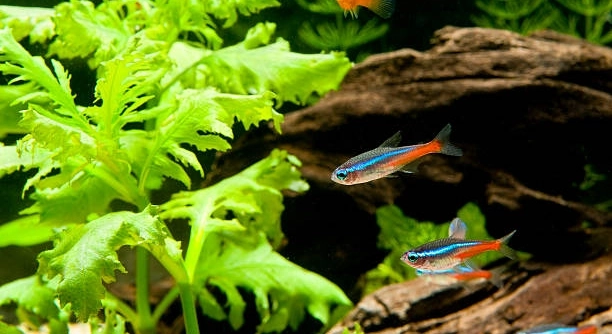
Have you ever watched your aquarium and wondered if your tetra fish are truly happy and thriving in their environment?
Tetra are thriving when they display vibrant colors, active swimming patterns, healthy appetites, clear eyes, smooth scales, consistent schooling behavior, and regular interaction with their surroundings and tank mates.
Learning these signs will help you better understand your tetra’s behavior and create a more supportive home for them.
Vibrant Colors and Active Movement
Tetra that are thriving often show bright, vivid colors. Their scales look shiny, and their fins are clear and smooth. Dull or faded coloring can be a sign of stress, poor water quality, or illness. When your tetra feel safe and healthy, their natural colors become more visible. You may notice different color shades depending on the species, but overall brightness and clarity are a positive sign. Along with this, they will move around the tank often, swimming with energy and purpose. Healthy tetra tend to stay active throughout the day and explore their surroundings. If your fish are hiding constantly or staying near the surface or bottom for long periods, it could mean something is off. A healthy tank setup gives tetra room to swim freely, encourages natural behavior, and supports their overall well-being. Their daily movements can tell you a lot about how comfortable they are.
Bright colors and smooth movement usually mean your tetra are feeling well and responding positively to their tank conditions.
If their coloring fades or they appear sluggish, it may be time to test the water and review your care routine. Watching for changes early can help you catch problems before they get worse.
Schooling Behavior and Appetite
Tetra are natural schooling fish, and swimming together in a group is one of the clearest signs of health.
In a well-maintained tank, thriving tetra will stick close to their school. They move together in a smooth, coordinated way. When fish separate from the group often or stay away from others, it may be a sign of stress, poor health, or unsuitable water conditions. A healthy school gives tetra a sense of safety and helps lower anxiety. It’s also a way to tell if the social balance in your tank is working well. Alongside schooling, a healthy appetite is another strong signal. Tetra should swim toward food quickly during feeding times and eat with interest. Sudden changes, like a lack of interest in food or uneven feeding habits, can show early signs of problems. Offer high-quality food that matches their needs. Pay attention to how much they eat and how active they are during feeding—it’s a small habit that gives big clues about their well-being.
Clear Eyes, Smooth Scales, and Calm Breathing
Clear eyes without cloudiness and smooth, unbroken scales are signs your tetra are healthy. Their breathing should also be calm and steady, not fast or strained. These are small details, but they can reveal a lot about their overall condition.
When tetra are doing well, their eyes look bright and alert. You won’t see cloudiness or dullness, which can be early signs of infection or stress. Their scales should appear smooth, with no white spots, raised areas, or fuzzy patches. If you notice rough or missing scales, that could be a sign of injury or illness. Also, watch how they breathe. Normal breathing is calm, with regular gill movement. Rapid breathing might mean poor water quality or low oxygen levels. By checking their eyes, scales, and breathing regularly, you can often catch issues before they become serious. These quiet signals are easy to miss, but they matter.
Unusual signs like gasping at the surface, red gills, or rubbing against objects may point to something being wrong. These signs often come with other problems, like lack of energy or not eating. If something seems off, test the water and observe the rest of your tank. Good tank maintenance and proper care keep these issues from growing.
Interaction with Environment and Tank Mates
Tetra that are thriving will explore their tank and interact with their surroundings in a relaxed and natural way. They’ll swim around plants, decorations, and open spaces. A curious, confident tetra is usually a healthy one.
Healthy tetra often show interest in their environment. They may dart through plants, check around rocks, or follow their tank mates. These behaviors suggest they feel secure in their home. A lack of movement or hiding too much may mean something is off. Watch how they interact with each other too. Tetra usually swim together peacefully. If one fish becomes aggressive or another gets left out, it could be caused by stress, illness, or overcrowding. Proper tank size, regular water checks, and balanced feeding help keep behavior normal. A peaceful tank with steady routines supports both physical and social health. Observing how your fish act daily helps you understand what’s normal and what might need attention.
Consistent Daily Behavior and Routine
Tetra that stick to a regular routine are usually doing well. They tend to swim actively during the day, rest at night, and respond to feeding times. Sudden changes in behavior may mean something in their environment needs to be checked.
If your tetra are hiding more, swimming oddly, or not joining the group, it might be an early sign of stress or illness. Healthy fish keep their patterns fairly steady. Keeping lights on a regular timer and feeding them at the same times each day helps reinforce this routine and lowers anxiety in the tank.
No Signs of Injury or Disease
Check your tetra regularly for torn fins, discoloration, or small white spots. These could point to illness or stress. Healthy fish will have full fins, no visible wounds, and consistent coloring. Acting quickly when something looks wrong helps protect the rest of the tank.
Peaceful Tank Behavior
Aggression should be rare in a group of thriving tetra. If they chase each other often or nip fins, they may be overcrowded or stressed. A calm tank means your setup is working well and your tetra feel safe.
FAQ
How often should I check my tetra for signs of stress or illness?
It’s a good idea to observe your tetra daily. Even quick checks while feeding can help you spot changes in color, behavior, or movement. Regular monitoring makes it easier to catch problems early, which can save your fish from more serious health issues.
What water conditions do tetra need to thrive?
Tetra prefer clean, slightly acidic to neutral water, with a pH between 6.0 and 7.5. Temperature should stay steady between 72°F and 80°F (22°C–27°C). Regular water changes and good filtration keep the environment stable, which is essential for their health. Poor water quality often leads to stress and illness.
Can poor diet affect tetra’s colors and activity?
Yes, a low-quality or unbalanced diet can dull their colors and reduce energy. Feeding high-quality flakes or pellets designed for tropical fish, plus occasional live or frozen foods, helps maintain their vibrant colors and keeps them active. Avoid overfeeding, which can pollute the tank.
How many tetra should I keep together?
Tetra are schooling fish and should be kept in groups of at least six. Smaller groups can cause stress and unusual behavior. A proper school helps them feel safe and encourages natural swimming patterns. Larger groups also make their colors and activity more noticeable.
What signs mean I should test my tank water?
If your tetra show dull colors, clamped fins, rapid breathing, or unusual hiding, test the water right away. High ammonia, nitrite, or nitrate levels, or incorrect pH, can cause these issues. Regular water testing keeps your tank safe and your fish thriving.
Can tank decorations affect how tetra behave?
Yes, plants and hiding spots help tetra feel secure, which lowers stress. Open swimming areas are also important for exercise and schooling. A balanced setup encourages natural behavior, making your fish more active and relaxed.
How can I encourage my tetra to eat regularly?
Feed them once or twice a day with small amounts they can finish quickly. Offer a mix of flake food and occasional live or frozen treats. Keep a consistent feeding schedule to build a routine. If some tetra don’t eat, check if they are stressed or ill.
Is it normal for tetra to sometimes swim alone?
Occasional separation can happen, but if a fish often stays alone, it might be sick or stressed. Healthy tetra usually stay close to their school. Watch for other signs of trouble, like dull colors or slow movement, when a fish isolates itself.
What should I do if I notice one tetra acting differently?
Isolate the fish if possible and observe it closely. Check water conditions and feeding habits. Sometimes minor changes in water or stress cause behavior shifts. If the fish worsens, consider consulting a vet or fish expert. Early care improves chances of recovery.
How long do tetra usually live in a good tank?
With proper care, tetra can live 3 to 5 years, sometimes longer. Good water quality, balanced diet, and a peaceful environment all help extend their lifespan. Watching for positive signs helps you keep them thriving for years.
When it comes to caring for tetra, paying attention to their behavior and appearance is key. These small fish give many clues about how well they are doing through their colors, movements, and social habits. Bright colors, smooth scales, and active swimming usually show that your tetra are healthy and comfortable in their tank. On the other hand, dull colors, sluggish swimming, or isolation can signal that something needs to change. Watching your fish closely helps you catch these signs early, which is important to keep them safe and happy.
Maintaining the right environment plays a big role in how well your tetra thrive. Clean water with the proper temperature and pH, enough space to swim, and a balanced diet all contribute to their overall health. Regular water testing and tank cleaning prevent many common problems. Having enough tank mates for your tetra to school with also reduces stress and encourages natural behavior. Creating a peaceful, stable home allows your tetra to live longer and show their best colors and energy.
It’s normal to feel unsure about some signs or behaviors at first, but with time you’ll learn what your tetra need to flourish. Being consistent with feeding, water care, and observation will help your fish stay healthy. If you ever notice something unusual, taking action quickly can make a big difference. Caring for tetra is rewarding because their small changes show how well you’re meeting their needs. Paying attention to these details will help you enjoy a beautiful, lively tank for years to come.

Hello,
If you enjoy the content that we create, please consider saying a "Thank You!" by leaving a tip.
Every little bit helps us continue crafting quality advice that supports the health, happiness, and well-being of pets around the world, for pets of all shapes, sizes, and species.
We really appreciate the kindness and support that you show us!