
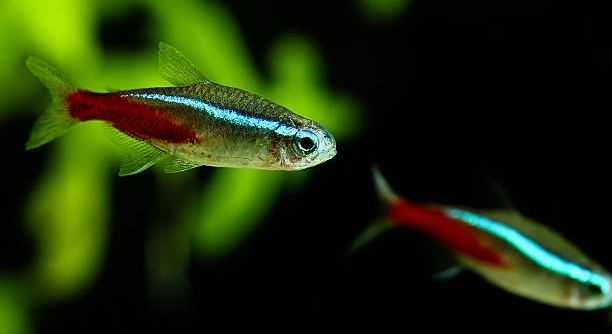
Nervous tetras often show signs of stress that can affect their health and behavior in an aquarium. Many fish owners seek effective ways to help their tetras feel calmer and more comfortable in their environment. Knowing how to manage these situations is important for maintaining a peaceful tank.
To calm a nervous tetra, it is essential to create a stable environment with proper water conditions, gentle handling, and minimal disturbances. Providing hiding places, maintaining consistent lighting, and avoiding overcrowding are proven methods to reduce stress in these fish.
Understanding these tips will help you improve your tetra’s well-being and create a more balanced aquatic environment. This guide will share practical ways to support your fish’s calmness and health.
Create a Stable Environment
A stable environment is key to calming a nervous tetra. Keeping water parameters consistent, such as temperature, pH, and ammonia levels, helps prevent stress. Frequent water changes and using a reliable filter maintain cleanliness and oxygen levels. Avoid sudden changes in lighting or loud noises near the tank. Adding plants and decorations provides hiding spots where tetras can feel safe. These elements reduce their anxiety and mimic their natural habitat. It’s also important to avoid overcrowding the tank, as too many fish increase competition and tension. By maintaining steady conditions and offering shelter, tetras become more relaxed and display healthier behavior.
Keeping the tank environment stable reduces stress and supports the natural behavior of tetras. This helps them adapt and stay calm in captivity.
A calm tetra shows bright colors, swims smoothly, and interacts naturally with other fish. When you provide a steady environment with proper care, your fish will be less prone to illness. You will notice fewer signs of nervousness like hiding excessively or rapid darting. The tank will feel peaceful, and your tetras will thrive for a longer time. This is why investing effort into a stable environment is one of the best ways to care for your fish. It creates a space where they can live comfortably and stay healthy.
Handle Fish Gently and Minimize Disturbances
Nervous tetras react strongly to rough handling and sudden movements near the tank. Gentle, slow actions reduce stress.
Handling fish only when necessary and avoiding tapping on the glass prevents unnecessary fright. Using a soft net and moving fish calmly during cleaning or relocation limits their anxiety. Quiet surroundings support a relaxed atmosphere for tetras to thrive.
Reducing disturbances helps tetras feel secure in their space. This attention to gentle care builds a better relationship between you and your fish, improving their overall health and calmness.
Provide Hiding Places
Hiding places are essential for nervous tetras to feel secure. Plants, caves, and decorations offer shelter where they can retreat when stressed.
Adding live or artificial plants creates natural cover and breaks the line of sight in the tank. Tetras often use these spots to rest and regain confidence. Small caves or tunnels made from aquarium-safe materials work well too. These shelters reduce their exposure to potential threats, helping lower anxiety levels. A well-decorated tank mimics their natural environment and encourages natural behavior.
Without hiding places, tetras may become restless or aggressive. Providing enough cover helps them relax and reduces signs of nervousness, improving their overall health and well-being.
Maintain Proper Lighting
Proper lighting influences tetra behavior and stress levels. Avoid bright, direct lights, which can cause discomfort and trigger nervousness.
Using a timer to simulate a natural day-night cycle supports a stable environment. Soft, diffused lighting helps tetras feel safe and reduces sudden changes that could startle them. Adjusting light intensity gradually is better than turning lights on or off abruptly. Low light conditions in certain areas of the tank also provide resting spots. These lighting practices promote calmness and improve fish activity, supporting their health.
A well-lit tank with controlled lighting mimics natural conditions and fosters a more comfortable space for tetras to thrive peacefully.
Avoid Overcrowding
Too many fish in one tank increase stress for tetras. Overcrowding limits swimming space and raises competition for food and hiding spots.
Keeping a proper number of fish per tank size helps maintain harmony. It reduces aggression and nervous behavior, allowing tetras to feel more secure.
Feed a Balanced Diet
A balanced diet is vital for a tetra’s health and stress reduction. High-quality flakes, pellets, and occasional live or frozen foods provide essential nutrients. Feeding small amounts multiple times daily helps prevent overeating and keeps digestion steady. Proper nutrition supports the immune system, making tetras less vulnerable to illness and stress.
Monitor Water Quality
Water quality directly affects a tetra’s well-being. Regularly test parameters like ammonia, nitrites, nitrates, and pH. Keeping these within safe ranges prevents toxic buildup. Consistent water changes remove waste and maintain a clean environment, reducing stress and promoting longevity.
Use a Gentle Filter
A gentle filter creates necessary water circulation without strong currents. This prevents tetras from being pushed around, which can increase nervousness. Filters designed for small fish tanks or adjustable flow rates work best. Proper filtration maintains water clarity and oxygen levels while keeping the tank peaceful for sensitive tetras.
FAQ
How can I tell if my tetra is nervous?
Nervous tetras often swim erratically, hide frequently, or lose their vibrant colors. They may dart quickly around the tank or stay close to hiding spots. Some show signs of stress by refusing to eat or by gasping at the surface. These behaviors indicate discomfort and anxiety.
What causes stress in tetras?
Stress can come from poor water quality, sudden changes in temperature or lighting, overcrowding, and rough handling. Loud noises or vibrations near the tank can also startle tetras. Lack of hiding places or an unstable environment makes them feel unsafe, increasing their nervousness.
Can water temperature affect tetra stress?
Yes, tetras are sensitive to temperature fluctuations. The ideal temperature range is usually between 72°F and 78°F. Sudden drops or rises in temperature can shock them and cause stress. Using a reliable heater and thermometer helps maintain a steady temperature.
Is it normal for tetras to hide a lot?
Hiding occasionally is natural for tetras, especially when they are new to a tank or feel threatened. However, constant hiding may indicate stress or illness. Providing enough shelter helps them feel secure but watch for other signs if hiding becomes excessive.
How often should I clean the tank?
Regular cleaning is important but should not disturb the fish too often. Partial water changes of 20-25% every one to two weeks keep water quality high. Cleaning the substrate and filter gently helps maintain balance without stressing the fish.
Can tetras get used to human presence?
Tetras can become accustomed to seeing people around the tank if movements are calm and gentle. Over time, they may swim closer during feeding. Sudden, quick movements can frighten them, so it’s best to approach quietly.
Are there specific tank mates that calm or stress tetras?
Peaceful fish like small rasboras or guppies generally coexist well with tetras and reduce stress. Aggressive or larger fish may intimidate tetras, increasing nervousness. Choose tank mates that have similar size and temperament for a harmonious aquarium.
What should I do if my tetra is constantly stressed?
Check water parameters first and ensure proper temperature, pH, and cleanliness. Provide plenty of hiding places and reduce noise or sudden movements around the tank. If stress continues, consider isolating the fish in a calm environment and consult a vet for possible health issues.
Can diet improve a tetra’s mood?
A balanced diet rich in vitamins and minerals supports overall health and resilience to stress. Including varied foods like flakes, pellets, and occasional live food keeps them interested and nourished. Avoid overfeeding, which can cause poor water quality and additional stress.
How important is lighting for tetras?
Proper lighting simulates their natural habitat and helps regulate their behavior. Too bright or sudden lighting changes cause stress. Using a timer to maintain consistent light cycles and offering shaded areas in the tank helps tetras stay calm.
Do tetras need plants in their tank?
Plants offer shelter and improve water quality by absorbing waste products. Live plants provide natural hiding spots, making tetras feel safer. Even artificial plants create a more complex environment that reduces stress.
Is it necessary to quarantine new fish?
Quarantining new fish before adding them to the main tank prevents spreading diseases. A 2-4 week quarantine period helps observe health and reduces stress for all fish by avoiding sudden exposure to illness or parasites.
What signs indicate a healthy, calm tetra?
Healthy tetras swim smoothly, display bright colors, and interact with their environment and tank mates. They eat regularly and rest in calm areas without excessive hiding. Calm behavior shows they feel safe and well cared for.
How do I reduce noise near the aquarium?
Place the tank in a quiet area away from loud appliances or heavy foot traffic. Avoid tapping on the glass or sudden loud sounds. Soft background noise, like a gentle air filter, is better than silence and can help mask disruptive noises.
Can water conditioners help reduce stress?
Water conditioners remove harmful chemicals like chlorine and chloramine from tap water, making it safe for tetras. Some conditioners also contain additives that promote slime coat health, which protects fish from infections and reduces stress.
How often should I feed my tetras?
Feeding small amounts two to three times daily is ideal. Overfeeding pollutes water and causes stress. Uneaten food should be removed promptly to maintain clean conditions.
Is it okay to handle tetras often?
Frequent handling stresses tetras and should be avoided. Only handle fish when necessary, such as during tank cleaning or medical treatment. Use gentle nets and calm movements to minimize distress.
Can music or sound affect tetras?
Loud or sudden sounds can frighten tetras, increasing nervousness. Soft background sounds or aquarium-specific music played at low volume may have a calming effect, but this is not essential.
What role does tank size play in stress?
A larger tank gives tetras enough space to swim and avoid conflicts. Small, cramped tanks cause stress by limiting movement and increasing competition. A minimum of 10 gallons for a small group is recommended.
Are there signs of illness that look like nervous behavior?
Some illnesses cause hiding, lethargy, or erratic swimming similar to stress. Look for other symptoms like discoloration, spots, or changes in appetite. Prompt diagnosis and treatment prevent worsening health problems.
Final Thoughts
Caring for a nervous tetra requires attention to detail and patience. Creating a stable and calm environment is the foundation for helping these small fish feel safe. Consistent water conditions, proper lighting, and gentle handling all contribute to reducing stress. Providing plenty of hiding places helps tetras retreat when they feel uneasy, which supports their natural behavior and well-being. Avoiding overcrowding and maintaining good water quality also play important roles in keeping your fish calm and healthy.
Feeding a balanced diet and choosing peaceful tank mates further improve a tetra’s comfort and reduce nervous behavior. It is important to observe your fish regularly for signs of stress or illness. Nervousness can sometimes be a symptom of health problems, so early detection and care are crucial. Quarantining new fish before adding them to the main tank protects your existing tetras from disease. Taking these steps creates a safer, more peaceful home where your fish can thrive.
In summary, calming a nervous tetra involves multiple factors working together. Small changes in their environment and care routine can make a big difference. A calm tetra will show brighter colors, swim more naturally, and enjoy a longer life. By maintaining steady conditions and paying close attention to their needs, you provide a healthier and happier space for your fish. Consistent effort and care help your tetra overcome nervousness and live comfortably in its aquarium home.

Hello,
If you enjoy the content that we create, please consider saying a "Thank You!" by leaving a tip.
Every little bit helps us continue crafting quality advice that supports the health, happiness, and well-being of pets around the world, for pets of all shapes, sizes, and species.
We really appreciate the kindness and support that you show us!