
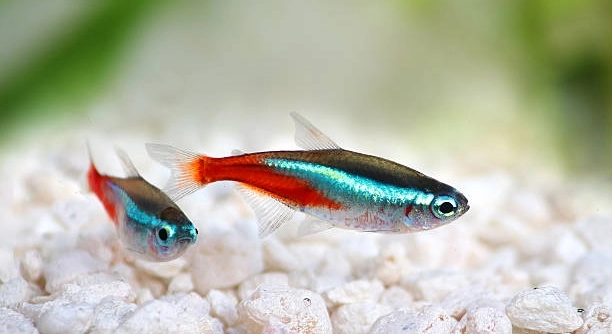
Tetras are popular freshwater fish, often kept in home aquariums for their bright colors and peaceful nature. Many fishkeepers want to know if their tetras are laying fertile eggs to support breeding and healthy fry growth. This article offers clear guidance on how to recognize fertile tetra eggs.
Fertile tetra eggs are typically round, clear, and slightly sticky, often found attached to plants or tank surfaces. Infertile eggs tend to be cloudy or white and may fall loose or be eaten quickly. Observing adult fish behavior can also provide clues.
Knowing how to identify fertile eggs helps in preparing the right environment for successful breeding and fry care. This knowledge can improve the chances of raising healthy young tetras in your aquarium.
Recognizing Fertile Tetra Eggs in Your Aquarium
Fertile tetra eggs have distinct features that help you tell them apart from infertile ones. Typically, fertile eggs appear round and clear with a slight shine. They often stick to plants, tank walls, or decorations, which is common behavior since adult tetras prefer safe surfaces for laying eggs. The eggs are usually spaced out and not clustered tightly together. You might notice the female swimming close to plants and the male nearby, guarding or chasing to fertilize the eggs. Fertile eggs stay intact for several days before hatching, and they do not turn white. In contrast, infertile eggs lose their clarity and become cloudy or white, often falling off or being eaten by the fish. Observing these differences early on can help you manage the tank environment for breeding success and protect the eggs from being disturbed.
Monitoring your tetras’ egg-laying habits regularly gives you a better chance to identify fertile eggs quickly and take care of them properly.
Keeping the tank clean and providing plants or spawning mops encourages tetras to lay eggs on secure surfaces. You can separate eggs or fry if needed to protect them from adult fish that might eat them.
Signs of Fertile Eggs and Adult Tetra Behavior
Adult tetras show specific behaviors when they are ready to breed or have fertilized eggs in the tank. Males often become more active, chasing females or displaying brighter colors. Females may look fuller in the belly as eggs develop. After laying eggs, the adults might guard the area or sometimes eat the eggs if stressed or hungry. Keeping an eye on these behaviors helps identify fertile eggs early and create a suitable environment for the eggs to develop safely. Proper water conditions and hiding places reduce stress and improve the chances that the eggs will hatch successfully. Providing a diet rich in live or frozen foods supports adult health during breeding phases.
Caring for Fertile Tetra Eggs
Fertile tetra eggs need stable water conditions to develop properly. Sudden changes in temperature or water quality can harm the eggs or prevent them from hatching.
Keeping the tank clean and well-filtered helps maintain good water quality. Avoid using strong filters near the eggs, as they can get sucked in or damaged. A gentle sponge filter or low water flow is ideal. Regular water changes are important but should be done carefully to avoid disturbing the eggs. Maintaining a temperature between 74 and 78°F (23-26°C) provides a good environment for egg development. Using live plants or spawning mops offers shelter and surfaces for eggs to stick to, reducing the risk of them falling or being eaten.
If you want to increase hatching success, consider removing the adults after eggs are laid. Adults may eat eggs out of instinct. Separating the eggs into a breeding tank can protect them and allow better monitoring. Feeding adults well before breeding reduces the chance they will consume the eggs. Be patient, as eggs usually hatch within 24 to 36 hours under proper conditions.
Common Problems with Tetra Eggs
Eggs turning cloudy or white indicate infertility or fungal infection. These eggs should be removed quickly to prevent spreading to healthy eggs. Fungus can develop in stagnant water or if water quality drops. Adding a small amount of antifungal treatment designed for aquarium use can help, but maintaining good water conditions is the best prevention.
Sometimes eggs fail to hatch due to poor water temperature or improper lighting. Keeping the tank at a stable temperature and moderate lighting encourages healthy development. Eggs left unattended without proper care often get eaten by adults or fall off surfaces and die. Ensuring plenty of hiding spots and separating eggs from adults increases survival chances. Frequent monitoring of the eggs allows early detection of problems and timely action. Keeping a close watch on the tank environment benefits both the eggs and adult fish health.
Monitoring Egg Development
Tetra eggs change daily as they develop. Fertile eggs remain clear and round, while infertile eggs turn white or cloudy quickly. Watching these changes helps decide if intervention is needed.
Regular checks allow you to remove dead eggs before fungus spreads. Healthy eggs typically hatch within two days, so close observation is key.
Feeding Fry After Hatching
Once the eggs hatch, fry need small, frequent feedings. Newly hatched brine shrimp or infusoria are ideal foods for tiny fry. Providing proper nutrition supports strong growth during their early days.
Setting Up a Fry Tank
A separate tank with gentle filtration and low lighting gives fry a safer space. Adding fine-leaved plants or spawning mops offers hiding spots and helps maintain water quality.
Keeping the water stable and clean is critical for fry survival and healthy development.
FAQ
How can I tell if tetra eggs are fertile or not?
Fertile tetra eggs are clear, round, and slightly sticky, often attached to plants or tank surfaces. Infertile eggs usually turn white or cloudy within a day or two and may fall off or be eaten by fish. Observing the eggs’ color and placement helps identify fertility early.
How long do tetra eggs take to hatch?
Tetra eggs typically hatch within 24 to 36 hours after being laid, depending on water temperature. Warmer water speeds up development but should stay between 74 and 78°F (23-26°C) for the best results. Cooler temperatures may slow hatching.
Should I remove adult tetras after they lay eggs?
Yes, it’s often best to remove adult tetras after eggs are laid because adults can eat their own eggs. Moving eggs to a separate breeding tank or isolating adults protects the eggs and increases the chances of healthy fry.
What water conditions are ideal for breeding tetras?
Stable water conditions are essential. A temperature of 74–78°F (23–26°C), soft to moderately hard water, and a pH around 6.5 to 7.0 create a good environment. Regular gentle water changes help maintain quality without disturbing eggs.
How can I prevent fungus on tetra eggs?
Keeping water clean and removing infertile or dead eggs quickly reduces fungus risk. Using a gentle antifungal treatment safe for aquarium eggs can help, but maintaining stable water parameters is the best prevention.
What should I feed tetra fry after they hatch?
Newly hatched brine shrimp or infusoria are excellent first foods. These tiny live foods are easy for fry to eat and provide necessary nutrients. Gradually, you can introduce finely crushed flakes or baby fish food as they grow.
Can I breed tetras in a community tank?
Breeding tetras in a community tank is challenging because adults and other fish often eat eggs and fry. For better success, set up a separate breeding tank with controlled conditions and protection for eggs and fry.
How do I encourage tetras to lay eggs?
Providing plenty of live plants, spawning mops, or smooth surfaces encourages egg-laying. Feeding adults a varied diet with live or frozen foods helps condition them for breeding. Slightly lowering water temperature before spawning can also trigger egg-laying.
What should I do if eggs don’t hatch?
If eggs don’t hatch, check water temperature and quality first. Remove any cloudy or white eggs to prevent fungus spread. Adjust tank conditions and try again with healthy, conditioned adults. Sometimes eggs may be infertile or damaged, which is normal.
How can I care for fry to ensure their survival?
Keep fry in a separate tank with gentle filtration and low light. Feed them small, frequent meals of suitable live or prepared foods. Maintain clean water with regular but careful changes. Providing hiding spots reduces stress and increases survival rates.
Final Thoughts
Recognizing fertile tetra eggs is an important step for anyone interested in breeding these small, colorful fish. Paying attention to the eggs’ appearance and the behavior of adult tetras gives clear clues about fertility. Fertile eggs are usually clear and round, sticking to plants or other surfaces in the tank. Infertile eggs, on the other hand, become cloudy or white quickly and are less likely to hatch. Knowing how to spot these differences early can help in taking the right actions to protect the eggs and improve the chances of successful hatching. Simple observations and regular checks can make a big difference in your aquarium breeding experience.
Caring for fertile eggs means keeping the water stable and clean. Tetras are sensitive to sudden changes in their environment, and eggs need gentle conditions to develop well. Maintaining the right temperature, providing calm water flow, and avoiding strong filters near the eggs are all key factors. Many people find that using live plants or spawning mops encourages tetras to lay eggs on safe surfaces. If adults are left in the same tank, they might eat the eggs, so separating eggs or moving adults after spawning often helps. The first few days after the eggs hatch are critical, and proper care during this time supports healthy fry growth.
Breeding tetras can be rewarding but requires patience and attention to detail. Watching your tetras’ behavior, maintaining good water quality, and feeding both adults and fry well all contribute to success. Some challenges, like fungal infections on eggs or adults eating eggs, are common but manageable with the right steps. Creating a suitable environment and learning to recognize signs of healthy eggs will improve your results. Taking these small steps helps ensure the survival of the fry and adds to the enjoyment of keeping tetras in your aquarium. With practice, you’ll become more confident in supporting your fish through their breeding and growth stages.

Hello,
If you enjoy the content that we create, please consider saying a "Thank You!" by leaving a tip.
Every little bit helps us continue crafting quality advice that supports the health, happiness, and well-being of pets around the world, for pets of all shapes, sizes, and species.
We really appreciate the kindness and support that you show us!