
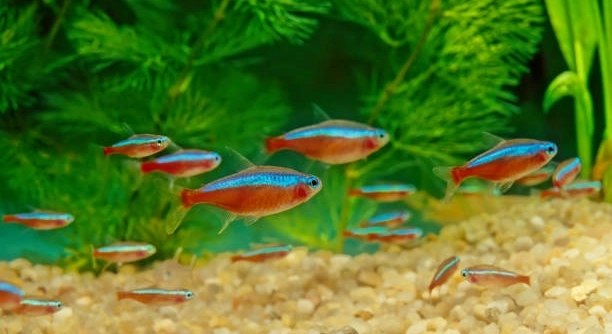
Training a tetra to follow your hand can be a rewarding experience for any fish enthusiast. These small, active fish respond well to gentle guidance and consistency in interaction. Learning to build trust with your tetra enhances your connection with your aquatic pet.
Teaching a tetra to follow your hand involves gradual habituation, consistent hand movements, and rewarding the fish’s positive responses. Patience and repetition are key, as these techniques encourage the fish to associate your hand with food and safety over time.
Understanding these simple tricks can improve your aquarium experience and help create a more engaging environment for your tetra. The following steps outline practical methods to build this behavior effectively.
Start with a Calm Aquarium Environment
Creating a calm atmosphere in your aquarium is the first step to successfully training your tetra. Fish can be sensitive to sudden movements or loud noises, which can make them shy or stressed. Before you begin training, make sure the tank is in a quiet area where there’s minimal disturbance. Dim the lighting slightly if possible, as bright lights can cause your tetra to hide. Spend some time just observing your fish to understand their natural behavior and when they seem most relaxed. This helps you choose the best time to start interacting with your hand. A peaceful environment encourages the fish to be more curious and less fearful, making them more likely to respond to your training efforts.
Keeping the tank calm helps build trust between you and your tetra, which is crucial for hand-following behavior. Stress-free fish learn faster and interact more.
Maintaining a quiet setting with gentle lighting creates the right mood for your tetra to notice your hand without feeling threatened. This foundation makes the following steps in training smoother and more effective.
Use Consistent Hand Movements
Consistency in how you move your hand near the tank is essential. Tetras react better when they recognize the same motion repeated over time. Avoid sudden or jerky movements that might scare them away. Instead, move your hand slowly and steadily along the tank’s side or above the water surface. Repeat this action regularly during feeding times so your tetra learns to associate your hand with food. Over several days, your fish will begin to follow your hand more willingly, seeing it as a source of safety and nourishment.
Regular, gentle hand movements become a signal your tetra can trust and respond to positively.
Start with slow, deliberate motions close to the tank. Pair these movements with feeding, so your tetra links your hand with food. As your fish becomes more comfortable, you can gradually increase the time your hand stays near the water, encouraging the fish to swim alongside it. Consistency in timing and motion builds recognition and trust. Avoid rushing or changing the pattern suddenly, as this may confuse your tetra. Remember, patience during this process is vital. With steady practice, your tetra will start to follow your hand naturally, responding to familiar gestures and cues. This approach strengthens your bond and makes daily interaction more enjoyable for both of you.
Reward Your Tetra with Food
Use small treats or flakes to reward your tetra when it follows your hand. This positive reinforcement encourages the fish to repeat the behavior.
Begin by offering food directly from your hand to help your tetra connect the gesture with a reward. Make sure to use small portions to avoid overfeeding. Over time, your tetra will associate following your hand with getting a tasty treat. This method strengthens their motivation and helps speed up the training process. Rewarding consistently after each successful follow builds a clear link between action and outcome, making the behavior easier to remember. Always choose food that is healthy and suitable for your tetra’s diet to keep it happy and active.
Avoid giving food too quickly or too much at once, as this can overwhelm your fish or cause water quality issues. Patience and steady pacing are key. Gradually, your tetra will start coming to your hand even without immediate food, showing that trust and recognition have developed beyond just feeding.
Practice Daily but Keep Sessions Short
Training every day helps your tetra learn faster, but keep the sessions brief. Short sessions prevent stress or boredom.
Consistency is important, but overdoing it can make your fish nervous or uninterested. Aim for two to three short training times per day, each lasting no longer than five minutes. This keeps the interaction positive and engaging without tiring your tetra. Fish have limited attention spans, so frequent but brief practice works best. The regular routine also helps your tetra expect and recognize your hand, making progress steady and reliable. Keep your movements calm and reward your fish often to maintain enthusiasm. This balanced approach supports learning while respecting your tetra’s natural limits and comfort.
Use a Finger for More Precision
Using a finger instead of your whole hand can make your movements more precise. Tetras respond well to smaller, clearer signals.
A finger allows you to guide the fish gently and focus its attention. It can be less intimidating than a full hand, especially in the beginning stages of training.
Be Patient with Progress
Training a tetra takes time and patience. Each fish learns at its own pace, so avoid rushing the process. Stay calm and consistent, and your tetra will gradually follow your hand or finger more often.
Avoid Sudden Changes
Sudden changes in movement or environment can scare your tetra. Keep your actions smooth and predictable to maintain trust and encourage steady progress.
FAQ
How long does it usually take to train a tetra to follow my hand?
Training time varies depending on your tetra’s personality and the consistency of your practice. Some fish may start following your hand within a week, while others might take several weeks. Regular, calm, and patient sessions help speed up the process. Avoid rushing or forcing your fish, as this can cause stress and delay progress.
Can I train multiple tetras at once?
Yes, you can train several tetras together, but it may take longer. Each fish has its own comfort level and learning speed. Be patient if some fish follow your hand faster than others. Feeding all fish during training sessions helps keep them interested and prevents competition.
What if my tetra doesn’t seem interested in following my hand?
If your tetra shows no interest, first check the tank environment and feeding schedule. Fish that are stressed, sick, or overfed may lack motivation. Try adjusting the timing of your sessions or changing the type of food used for rewards. Reducing noise and movement around the tank can also help make your fish more receptive.
Is it safe to put my hand in the tank during training?
Placing your hand in the tank is generally safe if done gently and with clean hands. Avoid using soap or lotions before training, as chemicals can harm your fish. Move your hand slowly to avoid startling them. If your tetra seems stressed, remove your hand and try again later.
What types of food work best as rewards?
Small flakes, freeze-dried bloodworms, or tiny bits of live food are good choices. These foods are attractive to tetras and easy to offer in small portions. Using variety can also keep your fish interested and motivated during training. Always choose healthy, species-appropriate foods.
Can I train my tetra if I have other fish in the tank?
Yes, but other fish may compete for attention or food. Make sure your tetra has enough space and hiding spots to feel safe. Training might take longer if other fish are more dominant or active during sessions. Feeding all fish at the same time can reduce competition and stress.
How do I know if my tetra is stressed during training?
Signs of stress include hiding, rapid breathing, clamped fins, or erratic swimming. If you notice these behaviors, stop the training and give your fish some quiet time. Stress can slow learning and harm your tetra’s health. Keeping sessions short and calm reduces stress.
Can older tetras learn to follow my hand?
Yes, age does not usually prevent learning. Older tetras might be slower to adapt but can still respond to gentle training. Be extra patient and consistent with older fish, and focus on building trust gradually.
What if my tetra bites my finger?
Tetras rarely bite hard enough to cause harm. If a fish nips your finger, it is usually accidental or a way to explore. Avoid sudden movements to reduce this behavior. Never use force or punishment, as this damages trust and makes training impossible.
How often should I feed my tetra outside of training?
Feed your tetra once or twice daily with the amount they can eat in a few minutes. Avoid overfeeding, which can reduce their interest in training rewards and harm water quality. Training rewards should be small enough not to affect the daily feeding schedule.
Is it possible for my tetra to stop following my hand?
Yes, if training sessions become inconsistent or stressful, your tetra might lose interest. Changes in tank conditions or health issues can also affect behavior. Keep routines steady and maintain a healthy environment to encourage continued interaction.
Can following my hand help improve my tetra’s overall health?
Interaction through training can reduce stress and encourage activity, which benefits your tetra’s health. Mental stimulation from learning new behaviors helps keep your fish engaged and lively. However, training should complement proper care, including good water quality and nutrition.
What should I do if my tetra is shy and hides a lot?
Give your tetra time to adjust to its environment before starting training. Make sure the tank has plenty of hiding spots and avoid sudden disturbances. Begin with very slow hand movements and gradually increase interaction as your fish becomes more comfortable.
Are there risks to trying to train my tetra?
Training poses little risk if done gently and patiently. Overhandling, sudden movements, or dirty hands can stress or harm your fish. Always prioritize your tetra’s comfort and health. Stop training if your fish shows signs of stress or illness.
How can I tell if my tetra understands the training?
When your tetra starts following your hand regularly and approaches it without hesitation, it shows understanding. The fish will swim alongside or near your hand even before food is offered. Consistent behavior over time confirms learning.
Can I use training to help tame a wild-caught tetra?
Training can help reduce fear in wild-caught tetras, but it often takes longer than with tank-raised fish. Patience and gentle, slow interaction are critical. Wild fish might never become as comfortable as those bred in captivity, but gradual trust can be built.
Training your tetra to follow your hand can be a simple and enjoyable experience when approached with patience and care. This process relies mostly on building trust through gentle, consistent actions and rewarding positive behavior. Each step, from creating a calm environment to using small treats, helps your tetra feel more comfortable and curious about your presence. Although progress might be slow at times, the small moments when your tetra responds to your hand make the effort worthwhile. Remember that every fish is unique, and some will take longer to learn than others. Staying calm and consistent will help create a positive experience for both you and your tetra.
It is important to keep training sessions short and frequent to avoid stressing your fish. Tetras have limited attention spans and may become nervous if overwhelmed. By practicing regularly but briefly, you allow your tetra to gradually get used to your hand and movements. Using a finger instead of a whole hand can also make the signals clearer and less intimidating. Always reward your fish with small portions of food after successful responses. This encourages the behavior and helps your tetra associate your hand with something positive. Avoid sudden movements or changes in routine, as these can cause your fish to retreat or lose interest.
While training your tetra to follow your hand can improve your connection with your pet, it also adds mental stimulation that benefits their overall well-being. A fish that is engaged and curious tends to be healthier and more active. However, good care, including clean water and a proper diet, is just as important. If your tetra is shy or slow to respond, giving it time and space is key. Avoid rushing the process or forcing interaction, as this can cause stress and harm the relationship you are trying to build. With steady effort and patience, training your tetra can be a rewarding part of caring for your aquarium.

Hello,
If you enjoy the content that we create, please consider saying a "Thank You!" by leaving a tip.
Every little bit helps us continue crafting quality advice that supports the health, happiness, and well-being of pets around the world, for pets of all shapes, sizes, and species.
We really appreciate the kindness and support that you show us!