
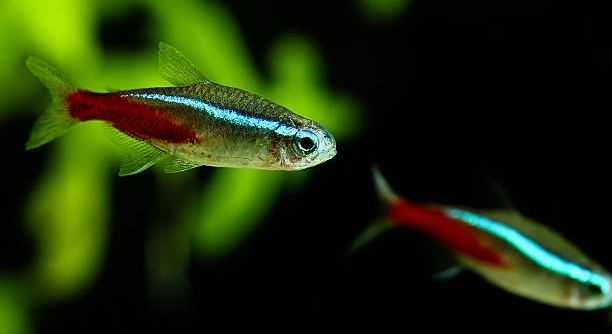
Do you have a tank full of colorful tetra fish and want to make sure they live peacefully together? Tetras are popular community fish, but their behavior can sometimes be hard to read. Knowing how to spot signs of harmony helps keep your aquarium healthy and calm.
Tetras get along when they swim calmly in groups, show no aggression, share food without conflict, and rest comfortably together. Consistent peaceful interactions, synchronized movement, and no visible stress indicate good social balance among them.
Recognizing these behaviors can improve your care routine and promote a happier environment for your fish to thrive in.
Calm Swimming and Grouping
When tetras are comfortable with each other, they swim calmly in groups called schools. You will notice them moving together smoothly without sudden bursts of speed or chasing. This calm swimming shows they feel safe and are not stressed by any tank mates. They tend to stay close to one another, often gliding side by side or following each other in a relaxed way. If one tetra is isolated or frequently darting away, it may be a sign of tension or illness. Observing this peaceful movement is one of the easiest ways to tell if your tetras are getting along well. When they swim in harmony, it also helps reduce stress for each fish and creates a balanced tank environment.
Tetras swimming quietly in a group generally means they accept each other. This behavior signals harmony in the tank.
Watching how they move together helps you know if they are comfortable and content living as a community.
No Signs of Aggression
Tetras that get along don’t show aggression toward each other. You won’t see chasing, biting, or fin nipping happening. If aggression occurs, it can lead to injury and stress, harming their health. When aggression is absent, the tank stays peaceful, and the fish spend their time eating, exploring, and resting. This peaceful interaction allows all tetras to grow without fear, which is especially important for smaller or more timid species. Keeping an eye out for any aggressive acts early can help you intervene before problems escalate. The overall calmness in behavior shows the fish are comfortable with their tank mates and the space they share. Aggression-free tanks are easier to maintain and offer a better experience for the fish keeper.
Sharing Food Peacefully
Tetras that get along well share food without conflict. They eat side by side without chasing or bullying others away. This shows they feel secure in their space and trust each other during feeding time.
During feeding, peaceful tetras wait their turn and do not fight over food. They spread out evenly and nibble calmly without rushing. If you notice frequent chasing or aggressive grabbing of food, it might indicate tension or dominance struggles. Balanced feeding behavior means the group is stable and respects each other’s space, which reduces stress and promotes good health. Keeping an eye on how they share food can reveal a lot about their relationships and the overall atmosphere in the tank.
Providing enough food and scattering it evenly can help maintain this peaceful feeding. A calm feeding routine supports harmony and keeps your tetras happy and healthy.
Resting Together Comfortably
Tetras that get along tend to rest close to each other without signs of stress. They find safe spots near their group where they can relax quietly. This behavior shows trust and comfort within the tank.
When resting, tetras may hover near plants or decorations while staying close to their school. If some fish isolate themselves or hide too much, it might indicate discomfort or illness. Resting peacefully in groups reflects a healthy social balance. Fish that feel safe spend more time resting and less time hiding or swimming nervously. This natural behavior helps maintain their energy and health, so noticing it is important for tank care. Observing where and how tetras rest can help you understand their mood and relationships. Comfortable resting spots contribute to a calm, thriving aquarium environment.
Synchronized Movement
Tetras that get along often move in sync with each other. Their coordinated swimming shows strong social bonds. This behavior helps keep the group safe and comfortable.
Swimming together in patterns is natural for tetras. It reduces stress and makes them feel secure in their environment.
Lack of Visible Stress
Signs of stress, like rapid gill movement or erratic swimming, are usually absent in a harmonious group. Calm behavior indicates comfort and good health.
Stress-free tetras show natural colors and normal activity levels. This balance supports their well-being and longevity.
Mutual Grooming Behavior
Sometimes tetras gently nip or clean each other. This mutual grooming helps maintain social bonds and promotes hygiene within the group. It’s a positive sign of connection.
Consistent Social Interaction
Tetras that get along interact regularly without hostility. They swim, explore, and rest near each other calmly, showing a stable social structure.
How many tetras should I keep together to ensure they get along?
Tetras are schooling fish, so they feel safer and more comfortable in groups. Keeping at least six together is recommended to promote natural social behavior. Smaller groups may lead to stress or aggression because they feel vulnerable. Larger groups, around 10 or more, often show better harmony as the social balance spreads out. However, make sure your tank is big enough to support them comfortably. Overcrowding can cause tension despite the group size. Proper space and hiding spots also contribute to peaceful coexistence.
What signs show that tetras are not getting along?
Aggressive chasing, biting, or fin nipping are clear signs of conflict. You might also see isolated fish hiding or acting stressed with rapid breathing or erratic swimming. When food causes fights or some fish dominate the area, it’s another indication of tension. Uneven coloration, torn fins, or wounds can result from ongoing aggression. Watching how they swim and interact daily helps spot these problems early. Addressing aggression quickly can prevent injuries and maintain a peaceful tank.
Can different species of tetras live together peacefully?
Some tetra species can live well together if their sizes and temperaments are compatible. Smaller, more peaceful types like neon tetras usually do better with others of similar size and behavior. Mixing very aggressive or larger species with smaller ones often causes bullying or stress. It’s important to research each species’ temperament before mixing. Providing plenty of space, hiding places, and evenly distributed food also helps reduce competition and aggression. Proper planning leads to a peaceful multi-species tetra tank.
How does tank size affect tetra harmony?
Tank size plays a big role in how well tetras get along. A cramped tank limits their space and can increase stress and aggression. Larger tanks allow tetras to swim freely, establish territories, and avoid constant close contact that may trigger fights. For a small school of six tetras, a minimum of 20 gallons is recommended. Bigger groups need more space proportionally. Adequate space supports natural behaviors and helps keep the group calm and balanced.
What role do decorations and plants play in tetra behavior?
Plants and decorations provide hiding spots and break up sight lines, reducing stress and aggression. Tetras feel safer when they have places to retreat if needed. Live plants also improve water quality and mimic their natural environment, encouraging natural behaviors. Decorations like rocks or driftwood create territories and resting areas, which can help reduce conflicts. A well-decorated tank supports peaceful interactions and overall fish health.
How can I encourage peaceful feeding among tetras?
Scatter food evenly across the tank so no single fish can dominate feeding spots. Feeding small amounts multiple times a day helps reduce competition and prevents overeating. Using sinking pellets or flakes designed for tetras allows all fish to eat comfortably at their preferred level. Watching feeding times helps catch any signs of aggression early, so adjustments can be made. A calm feeding routine is key to maintaining harmony during mealtimes.
What should I do if aggression starts in my tetra group?
First, identify the aggressive fish and any triggers, such as overcrowding or lack of hiding spots. Increasing tank size or adding plants and decorations can help reduce tension. Separating overly aggressive individuals temporarily may be necessary. Checking water quality is important since poor conditions can increase stress. Reducing feeding competition by scattering food and feeding smaller amounts often helps. In some cases, adjusting the group by removing incompatible fish may be the best solution to restore peace.
Do tetras recognize each other and form bonds?
Tetras do recognize their tank mates and form social bonds within their group. They swim together, rest close by, and interact peacefully when comfortable. Strong social bonds reduce stress and help establish a stable group hierarchy. This recognition improves group harmony and makes their behavior more predictable. Over time, they may show synchronized swimming and mutual grooming, which are signs of trust and social connection.
How often should I monitor my tetras for social harmony?
Daily observation is best for noticing changes in behavior. Spending a few minutes each day watching how they swim, feed, and rest helps you catch early signs of stress or aggression. Regular checks make it easier to adjust care before problems worsen. Keeping a consistent routine and stable environment also supports harmony. Good monitoring supports timely intervention and keeps your tetra group peaceful.
Can stress affect how tetras get along?
Yes, stress can cause tetras to become aggressive or withdrawn, upsetting the social balance. Stress may come from poor water quality, overcrowding, or sudden changes in the tank. When stressed, tetras show rapid breathing, hiding, or erratic swimming. Reducing stress through proper tank care, stable conditions, and a peaceful environment improves their behavior and helps maintain harmony. Stress management is essential for a healthy, happy tetra group.
When keeping tetras together, watching how they behave is important. Their actions tell a lot about whether they are comfortable and peaceful in the tank. Calm swimming in groups, sharing food nicely, and resting close to each other are good signs that they get along. When tetras show these behaviors, it means the tank is a safe and healthy space for them. Paying attention to these small details can help you care for your fish better and avoid problems before they start.
It’s also important to keep the tank environment right for the tetras. Providing enough space, clean water, and places to hide helps reduce stress. A stressed fish is more likely to act aggressively or get sick. Keeping food scattered and feeding often in small amounts can prevent fights during mealtime. Decorations and plants not only make the tank look nice but also help the fish feel secure. These simple steps support peace and balance in your aquarium.
Remember, every group of tetras is different. Some may be more active or shy, and their needs can change over time. Regularly observing their behavior helps you notice any changes early. Acting quickly if aggression or stress appears will protect your fish and keep the tank calm. With care and attention, your tetras can live happily together, making your aquarium a pleasant and peaceful place to enjoy.

Hello,
If you enjoy the content that we create, please consider saying a "Thank You!" by leaving a tip.
Every little bit helps us continue crafting quality advice that supports the health, happiness, and well-being of pets around the world, for pets of all shapes, sizes, and species.
We really appreciate the kindness and support that you show us!