
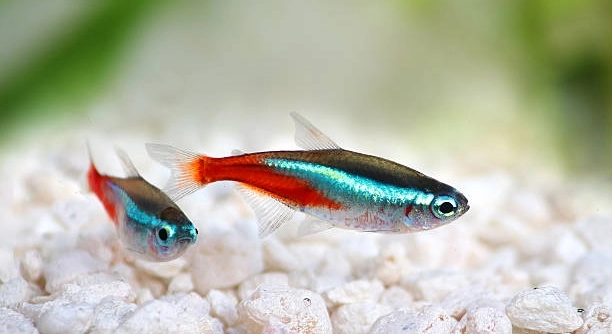
Are your tetra fish ready to welcome a new tankmate without stress or aggression? Observing their behavior closely can help you decide when to introduce another fish to their environment. Knowing the signs ensures a peaceful community tank.
Tetras show acceptance of new tankmates through calm swimming patterns, shared feeding times, minimal chasing, and peaceful coexistence near hiding spots. These behaviors indicate social tolerance and reduced territorial aggression, crucial for successful fish introductions.
Recognizing these signs early can save your fish from unnecessary stress and help maintain harmony in your aquarium. This guide will help you spot the key behaviors to watch for before adding a new friend.
Signs of Calm Swimming and Exploration
When tetras accept a new tankmate, their swimming behavior changes noticeably. They move smoothly and calmly throughout the tank, without sudden darting or aggressive chasing. Instead of avoiding the newcomer, they explore the tank together, sometimes swimming side by side or near each other. This peaceful movement shows they feel comfortable sharing their space. It is important to watch for any rapid movements or signs of stress, which could indicate tension. Over time, as the tetras grow used to the new fish, their swimming patterns become more synchronized. They may even follow each other, signaling a growing acceptance. Calm swimming is one of the first signs that your tetras are ready for a new companion.
This calm swimming helps reduce stress for all fish in the tank. It is a positive sign that they are adjusting well.
When your tetras swim calmly around the new fish, it shows they do not see it as a threat. This behavior promotes harmony and balance, which is essential for a healthy aquarium environment.
Shared Feeding Times
Tetras accepting a new tankmate often eat together without showing aggression. During feeding, they gather around food calmly, without chasing or pushing the new fish away. This peaceful sharing is an important signal that the new fish is part of the group. If the tetras compete fiercely for food or isolate themselves while eating, it may mean they have not yet accepted the newcomer.
Observing how tetras behave at feeding time gives clear clues about their acceptance. They often display tolerance by allowing the new fish equal access to food.
When tetras share feeding times calmly, it helps build trust among tankmates. Feeding is a vulnerable moment, and peaceful behavior here suggests a stronger social bond. It also prevents stress that can arise from competition. Providing food in different areas of the tank can encourage this calm sharing and help reduce conflicts. Keeping a close eye during feeding is an easy way to monitor social acceptance and tank harmony.
Minimal Chasing and Aggression
Minimal chasing is a key sign that tetras accept a new tankmate. Occasional short bursts of chasing may happen but should not be constant or aggressive. If chasing is rare and short, it shows the fish are adjusting well.
Constant chasing often stresses the newcomer and signals poor acceptance. However, brief chases can be part of natural territory testing. Over time, as the new fish settles in, chasing should reduce significantly. If chasing persists, it might help to add more hiding places or rearrange tank decorations to break up established territories. Watching for calm interactions after these moments helps confirm if peace is returning. Healthy tank dynamics balance some mild chasing with mostly peaceful behavior.
It’s important to give tetras time to adjust. Sudden or harsh aggression often decreases with patience and environmental support.
Peaceful Coexistence Near Hiding Spots
Tetras that accept new tankmates often share or respect hiding spots without conflict. These areas are safe spaces where fish retreat when stressed. When multiple fish use or stay near these spots calmly, it means they tolerate each other’s presence. Sharing hiding spots is a good sign of trust and comfort in the tank’s social structure.
If tetras chase others away from hiding areas or guard these spots aggressively, it can cause stress and disrupt harmony. Providing several hiding places helps reduce competition and allows shy fish to feel safe. Peaceful coexistence means the fish don’t need to compete constantly for shelter, making the tank a less stressful environment overall. Watching how fish behave around these spots gives clues about their social acceptance and well-being.
Relaxed Body Language
Tetras that accept new tankmates show relaxed body language. Their fins are not flared, and their bodies appear smooth and calm. They swim without sudden jerks or rapid movements.
Relaxed body language signals that the fish feel safe and unthreatened by the newcomer. This calmness supports peaceful tank interactions and reduces stress.
Consistent Grouping Behavior
Tetras tend to swim in groups or schools. When accepting a new tankmate, they may include it in their group or swim close together without showing signs of exclusion. This behavior shows social acceptance and trust within the group.
Group swimming strengthens bonds and helps protect fish from stress. When a new fish joins without disruption, it improves tank harmony and well-being.
No Signs of Hiding
When tetras accept a new tankmate, they don’t hide excessively. They remain visible and active in the tank. Excessive hiding may mean stress or fear, which signals rejection of the newcomer.
FAQ
How long does it take for tetras to accept a new tankmate?
Acceptance time varies depending on the fish and tank conditions. Generally, tetras start showing acceptance signs within a few days to two weeks. Some may adjust quicker, while others take longer to feel comfortable. Patience is important, as forcing interactions too soon can increase stress. Observing behaviors like calm swimming and shared feeding helps gauge progress. Maintaining stable water parameters and providing hiding spots supports faster acceptance.
Can tetras live peacefully with any type of fish?
Tetras do best with small, peaceful fish that share similar water requirements. Aggressive or much larger species can stress or harm them. It’s important to research compatible tankmates before adding any new fish. Species like guppies, rasboras, and small corydoras usually coexist well with tetras. Avoid territorial or fin-nipping fish to maintain a peaceful environment. Proper tank size and hiding spaces also influence how well different fish live together.
What should I do if tetras show aggression toward a new tankmate?
First, observe if the aggression is mild or constant. Mild chasing is normal at first but should decrease over time. If aggression continues, try rearranging the tank decorations to disrupt territories. Adding more hiding places can reduce stress and provide safe spots. In some cases, separating aggressive individuals temporarily helps. Make sure water quality is excellent, as poor conditions increase stress and aggression. If problems persist, reconsider if the new fish is compatible with your tetras.
How can I help my tetras accept a new fish faster?
Introduce the new fish slowly by using a quarantine or divider tank. This allows tetras to see the newcomer without direct contact at first. Feeding all fish at the same time encourages positive associations. Keeping the environment stable and calm reduces stress. Avoid sudden changes like adding multiple fish at once. Providing plenty of plants and hiding spots helps everyone feel safe. Regular observation will help you respond quickly if any problems arise.
Is it normal for tetras to chase a new fish sometimes?
Yes, occasional chasing is normal when tetras test boundaries or establish social order. This behavior usually lessens as the fish get used to each other. Persistent or aggressive chasing is a concern and may lead to injury or stress. Watching the frequency and intensity of chasing helps determine if it is normal or problematic. Providing ample space and hiding spots often reduces chasing behavior.
What signs show that a new tankmate is stressed around tetras?
Signs of stress include hiding for long periods, loss of appetite, rapid breathing, and pale or faded colors. The new fish may also swim erratically or isolate itself. Stress weakens the immune system and can lead to illness. If you notice these signs, consider giving the new fish more hiding spaces or separating it temporarily. Improving tank conditions and ensuring gentle introductions also help reduce stress.
Can tank size affect how well tetras accept a new tankmate?
Yes, tank size plays a big role in acceptance. A cramped tank increases stress and aggression because fish have less space to establish territories and hide. Larger tanks offer more room for each fish to feel secure, reducing conflicts. Overcrowding can cause constant chasing and poor water quality, making acceptance harder. Providing adequate space, usually at least 10 gallons for small groups, improves social dynamics and overall fish health.
How important is water quality during the introduction of a new fish?
Maintaining excellent water quality is crucial when introducing a new fish. Poor water conditions stress all fish, making acceptance more difficult. Clean water helps the immune system and supports healthy behavior. Test water regularly for ammonia, nitrites, and nitrates, and perform water changes as needed. Keeping temperature and pH stable also reduces stress. A well-maintained tank creates a better environment for peaceful coexistence.
Should I quarantine a new fish before adding it to a tetra tank?
Quarantining new fish is highly recommended. It helps prevent the spread of disease and allows you to observe the new fish’s health before mixing it with your tetras. A quarantine period of two weeks is ideal. This step reduces the risk of infections and helps you introduce the fish more safely. During quarantine, you can also slowly acclimate the fish to the tank’s water parameters. This careful approach supports smoother acceptance.
What types of hiding spots help tetras and new fish coexist?
Tetras appreciate plants, caves, and decorations that offer shelter. Live or artificial plants create natural cover and reduce stress. Small caves or tunnels give fish a secure place to retreat when needed. Multiple hiding spots spread throughout the tank prevent territorial disputes. Avoid overcrowding the tank but ensure there are enough spaces for all fish. These shelters help fish feel safe and encourage peaceful interactions.
How can I tell if a new tankmate is a good fit for my tetras?
Look for signs of peaceful interaction like calm swimming, shared feeding, and minimal chasing. Compatibility also depends on size, temperament, and water needs. A good fit means the new fish blends into the group without causing stress or aggression. Research the species’ behavior and care requirements before adding it. Observing how the tetras respond during the first few days helps confirm if the match is successful. If problems arise, be ready to adjust or remove the new fish.
When introducing a new tankmate to your tetras, patience and careful observation are key. Tetras are social fish, but they have their own ways of showing acceptance or discomfort. Watching for signs like calm swimming, peaceful feeding, and limited chasing helps you understand how well they are adjusting. It’s important not to rush the process or force interactions too soon, as this can cause stress for both the tetras and the new fish. Giving them time to settle in and feel comfortable creates a more peaceful aquarium environment for everyone.
Creating a healthy space also plays a big role in how well tetras accept new companions. A clean tank with stable water conditions reduces stress and aggression among fish. Providing plenty of hiding spots and breaking up territories with decorations can help fish feel safe and avoid conflicts. It’s best to choose tankmates that have similar temperaments and care needs to tetras. Peaceful species that won’t compete aggressively for food or space tend to integrate better. When you set up the tank thoughtfully and monitor behavior regularly, it becomes easier to spot any problems early and make adjustments.
Overall, successful introduction of a new tankmate requires a balance of good preparation and patience. Each fish is unique, and some tetras may take longer than others to accept new neighbors. Watching for the key signs of acceptance helps you make informed decisions and keeps your aquarium a calm, healthy place. With steady care and attention, your tetras can live happily alongside their new tankmates, creating a harmonious and beautiful community tank.

Hello,
If you enjoy the content that we create, please consider saying a "Thank You!" by leaving a tip.
Every little bit helps us continue crafting quality advice that supports the health, happiness, and well-being of pets around the world, for pets of all shapes, sizes, and species.
We really appreciate the kindness and support that you show us!