
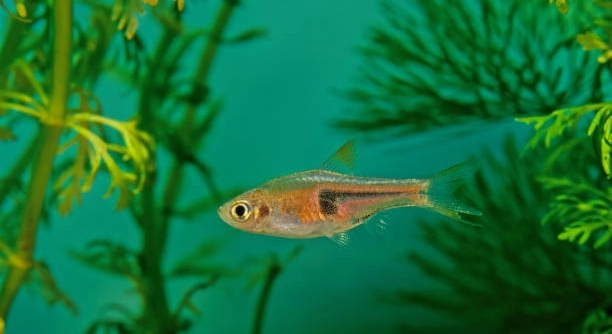
Rasboras are small, active fish often seen exploring their surroundings in home aquariums. Their behavior can sometimes look like they are searching or scouting new territory in the tank. Understanding these signs helps in caring for them properly.
Rasboras scout territory by swimming cautiously along tank edges, flicking their fins, and pausing frequently to observe. This behavior indicates exploration and assessment of the environment before settling or interacting with other fish. Recognizing these actions is key to interpreting their intentions.
Learning to spot these subtle behaviors can improve your aquarium setup and enhance the well-being of your fish friends.
How Rasbora Explore New Areas
When rasboras begin to scout territory, they move differently than usual. You’ll notice them swimming slowly along the tank’s edges, sometimes pausing to look around carefully. Their fins might flick lightly, and they often tilt their bodies slightly to get a better view of new spaces. This cautious behavior helps them check for safety and food sources. Sometimes they group together during this exploration, which offers protection in numbers. Watching these movements can tell you when your fish are feeling curious or unsure about changes in their environment, such as new plants or decorations. These fish prefer calm and stable surroundings, so sudden shifts might trigger more frequent scouting. Understanding this natural behavior lets you make your tank more comfortable and reduces stress for your rasboras.
Their scouting behavior usually slows down after they feel safe and familiar with the new area.
By paying attention to these subtle cues, you can better support your rasboras’ need for space and security. Providing hiding spots and gentle water flow helps them settle faster after exploring.
Signs That Show Rasbora Are Scouting
Rasboras display distinct signs when they scout, like slower movements and frequent stops. They may swim near the surface or bottom, exploring every corner with care.
Recognizing these signs is essential for keeping your fish comfortable. If they seem restless or constantly on the move, it might mean they are still assessing their environment. Sometimes, this behavior happens after introducing new tank mates or rearranging decorations. When rasboras feel unsettled, they use scouting to find the safest spots to hide or rest. Making sure the tank has plenty of plants and places to retreat can ease their anxiety. Clean water and stable temperature also play a role in helping them feel secure. By observing and responding to these signs, you create a better habitat for your rasboras to thrive and feel at home.
How Environment Affects Scouting Behavior
Tank conditions directly impact how often rasboras scout new areas. Poor water quality or sudden changes can make them more cautious and restless. A stable, clean environment helps reduce excessive scouting.
If the tank is overcrowded or has too little hiding spots, rasboras will feel stressed and explore more to find safe zones. They prefer gentle water flow and plenty of plants to feel secure. Sudden changes like new decorations or fish additions increase their scouting behavior as they adjust. Maintaining stable water parameters and a calm environment lets them settle quicker and feel comfortable in their space.
Temperature and lighting also influence their behavior. Bright lights or temperature swings make rasboras less confident, leading to more frequent scouting. Keeping consistent conditions helps them stay calm and reduces the need for constant territory checks.
Social Dynamics During Scouting
Rasboras often scout in groups for safety. When they explore alone, they are usually more cautious and slower. Group scouting gives them confidence to move around openly.
The social structure of rasboras influences their territory scouting. They use group movement to communicate safety and share information about new spaces. If one fish spots a threat, the group reacts quickly. This collective behavior helps them avoid predators and find better feeding spots. Group scouting also reduces individual stress by providing company and backup. When kept in proper schools, rasboras display more natural and relaxed behaviors, including exploring together. Observing their social interactions during scouting can help you understand their comfort level and tank harmony. Providing space for a small school encourages these natural behaviors and improves their overall well-being.
Timing of Scouting Behavior
Rasboras tend to scout more during the early morning and late evening hours when the tank is quieter. These times feel safer for exploring new areas. During busy or bright periods, they often stay closer to familiar spots.
Scouting also increases after any changes in the tank. New decorations, plants, or tank mates will prompt rasboras to investigate carefully, ensuring the space is safe.
How to Support Rasbora During Scouting
Providing plenty of plants, hiding spots, and gentle water flow helps rasboras feel secure while they explore. Avoid sudden changes to reduce their stress. Keeping the tank clean and stable encourages natural behavior and lowers anxiety.
When Scouting Becomes a Concern
If rasboras scout constantly and never settle, it may indicate stress or poor tank conditions. Check water quality, tank mates, and environment for issues that might be causing discomfort.
FAQ
How can I tell if my rasbora is scouting or just swimming around?
Scouting behavior involves slow, careful movements along the tank edges with frequent pauses. Rasboras often flick their fins gently and tilt their bodies while scanning their surroundings. Regular swimming is usually faster and more relaxed. Watching for these subtle changes helps you distinguish between casual swimming and scouting.
Why do rasboras scout more after I change something in the tank?
Rasboras rely on stable environments to feel safe. Any change, like adding new plants, decorations, or fish, disrupts their comfort zone. Scouting is their way to assess the new setup for threats or hiding places. Once they feel secure, scouting usually decreases.
Is it normal for rasboras to scout alone sometimes?
While rasboras are social fish and prefer group scouting, they may explore alone if curious or cautious. Solo scouting is slower and more careful. If you see one fish consistently scouting alone, it might be feeling stressed or unsure, so check the tank environment.
How does water quality affect scouting behavior?
Poor water quality raises stress levels, making rasboras more restless and prone to excessive scouting. High ammonia, nitrites, or sudden pH changes cause discomfort. Keeping water parameters stable and clean reduces unnecessary scouting and promotes calm behavior.
Can too many tank mates cause more scouting?
Yes, overcrowding increases stress and competition for space. Rasboras may scout more to find quiet, safe spots away from aggressive or dominant fish. Ensure your tank has enough space and hiding places to reduce tension and support natural behaviors.
What tank setup encourages healthy scouting?
A well-planted tank with plenty of hiding spots and gentle water flow is ideal. Rasboras feel secure among plants and decorations where they can retreat if needed. Avoid bright, harsh lighting and sudden temperature changes to keep them comfortable during exploration.
How long does scouting behavior usually last after a tank change?
Most rasboras settle within a few days to a week after adjustments. If scouting continues beyond this, it may signal ongoing stress or unsuitable conditions. Regular monitoring and minor tweaks to the environment can help them relax and reduce constant scouting.
Does lighting affect how rasboras scout?
Bright or flickering lights make rasboras nervous, causing them to scout more cautiously or hide. They prefer soft, natural lighting that mimics their natural habitat. Using dimmable or floating plants to filter light can help create a calmer tank atmosphere.
Are juvenile rasboras more active in scouting than adults?
Younger rasboras tend to be more curious and active, exploring frequently to learn their surroundings. Adults are more settled and scout mainly when changes occur. This difference is natural and reflects their growing awareness and need to find safe spaces.
Should I intervene if my rasboras are scouting a lot?
Intervention isn’t always necessary unless scouting signals stress or poor conditions. Focus on maintaining stable water quality, providing adequate space, and minimizing sudden changes. Sometimes, giving them time and a calm environment is the best way to let them adjust naturally.
Can scouting behavior indicate health problems?
Excessive or erratic scouting combined with other signs like loss of appetite or lethargy may point to illness. Stress from health issues can make rasboras more restless. Regular observation and water testing help catch problems early for timely care.
How can I reduce stress that causes constant scouting?
Keep the tank environment stable by avoiding sudden temperature or water changes. Provide plenty of plants and hiding places. Maintain a peaceful social setting with compatible fish. A calm tank encourages rasboras to feel safe and reduces unnecessary scouting.
What role does diet play in rasbora behavior?
A balanced diet keeps rasboras healthy and less prone to stress. Well-fed fish are calmer and less likely to scout out of anxiety or hunger. Feeding small amounts regularly supports their energy needs and encourages normal behavior.
Is it better to keep rasboras in small or large groups for scouting behavior?
Larger groups give rasboras confidence when exploring, as they feel safer together. Small groups or solitary fish may scout more cautiously and appear stressed. Keeping at least six or more rasboras encourages natural social behaviors, including group scouting.
How can I tell if rasboras have found a new territory?
When rasboras stop their cautious scouting and start swimming confidently or resting in a new area, it usually means they feel safe there. They will begin feeding and interacting normally. This shift indicates they have accepted the space as part of their territory.
What types of plants are best for rasbora scouting?
Soft-leaved plants like Java fern, Anubias, and floating plants provide excellent cover without sharp edges. These plants offer hiding spots and reduce light intensity, creating comfortable zones for rasboras to explore and rest safely.
Does tank size impact scouting behavior?
Smaller tanks limit space, causing more frequent scouting as rasboras search for comfortable spots. Larger tanks with varied hiding places let them spread out and reduce stress. Providing enough room supports healthier and more natural behavior.
How often should I observe my rasboras to understand their scouting patterns?
Daily observation, especially during quiet times, helps you notice subtle scouting behaviors. Consistent monitoring allows you to spot changes caused by tank conditions or social dynamics and adjust care accordingly.
Can introducing new fish disrupt rasbora scouting?
Yes, new fish bring unfamiliar scents and movements that cause rasboras to increase scouting. They assess the newcomers carefully before relaxing. Gradual introductions and quarantine procedures reduce stress and help maintain peaceful scouting behavior.
Are there any signs that scouting behavior is aggressive?
Scouting is generally cautious, not aggressive. If you see chasing, biting, or nipping during exploration, this signals territorial disputes or stress. Separating aggressive fish and ensuring enough space can resolve conflicts and restore calm scouting.
What is the best way to support rasbora scouting in a community tank?
Maintain stable water quality, provide plenty of plants and hiding spots, and keep compatible tank mates. Avoid overcrowding and sudden changes. A peaceful, well-structured environment encourages natural, stress-free scouting and healthy fish behavior.
Rasboras are curious little fish that naturally explore their surroundings to feel safe and comfortable. Watching them scout their territory gives a glimpse into how they understand and adapt to their environment. This behavior is an important part of their daily routine, especially when changes happen in the tank. Whether it is new decorations, plants, or tank mates, rasboras use careful movements and pauses to check out these differences. Recognizing when they are scouting helps in understanding their needs and ensuring the tank feels like a secure home for them.
Maintaining a calm and stable tank environment is key to supporting healthy scouting behavior. Clean water, steady temperature, and gentle lighting reduce stress and make the fish feel safe enough to explore without constant worry. Providing plenty of plants and hiding spots also gives them places to retreat and feel protected. This encourages natural behavior and lessens anxiety, which can otherwise lead to restless or overly cautious scouting. Keeping a proper group size helps too, since rasboras feel braver and more confident when moving around with others. All these factors come together to create a peaceful space that allows rasboras to thrive.
If scouting seems excessive or your fish never settle, it may signal that something in the tank needs attention. Stress, poor water quality, or overcrowding can cause continuous scouting and restlessness. In those cases, checking the tank’s conditions and making small improvements can make a big difference. Sometimes giving the fish time and a stable routine helps them adjust naturally. Observing their behavior regularly and responding to their needs ensures they stay healthy and happy. Understanding rasboras’ scouting habits is a useful step toward creating a balanced and comfortable aquarium environment.

Hello,
If you enjoy the content that we create, please consider saying a "Thank You!" by leaving a tip.
Every little bit helps us continue crafting quality advice that supports the health, happiness, and well-being of pets around the world, for pets of all shapes, sizes, and species.
We really appreciate the kindness and support that you show us!