
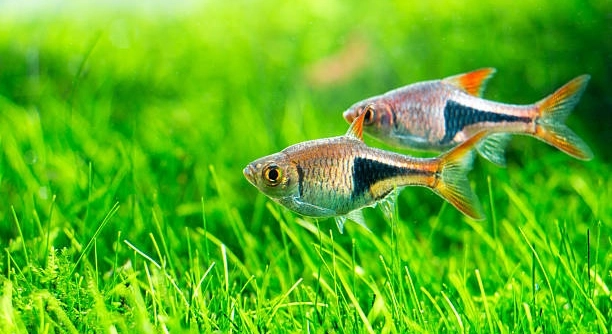
Rasbora are small, active fish that usually follow a daily routine in their tank environment. When their behavior changes, it can be a sign that something is affecting their well-being. Observing these changes early can help maintain a healthy aquarium.
Changes in Rasbora behavior often indicate stress, illness, or environmental imbalance. Identifying seven specific signs helps aquarists recognize disruptions in routine, allowing timely intervention to protect the fish’s health and ensure a stable habitat.
Noticing these signs early will help you keep your Rasbora happy and healthy in their aquatic home.
Unusual Swimming Patterns
Rasbora usually swim in groups and move in smooth, coordinated ways. If you notice one or more swimming erratically, such as darting around, staying still at the bottom, or floating near the surface, it’s a sign they might be out of routine. These changes can be caused by stress, illness, or poor water conditions. Watching their movement closely helps catch problems before they worsen. Often, erratic swimming happens due to a sudden change in tank temperature or water quality. Ensuring the tank is stable and clean supports their natural swimming behavior. It’s also important to check for aggressive tank mates or overcrowding, which can stress Rasbora and disrupt their normal activity.
Erratic swimming signals potential stress or health issues needing prompt attention. Maintaining stable conditions is crucial.
Recognizing unusual swimming early can prevent serious problems. Acting quickly to restore balance supports your Rasbora’s well-being and keeps their environment comfortable.
Loss of Appetite
A decrease or loss of appetite in Rasbora is a common sign they are not feeling well or something in their environment is off. When fish stop eating, it may be due to water quality issues, illness, or stress caused by changes in their habitat. Even slight alterations in temperature or pH levels can affect their feeding habits. It’s essential to monitor feeding closely and ensure food is fresh and appropriate. Sometimes, a temporary loss of appetite may occur during acclimation to a new tank, but if it persists, action should be taken. Checking water parameters and observing for other symptoms helps identify the cause. Offering a variety of foods can also encourage them to eat again.
Loss of appetite indicates a problem with health or environment. Addressing underlying causes restores their eating habits.
When Rasbora lose interest in food, it’s often a warning sign. Evaluating tank conditions and observing for disease symptoms are important next steps. By responding quickly, you protect their health and promote recovery. Maintaining water quality and reducing stressors will support their appetite and overall condition.
Fading Colors
Fading colors in Rasbora often indicate stress, illness, or poor water conditions. Healthy Rasbora display vibrant hues, so dullness is a clear warning sign.
When Rasbora lose their bright coloration, it usually means their environment isn’t ideal. Factors like poor water quality, insufficient lighting, or nutritional deficiencies can cause this. Stress from aggressive tank mates or sudden changes in temperature also plays a role. Monitoring water parameters regularly is important to catch problems early. Adjusting the tank environment by improving filtration, balancing lighting, and offering a varied diet can help restore their natural colors.
Color loss can also be linked to disease. Parasites or bacterial infections may cause the fish to appear pale or blotchy. Observing other symptoms, such as lethargy or unusual spots, helps identify illness. Prompt treatment and improving tank conditions improve their chances of recovery and return to vibrant color.
Isolated Behavior
Rasbora are schooling fish and prefer to stay in groups. When one isolates itself, it may be a sign of stress or illness.
Isolation often points to a problem in the tank or with the fish itself. It can happen if a Rasbora feels threatened by aggressive tank mates or if it is weaker due to sickness. Sometimes, poor water conditions or lack of hiding spots cause discomfort, leading to isolation. This behavior reduces their natural social interaction and can make them more vulnerable.
Keeping Rasbora in proper group sizes and ensuring a peaceful environment helps prevent isolation. Maintaining clean water and providing plenty of plants or decorations for shelter supports their comfort and encourages social behavior. Observing isolated fish closely for other signs of distress or illness allows for quick response and care.
Gasping at the Surface
Gasping at the surface often means low oxygen levels in the tank. Rasbora need well-oxygenated water to thrive.
This behavior can also indicate poor water quality or a buildup of harmful toxins. Improving aeration and water changes usually help resolve the issue quickly.
Clamped Fins
Clamped fins are a sign of discomfort or illness. When Rasbora hold their fins close to their bodies, it means they are stressed or unwell. This can result from poor water conditions, parasites, or sudden changes in the environment.
Lethargy
Lethargy is a noticeable drop in activity. Rasbora that normally swim actively but start resting or hiding more often may be struggling with health or environmental issues. Monitoring their surroundings and water quality is important to find the cause.
FAQ
Why are my Rasbora swimming erratically?
Erratic swimming usually signals stress or discomfort. This can happen when water parameters change suddenly, such as temperature or pH shifts. Poor water quality, overcrowding, or aggressive tank mates may also cause this behavior. Make sure the tank is stable, clean, and the fish have enough space.
What should I do if my Rasbora stop eating?
A loss of appetite often means something is wrong with the environment or the fish’s health. Test the water for ammonia, nitrites, and nitrates. Offer a variety of fresh food and remove any uneaten food promptly. If the problem continues, watch for signs of illness and consider consulting a vet or aquatic specialist.
How can I improve faded colors in my Rasbora?
Faded colors usually indicate stress, illness, or poor nutrition. Improve water quality through regular changes and proper filtration. Ensure the fish have a balanced diet rich in nutrients and provide stable lighting. Reducing stress by keeping compatible tank mates and avoiding sudden changes can help restore their color.
Why is my Rasbora isolating itself from the group?
Rasbora are schooling fish and normally stick together. Isolation can mean stress, illness, or bullying by other fish. Check for aggressive tank mates and ensure the water quality is good. Providing plants or hiding spots can make isolated fish feel safer and encourage social behavior.
What causes Rasbora to gasp at the surface?
Gasping is often a sign of low oxygen in the water or poor water quality. Improve aeration with an air stone or filter, and perform partial water changes. Avoid overcrowding, and make sure plants and decorations do not block water flow.
How do I treat clamped fins in Rasbora?
Clamped fins indicate stress or sickness, often caused by parasites, infections, or poor water quality. Start by testing and improving water parameters. If you suspect disease, treat the tank with appropriate medication. Quarantining affected fish may help prevent spreading.
When should I be concerned about lethargy in Rasbora?
Lethargy can mean illness or poor tank conditions. If your Rasbora is inactive for more than a day or shows other symptoms like loss of appetite or faded color, check water quality and observe for disease signs. Early action improves recovery chances.
Can changes in tank environment cause Rasbora stress?
Yes. Sudden changes in temperature, lighting, or water chemistry can stress Rasbora. Stress lowers their immunity and makes them prone to illness. Maintain a stable environment by keeping parameters consistent and introducing changes slowly.
How often should I check water quality for Rasbora tanks?
Regular testing is important. Check basic parameters like ammonia, nitrite, nitrate, pH, and temperature at least once a week. More frequent testing may be needed in new tanks or when fish show signs of distress.
Are there signs of disease I should watch for besides behavior changes?
Yes. Look for physical symptoms like white spots, redness, swollen areas, or frayed fins. Changes in breathing rate or unusual growths can also indicate illness. Early detection and treatment are key to keeping your Rasbora healthy.
Final Thoughts
Rasbora are generally hardy and peaceful fish, but changes in their behavior can signal problems that need attention. Paying close attention to signs such as unusual swimming, loss of appetite, fading colors, or isolation helps catch issues early. These signs are often linked to stress, illness, or poor water conditions. Regular observation is an important part of caring for Rasbora because it allows you to maintain a healthy environment and prevent small problems from turning serious.
Maintaining stable water conditions is key to keeping Rasbora comfortable and active. This means monitoring temperature, pH, and water quality regularly, and performing routine water changes to remove toxins. Providing a well-balanced diet and avoiding overcrowding also support their well-being. Since Rasbora are schooling fish, keeping them in groups reduces stress and encourages natural behavior. Adding plants and hiding places helps them feel secure, which improves their overall health. When you create a stable environment and respond quickly to changes, your Rasbora are more likely to thrive.
If you notice signs of illness or stress, acting promptly is essential. Sometimes minor adjustments to the tank or diet are enough to bring your fish back to normal. In other cases, further investigation or treatment may be necessary. Keeping a close eye on your Rasbora’s behavior and appearance gives you the best chance of identifying problems early. This care helps ensure they live healthy, active lives, making your aquarium a more enjoyable and balanced space.

Hello,
If you enjoy the content that we create, please consider saying a "Thank You!" by leaving a tip.
Every little bit helps us continue crafting quality advice that supports the health, happiness, and well-being of pets around the world, for pets of all shapes, sizes, and species.
We really appreciate the kindness and support that you show us!