
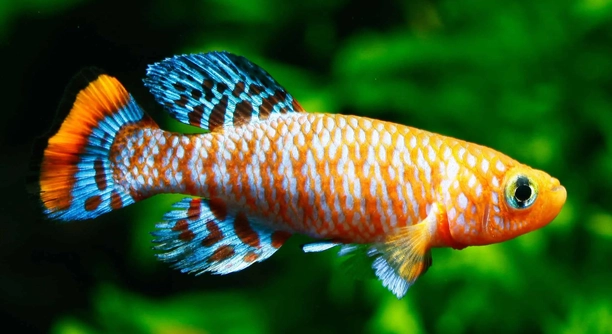
Killi fry are tiny fish that need careful attention during their early growth stages. Watching them develop can be rewarding but sometimes confusing. Knowing the right signs of healthy growth is important for any hobbyist raising these delicate creatures.
The key indicators of proper killi fry growth include consistent size increase, clear and vibrant coloration, and active swimming behavior. Any irregularities in these areas may suggest health or environmental issues requiring prompt adjustment.
Understanding these factors will help you maintain a healthy environment and support your fry’s development successfully. This article will guide you through recognizing the important growth signs clearly and effectively.
Signs of Healthy Growth in Killi Fry
Healthy killi fry show steady and measurable growth each week. Their bodies should become noticeably longer and their fins start developing clearly. Vibrant coloration is another important sign; dull or faded colors may indicate stress or poor water conditions. Active swimming behavior is expected, with fry exploring their environment confidently. They should respond quickly to food and show no signs of lethargy. Watching their movement can also reveal if they have any deformities or difficulties swimming. Consistent feeding and clean water are essential for these indicators to appear. Avoid overcrowding as it can slow growth and cause stress. Keeping a close eye on these signs will help you know if your fry are growing as they should. If you notice anything unusual, adjusting water parameters or feeding routines often helps correct problems before they worsen.
Regularly tracking these growth markers supports better care and healthier fish development.
Proper observation ensures you can detect early problems and maintain ideal conditions for your killi fry to thrive.
Common Problems Affecting Killi Fry Growth
Some common issues can slow or stunt killi fry growth. Poor water quality, such as high ammonia or nitrite levels, is a frequent problem. Overfeeding or underfeeding also affects growth, as fry need a balanced diet for proper development. Inadequate tank temperature or improper lighting can cause stress and inhibit progress. Additionally, overcrowded tanks limit space and oxygen, reducing growth potential. Parasites or diseases can also affect fry health if not addressed quickly. Maintaining clean water and providing the right nutrition helps prevent many of these problems. Regular water testing and careful observation are important to catch issues early. Providing a stable environment with proper care gives the best chance for your killi fry to grow strong and healthy.
Avoiding these common pitfalls will improve your success in raising healthy killi fry.
With consistent attention to water quality, nutrition, and tank conditions, you can ensure your fry develop normally and avoid many growth issues.
Feeding Tips for Killi Fry
Proper feeding is essential for killi fry growth. Small, frequent feedings with suitable food types help meet their nutritional needs without polluting the water.
Killi fry require tiny live or frozen foods such as infusoria, baby brine shrimp, or microworms. These foods are easier for them to digest and provide necessary proteins and nutrients. Feeding should be done two to three times daily in small amounts to avoid overfeeding, which can cause water quality issues. Gradually, as fry grow, you can introduce finely crushed flakes or pellets formulated for fry. Consistency in feeding times and portions supports healthy growth and reduces stress.
Avoid feeding large particles that fry cannot eat, as this leads to uneaten food buildup and deteriorates water conditions. Keep the feeding area clean and remove any excess food to maintain water quality.
Maintaining Optimal Water Conditions
Stable water parameters are critical for killi fry health and growth. Temperature, pH, and cleanliness must be monitored closely.
Killi fry thrive in temperatures between 72 and 78 degrees Fahrenheit. Sudden changes can shock them and slow development. A slightly acidic to neutral pH, around 6.5 to 7.0, is ideal. Frequent water changes help keep ammonia and nitrite levels low, preventing toxic buildup. Use a gentle filtration system to avoid harming the fry while maintaining water circulation. Testing water parameters weekly is necessary to catch any shifts early. Clean tanks with proper aeration promote better oxygen levels, which supports metabolism and growth.
Consistent maintenance of water quality creates a stable environment where killi fry can grow without unnecessary stress or illness. Taking these steps increases survival rates and overall fry vitality.
Monitoring Growth Progress
Regularly measuring your killi fry helps track their development. Use a small ruler or grid background to observe size changes accurately.
Taking notes on their length and behavior each week can reveal growth patterns. Consistent increases indicate healthy development, while stagnation may require adjustments in care.
Signs of Stress in Killi Fry
Stress in killi fry often shows as sluggish swimming, loss of appetite, or hiding excessively. These behaviors signal environmental or health problems that need attention.
Identifying stress early allows for quick action, such as improving water quality or adjusting tank conditions, to protect fry growth and survival.
Tank Setup Essentials
A well-organized tank with plenty of hiding spots encourages healthy growth. Plants, small caves, and gentle water flow reduce stress and create a safe space for fry.
Providing adequate space is important. Overcrowding can stunt growth and increase aggression. Regular cleaning and proper filtration complete the ideal setup.
When to Separate Fry
Separating fry by size can prevent bullying and ensure even growth rates. Larger fry may outcompete smaller ones for food if left together.
Moving fry to different tanks or partitions helps maintain balanced conditions and improves survival chances for all individuals.
FAQ
How often should I feed killi fry?
Killi fry need to be fed small amounts two to three times a day. Frequent feedings with appropriate-sized food help ensure they get enough nutrients without fouling the water. Overfeeding can quickly degrade water quality, so offer only what they can eat within a few minutes and remove any leftovers.
What is the best food for killi fry?
The best food for young killi fry includes live or frozen tiny organisms like infusoria, baby brine shrimp, and microworms. These foods are easily digestible and rich in nutrients essential for early growth. As fry grow, you can gradually introduce finely crushed flakes or pellets designed for fry to diversify their diet.
How do I know if killi fry are healthy?
Healthy killi fry show steady growth, active swimming, and vibrant coloration. They respond quickly to food and explore their environment confidently. Lack of movement, faded colors, or irregular swimming patterns may indicate health or environmental issues needing attention.
What water parameters are ideal for killi fry?
Killi fry thrive in temperatures between 72 and 78°F (22–26°C) and prefer a slightly acidic to neutral pH, roughly 6.5 to 7.0. It’s important to keep ammonia and nitrite levels at zero through regular water changes and gentle filtration. Consistent monitoring ensures a stable, healthy environment.
How often should I change the water?
Partial water changes of 20-30% should be done weekly to maintain water quality. Frequent changes help prevent toxic ammonia or nitrite buildup and keep the environment stable. Avoid large, sudden water changes that can shock the fry.
Why are my killi fry not growing?
Slow or no growth can be caused by poor water quality, inadequate diet, incorrect temperature, or overcrowding. Stress from these factors inhibits development. Checking and correcting these conditions usually helps restore proper growth rates.
Should I separate fry by size?
Yes, separating fry by size can prevent bullying and competition for food. Larger fry tend to dominate smaller ones, which can slow the smaller fry’s growth or cause injuries. Using partitions or different tanks helps maintain balanced growth and reduces stress.
How important is tank setup for fry growth?
A tank with hiding places like plants and small caves reduces stress and protects fry from aggression. Gentle water flow and adequate space also contribute to healthy development. Overcrowding and poor setup can stunt growth and increase mortality.
What are common diseases affecting killi fry?
Common problems include fungal infections, parasites, and bacterial diseases often caused by poor water conditions or stress. Symptoms include lethargy, discoloration, and abnormal swimming. Quarantine and improved water care are important to prevent and treat diseases.
Can I use tap water for my fry tank?
Tap water can be used if treated properly to remove chlorine, chloramines, and heavy metals. Use a water conditioner specifically made for aquariums. It’s also wise to test the water regularly to ensure it meets safe parameters for fry.
How long does it take for killi fry to reach adulthood?
Killi fry generally take around 8 to 12 weeks to mature, depending on species and care. Proper feeding, water conditions, and low stress levels help achieve normal growth rates. Patience and consistent care are key during this period.
What should I do if fry stop eating?
If fry refuse food, check water quality and tank conditions first. Stress, illness, or poor water parameters often cause loss of appetite. Sometimes switching to live food or adjusting feeding times can stimulate eating. Addressing underlying issues usually restores normal behavior.
Is lighting important for fry growth?
Moderate lighting helps maintain natural day-night cycles and supports plant growth if live plants are present. Avoid bright, direct light as it can stress fry. Consistent light periods of about 10 to 12 hours daily work best for most killifish fry.
Can fry survive without filtration?
While small tanks without filtration are possible, it’s not ideal. Filtration helps maintain water quality and oxygen levels, which are critical for fry health. If filtration isn’t used, very frequent water changes and careful monitoring are required to prevent toxic buildup.
What is the best way to acclimate new fry?
Acclimate fry slowly by gradually adjusting them to the new tank water conditions. Float the container or bag in the tank for 15-20 minutes, then slowly add tank water to the container over 30-60 minutes before releasing the fry. This reduces stress and shock from sudden changes.
Final Thoughts
Raising killi fry requires patience, attention, and care. Observing their growth closely helps identify when things are going well and when adjustments are needed. Healthy fry show steady growth, vibrant colors, and active behavior, which means the environment and feeding are appropriate. On the other hand, signs of stress or slow growth indicate that water quality, feeding, or tank conditions may need improvement. Paying attention to these details makes a big difference in the success of raising strong and healthy fry.
Maintaining stable water conditions is one of the most important factors for fry development. Consistent temperature, proper pH levels, and clean water all support good health. Regular water changes and gentle filtration keep the tank safe from harmful substances. Feeding the fry the right food in the right amounts also helps avoid many common problems. Live or frozen foods like baby brine shrimp and infusoria provide essential nutrients, especially in the early weeks. Feeding small amounts multiple times daily prevents overfeeding and water pollution, which can cause illness.
Separation by size and providing hiding spaces reduce stress and protect fry from bullying. Overcrowding slows growth and increases risk of injury or disease. A well-planned tank setup helps fry feel secure and encourages natural behavior. Watching for any changes in behavior or appearance allows early problem detection. With steady care and careful observation, killi fry can grow successfully into healthy adult fish. Understanding and responding to their needs makes the process rewarding and increases the chance of a thriving aquarium.

Hello,
If you enjoy the content that we create, please consider saying a "Thank You!" by leaving a tip.
Every little bit helps us continue crafting quality advice that supports the health, happiness, and well-being of pets around the world, for pets of all shapes, sizes, and species.
We really appreciate the kindness and support that you show us!