
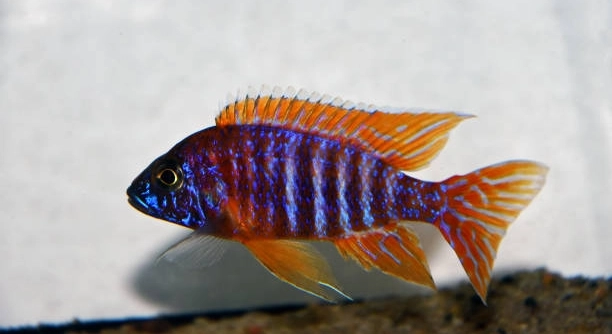
Cichlids are popular freshwater fish, known for their bright colors and interesting behaviors. Breeding them can be exciting, and many hobbyists enjoy watching the adults care for their eggs in the tank environment.
Fertile cichlid eggs can be identified by their clear, round appearance and a visible embryo inside. Infertile eggs often appear cloudy, shriveled, or develop fungus, indicating they will not hatch and require careful observation and removal.
Recognizing the differences between fertile and infertile eggs ensures a healthy breeding process and helps maintain a safe, clean environment for the adult cichlids.
Understanding Cichlid Egg Fertility
When I first started breeding cichlids, I quickly realized that not every egg will develop into a healthy fry. Fertile eggs usually have a translucent or slightly yellow tint and a small, dark spot that signals the embryo forming inside. Observing these tiny signs can make a big difference in how you manage the tank. Infertile eggs, on the other hand, often turn white or cloudy within a day or two. Removing these early prevents fungus from spreading to healthy eggs. Lighting and water quality also affect egg development. Keeping the tank stable, clean, and at the right temperature helps the adults protect the eggs naturally. Watching the parents carefully as they guard and tend to their eggs provides clues about which ones are likely to survive. Patience and attention to detail are key when trying to maximize hatching success in a home aquarium setting.
Fertile eggs stay clear longer, while infertile ones show cloudiness or deformities quickly, making early detection essential.
Proper observation and gentle handling of eggs reduce stress on adult cichlids and improve hatch rates, ensuring the tank stays safe and healthy for all fry.
Common Signs of Infertile Eggs
Infertile cichlid eggs often develop a fuzzy or milky coating, signaling they are unlikely to hatch.
Infertile eggs may turn white, shrink, or get fuzzy within a short time. Removing them promptly prevents fungus or bacteria from spreading. Sometimes adults will naturally eat the infertile eggs, but intervention ensures the rest remain healthy. Even slight discoloration or irregular shapes can indicate a lack of fertilization, and careful monitoring during the first 48 hours is critical. Clean water and stable conditions make it easier to distinguish healthy eggs from infertile ones, as stressed or unstable tanks can cause eggs to appear unhealthy. Observing the parents’ behavior is also useful, since they often separate or remove eggs they sense are infertile. Learning to spot subtle differences between fertile and infertile eggs helps maintain a productive breeding tank and reduces losses. This practice ensures more fry survive and thrive, giving a better chance for the adults’ efforts to succeed and creating a more rewarding experience for anyone keeping cichlids.
How to Handle Fertile and Infertile Eggs
Fertile eggs should be left under the care of the parents, while infertile eggs need to be removed promptly. This helps prevent fungus from spreading and keeps the tank environment safe for the developing fry.
Observing the parents is crucial. Some cichlids will eat infertile eggs, but not all will do this consistently. If you notice cloudy or shriveled eggs, gently remove them using a small net or tweezers. Avoid touching the fertile eggs to prevent stress or damage. Keeping the tank clean and maintaining proper water conditions supports both adult fish and healthy eggs. A stable environment encourages parents to care for the eggs properly and increases the survival rate of the fry.
Separating infertile eggs manually may feel delicate at first, but it quickly becomes routine. Over time, recognizing subtle signs of unhealthy eggs gets easier. Fertile eggs remain clear and slightly yellow, sometimes showing small eye spots. Infertile eggs turn white, cloudy, or grow fuzzy. Handling them carefully prevents stress for the parents and avoids accidental removal of healthy eggs. Consistent monitoring for the first few days after spawning ensures the tank stays safe and clean. This routine helps the breeding process succeed and keeps the environment stable for all the fish.
Environmental Factors Affecting Egg Development
Stable water temperature, clean water, and low stress levels directly impact egg fertility.
Cichlid eggs are sensitive to changes in their environment. Rapid shifts in temperature or water chemistry can cause eggs to die or become infertile. Keeping the tank clean reduces the risk of fungus and bacterial infections. Oxygenation and gentle filtration help maintain healthy conditions, allowing adults to focus on caring for the eggs rather than being stressed. Stressful conditions may also cause parents to abandon eggs or eat them prematurely. Regularly checking water parameters and keeping the tank environment consistent supports both fertile eggs and adult behavior.
Even slight fluctuations in water temperature or pH can affect development. Fertile eggs are more likely to survive in a consistent, well-maintained tank. Frequent water changes, without shocking the adults, help maintain quality. Avoid overcrowding and aggressive tankmates, as they can disturb the parents or damage eggs. Proper lighting, aeration, and filtration contribute to healthier conditions for both adults and fry. Monitoring these environmental factors daily ensures eggs have the best chance of hatching, supporting natural behavior and reducing the risk of infertility. Keeping conditions stable makes breeding a smoother and more predictable process, allowing you to focus on caring for the fish and observing the developing fry without unnecessary stress.
Common Mistakes When Checking Eggs
Removing eggs too quickly can stress the parents and damage fertile eggs. Handling eggs roughly may also reduce hatch rates and cause unnecessary loss of fry.
Relying only on color to judge fertility is risky. Cloudy or white eggs often indicate infertility, but other signs should be considered, including size, shape, and parental behavior.
Using a Magnifying Tool for Better Observation
A magnifying glass or macro lens helps identify tiny details in cichlid eggs. Fertile eggs often show a small dark spot where the embryo forms, while infertile eggs lack this. Using magnification allows for accurate removal of unhealthy eggs without disturbing the fertile ones. Observing closely also helps monitor early development and detect any fungus or deformities that may appear within the first few days. Parents may hide eggs or move them around, so magnification helps track each egg more effectively. With careful monitoring, magnification makes managing the tank simpler and reduces stress on both eggs and adults.
Timing of Egg Removal
Removing infertile eggs within the first 24 to 48 hours prevents fungus spread.
FAQ
How long does it take for cichlid eggs to hatch?
Cichlid eggs usually hatch within three to seven days, depending on the species and water temperature. Warmer water can speed up development, while cooler water may slow it down. During this time, parents will guard and clean the eggs to keep them safe.
Can I hatch cichlid eggs without the parents?
Yes, but it requires careful attention. You need to maintain optimal water temperature, cleanliness, and gentle aeration. Infertile eggs must be removed promptly to prevent fungus. Using a separate container or breeder box can help protect the eggs until they hatch.
How can I tell if eggs are infertile?
Infertile eggs turn cloudy or white quickly and may shrink or grow fuzzy. Fertile eggs remain clear, slightly yellow, and often show a small dark spot where the embryo is forming. Observing parental behavior can also help, as adults may remove or eat infertile eggs.
Should I remove all infertile eggs myself?
Not always. Some cichlids eat infertile eggs naturally, which keeps the tank clean. However, manual removal is safer if parents are inexperienced, stressed, or aggressive. Using a small net or tweezers helps avoid disturbing fertile eggs. Prompt removal reduces the risk of fungus spreading.
Does water quality affect egg survival?
Absolutely. Stable water conditions, including proper pH, temperature, and low nitrate levels, are crucial. Even minor fluctuations can stress adults and affect fertility. Clean water prevents fungus and bacterial growth, increasing the chance of healthy fry. Regular monitoring ensures the environment remains stable.
Can I separate eggs from the parents to observe them?
Yes, but only briefly and carefully. Prolonged separation can stress the eggs and parents. Use a gentle hand or soft tool to move eggs, and make sure the water conditions are identical in the observation container to avoid shock or temperature changes.
How do I prevent fungus on eggs?
Maintain clean water, stable temperature, and low stress. Remove infertile eggs promptly and avoid overcrowding. Some breeders use antifungal treatments, but careful observation and hygiene are usually enough. Good filtration and gentle aeration help reduce risks.
Do all cichlids care for their eggs the same way?
No, parental care varies by species. Some cichlids guard eggs and fry closely, fanning them with fins to provide oxygen, while others may eat infertile eggs immediately. Understanding your species’ behavior is important to know when to intervene and when to let the adults manage the eggs naturally.
When should I intervene if parents are aggressive?
If adults attack each other or the eggs, intervention is necessary. You can move eggs to a separate breeding tank or container. Observing their behavior closely in the first 24 hours helps determine if the eggs need protection from stressed or aggressive parents.
What is the best way to track egg development?
Use a magnifying glass or macro lens to observe details. Note color, shape, and the appearance of embryos. Checking twice a day for changes or fungus ensures early action if needed. Tracking development helps maintain a higher survival rate and reduces stress on the parents.
How many eggs usually hatch successfully?
Hatch rates vary. Fertile eggs have higher chances, but some may fail due to environmental factors, parental stress, or water quality. Removing infertile eggs and maintaining stable conditions can significantly improve the survival rate of the fry.
Can I transfer eggs between tanks?
Yes, but handle them very carefully. Keep water temperature and chemistry consistent to prevent shock. Transfer only when necessary, such as to protect eggs from aggressive parents or poor water conditions. Gentle handling is key to prevent damage.
How often should I check the eggs?
Checking once or twice daily is sufficient. Look for signs of fungus, cloudy eggs, or changes in parental behavior. Avoid excessive handling, as too much disturbance can stress both eggs and adults, potentially reducing hatch rates.
What are signs of healthy fry after hatching?
Healthy fry are active, free-swimming, and have a visible yolk sac at first. They respond to feeding and show normal growth patterns. Sick or weak fry may stay at the bottom or fail to feed properly, indicating environmental or fertility issues.
Is it normal for parents to eat some eggs?
Yes, it is natural behavior. Adults may remove infertile eggs or reduce the number if the clutch is too large. This behavior helps protect the rest of the eggs from fungus or overcrowding and is not always a sign of neglect.
Can temperature fluctuations cause infertility?
Yes, sudden changes in temperature can stress adults and prevent proper fertilization. Consistent water temperature within the recommended range for the species is crucial for egg viability and overall breeding success.
How do I know when eggs are ready to hatch?
Fertile eggs darken slightly, and small eye spots may appear. The embryos inside become visible. Movement may be observed just before hatching. Observing these signs helps predict when fry will emerge and allows preparation for feeding and care.
What should I feed fry after hatching?
Initially, fry can eat infusoria or specialized liquid fry food. After a few days, they can transition to newly hatched brine shrimp or finely crushed flakes. Feeding small amounts multiple times a day ensures proper growth without polluting the water.
Are all infertile eggs obvious right away?
Not always. Some infertile eggs may look healthy initially but fail to develop. Monitoring daily for changes in color, size, or parental attention helps catch problems early and protects healthy eggs from contamination.
How long should I keep monitoring after hatching?
Keep close observation for at least a week after hatching. Fry are still vulnerable to water quality, parental behavior, and disease. Ensuring consistent care and clean conditions during this period supports healthy development and survival.
This FAQ covers common concerns and practical tips for anyone managing cichlid eggs and fry, helping increase survival rates and maintain a healthy tank environment.
Final Thoughts
Breeding cichlids can be both exciting and challenging. Observing eggs and fry closely is an important part of the process. Fertile eggs are clear or slightly yellow, with visible embryo spots, while infertile eggs become cloudy, white, or develop fungus quickly. Identifying these differences early helps prevent problems and ensures a healthier tank environment. Removing infertile eggs promptly protects the remaining eggs and reduces stress for the adult cichlids. Over time, learning to spot these subtle differences becomes easier and more natural, allowing for smoother management and better success with each spawning.
Maintaining stable water conditions is one of the most important factors for egg survival. Temperature, pH, oxygen levels, and cleanliness all directly affect both fertility and hatch rates. Even small fluctuations can cause stress or slow development, so consistent monitoring is key. Using proper filtration, gentle aeration, and regular water checks creates a safer environment for both eggs and adult fish. Parents will perform better when the tank is stable, protecting and caring for their clutch. Observing parental behavior can give additional clues about egg health, as adults often eat infertile eggs or rearrange healthy ones to provide better conditions for hatching.
Patience and attention to detail are essential for successful cichlid breeding. Handling eggs carefully, monitoring environmental factors, and observing parents closely all contribute to better outcomes. While not every egg will survive, taking these steps increases the chances of healthy fry. Each batch provides learning opportunities, and over time, experience makes it easier to maintain a productive tank. Caring for cichlid eggs requires a combination of observation, stability, and gentle intervention. By staying consistent and attentive, you create the best possible conditions for your fish and their offspring to thrive.

Hello,
If you enjoy the content that we create, please consider saying a "Thank You!" by leaving a tip.
Every little bit helps us continue crafting quality advice that supports the health, happiness, and well-being of pets around the world, for pets of all shapes, sizes, and species.
We really appreciate the kindness and support that you show us!