
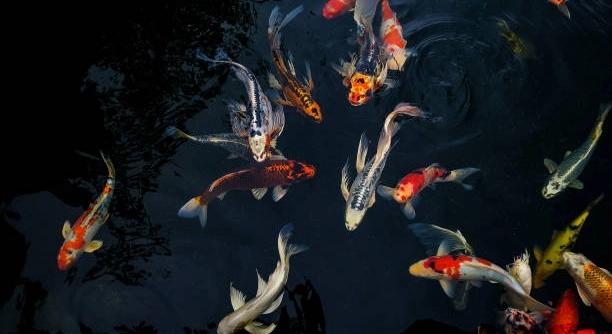
Koi fish are popular pets, admired for their bright colors and graceful movements. Many owners enjoy watching them swim peacefully in ponds or tanks. Knowing how to care for their social needs can improve their well-being.
A koi fish can show signs of loneliness through behaviors such as reduced activity, loss of appetite, or hiding frequently. These fish are social animals that thrive in groups, and isolation can negatively impact their health and behavior.
Learning to recognize these signs will help ensure your koi remains healthy and content in its environment. Proper care can lead to a happier, longer life for your fish.
Recognizing Loneliness in Koi Fish
Koi fish are naturally social creatures. When they feel lonely, their behavior changes noticeably. You might see your koi swimming slowly or resting in one spot for long periods. Sometimes, they stop eating or lose interest in their surroundings. Loneliness can also make koi hide more often, staying away from light or other fish. These signs suggest the fish is not happy and may need companionship. It’s important to observe your koi regularly to spot these behaviors early. Addressing loneliness quickly helps prevent health issues related to stress, like weakened immune systems. Adding another koi or compatible fish can improve their mood. Creating a stimulating environment with plants or decorations can also reduce boredom and loneliness.
Koi thrive best when they have company and a well-maintained habitat. Watching for changes in activity or appetite is key to keeping them healthy.
Providing proper care ensures your koi’s social needs are met, making them more lively and vibrant.
How to Help a Lonely Koi Fish
If your koi shows signs of loneliness, the first step is to introduce other koi or peaceful tank mates. Koi are schooling fish and feel safer in groups, so adding companions can quickly improve their mood. Ensure the pond or tank is large enough to accommodate more fish comfortably. Clean water and good filtration reduce stress, too. You can also enhance their environment by adding plants, rocks, or hiding spots, which encourages natural behavior and curiosity. Feeding them regularly with a balanced diet supports their health, especially when stressed. Avoid sudden changes in water temperature or quality to prevent additional stress. Monitor their behavior after changes to confirm they feel more secure and active. Loneliness is manageable, and with attention, your koi can regain its lively nature and enjoy a better quality of life.
Common Signs of Loneliness in Koi
Lonely koi often appear less active and may avoid interacting with other fish. They might swim alone or hide more than usual. Appetite loss is another key sign, along with duller colors.
These behaviors occur because koi are social animals that rely on group interactions to feel secure. When isolated, they can become stressed, leading to sluggish swimming or staying near the pond bottom. Lack of movement can weaken their muscles over time. You may notice they don’t respond to feeding as eagerly or ignore usual stimuli. These changes suggest their emotional and physical health is affected by loneliness.
Spotting these signs early is crucial. It allows you to take steps before the koi’s condition worsens. Encouraging more social interaction or improving their environment helps reduce these negative effects. Keeping koi in groups supports their natural behavior and well-being.
Environmental Factors That Affect Koi Social Behavior
Koi need enough space to swim freely without feeling crowded. Overcrowding causes stress and aggression, but isolation can lead to loneliness. Maintaining proper water quality is essential because poor conditions can make koi lethargic and less social. Plants, hiding spots, and clean water contribute to a comfortable environment where koi feel safe to explore and interact.
A well-designed pond mimics their natural habitat and promotes healthy social behavior. Regular cleaning and monitoring water parameters prevent harmful buildups that impact their mood and health. Balanced nutrition supports their immune system, helping koi cope better with stress from loneliness or environment changes. Ensuring all these factors creates a stable setting for your koi to thrive socially and physically.
Adding Companions to Your Koi Pond
Introducing other koi or peaceful fish can help a lonely koi feel more secure. Make sure new fish are healthy and compatible to avoid stress or aggression.
Gradually acclimate new companions to the pond to prevent shock. Monitor their interactions closely during the first few days to ensure harmony. A small group helps koi feel safer and more active.
Feeding Tips for a Lonely Koi
Offering a balanced diet supports your koi’s health, especially when they seem stressed or lonely. Feed high-quality pellets supplemented with occasional treats like vegetables or worms to keep them interested and nourished.
Monitoring Your Koi’s Behavior
Keep an eye on changes in swimming patterns, appetite, and color. Early detection of loneliness signs allows prompt action. Consistent observation helps maintain your koi’s well-being and happiness.
FAQ
How can I tell if my koi fish is lonely?
Lonely koi usually show changes in behavior like reduced activity, hiding more, or swimming alone. They may lose interest in food and appear less vibrant in color. These signs occur because koi are social animals that rely on group interaction. Watching your fish closely for these patterns helps identify loneliness early.
Is it okay to keep just one koi fish?
Keeping a single koi isn’t ideal. Koi thrive in groups since they are naturally social. A lone koi can become stressed, which may lead to health problems. Providing at least two or more koi encourages natural behaviors, reducing loneliness and improving their overall well-being.
How many koi should I keep together?
A minimum of three koi is recommended for social balance. This number allows for interaction without overcrowding. However, the pond size matters. Larger ponds can support more koi comfortably. Overcrowding can cause stress and aggression, so always match the number of fish to the pond’s capacity.
What are the best companions for koi fish?
Other koi are the best companions because they share similar needs and behaviors. Some peaceful pond fish like goldfish or certain types of shubunkins can also live well with koi. Avoid aggressive or territorial species that could cause stress or harm.
Can koi fish recognize their owners?
Yes, koi can recognize their owners. They often learn feeding times and may swim to the surface or approach when their owner is near. This behavior shows they are aware and can bond, which indicates their social nature beyond just fish-to-fish interaction.
Will adding decorations help a lonely koi?
Decorations alone won’t replace the need for companionship but can reduce boredom. Plants, rocks, and hiding spots create a stimulating environment. This encourages natural exploration and can lower stress. Still, companionship remains essential for emotional well-being.
How long does it take for koi to adjust to new companions?
Adjustment varies, but koi usually take a few days to two weeks to settle with new fish. Monitor their behavior closely during this period to ensure no signs of aggression or stress. Gradual introduction helps the process go smoothly.
What should I do if my koi fish stops eating?
Loss of appetite can be a sign of loneliness or illness. First, check water quality and temperature, then observe for other symptoms. If loneliness is suspected, try adding companions or enriching the environment. If eating doesn’t improve, consult a vet specialized in fish.
Can loneliness cause illness in koi?
Yes, loneliness can cause stress, which weakens the immune system and makes koi more prone to diseases. Chronic stress from isolation can lead to skin problems, infections, or slower healing. Preventing loneliness is important for maintaining good health.
Are koi fish happy living indoors in tanks?
Koi can live indoors but need a large tank with excellent filtration and space to swim. They still require companions and environmental enrichment to prevent loneliness and boredom. Outdoor ponds are generally better for their social and physical needs.
Koi fish are beautiful and peaceful creatures that can bring a lot of calm to any pond or tank. Taking care of their social needs is just as important as keeping their water clean or feeding them well. These fish are naturally social animals, so they often do best when they have company. When a koi fish is lonely, it shows in its behavior—like swimming slowly, hiding more, or not eating as much. By paying attention to these signs, you can help your koi live a healthier and happier life. Making sure your koi has friends or a well-stimulated environment helps reduce stress and keeps them active.
Creating a comfortable home for koi means more than just filling a pond with water. You need to think about the size of the pond, how many fish it can hold, and the quality of the water. Overcrowding can lead to fighting and stress, while having too few fish can make your koi feel isolated. Adding plants, hiding places, and decorations can make the space more interesting for your fish, but companions remain important for their emotional health. Regular maintenance like cleaning the pond, checking water levels, and feeding balanced food is also necessary to keep your koi thriving. A healthy, well-cared-for environment helps reduce loneliness and supports your koi’s natural behavior.
Taking care of koi is a rewarding experience that requires attention to both their physical and social needs. When your koi are happy and social, they will be more lively and colorful. Remember that loneliness can affect them deeply, so providing companions and a good environment is key. By watching how your koi act and making small changes to improve their world, you can make sure they stay healthy for many years. The time and effort spent understanding your koi’s needs will pay off with beautiful, joyful fish swimming peacefully in your pond.

Hello,
If you enjoy the content that we create, please consider saying a "Thank You!" by leaving a tip.
Every little bit helps us continue crafting quality advice that supports the health, happiness, and well-being of pets around the world, for pets of all shapes, sizes, and species.
We really appreciate the kindness and support that you show us!