
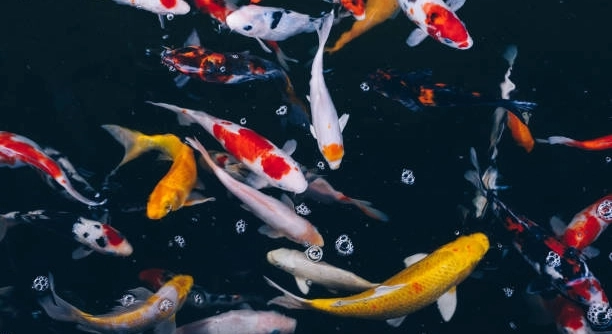
Koi ponds require careful maintenance to keep the water clean and the fish healthy. Adding the right elements to the pond can improve its environment and support the wellbeing of koi fish. Small changes can make a noticeable difference over time.
Improving pond health for koi involves adding components that enhance water quality, support beneficial bacteria, and provide necessary nutrients. These additions help maintain balanced ecosystems, reduce harmful toxins, and create a stable environment that promotes koi growth and longevity.
These seven additions are practical ways to boost your pond’s health. Implementing them will create a better living space for koi and help maintain a balanced aquatic habitat.
Beneficial Bacteria Boost
Adding beneficial bacteria to a koi pond is essential for maintaining water quality. These bacteria break down organic waste, such as fish excrement and decaying plant matter. Without them, harmful toxins like ammonia and nitrites build up quickly, stressing the fish and damaging their health. Beneficial bacteria convert these toxins into less harmful nitrates, which plants can use as nutrients. Regularly introducing bacteria supplements supports this natural cleaning process. This addition helps keep the water clear and reduces the frequency of full pond cleanings, making maintenance easier. Over time, a balanced bacterial population creates a stable environment where koi can thrive. It is important to add bacteria regularly, especially after cleaning or water changes, to maintain effective levels.
These bacteria act as natural filters, supporting a healthier pond ecosystem and improving koi vitality.
Keeping the beneficial bacteria population strong reduces water toxins, encourages healthy fish behavior, and lowers stress levels. It also promotes clearer water, improving the pond’s overall appearance and reducing algae growth by competing for nutrients. Incorporating beneficial bacteria supplements into your maintenance routine is a simple yet highly effective way to protect your koi and maintain pond balance year-round.
Aquatic Plants for Oxygen and Shade
Aquatic plants supply oxygen and offer natural shade in koi ponds.
Plants such as water lilies and hornwort improve oxygen levels, which are vital for fish health. They also reduce sunlight penetration, limiting algae growth and keeping water temperature stable. Plants absorb excess nutrients, preventing imbalances that could harm the pond. Besides benefits to water chemistry, plants create hiding spots and reduce fish stress. When selecting plants, consider species that are non-toxic and suited for your pond size. Regular trimming prevents overgrowth and helps maintain a balanced ecosystem. Adding a variety of plants supports biodiversity, encouraging beneficial insects and microorganisms. This natural approach enhances the pond’s environment without relying on chemicals or heavy filtration systems.
Proper use of aquatic plants supports koi health and improves water quality naturally. With care, plants become an integral part of the pond’s ecosystem, promoting long-term stability and beauty.
Quality Pond Filter
A quality pond filter is essential to keep koi ponds clean. It removes debris and harmful substances, maintaining clear water and a healthy environment.
Filters work by trapping physical debris and supporting beneficial bacteria that break down toxic waste products. Mechanical filtration captures particles like leaves and uneaten food, preventing buildup that clouds the water. Biological filtration converts harmful ammonia and nitrites into less harmful nitrates, which helps reduce stress on the fish. Choosing a filter suitable for the pond size and fish population ensures effective cleaning without overworking the system. Regular cleaning and maintenance of the filter maintain its efficiency and prevent clogging. This keeps water conditions stable, benefiting koi health.
Using a quality filter reduces the need for frequent water changes, saves time on maintenance, and promotes a balanced ecosystem. A well-maintained filter supports koi growth by providing consistent water quality throughout the year.
Aeration Systems
Aeration systems improve oxygen levels in the pond water. They help fish breathe and support beneficial bacteria.
Aerators increase surface water movement, allowing more oxygen to dissolve into the pond. This oxygen is crucial for koi and microorganisms that keep the pond balanced. Without adequate aeration, oxygen levels drop, causing fish stress and increasing the risk of disease. Aeration also prevents water stagnation, which can lead to algae growth and foul odors. Installing devices like air pumps, fountains, or waterfalls creates continuous water movement and improves overall water quality. Properly placed aeration systems enhance the pond environment and reduce the buildup of harmful gases. Maintaining these systems regularly ensures they operate efficiently.
Good aeration stabilizes pond conditions and contributes significantly to koi health and vitality by maintaining oxygen-rich water. It also supports the breakdown of waste and reduces toxic gas accumulation.
Natural Pond Additives
Natural pond additives help balance water chemistry without harsh chemicals. They support beneficial bacteria and improve water clarity.
Using additives like barley straw extract or humic acid can reduce algae growth and enhance fish health. These natural products promote a stable and healthy pond environment.
UV Clarifiers
UV clarifiers use ultraviolet light to control algae and harmful microorganisms. They improve water clarity and reduce green water issues.
These devices kill free-floating algae and pathogens, preventing them from multiplying. UV clarifiers are especially useful in ponds with heavy sunlight exposure or high nutrient levels. Regular maintenance ensures optimal performance and extends their lifespan.
Mineral Supplements
Mineral supplements provide essential trace elements that koi need for growth and immune function. These minerals support overall fish health and vitality.
FAQ
What is the best way to introduce beneficial bacteria to a koi pond?
The best way is to add bacterial supplements according to the manufacturer’s instructions, usually after water changes or cleaning. These bacteria need time to establish, so avoid over-cleaning or adding chemicals that might kill them. Consistent use keeps the pond balanced.
How often should I clean my pond filter?
Filter cleaning depends on pond size and fish load but generally should be done every 2 to 4 weeks. Cleaning prevents clogging and maintains efficiency. Rinse filter media gently with pond water to preserve beneficial bacteria.
Can aquatic plants replace mechanical filtration?
Aquatic plants help improve water quality but do not fully replace mechanical filtration. Plants absorb nutrients and provide oxygen, but filters are needed to trap debris and support bacteria that break down waste.
Is aeration necessary year-round?
Aeration is important all year, especially in warm months when oxygen levels drop. In winter, aeration helps prevent ice cover and keeps oxygen circulating. Proper aeration reduces fish stress and promotes a healthy pond environment.
How do UV clarifiers affect pond life?
UV clarifiers target free-floating algae and microorganisms without harming fish or plants. They improve water clarity and reduce disease risks. Proper installation and maintenance are key for effective use.
Are mineral supplements really needed?
Mineral supplements provide essential elements like calcium and potassium that might be low in tap or rainwater. These minerals support koi growth, immune health, and stress resistance. Use supplements according to water testing results.
Can overuse of pond additives harm koi?
Yes, overusing additives can disrupt the pond’s natural balance and harm fish. Always follow dosing instructions and avoid mixing multiple treatments at once. Regular water testing helps monitor the pond’s condition.
How can I prevent algae growth naturally?
Control algae by maintaining balanced nutrients, adding aquatic plants, using UV clarifiers, and ensuring good aeration and filtration. Avoid overfeeding koi, as excess food raises nutrient levels that feed algae.
What signs show that my pond needs more oxygen?
Signs include fish gasping at the surface, sluggish behavior, and increased algae blooms. Cloudy or smelly water also suggests low oxygen. Installing aeration or increasing water movement can improve oxygen levels quickly.
When should I add plants to my koi pond?
Add plants during spring or early summer when water temperatures rise. This timing helps plants establish before extreme heat or cold. Choose hardy species suited to your pond’s size and sunlight conditions.
Maintaining a healthy koi pond requires attention to several important factors. Adding beneficial bacteria, aquatic plants, quality filters, aeration systems, and natural additives all work together to create a balanced environment. Each element plays a role in keeping water clean, oxygenated, and free from harmful toxins. Regular care and proper management help prevent common problems such as algae overgrowth, poor water quality, and fish stress. By understanding these additions and how they affect the pond ecosystem, it becomes easier to provide a stable habitat for koi to thrive.
Consistency in pond maintenance is key to long-term success. Introducing beneficial bacteria regularly supports natural waste breakdown, while aquatic plants improve oxygen levels and reduce excess nutrients. A well-chosen filter removes debris and supports biological filtration, which helps keep ammonia and nitrites at safe levels. Aeration systems increase dissolved oxygen, supporting both fish and beneficial microorganisms. Natural additives can assist in balancing water chemistry without harmful side effects. Using these components in harmony creates a pond that requires less frequent cleaning and reduces the chance of sudden water quality changes.
Overall, small improvements through thoughtful additions can have a significant impact on koi pond health. It is important to monitor water parameters and adjust care routines as needed. A balanced pond environment supports the wellbeing and growth of koi fish while maintaining clear, clean water. Taking the time to implement these additions encourages a healthier, more enjoyable pond experience. This approach ensures that koi remain vibrant and healthy throughout the seasons.

Hello,
If you enjoy the content that we create, please consider saying a "Thank You!" by leaving a tip.
Every little bit helps us continue crafting quality advice that supports the health, happiness, and well-being of pets around the world, for pets of all shapes, sizes, and species.
We really appreciate the kindness and support that you show us!