
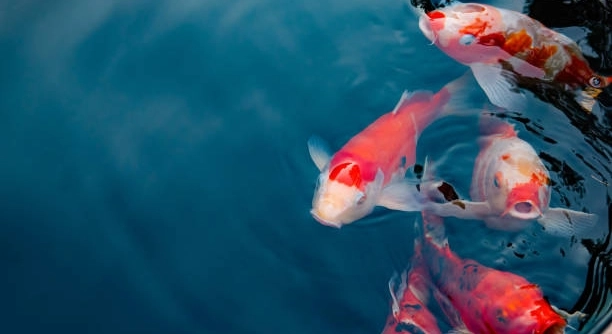
Is your usually active koi fish spending more time at the bottom of the pond, ignoring food and swimming less than usual?
Koi fish can show signs of depression through changes in behavior such as isolation, reduced activity, loss of appetite, and dull coloration. These behaviors often result from poor water quality, lack of stimulation, or health issues.
Learning the subtle signs can help prevent long-term health problems and support your koi’s overall well-being in their environment.
Common Signs Your Koi Fish May Be Depressed
Koi fish usually enjoy swimming actively in groups, exploring their surroundings, and showing interest during feeding times. When a koi becomes depressed, these behaviors change. A depressed koi might isolate itself from the others, lie still near the bottom of the pond, or hide behind plants and rocks. You may also notice it becoming uninterested in food or eating much less than normal. Another sign to look for is a change in color — koi often lose their brightness when something is wrong. Slow, sluggish movements or staying in one spot for hours are also concerning. These changes don’t happen for no reason. Depression in koi fish is often a sign that something is off in their environment. Sometimes it’s a sign of poor water quality, boredom from lack of stimulation, or an illness starting to develop. Observing these signs early can make a big difference in recovery.
The signs may not all appear at once, so it’s important to watch your koi closely over time. A pattern of odd behavior is a key signal.
If one or more signs are consistent for several days, it’s time to look more closely at possible causes. Koi respond to stress in subtle but clear ways.
Why Depression Happens in Koi Fish
Poor water quality is one of the main reasons koi fish become stressed or withdrawn. If the water is too cold, too hot, or has harmful levels of ammonia or nitrites, koi will not feel safe. Overcrowding and a lack of oxygen can also make koi feel overwhelmed and anxious. A pond that doesn’t have enough hiding spots, plants, or open areas can limit stimulation. Koi need both space and variety to stay mentally and physically active. Seasonal changes can also play a role. Koi may become less active in colder weather, which can be mistaken for depression. Illness is another possible reason. Internal infections, parasites, or skin problems can cause koi to isolate themselves or stop eating. Each of these situations makes your koi feel unsafe or unwell. When their basic needs aren’t met, koi show it through changes in behavior. Keeping their environment stable and clean is essential for their emotional health.
How to Help a Depressed Koi Fish
Start by checking the water conditions. Use a reliable test kit to measure ammonia, nitrites, nitrates, pH, and temperature. Fix any imbalances right away. Clean the pond if needed, and make sure filters are working properly to support a healthy and stable environment.
Once the water is balanced, observe how your koi interact with their surroundings. Add plants, rocks, or small hiding areas to make the pond more engaging. Koi enjoy exploring and having shelter when they feel threatened or tired. Avoid overcrowding by following general stocking guidelines—about 250 gallons per adult koi. Make sure your koi have enough space to swim freely. Include aeration systems to keep the oxygen levels high. A well-maintained environment gives koi the comfort and safety they need to return to normal behavior over time. It’s often small changes that make a big difference in their daily mood and energy.
Feeding also plays a role. Use high-quality koi food and offer it in small amounts, once or twice a day. Stick to a routine so your koi know when to expect food. You can also try hand-feeding to build trust and spark interest again. If your koi starts eating again, even a little, it’s a good sign of recovery. Avoid overfeeding, which can lower water quality and stress the fish. Watch their behavior closely during feeding times to see if they’re more responsive. If things don’t improve after water adjustments and environmental changes, consider speaking with a vet who has experience with fish health. Sometimes an internal illness needs treatment that home care can’t provide.
When to Be Concerned About Long-Term Symptoms
If your koi has been showing signs of depression for more than a week, despite changes to their environment, it may be time to consider a deeper health issue. Long-term symptoms usually need more attention.
Persistent signs like complete loss of appetite, sitting at the bottom for most of the day, or faded colors can be linked to illness. Bacterial or parasitic infections often show few symptoms at first, but they can worsen quickly. If you’ve already tested and fixed water quality, added enrichment, and given your koi time to adjust, the next step is a health check. You might notice other small clues like clamped fins, flicking against objects, or sores on the body. These signs may mean there’s an infection or irritation causing discomfort. At this stage, contacting a vet is important. They can run tests and suggest treatments such as medicated food or pond-safe antibiotics tailored for koi fish.
Tips for Keeping Koi Emotionally Healthy
Keep a consistent routine with feeding, cleaning, and water checks. Koi feel more secure when their environment stays steady. Avoid sudden changes in water temperature, lighting, or the addition of new fish without proper introduction.
Add variety to their space with plants, tunnels, or floating toys. Koi enjoy exploring new things and need mental stimulation. Simple changes in their pond setup can keep them more active and curious each day.
How Seasons Can Affect Mood and Behavior
Koi naturally become less active during colder months, especially when the water drops below 50°F (10°C). Their metabolism slows, and they often eat less or not at all. This is normal and doesn’t always mean they’re depressed. In warmer months, koi tend to swim more and eat regularly. However, very hot weather can also stress them out if oxygen levels drop. Seasonal shifts affect water conditions too, so regular testing helps you adjust care as needed. Always watch how your koi respond to temperature changes. Knowing what’s normal for each season helps you tell the difference between natural rest and real emotional stress.
Signs of Recovery to Watch For
A healthy appetite, more active swimming, and brighter colors are all signs your koi is improving. If they start interacting again and showing interest in food, they’re likely feeling better. Keep routines steady to help them stay on track.
FAQ
Can koi fish actually get depressed?
Yes, koi fish can experience depression-like symptoms. While they don’t feel emotions exactly the way humans do, they react to stress, poor water quality, and changes in their surroundings with noticeable behavior shifts. These include loss of appetite, hiding, isolation, and sluggish movement. These signs show emotional and physical distress, which can resemble depression.
How long does koi depression usually last?
It depends on the cause and how quickly it’s addressed. If the issue is poor water quality, koi may improve within a few days after conditions are fixed. If the depression is due to illness or deeper environmental problems, it can last weeks or longer. Early action helps shorten recovery time.
What are the first signs I should look for?
The first signs include a sudden lack of interest in food, slow swimming, staying at the bottom of the pond, or hiding more often. You might also see color fading or clamped fins. These subtle changes often show up before more serious symptoms. Pay attention to behavior shifts over several days.
Can koi fish become lonely?
Yes, koi are social and prefer living with others. A single koi or one kept in a pond with very few fish may become less active or isolated. Social interaction with other koi helps keep them stimulated. However, overcrowding can cause stress, so balance is key.
Does hand-feeding help with depression?
Hand-feeding can help if your koi are used to it. It builds trust and creates a positive interaction. If your koi have stopped eating, gently trying to feed them by hand might encourage them to start again. Don’t force it, though—give them time and space if they’re not ready.
What kind of toys or enrichment do koi enjoy?
Koi don’t play like dogs or cats, but they enjoy variety. You can float soft pond-safe balls or hoops in the water. Add plants, tunnels, and rocks to make the pond more engaging. They like exploring new things, and a changing environment can keep them active and alert.
Can lighting affect their mood?
Yes, it can. Koi benefit from a regular day-night cycle. Too much artificial light or inconsistent lighting can disrupt their sense of routine. Soft, natural light during the day and darkness at night is ideal. Avoid sudden changes that can confuse or stress them.
Should I quarantine a depressed koi?
Only if you suspect illness or if the koi has visible wounds, fungus, or is being picked on by others. Quarantine helps reduce stress and gives you time to observe them closely. But if they’re simply withdrawn or sluggish, focus first on fixing water quality and improving their environment.
Can koi depression be prevented?
Yes. Keep water clean and stable, test it often, and avoid sudden changes. Provide enough space, shelter, and enrichment. Feed high-quality food on a schedule and avoid overstocking the pond. Watching your koi daily helps catch small problems before they grow.
When should I see a vet?
If your koi shows no improvement after fixing water conditions, enriching the environment, and adjusting feeding, it’s time to contact a vet. Also, go to a vet if you see sores, swelling, parasites, or clamped fins. Long-term inactivity or complete refusal to eat can signal deeper health issues.
Can weather changes cause koi to act depressed?
Yes. Sudden drops in temperature or storms can affect koi behavior. They may hide more or slow down during these shifts. As long as it doesn’t last more than a few days and they continue eating, it’s usually not a concern. Keep an eye on patterns that last longer.
Is color fading always linked to depression?
Not always. Color changes can happen from poor diet, aging, genetics, or sun exposure. But if fading happens alongside behavior changes like hiding or not eating, it might be linked to stress or illness. Watch for other symptoms to better understand what’s happening.
What’s the ideal pond setup to keep koi emotionally healthy?
A good pond setup includes clean water with stable temperature, proper filtration, and regular testing. Include plants, hiding spots, and plenty of swimming space. Avoid loud noises or sudden changes. Aeration and proper lighting also help. Koi thrive in calm, well-balanced environments where they feel safe.
Final Thoughts
Taking care of koi fish goes beyond feeding them and keeping the pond clean. Their behavior can tell you a lot about how they’re feeling. If your koi seem less active, start watching closely. Depression in koi may not look dramatic, but it shows up through small, steady changes. Things like staying still for long periods, avoiding other fish, or not eating can all be signs something is wrong. These changes are not always easy to notice right away, which is why paying attention daily is so important. When you notice unusual behavior early, it’s easier to fix the problem before it gets worse.
Many things can affect a koi’s mood—water quality, lack of space, cold weather, or even boredom. You don’t need to make big changes all at once. Start with small steps like testing the water, checking the temperature, and seeing how your koi interact with each other. Adding some plants, hiding spots, or even a few pond-safe toys can help make their space more engaging. Keep feeding consistent, and try not to stress the fish with sudden changes in lighting or new additions to the pond. When the environment is balanced, koi are more likely to be active, social, and healthy.
Understanding koi behavior takes time, and not every quiet moment means something is wrong. But when those quiet moments become regular, it’s worth taking a closer look. If your efforts to improve the pond don’t help, it’s okay to reach out to a vet who understands fish. Sometimes, what looks like depression could be a sign of illness that needs treatment. Koi are strong, but like all animals, they rely on us to give them what they need to stay well. With regular care, a stable environment, and attention to changes in behavior, your koi can live a peaceful and active life. Watching them thrive in a well-maintained pond can be one of the most rewarding parts of keeping koi.

Hello,
If you enjoy the content that we create, please consider saying a "Thank You!" by leaving a tip.
Every little bit helps us continue crafting quality advice that supports the health, happiness, and well-being of pets around the world, for pets of all shapes, sizes, and species.
We really appreciate the kindness and support that you show us!