
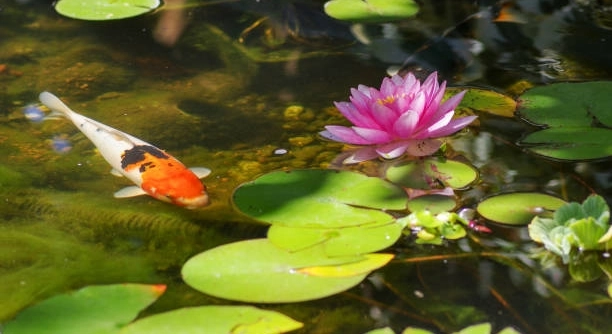
Koi fish are popular ornamental pets known for their bright colors and graceful movements. Many koi owners observe their fish daily and often notice moments when the fish seem still or less active. Understanding how koi rest can improve care and appreciation for these beautiful creatures.
Koi fish do rest, but they do not sleep like humans. Their resting behavior involves periods of reduced activity and minimal movement, often near the bottom or in shaded areas. This rest is essential for conserving energy and maintaining health.
Knowing about koi resting habits helps owners provide a suitable environment and ensures the fish stay healthy and stress-free in their habitats. This knowledge supports better care and enhances the bond between koi and their keepers.
How Do Koi Fish Rest?
Koi fish do not have eyelids, so they do not close their eyes to sleep like humans. Instead, their rest looks like stillness or slow, gentle movement. During resting periods, koi often hover near the pond’s bottom or find quiet, shaded spots. This helps them conserve energy and avoid predators. Rest is important for koi to maintain their immune system and overall health. When koi rest, their metabolism slows down, and they become less responsive to external stimuli. This state allows their bodies to repair and recharge. The duration of rest can vary based on water temperature, light levels, and other environmental factors. Warmer water often means more active koi, while cooler water encourages longer rest periods. Watching koi during these quiet moments reveals a peaceful side of their behavior, different from their usual lively swimming.
Koi resting behavior is subtle but crucial for their wellbeing and longevity.
Recognizing these signs of rest helps koi keepers provide proper care. Offering shaded areas and stable water conditions encourages healthy resting habits. Avoiding sudden changes in the environment minimizes stress, which can interrupt rest and impact koi health. Some koi may prefer resting alone, while others gather in small groups. Providing enough space and clean water supports restful behavior. Feeding koi at regular times also helps regulate their activity and rest cycles. Monitoring their rest patterns offers insight into their health status and overall comfort in the pond. Informed care ensures koi live a longer, healthier life with consistent resting habits.
Signs That Koi Fish Are Resting
When koi are resting, their movements become slow and minimal, often floating calmly near the pond’s bottom or a shaded area. They remain mostly motionless but still breathe quietly.
Resting koi may show reduced response to sudden noises or movements around the pond, signaling a low activity state. This behavior is normal and necessary for their health. Avoid disturbing koi during these times to maintain their stress-free environment. Proper rest contributes to their energy balance and immune strength, which helps them resist disease. Noticing these signs early helps identify if koi are healthy or if something might be disrupting their natural rest. Providing a peaceful pond environment supports these natural resting habits and ensures koi thrive in captivity.
How Long Do Koi Fish Rest?
Koi rest varies depending on factors like water temperature and light exposure. Typically, they rest more during cooler, darker periods and less during warm, bright times. Their rest can last from a few minutes to several hours daily.
The resting duration is influenced by seasonal changes. In colder months, koi tend to rest longer because their metabolism slows down. During warmer seasons, koi are more active and rest less frequently but still need regular breaks. Light levels also affect rest cycles; koi rest more during the night or in shaded parts of the pond. Consistent water quality and a calm environment encourage healthy rest periods, helping koi maintain balance and energy.
Monitoring koi rest over time helps understand their normal patterns and detect any irregularities. If koi are inactive for unusually long periods during warm weather, it may indicate illness or stress. Keeping track of resting habits can assist in early detection of health issues and improve overall care.
Factors That Affect Koi Resting Behavior
Water quality plays a major role in koi resting behavior. Poor water conditions cause stress, which disrupts normal rest and activity patterns. Maintaining clean, well-oxygenated water supports restful periods.
Other environmental factors include noise, sudden movements, and pond overcrowding. Koi may avoid resting if they feel threatened or uncomfortable. Providing hiding spots and quiet zones helps koi relax and rest properly. Feeding schedules also influence rest; regular feeding times help koi develop predictable activity and rest cycles. Unstable temperature or chemical imbalances can disturb their rest, leading to health problems over time. Consistent care and a stable environment promote healthy resting behavior and long-term koi wellbeing.
Do Koi Fish Have a Sleep Cycle?
Koi fish do not have a traditional sleep cycle like mammals. Instead, they enter periods of rest where their activity and metabolism slow down. These rest phases help them conserve energy without full unconsciousness.
Their rest is influenced by light and temperature changes, creating a loose rhythm. They become less active during nighttime or in darker conditions, which resembles a sleep-wake pattern but lacks deep sleep stages.
Where Do Koi Prefer to Rest?
Koi often rest near the pond bottom or under plants and shaded areas. These locations offer safety and calm, reducing stress and allowing for better rest.
Providing quiet, sheltered spots in the pond supports their natural resting behavior and overall health.
Can Koi Rest Too Much?
Excessive inactivity in koi may signal health problems or poor water conditions. Normal rest should not last all day or cause koi to ignore food.
If koi are consistently lethargic, testing water quality and checking for illness is necessary to address underlying issues.
FAQ
Do koi fish really sleep like humans?
Koi fish do not sleep like humans because they lack eyelids and do not enter deep sleep stages. Instead, they rest by slowing their movements and metabolism, remaining alert but inactive. This resting state allows koi to conserve energy without becoming fully unconscious.
How can I tell if my koi is resting or sick?
Resting koi will be mostly still but responsive to sudden movements or changes in their environment. Sick koi often show prolonged inactivity, loss of appetite, unusual swimming patterns, or physical signs like discoloration or sores. Monitoring behavior and water quality can help distinguish rest from illness.
Do koi need a dark environment to rest properly?
Koi do better with natural light cycles, which help regulate their resting periods. Darkness or shaded areas encourage rest by mimicking night conditions. Constant bright light or no shading can disrupt their natural rhythm and stress the fish, reducing quality of rest.
How long do koi typically rest each day?
Koi rest duration varies with season and water temperature. In cooler months, they rest longer, sometimes up to several hours. Warmer temperatures usually mean shorter rest periods. On average, koi rest intermittently throughout the day, especially during night or low-light conditions.
Can koi rest in groups or do they prefer solitude?
Koi can rest both alone and in small groups. Group resting offers safety in numbers and reduces stress. However, some koi may prefer quiet, less crowded areas to rest undisturbed. Providing varied resting spots supports different preferences among koi.
Does feeding time affect koi resting behavior?
Yes, koi tend to be more active around feeding times. Regular feeding schedules help establish predictable activity and rest cycles. Feeding late in the day may reduce evening rest, so it’s better to feed koi earlier to allow natural resting periods at night.
What environmental factors disrupt koi rest?
Poor water quality, sudden loud noises, frequent disturbances, overcrowding, and unstable temperatures can all disrupt koi rest. These stressors increase activity or cause hiding, preventing proper rest. Maintaining stable, clean water and minimizing disturbances promotes healthy resting behavior.
Is it normal for koi to rest at the pond bottom?
Yes, koi resting near the pond bottom is normal behavior. It offers protection and a calm environment. Resting on the bottom does not necessarily indicate illness unless accompanied by other symptoms like erratic swimming or lethargy.
Should I change the pond setup to encourage koi rest?
Adding shaded areas, plants, and quiet zones in the pond can encourage koi to rest comfortably. Creating hiding spots and maintaining stable water conditions reduce stress and help koi feel safe enough to rest regularly.
How does water temperature impact koi rest?
Water temperature significantly affects koi metabolism and rest. Cooler water slows metabolism, increasing rest duration. Warmer water speeds up activity and shortens rest periods. Sudden temperature changes can stress koi and disrupt normal resting patterns.
Can koi get enough rest in a small pond?
Koi can rest in small ponds if the environment is calm, clean, and offers hiding spots. Overcrowding or poor conditions limit rest quality. Ensuring sufficient space and good water quality is key for koi to rest properly in any pond size.
What should I do if koi are not resting enough?
Evaluate water quality, temperature, and pond environment. Reduce stressors like noise or overcrowding. Add shaded areas and plants to create peaceful resting spots. Adjust feeding schedules to avoid activity disruptions during rest times. Consult a veterinarian if koi show signs of illness.
Is koi resting affected by pond lighting?
Yes, artificial lighting can disrupt koi rest by extending daylight hours. It is best to use natural light cycles or limit artificial light to mimic dawn and dusk, allowing koi to maintain healthy rest rhythms.
Do koi rest during the day or night?
Koi can rest during both day and night but are generally more restful during low-light periods. They adapt their resting behavior based on environmental conditions, balancing activity with energy conservation throughout the 24-hour cycle.
Can koi rest cause problems if pond conditions are poor?
Yes, poor pond conditions can prevent koi from resting properly, leading to stress and weakened immune systems. This increases susceptibility to disease and shortens lifespan. Good pond management supports healthy rest and overall koi wellbeing.
How do I know if koi rest habits are healthy?
Healthy koi rest regularly with periods of low activity but remain responsive and eat well. Sudden changes in resting behavior, prolonged inactivity, or erratic swimming indicate potential problems requiring attention to water quality or health checks.
Final Thoughts
Koi fish do rest, but their rest is different from human sleep. They enter quiet periods where their activity slows down and their metabolism decreases. This resting behavior helps them conserve energy and stay healthy. Unlike humans, koi do not have eyelids and do not experience deep sleep cycles. Instead, they stay alert to their environment even while resting. This means their rest is more about slowing down than fully shutting off.
The environment plays a large role in how well koi rest. Clean water, proper temperature, and natural light cycles are essential. Koi tend to rest more during cooler temperatures and darker periods, such as nighttime or shaded areas in the pond. Stress from poor water quality, overcrowding, or constant disturbance can interfere with their resting behavior. Providing quiet, shaded spaces and stable conditions supports koi rest and helps prevent health problems.
Observing koi resting patterns is important for their care. Normal rest should be balanced with regular activity and feeding. If koi are inactive for long periods during warm times or refuse food, it may indicate illness or stress. Monitoring water quality and fish behavior helps catch issues early. Ensuring koi have the right environment to rest properly contributes to their long-term health and wellbeing. Proper care supports koi in thriving and maintaining natural rhythms.

Hello,
If you enjoy the content that we create, please consider saying a "Thank You!" by leaving a tip.
Every little bit helps us continue crafting quality advice that supports the health, happiness, and well-being of pets around the world, for pets of all shapes, sizes, and species.
We really appreciate the kindness and support that you show us!