
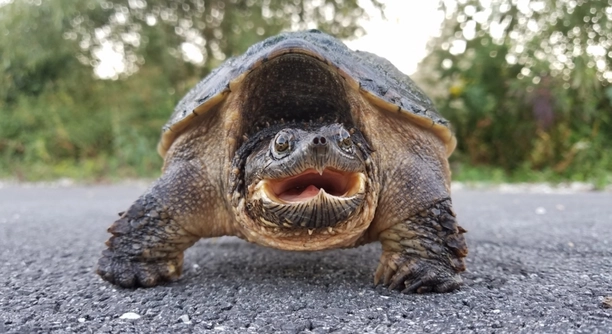
A common snapping turtle is a fascinating creature that can be found in many freshwater habitats. Knowing how to tell if they feel safe can help ensure their well-being and survival in the wild.
A common snapping turtle feels safe in its habitat when it remains calm, keeps its head tucked, and doesn’t try to escape. These behaviors signal that the turtle is comfortable with its surroundings and is not under threat.
By observing their actions closely, you can better understand the signs of a snapping turtle’s comfort level. Knowing how to identify these signs helps protect them in their natural environment.
How to Recognize a Safe Habitat for a Snapping Turtle
Snapping turtles are sensitive to their environment. When they feel safe, they will spend more time foraging and basking in the sun. An area with plenty of shallow water, vegetation, and soft mud is ideal for these creatures. A snapping turtle will often stay in places with good visibility, avoiding dense areas where predators could hide. If the area feels secure, the turtle will relax and act naturally. This includes behaviors like slowly moving around or staying still in the water, which are signs of a calm and safe environment. These areas also tend to have little human activity, so the turtle isn’t disturbed.
A healthy habitat for a snapping turtle should offer both water and land spaces for comfort. They require both for proper basking, foraging, and resting.
The water must not only be deep enough for diving but also clean. If the water is murky or polluted, the turtle may feel unsafe or stressed. Clean water allows for easier navigation and access to food sources, like fish and aquatic plants. Snapping turtles will spend more time in areas where they feel safe and undisturbed, especially during the warmer months. The more comfortable they are with their environment, the more active they will be. This includes using soft mud or sand to bury themselves, which can be a key sign of safety.
Signs of Stress or Danger
Signs of stress in snapping turtles are easy to spot. They may retreat into the water quickly or display aggressive behavior.
When a snapping turtle feels threatened, it might try to escape or become defensive. They will hiss loudly, open their jaws wide, and display their sharp beak as a warning. If you see this behavior, it’s important to give the turtle space. These actions often occur when the turtle feels cornered or is disturbed. Over time, a snapping turtle that feels unsafe might become more reclusive, avoiding open spaces or basking areas. Avoiding these stressors can help keep the turtle healthy. By protecting their space, you contribute to their sense of safety and security.
What Makes a Snapping Turtle Feel Safe in Its Habitat?
Snapping turtles prefer habitats with shallow water and soft bottoms, like mud or sand. They often stay in areas that have a mix of vegetation for cover and open spaces for basking.
A calm environment is key to a snapping turtle’s safety. Areas with little disturbance from humans or predators allow the turtle to move about freely. They are naturally cautious creatures and will avoid areas where they feel exposed or at risk. As such, they thrive in quiet, stable environments with plenty of room to roam and hide. The balance between cover and openness is vital for their comfort.
They also need access to both water and land to feel secure. A safe habitat has clean water, where they can easily find food and hide. The land offers a place for them to bask and warm up. If they feel safe, snapping turtles will act more naturally—moving around, foraging, or even resting in the sun. Inadequate access to these resources can cause stress and disrupt their behavior.
What Happens When a Snapping Turtle Feels Threatened?
When a snapping turtle feels threatened, it may react aggressively or try to escape. This behavior is triggered by the perception of danger.
They may lunge or hiss loudly, making it clear they feel cornered or uncomfortable. If they feel there is no escape, they may even strike with their powerful jaws. This is a defense mechanism that helps protect them from potential threats. These behaviors are more likely to occur when the turtle feels trapped or when human interference happens too often. The more threats they face, the more likely they are to retreat into water or seek shelter in mud. It’s important to avoid disturbing them to reduce stress.
The presence of predators is another factor that causes snapping turtles to feel unsafe. Larger animals, like foxes or birds of prey, can pose a threat. If they sense danger, snapping turtles will quickly retreat to deeper water. Predation threats are a major reason snapping turtles may avoid certain areas. In an environment where they feel secure, these predators are less likely to be present, and the turtle can go about its routine without fear.
The Role of Water Quality in Snapping Turtle Safety
Clean, clear water is crucial for a snapping turtle’s safety. Polluted or murky water can stress them out, making it harder for them to find food or navigate comfortably.
Water quality directly impacts the turtle’s ability to thrive. When the water is polluted, snapping turtles may avoid areas where they once felt safe. They need clean water to hunt for food, stay hydrated, and find suitable shelter. Poor water quality leads to stress, which can affect their overall health and behavior. Clean water is essential to maintaining a safe and secure environment for snapping turtles.
How Temperature Affects Snapping Turtle Comfort
Temperature plays a huge role in a snapping turtle’s well-being. Too cold or too hot can make them feel unsafe and lead to health problems.
Snapping turtles are ectothermic, meaning they rely on the environment to regulate their body temperature. If the water is too cold, they may become sluggish, and if it’s too hot, they can become stressed and seek cooler areas. A comfortable temperature range allows them to move freely, bask, and stay active. If temperatures are too extreme, they may retreat into deeper, cooler water, leaving their safe habitat. Maintaining stable, moderate temperatures helps create a more comfortable environment for them.
How Human Interaction Affects Snapping Turtles
Human activity can cause stress to snapping turtles. Prolonged disturbance may make them more defensive or cause them to leave their habitat.
Humans can unknowingly trigger a defensive reaction in snapping turtles, especially if they approach too closely. Repeated interactions may lead to a stressed turtle, which can cause it to hide or become more aggressive. Snapping turtles are naturally wary of human presence, and when disturbed, they often retreat quickly. To keep them comfortable, it’s best to respect their space and avoid frequent disruptions. Providing them with a peaceful environment helps maintain their safety and security.
FAQ
How can I tell if a snapping turtle is stressed?
A stressed snapping turtle will show signs of discomfort such as excessive hiding, aggressive behavior, or retreating into the water when approached. They may also hiss or attempt to bite when they feel threatened. If a turtle becomes defensive or avoids basking, it’s likely feeling stressed due to a change in its environment. Stress can also make the turtle less active, so if you notice a decrease in movement or eating, it may be a sign that the turtle is not feeling safe.
What should I do if I encounter a snapping turtle in the wild?
If you come across a snapping turtle, give it plenty of space. These turtles are known for their defensive nature, especially when they feel cornered. Do not attempt to touch or move the turtle unless it’s in immediate danger. If it’s crossing a road or in a hazardous area, carefully move it using a large object like a stick to push the turtle along, always keeping your distance. Avoid startling it, and allow it to move at its own pace.
Do snapping turtles prefer shallow or deep water?
Snapping turtles generally prefer shallow water, especially areas with soft, muddy bottoms where they can easily find food. They spend much of their time in shallow water hunting for fish, insects, and plants. However, they do need deeper water to dive into when they feel threatened or when they need to rest away from the shore. A balance of both shallow and deeper water is ideal for their safety and comfort.
Are snapping turtles territorial?
Yes, snapping turtles can be territorial, especially in areas with limited resources like food and basking spots. Males are particularly territorial during the breeding season. They may become more aggressive if another turtle enters their area. While they may not defend a specific spot year-round, they will protect their territory during mating seasons and when they feel their space is being invaded.
What should I do if a snapping turtle appears to be injured?
If you find a snapping turtle that appears injured, contact a local wildlife rehabilitation center or a veterinarian who specializes in reptiles. Do not attempt to care for the turtle yourself unless you are properly trained. Handling an injured snapping turtle can be dangerous due to their powerful jaws, and they may become more stressed by human intervention. Ensure that the turtle is kept in a safe, quiet area away from other animals until professional help arrives.
How do snapping turtles hunt for food?
Snapping turtles are opportunistic hunters and will eat whatever they can find in their environment. They often hunt for fish, amphibians, crustaceans, and small mammals. Snapping turtles use a slow, stealthy approach to capture their prey. They may hide in the mud or vegetation, waiting for food to swim by before striking quickly. They also scavenge dead animals when food is scarce. Their strong jaws make them capable of catching and eating a wide range of animals.
Can snapping turtles live in both freshwater and saltwater?
No, snapping turtles are freshwater animals and need clean freshwater habitats to survive. They are not suited for saltwater environments due to their inability to regulate salt levels in their bodies. Snapping turtles are most commonly found in ponds, lakes, rivers, and marshes. Exposure to saltwater can be harmful to them, so it’s important to keep them in freshwater environments for their health and safety.
How can I keep a snapping turtle in a safe enclosure?
If you are keeping a snapping turtle in an enclosure, make sure it has both land and water areas. The water should be clean and deep enough for the turtle to dive, while the land area should provide a place to bask and warm up. Make sure the enclosure is large enough for the turtle to move around freely, as snapping turtles need space to feel secure. You should also provide places for them to hide, such as rocks or plants, to help them feel safe. Regular cleaning of the water and monitoring the temperature will also ensure the turtle’s safety.
Are snapping turtles dangerous to humans?
While snapping turtles are not typically aggressive toward humans, they can be dangerous if they feel threatened. They have strong jaws capable of inflicting serious bites, and they may strike quickly if provoked. It’s best to avoid getting too close to a snapping turtle, especially in the wild. If you must move one, always use a long object like a stick to gently push it, keeping a safe distance from its jaws.
How long can a snapping turtle live?
Snapping turtles are long-lived creatures, with some individuals living 30 to 50 years or more in the wild. Their lifespan is influenced by factors like habitat quality, food availability, and predation risks. In captivity, snapping turtles may live slightly longer with proper care, but their lifespan is still limited by the environment they are kept in. Providing a safe, clean habitat with proper food and care is essential for extending their lifespan.
Do snapping turtles hibernate?
Yes, snapping turtles hibernate during the colder months, typically from November to March. During this time, they become inactive and bury themselves in the mud or debris at the bottom of ponds or lakes. Their metabolism slows down, allowing them to survive without food for extended periods. They do not hibernate in the traditional sense of a true hibernation but enter a state of dormancy where their body functions are significantly reduced. When temperatures rise, snapping turtles will emerge from their hibernation and become active again.
Final Thoughts
Understanding the behavior of snapping turtles and what makes them feel safe in their habitat is crucial for both their well-being and their survival. These turtles are sensitive creatures that rely on their environment to thrive. They need clean water, access to both land and water, and a peaceful area free from disturbances. When these needs are met, they are more likely to act naturally and stay healthy. Observing how they interact with their surroundings can help you better understand when they feel safe or stressed. Being mindful of these behaviors can also ensure that you are not unintentionally causing them harm.
It’s important to respect snapping turtles’ space in the wild. They are not aggressive by nature but will defend themselves when they feel threatened. Disturbing them or trying to interact with them too closely can lead to stress and defensive behaviors. If you come across a snapping turtle, keep a safe distance and avoid handling it unless absolutely necessary. If you must move one out of harm’s way, do so carefully and gently, using a long object like a stick to avoid putting yourself in danger. Respecting their space ensures they remain comfortable in their habitat and reduces the chance of causing them unnecessary stress.
Lastly, providing a safe environment for snapping turtles—whether in the wild or in captivity—is vital. If you have a pet snapping turtle, ensuring it has a large enough tank with both land and water spaces, along with clean water and appropriate temperatures, will keep it happy and healthy. In the wild, making sure they have access to a variety of resources like food, shelter, and safe basking spots can make all the difference in their comfort. By understanding what makes them feel secure and respecting their space, you help these fascinating creatures live a healthier, more natural life.

Hello,
If you enjoy the content that we create, please consider saying a "Thank You!" by leaving a tip.
Every little bit helps us continue crafting quality advice that supports the health, happiness, and well-being of pets around the world, for pets of all shapes, sizes, and species.
We really appreciate the kindness and support that you show us!