
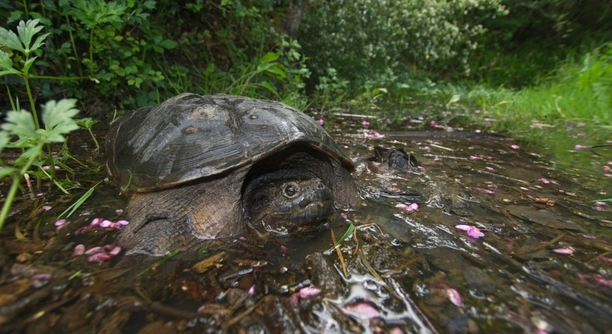
Common snapping turtles are fascinating creatures, but like any animal, they can get sick. Knowing how to help them recover is essential for their well-being. In this article, we will explore effective ways to care for a sick snapping turtle.
When caring for a sick common snapping turtle, the first step is to ensure its environment is appropriate. Proper water temperature, adequate space, and a clean habitat are vital. In addition, providing nutritious food and medical care when needed can greatly support recovery.
Taking care of a snapping turtle during illness requires attention and patience. Proper care can make a significant difference in their recovery process.
Provide a Proper Habitat
When a snapping turtle is sick, its environment plays a huge role in recovery. Make sure the water is clean, with no dirt or debris that could worsen the turtle’s condition. The water temperature should be warm, ideally around 75-80°F, to help boost their immune system. A shallow water area allows them to rest but still stay hydrated. If the habitat is too small or too cold, recovery can be slow or even impossible.
Providing a quiet and stress-free environment will help the turtle heal faster. Keep other animals away, and avoid loud noises.
Good lighting and a safe space where the turtle can bask in the warmth of the sun are equally important. This helps the turtle regulate its body temperature and dry off if needed. Be sure to clean the enclosure regularly to avoid harmful bacteria or fungi from growing.
Feeding and Hydration
Proper feeding is another key to helping a sick turtle recover.
A sick turtle may not feel like eating, but it’s crucial to offer food that’s easy to digest. Fresh, high-quality vegetables and protein are essential. Offer foods like leafy greens, fish, or worms, as these will provide the necessary nutrients. Keep food portions small so the turtle doesn’t feel overwhelmed.
Feeding a sick turtle requires patience. Sometimes, it may take a few days for them to start eating. You may even need to hand-feed or offer food at different times of the day. The goal is to get them eating enough to support their recovery.
Monitor for Signs of Infection
Infections are a common issue when a snapping turtle is sick. Watch for signs like swollen eyes, open wounds, or unusual behavior, such as lethargy or difficulty swimming. Early detection is key to treating infections before they become severe.
If you spot any infection signs, take immediate action by consulting a vet. Keeping the turtle isolated from other animals helps prevent further spread. Use antibacterial treatments as prescribed by the vet and continue to monitor the turtle’s condition regularly. Ensure that the habitat is as clean as possible to reduce infection risk.
Sometimes, infections can spread quickly, so don’t hesitate to seek professional help if the turtle’s condition worsens. If left untreated, infections can be life-threatening for a snapping turtle. Keeping a close eye on their behavior and appearance can help you catch issues early on, which gives them a better chance of recovery.
Temperature Control is Crucial
Temperature control is essential when treating a sick snapping turtle.
The turtle’s habitat should maintain a steady, appropriate temperature to help its immune system. Too cold, and the turtle will be sluggish; too hot, and it might become stressed. A consistent water temperature between 75-80°F helps the turtle heal without causing further strain on its body.
Using a water heater is often necessary, especially if the room temperature is cooler than ideal. Be sure the heater is adjustable so you can fine-tune it as needed. A thermometer placed in the tank ensures the water stays at the right temperature. If the temperature fluctuates too much, it could stress the turtle and slow recovery.
Offer Clean, Fresh Water
Fresh, clean water is a must for a sick snapping turtle. Ensure that the water is free from waste, dirt, or harmful bacteria. Regularly change the water to keep it as clean as possible. This will help prevent further stress or complications.
Filtration systems are highly recommended, as they help maintain water quality. Ensure the filter is suitable for the size of the tank. A good filtration system also reduces the need for frequent water changes, making maintenance easier. Always check that the water flow isn’t too strong, as it can stress the turtle.
Provide a Balanced Diet
A sick turtle needs a nutrient-rich diet to support its recovery.
Make sure to offer a variety of fresh foods, including leafy greens like kale and dandelion, along with protein sources like earthworms or small fish. These will provide the vitamins and minerals necessary for healing. Keep food portions small and offer meals throughout the day.
Limit Stress
Stress can slow down a sick snapping turtle’s recovery.
Keep the turtle’s environment calm and quiet. Avoid handling the turtle unless absolutely necessary. When moving it, do so gently to avoid causing additional stress.
FAQ
How do I know if my snapping turtle is sick?
A sick snapping turtle may show several signs that indicate something is wrong. Look for changes in behavior, such as lethargy, loss of appetite, or difficulty swimming. You may also notice physical signs like swelling, eye discharge, or an open wound. If your turtle is basking less than usual or seems to be avoiding water, these could be signs of illness. It’s essential to monitor your turtle closely for any signs of distress or unusual behavior.
What should I do if my snapping turtle isn’t eating?
If your turtle is not eating, it’s crucial to figure out why. Stress, poor water conditions, or illness can all affect a turtle’s appetite. First, check that the water temperature and quality are correct. Ensure there’s no buildup of harmful bacteria in the tank. Offer fresh, easy-to-digest foods like earthworms or small fish. If the turtle still refuses to eat for several days, consult a vet to rule out health issues.
Can I give my snapping turtle medicine?
Yes, you can give your snapping turtle medicine, but it should only be done under the guidance of a veterinarian. Many medications for turtles come in the form of topical treatments or oral doses. The vet will prescribe the appropriate medication based on the specific illness or infection. Never attempt to medicate a turtle on your own without proper advice from a professional.
What is the best water temperature for a sick snapping turtle?
The water temperature for a sick snapping turtle should be kept between 75-80°F. A consistent, warm environment helps boost the turtle’s immune system and supports its recovery. If the water is too cold, the turtle will become sluggish and may have trouble fighting off infection. Too hot, and it may stress the turtle further. Always monitor the water temperature with a thermometer to ensure it remains within the ideal range.
Should I isolate a sick snapping turtle from other turtles?
Yes, isolating a sick snapping turtle from other turtles is a good practice. This prevents the spread of possible infections or illnesses. It also reduces stress, as the sick turtle won’t have to compete for food or space. Ensure the isolation tank is comfortable, with clean water, proper temperature, and minimal distractions. Keeping the turtle alone will also allow you to better monitor its progress and recovery.
How often should I change the water for a sick turtle?
For a sick snapping turtle, you should change the water regularly to maintain cleanliness. Aim to change about 25-50% of the water every few days. The more frequently you change the water, the less chance there is for harmful bacteria or toxins to build up. However, if you use a filtration system, it can help reduce the frequency of water changes. Always check the water’s temperature and cleanliness before making a change.
Can stress affect a sick snapping turtle’s recovery?
Yes, stress can significantly affect a sick snapping turtle’s recovery. Stress can weaken the immune system and make it harder for the turtle to heal. Keep the turtle in a quiet, calm environment, and avoid handling it unnecessarily. Keep other pets and people from disturbing it, and ensure its habitat is free from loud noises and bright lights. A peaceful environment promotes healing and reduces stress.
What kind of food should I give a sick snapping turtle?
When a snapping turtle is sick, offering fresh, high-quality foods that are easy to digest is essential. Offer leafy greens like kale, dandelion, or romaine lettuce, and provide protein like earthworms, small fish, or crickets. These foods are rich in vitamins and minerals that can help the turtle regain strength. Be sure to cut the food into smaller pieces to make it easier for the turtle to eat.
Can I use antibiotics to treat a sick snapping turtle?
Antibiotics may be used to treat certain infections in a snapping turtle, but they should only be administered under the supervision of a vet. Antibiotics can help treat bacterial infections but should not be used indiscriminately, as they can disrupt the turtle’s natural gut flora and lead to other health issues. Always consult a veterinarian before giving your turtle any medication.
How can I tell if my snapping turtle is dehydrated?
Signs of dehydration in a snapping turtle include sunken eyes, dry or flaky skin, and lethargy. If the turtle is not drinking water or seems less active, it might be dehydrated. To help, offer clean, fresh water and encourage the turtle to soak in it for hydration. If the turtle doesn’t show improvement, it’s best to consult a vet to address the issue.
Can my snapping turtle get sick from the water in its tank?
Yes, poor water quality can lead to health problems for your snapping turtle. Dirty water can harbor harmful bacteria and parasites, which can cause infections or digestive issues. Regular water changes and maintaining proper filtration are crucial for keeping your turtle healthy. Always monitor the water for clarity and cleanliness, and adjust the water’s temperature as needed to ensure it’s within the optimal range.
Should I hand-feed a sick snapping turtle?
Hand-feeding a sick snapping turtle can be a helpful way to ensure it gets enough nutrition, especially if it’s refusing to eat on its own. Gently offer food using tweezers or your fingers, making sure the food is in a manageable size. Be patient, as the turtle may not be hungry right away. If hand-feeding continues to be necessary, keep it up until the turtle starts eating on its own again.
What kind of tank setup is best for a sick snapping turtle?
For a sick snapping turtle, the tank should be large enough to give it enough space to move around but not so large that it becomes overwhelmed. The water should be shallow enough for the turtle to easily reach the surface but deep enough to let it swim. Keep the tank clean, and add a basking area with a heat source to allow the turtle to regulate its body temperature. Make sure the environment is quiet and stress-free.
Final Thoughts
Taking care of a sick snapping turtle requires patience, attention, and a bit of knowledge. The right environment is essential for recovery, with clean water, proper temperature, and a stress-free setting. Providing fresh food and making sure your turtle is hydrated are key factors in supporting its health. While it may take time for the turtle to recover, your efforts will make a big difference in helping it get back on track.
If your snapping turtle shows signs of illness, it’s important to act quickly. Early intervention can help prevent further complications and improve the chances of a full recovery. Always monitor the turtle’s behavior and appearance for any unusual signs, and don’t hesitate to contact a vet for professional advice. In some cases, medical treatment may be necessary to address infections or other health concerns.
The most important thing to remember is that each turtle is unique. Some may recover quickly, while others might need more time to heal. By offering the right care and being patient, you can help your snapping turtle get back to health. Whether it’s providing a clean tank, ensuring proper nutrition, or giving it a calm space to rest, your efforts play a vital role in the recovery process. Taking the time to understand the needs of your sick turtle and giving it the right support will increase the chances of a successful recovery.

Hello,
If you enjoy the content that we create, please consider saying a "Thank You!" by leaving a tip.
Every little bit helps us continue crafting quality advice that supports the health, happiness, and well-being of pets around the world, for pets of all shapes, sizes, and species.
We really appreciate the kindness and support that you show us!