
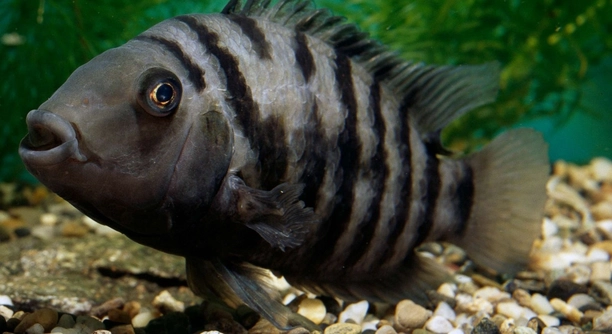
Cichlids are popular aquarium fish known for their interesting behaviors, especially during breeding. Many hobbyists want to recognize when a cichlid is holding eggs to better care for them. Understanding these signs helps ensure a healthy environment for both parents and offspring.
A cichlid holding eggs will often display a swollen mouth filled with eggs, called mouthbrooding. Other signs include protective behavior, frequent hiding, and reduced feeding. These indicators are key to identifying egg-holding females accurately.
Recognizing these behaviors early can improve your success in raising healthy fry and maintaining a balanced aquarium environment.
Physical Signs of Egg Holding in Cichlids
When a cichlid is holding eggs, the most noticeable sign is the swollen mouth. The female carries the eggs in her mouth for protection until they hatch. You may see small, round eggs inside the mouth if you carefully observe. Along with the swollen mouth, the female often has a more rounded belly before she starts mouthbrooding. The fish may also appear less active and stay near the bottom or hidden areas of the tank. These physical signs help distinguish an egg-holding cichlid from one that is simply resting or stressed. It is important to avoid disturbing the female during this time to prevent stress or egg loss. Keeping the tank environment stable supports the female’s ability to protect her eggs properly.
Swollen mouth and rounded belly are clear physical indicators of egg holding in cichlids. Careful observation is key.
Watching for these physical traits helps ensure the female is not stressed. Avoid sudden changes in water conditions and provide hiding spots. Keeping noise and movement around the tank to a minimum will help the female feel safe. A well-maintained tank with clean water supports healthy egg development. Feeding the female lightly or offering specialized food can support her during this demanding period. Consistency and patience play important roles in successfully raising fry from mouthbrooding cichlids.
Behavioral Changes During Mouthbrooding
Cichlids holding eggs show distinct behaviors that signal their condition. They tend to be more protective and territorial, often guarding specific areas of the tank. Females usually reduce their feeding or stop eating altogether during mouthbrooding. This change in appetite is natural as they focus on protecting the eggs. The fish may also become more withdrawn, avoiding other tank mates or bright areas. Increased aggression toward other fish is common to protect their offspring. Understanding these behavioral shifts helps aquarists adjust tank conditions and avoid stressing the brooding female. Giving the fish space and minimizing disturbances will promote a safer environment for the eggs to develop. Behavioral signs are reliable indicators of successful mouthbrooding.
Caring for a Cichlid Holding Eggs
During mouthbrooding, avoid feeding the female too much, as she often reduces eating naturally. Keep the tank environment calm and stable to reduce stress. Minimize handling or moving the fish, and provide plenty of hiding spots.
Maintaining clean water is essential during this time. Frequent water changes help reduce toxins and support the female’s health. Avoid sudden changes in temperature or pH levels, as these can cause stress or egg loss. The female will protect the eggs best if she feels safe in her environment. Using gentle filtration and avoiding strong currents will help the fish remain comfortable. Quiet surroundings encourage her to hold the eggs longer until they hatch.
If the female stops eating completely, this is normal but monitor her condition closely. Offer small amounts of easily digestible food once she resumes interest. Some breeders use specialized diets rich in nutrients to support mouthbrooding females. Ensuring the female has minimal stress and proper nutrition will increase the chances of successful hatching.
Recognizing When the Fry Are Ready to Be Released
Fry become visible inside the female’s mouth before release. They appear as tiny, wriggling shapes. The female may open her mouth slightly more often to allow water flow and oxygen. This behavior indicates the fry are close to swimming on their own.
Once the fry are ready, the female will begin releasing them gradually. They swim out but often return to her mouth for protection when threatened. At this stage, providing calm tank conditions and gentle lighting is important. Avoid disturbing the female or the fry, as stress can cause her to swallow the fry again or stop caring for them. It is also important to prepare a safe environment with small hiding places for the fry to explore once released. This helps them grow safely outside the mother’s mouth.
Signs of Stress in Egg-Holding Cichlids
Stress in mouthbrooding cichlids can cause them to spit out or swallow their eggs. Signs include rapid breathing, erratic swimming, and hiding more than usual. Recognizing stress early helps prevent loss of eggs.
Avoid sudden noises or changes in tank conditions. Stress can weaken the female’s ability to care for her eggs.
Feeding Mouthbrooding Cichlids
During mouthbrooding, females often eat less or refuse food. Offer small, nutritious meals when she shows interest. Use high-quality pellets or live foods to support her energy needs without overfeeding.
Preparing the Fry’s Environment
Before the fry are released, create safe spaces with fine plants or small caves. These areas offer protection as the young fish adjust to independent life outside the mother’s mouth.
Monitoring Fry Growth
Keep a close eye on fry development and water quality. Healthy fry grow steadily and become more active as they mature.
What does it mean when a cichlid is holding eggs?
When a cichlid is holding eggs, it means the female is mouthbrooding. She carries fertilized eggs in her mouth to protect them from predators and environmental risks. This behavior keeps the eggs safe until they hatch and the fry can swim independently.
How can I tell if my cichlid is holding eggs?
Look for a swollen, rounded mouth filled with small eggs. The female will also show reduced activity and may stay hidden more than usual. A rounded belly before mouthbrooding starts is another sign. Protective and territorial behaviors are common as well.
Is it normal for a mouthbrooding cichlid to stop eating?
Yes, it is common. Mouthbrooding requires a lot of energy, but the female’s focus is on protecting her eggs. She may eat less or stop eating completely. Offering light, nutritious food occasionally can help once she shows interest.
How long do cichlids hold eggs in their mouths?
Typically, cichlids mouthbrood for about two to three weeks. This time varies depending on the species and tank conditions. The female holds the eggs until they hatch and the fry are strong enough to swim outside her mouth.
Can I help my cichlid during mouthbrooding?
The best help is to provide a calm, stable environment. Avoid disturbing the female, maintain clean water, and ensure proper temperature and pH levels. Providing hiding spots helps her feel secure, which supports successful brooding.
What should I do if my cichlid spits out her eggs?
Spitting out eggs can mean stress or poor water conditions. Check the tank’s parameters and reduce disturbances. If the female is stressed, she might release or eat the eggs to protect herself. Improving the environment is crucial to prevent this.
How do I care for fry after they are released?
Create safe areas with plants and caves for the fry to hide. Feed them small, frequent meals of finely crushed flakes or specialized fry food. Keep water clean and monitor their growth closely to ensure they develop properly.
Why does my cichlid become aggressive during mouthbrooding?
Aggression is a natural protective behavior. The female defends her territory and offspring from potential threats. Minimizing tank mates or separating aggressive fish can reduce conflicts and stress during this period.
Can males hold eggs in their mouths?
In most cichlid species, only females mouthbrood. However, in some species, males may assist with protection. Observing behavior and species-specific traits will help determine which parent carries the eggs.
What are the risks if I disturb a mouthbrooding cichlid?
Disturbance can cause stress, leading to the female dropping or eating the eggs. It may also cause her to abandon the brood entirely. Keeping noise and handling to a minimum ensures the best chance for healthy fry development.
How do I know when the fry are ready to leave their mother’s mouth?
Fry become visible inside the mouth and start moving actively. The female will open her mouth more often, allowing the fry to swim out briefly. They usually return for protection until they are strong enough to stay out.
Is it necessary to separate the female during mouthbrooding?
Separating the female is not always needed but can be helpful in community tanks with aggressive or curious fish. A separate breeding tank reduces stress and increases fry survival rates by limiting disturbances.
What water conditions support healthy egg holding and fry development?
Stable temperature, proper pH, and clean water are essential. Avoid sudden changes and maintain filtration without strong currents. Regular water testing and partial water changes help maintain ideal conditions for brooding and fry growth.
How do I prevent other fish from harming the eggs or fry?
Keep aggressive or larger fish away from breeding pairs. Use tank dividers or separate tanks if necessary. Dense plants and hiding spots also protect eggs and fry by limiting access to potential predators.
Can stress cause mouthbrooding failure?
Yes, stress is a common cause of egg loss or abandonment. Factors include poor water quality, overcrowding, sudden changes, and frequent disturbances. Reducing stressors is vital to increase the chances of successful mouthbrooding.
This FAQ covers common concerns about cichlid egg holding, offering clear answers to help maintain a healthy breeding environment and improve the success of raising fry.
Mouthbrooding cichlids display one of the most interesting behaviors among aquarium fish. Knowing how to tell if a cichlid is holding eggs helps aquarists provide the right care during this important stage. The physical signs such as a swollen mouth and a rounded belly, along with behavioral changes like reduced feeding and increased protectiveness, are key indicators to watch for. Recognizing these signs early allows for adjustments in tank conditions to reduce stress and support the female’s ability to protect her eggs. This care can greatly improve the chances of successful hatching and healthy fry development.
Maintaining a calm and stable environment during mouthbrooding is essential. Avoiding sudden movements or loud noises around the tank helps keep the female comfortable. Clean water and stable parameters, including temperature and pH, are critical for egg and fry health. Providing hiding spots and gentle filtration allows the fish to feel secure throughout the process. Although mouthbrooding females may eat less or stop eating temporarily, offering small amounts of nutritious food when they show interest can support their energy needs. Observing these needs closely and limiting disturbances will help create an ideal setting for the eggs to develop and hatch.
Once the fry begin to swim outside the mother’s mouth, the care shifts to ensuring their safety and growth. Creating safe areas with plants and caves offers shelter for the fry as they adjust to independence. Feeding them appropriate fry food in small, frequent meals promotes steady growth. Monitoring water quality remains important to prevent illness or stress. Understanding and responding to the physical and behavioral signs of egg holding and fry release allows aquarists to better support their cichlids through breeding. This knowledge helps maintain a healthy, balanced aquarium and increases the likelihood of successful breeding outcomes.

Hello,
If you enjoy the content that we create, please consider saying a "Thank You!" by leaving a tip.
Every little bit helps us continue crafting quality advice that supports the health, happiness, and well-being of pets around the world, for pets of all shapes, sizes, and species.
We really appreciate the kindness and support that you show us!