
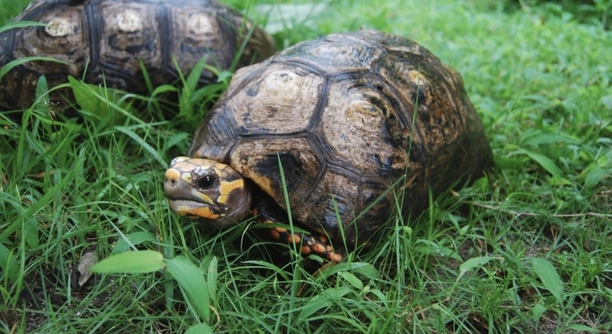
Many tortoise owners face the challenge of their red-footed tortoises trying to escape. It’s natural to wonder what might be causing this behavior and how to address it. Understanding their needs and environment can help keep them safe.
Red-footed tortoises often try to escape due to a lack of stimulation, improper habitat conditions, or a desire to explore. Ensuring that their enclosure is secure, enriched, and meets their needs can reduce the urge to escape.
Creating a proper environment will keep your tortoise content and reduce stress. Keeping your red-footed tortoise safe at home involves some simple steps that make a big difference.
Understanding Your Red-Footed Tortoise’s Behavior
Red-footed tortoises are naturally curious creatures, and their attempts to escape often stem from their need to explore. They may be seeking food, water, or a change of scenery. This behavior can also result from boredom or an inadequate enclosure. Tortoises, in the wild, roam large areas, so when they feel confined, it’s only natural for them to try to find an exit. They are intelligent animals, and like many pets, they seek stimulation. It’s important to make sure their living space is designed to keep them both physically and mentally satisfied. Providing an enriched environment is key to minimizing escape attempts.
Proper stimulation can also help prevent stress. It’s essential to keep your tortoise’s mind active to avoid destructive behaviors. Offering food puzzles or changing their environment occasionally can help fulfill their need for variety.
A well-structured enclosure can make all the difference. Keeping your red-footed tortoise happy requires understanding their natural instincts and catering to their needs. A secure, comfortable space will help them feel less anxious, reducing the chances of escape.
Creating the Right Habitat for Your Tortoise
A suitable habitat is crucial for a red-footed tortoise’s well-being.
Make sure your tortoise’s enclosure is large enough for them to roam comfortably, ideally with both land and shaded areas. Their space should include hiding spots and elements they can climb or burrow under to simulate their natural surroundings.
Securing the Enclosure
Ensure your tortoise’s enclosure is escape-proof.
A secure enclosure is essential to keep your tortoise safe. Check for any gaps or weak spots that they could squeeze through, especially at the base or corners. Use sturdy materials like high walls or wire mesh to prevent escapes. It’s important to also secure the lid, as red-footed tortoises can climb, and a loose top may provide them with an easy exit. Reinforcing the bottom of the enclosure ensures that they can’t burrow their way out.
Regularly inspect the enclosure to ensure nothing has shifted or worn down. Even small holes or cracks can be an invitation for your tortoise to make a run for it. Having a secure lid that closes tightly and safely is another step to prevent any accidental escapes.
It’s also important to maintain the integrity of the enclosure over time. Sometimes, tortoises can cause damage to their homes, whether by pushing against the walls or digging. Periodically reinforcing weak spots and making sure the barriers are high enough will keep your tortoise from breaking free.
Meeting Temperature and Humidity Needs
Your tortoise needs a balanced environment to thrive.
Red-footed tortoises are sensitive to temperature and humidity, which can influence their behavior. If the temperature is too low or the humidity is too high, your tortoise may become stressed and more prone to trying to escape. Use heat lamps to maintain proper warmth during the day, and provide a cooler area for them to retreat to when needed. A thermometer and hygrometer are useful tools to monitor the conditions in the enclosure.
Inadequate warmth or humidity can affect their digestion and overall health. Tortoises may become lethargic or act out of character if their environment is not meeting their needs. Try to keep temperatures between 75°F and 85°F during the day and slightly cooler at night. Proper humidity levels are also crucial for skin health and hydration.
You can achieve the right humidity level by using a misting system or placing a shallow water dish inside the enclosure. This will allow your tortoise to drink or soak when necessary, ensuring they stay hydrated and comfortable. Providing a balance of warmth and humidity also encourages natural behaviors and reduces the chances of your tortoise feeling the need to escape.
Providing Proper Nutrition
A well-balanced diet is crucial for a healthy tortoise.
Red-footed tortoises require a mix of fruits, vegetables, and occasional protein to stay healthy. A diet that lacks essential nutrients can lead to stress, which may increase escape attempts. Offer leafy greens like dandelion, collard, and mustard greens, along with a variety of fruits such as papaya or mango.
Make sure the food is fresh and free of pesticides. Overfeeding can cause weight gain, while underfeeding may lead to weakness. Offering the right amount of food and variety helps keep your tortoise physically satisfied and mentally content, reducing escape tendencies.
Enrichment and Exploration
Give your tortoise opportunities to explore.
Red-footed tortoises are naturally curious, so offering objects like rocks, logs, or tunnels can encourage exploration. Adding these items to their habitat simulates their natural environment, keeping them active and engaged. Tortoises are less likely to attempt escapes when they have ample things to explore and hide in.
Handling Stress and Anxiety
Avoid overwhelming your tortoise.
Stress can lead to unwanted behavior, including attempts to escape. Keeping your tortoise’s environment calm and consistent is key to reducing anxiety.
FAQ
Why is my red-footed tortoise trying to escape?
Your red-footed tortoise may be trying to escape due to boredom, improper habitat conditions, or a lack of stimulation. Tortoises are naturally curious and enjoy exploring their surroundings. If the environment isn’t offering enough to keep them occupied or feels too cramped, they may try to leave. A secure and enriched habitat with enough space and objects to explore can help reduce the desire to escape.
What type of enclosure is best for a red-footed tortoise?
A large, secure enclosure is necessary for a red-footed tortoise. The space should be at least 4×6 feet for an adult tortoise. It should have both dry and moist areas, with plenty of hiding spots. The walls should be high enough to prevent climbing and secure enough to avoid digging under. Ensure the enclosure is well-ventilated and has a secure lid.
How do I keep my tortoise from escaping if it’s in an outdoor pen?
If your tortoise is in an outdoor pen, make sure the walls are buried several inches into the ground to prevent digging out. Also, check for any weak spots in the fence or gaps that could be a potential escape route. The enclosure should have a solid, secure top to prevent climbing. Keep the outdoor pen clean and avoid overcrowding it with too many plants or structures that might cause your tortoise to feel trapped.
What is the ideal temperature for my red-footed tortoise?
The ideal temperature range for a red-footed tortoise is between 75°F and 85°F during the day. Nighttime temperatures should be kept cooler, around 70°F. A basking spot with temperatures around 90°F can be provided, but the tortoise should have access to cooler areas as well. Using a heat lamp and a thermostat will help regulate the temperature.
Do I need to provide UVB lighting for my red-footed tortoise?
Yes, UVB lighting is essential for a red-footed tortoise’s health. It helps them synthesize vitamin D3, which is crucial for calcium absorption and bone health. A UVB bulb should be provided for 10-12 hours a day, especially if the tortoise is housed indoors. Make sure the light is positioned properly and changed regularly, as UVB output decreases over time.
How do I prevent my tortoise from becoming stressed?
Stress in a tortoise can lead to health problems and increased escape attempts. To prevent stress, ensure the enclosure is appropriate for its size, with enough space for the tortoise to move freely. Provide a variety of hiding spots, safe climbing opportunities, and regular feeding schedules. Keep the enclosure clean and avoid handling the tortoise too much, as excessive interaction can be stressful.
Can I keep more than one tortoise together in the same enclosure?
It’s possible to house multiple tortoises together, but it’s important to monitor them closely. Red-footed tortoises can be territorial, and in some cases, aggression can occur. If you choose to house more than one, make sure the enclosure is large enough to allow each tortoise space to retreat from the other. Always provide multiple feeding areas to reduce competition.
What type of food is best for my red-footed tortoise?
Red-footed tortoises are omnivores and require a varied diet of fruits, vegetables, and occasional protein. Offer leafy greens like dandelion, collard, or mustard greens, along with fruits like papaya, mango, and berries. You can also feed them some protein, such as earthworms or insects, once a week. Avoid feeding them too much fruit, as it can be high in sugar.
How often should I clean my tortoise’s enclosure?
You should clean your tortoise’s enclosure regularly to maintain a healthy environment. Spot clean daily by removing any uneaten food, waste, or soiled bedding. A full cleaning should be done every 1-2 weeks, where you replace the substrate and thoroughly disinfect the surfaces. Be sure to use pet-safe cleaning products to avoid harming your tortoise.
How do I know if my tortoise is unhealthy?
Signs of an unhealthy red-footed tortoise include loss of appetite, lethargy, shell discoloration, difficulty moving, or breathing problems. If your tortoise is trying to escape more than usual, it could be a sign of stress or poor health. Monitor their behavior and consult a vet if you notice anything unusual. Regular checkups are important to catch health problems early.
Is it okay to let my red-footed tortoise roam around outside?
Letting your red-footed tortoise roam outdoors can be beneficial, but it’s important to ensure the area is safe. The outdoor environment should be free of predators, such as dogs or birds of prey. Always supervise your tortoise when outdoors, and ensure the outdoor space is escape-proof. You should also provide shelter from extreme temperatures or weather conditions.
How can I tell if my red-footed tortoise is happy?
A happy red-footed tortoise will exhibit healthy behaviors such as eating regularly, moving around its enclosure, and basking in the sun. It will show curiosity and explore its environment. A tortoise that is active, alert, and engaged with its habitat is a good sign that it’s comfortable and content. If your tortoise is regularly trying to escape, it may indicate something is wrong with its environment.
Final Thoughts
Red-footed tortoises are curious and intelligent creatures, but they can also be quite persistent when it comes to escaping their enclosures. Their need for exploration, combined with a lack of stimulation or inadequate habitat conditions, often leads to escape attempts. By understanding what drives this behavior, you can make adjustments to their living space and care routine to keep them safe and happy. Ensuring their environment is secure, comfortable, and mentally enriching is key to preventing them from seeking an escape.
A proper habitat is essential for your tortoise’s well-being. This includes creating a space that mimics their natural environment, with plenty of room to roam, hide, and explore. A secure enclosure, free of gaps or weak spots, will prevent your tortoise from wandering off. Ensuring proper temperature and humidity levels are also crucial. When a tortoise’s needs aren’t met, they may try to find a way out, seeking a more comfortable or stimulating environment. Regularly checking the integrity of their enclosure and providing items for them to interact with, such as rocks or logs, can help prevent these behaviors.
Beyond the physical setup, a well-balanced diet and routine care are also important factors in maintaining a healthy and content tortoise. Red-footed tortoises thrive on a varied diet of fresh fruits, vegetables, and occasional protein. A diet that lacks essential nutrients can lead to stress or poor health, which may result in more frequent escape attempts. Keep their diet fresh and appropriate to ensure they are well-fed and happy. With a little effort in maintaining their habitat and care, your red-footed tortoise will be less likely to feel the need to escape, allowing you to enjoy your time together.

Hello,
If you enjoy the content that we create, please consider saying a "Thank You!" by leaving a tip.
Every little bit helps us continue crafting quality advice that supports the health, happiness, and well-being of pets around the world, for pets of all shapes, sizes, and species.
We really appreciate the kindness and support that you show us!