
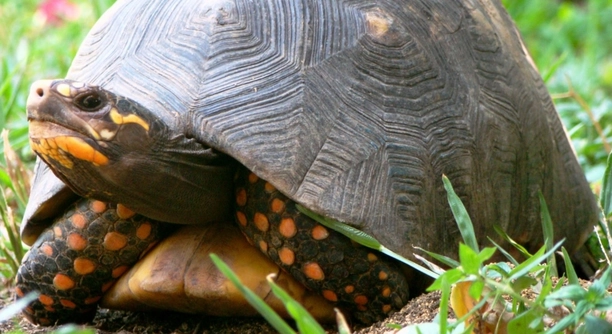
When setting up a home for your red-footed tortoise, choosing the right hiding spots is crucial for their well-being. These reptiles need a space where they can feel secure and comfortable. Proper hiding spots will also help reduce stress and make them feel safe.
The best hiding spots for a red-footed tortoise enclosure are areas that mimic natural environments. This can include caves, plants, or logs. Creating a mix of dry and humid areas will give your tortoise a variety of places to retreat to.
Creating the right environment for your tortoise will enhance their health and happiness. Let’s take a look at some simple, effective hiding spots for your red-footed tortoise.
Natural Hideaways with Logs and Rocks
For a red-footed tortoise, hiding in a log or rock formation can feel like a natural retreat. Logs provide a sturdy, sheltered space for your tortoise to crawl under, offering security and comfort. The cool, shaded environment inside the log helps regulate their body temperature, which is vital for their health. Logs can be placed in a corner or against the wall of the enclosure to create a natural, enclosed space. Rocks, stacked properly, also provide great hiding spots, and their irregular shapes make them feel like part of the wild habitat.
Logs and rocks should be large enough for your tortoise to move around freely. Make sure there are no sharp edges, and avoid stacking rocks too high, as they may pose a risk of falling. The aim is to create an environment that feels safe but also allows for easy exploration.
A log hide can also be filled with leaves or moss to simulate the underbrush of a forest floor. The tortoise will love rooting through the soft bedding. When setting up, always check that the logs and rocks are securely placed to avoid accidents.
Dense Plants as Hiding Spots
Plants are another excellent hiding spot for a red-footed tortoise. Dense, low-growing plants provide both cover and a more natural feel. They will enjoy using these plants to hide from view and keep cool. These plants also enrich the environment, making it more stimulating for your tortoise.
Dense plants, like ferns or large leafy plants, will create a natural barrier within the enclosure. The tortoise can roam through them, exploring and seeking shade. These plants also improve humidity levels in the enclosure, which is essential for the tortoise’s health. It’s a win-win situation—plants provide shelter and help maintain the right conditions. Keep an eye on the plants’ growth to ensure they remain safe for your tortoise, trimming them when necessary to avoid any overgrowth.
Tortoise Caves
Caves are a perfect addition to your tortoise enclosure, providing a cozy and secure hiding spot. They can be made from natural materials or purchased from pet stores. Caves mimic the burrows that tortoises would use in the wild, offering a sense of safety.
The cave should be large enough for your tortoise to move in and out easily, without being too tight or cramped. A good cave can also help with temperature regulation, as it keeps the tortoise cool during the heat of the day. Adding a layer of soft bedding inside will make the cave even more comfortable.
Make sure the cave has good ventilation to prevent humidity from building up too much. Avoid caves that are too deep or have sharp edges that could cause injury. When placing a cave, put it in a spot where your tortoise can easily find it but also feel private and safe.
Underwater Hiding Spots
In a humid enclosure, underwater hiding spots are beneficial for red-footed tortoises. These spots allow them to cool down while still feeling secure. You can use a shallow pool or a section of the enclosure with a small water area for them to retreat into.
These spots also mimic natural environments, where tortoises often hide near water. By providing a shallow pool or water dish, you give your tortoise a place to soak and feel secure. It’s essential to ensure the water is not too deep, as your tortoise should always be able to access the surface easily.
Incorporating stones or floating logs in the water creates an even more enriching environment. Tortoises may enjoy sitting on these structures, which adds variety to their space. Just keep the water clean to maintain the right conditions for your tortoise’s health.
Hide Boxes
Hide boxes are simple but effective. Made of wood or plastic, they offer a private, secure spot for your tortoise to retreat. They can be placed anywhere in the enclosure, giving your tortoise a safe place to rest when they want to be left alone.
Choose a hide box with an opening wide enough for your tortoise to enter and exit easily. It should also be deep enough to offer privacy but not so cramped that your tortoise feels stuck. You can fill the inside with bedding like hay or leaves to make it cozier.
The hide box will also help regulate temperature and humidity inside the enclosure. This spot will become a refuge for your tortoise, especially if they are feeling stressed or just need some time to themselves.
Cork Bark Hides
Cork bark hides are great for adding texture to your tortoise’s enclosure. The natural material mimics their wild habitat, where they might hide under tree bark or logs. Cork bark provides a secure, shaded hide that your tortoise will appreciate.
The hollow spaces in cork bark give your tortoise room to move, while also offering a feeling of safety. You can place the cork bark on the ground or elevate it slightly, depending on the tortoise’s preference. The material’s irregular shape and texture help create a natural, cozy hideaway.
Add some plants around the cork bark to enhance the hiding spot, creating a more enriched environment. Tortoises tend to appreciate these more natural-looking hides, making them feel comfortable and secure.
Humid Hide Areas
Humid hide areas are perfect for your red-footed tortoise, who enjoys a warm, humid environment. These spots can be created with a combination of moist substrates and plants. They provide a cool, damp area where your tortoise can retreat when they need to hydrate or escape the heat.
FAQ
What are the best hiding spots for a red-footed tortoise?
The best hiding spots for a red-footed tortoise are those that mimic their natural environment. These include logs, caves, and dense plants. Logs and rocks provide shelter and a secure space to retreat, while plants help create a more natural, shaded area. Caves are ideal for offering privacy and temperature control. A mix of these hiding spots ensures your tortoise can find a place that suits their needs at any given moment.
How do I create a comfortable hide for my tortoise?
To create a comfortable hide, choose materials that provide both security and comfort. A good hide should have enough space for your tortoise to turn around and stretch out, but it shouldn’t be too large. Add soft bedding, such as hay or leaves, to make the space cozy. The hide should also offer shade or cooler temperatures, as red-footed tortoises tend to seek out cooler spots during the day. Make sure the hide is placed in a quiet corner where your tortoise can feel undisturbed.
Can I use a plastic hide box?
Yes, plastic hide boxes can work well for a red-footed tortoise, as long as they are the right size and shape. A plastic hide box offers an easy-to-clean, durable option for your tortoise to retreat into. Just make sure it has proper ventilation to avoid excessive humidity buildup. Adding soft bedding inside will also make it more inviting. However, if you can, opt for a more natural material like wood or cork for a more natural feel.
How often should I clean the hiding spots?
It’s essential to clean the hiding spots regularly to keep the enclosure sanitary. Spot clean them every few days to remove any waste or debris. Full cleanings should happen at least once a week, especially if there’s bedding inside. This will help prevent bacteria and mold growth. When cleaning, use non-toxic cleaning agents and make sure everything is thoroughly dry before putting it back in the enclosure.
Should I add a water dish near the hide?
Yes, a water dish near the hide is a good idea. Red-footed tortoises need access to fresh water at all times, and having it nearby makes it convenient for them. Make sure the water dish is shallow enough for your tortoise to drink from easily without the risk of drowning. You may also want to have a separate soaking area in case they want to bathe. Ensure the water is clean and changed regularly.
How do I maintain proper humidity for the hides?
Maintaining proper humidity is key for your tortoise’s well-being. A humid hide can be created by using damp substrate such as moss or coconut coir. It’s important to monitor humidity levels using a hygrometer, aiming for 70-80% humidity in the enclosure. You can also mist the hides once or twice a day to keep them damp. If you live in a dry climate, you may need to adjust your humidity levels more often to maintain the right conditions.
Is it necessary to have more than one hiding spot?
Yes, it’s beneficial to have multiple hiding spots in the enclosure. Tortoises enjoy variety and will use different spots depending on their mood, temperature needs, and time of day. Offering a mix of hides, such as a cool hide, a humid hide, and a more secluded hide, ensures your tortoise has plenty of options to choose from. This can also help reduce stress by giving them different places to feel safe.
Can I use real plants in the tortoise’s enclosure?
Yes, real plants are a great addition to your tortoise’s enclosure. They provide shelter, natural hiding spots, and a more enriching environment. Plants like ferns, hibiscus, and spider plants are safe for red-footed tortoises. Just be sure to choose non-toxic plants and avoid any that might be harmful if ingested. You should also check that the plants are appropriate for the humidity levels in the enclosure.
Should I use a hide with an entrance on only one side?
A hide with only one entrance can be fine, but it’s important to consider the size and layout of the hide. Tortoises may feel more secure in hides with one entrance, as it limits access to their hiding space. However, it’s also helpful to have hides with multiple exits in case your tortoise feels trapped or wants to leave quickly. Make sure the entrance is large enough for your tortoise to move freely.
How can I prevent my tortoise from flipping over in the hide?
To prevent your tortoise from flipping over in their hide, ensure the hide is low to the ground and stable. Avoid creating a hide that is too high or one with sharp edges that might cause injury. If you’re using logs or rocks, check that they are securely placed. A hide that’s level and snug will reduce the chances of your tortoise flipping over.
Can I use a heat source near the hide?
Yes, a heat source can be placed near the hide, but it should be positioned carefully to avoid overheating the area. Red-footed tortoises need a basking spot that is warmer than their hide, but the hide itself should remain at a cooler, more stable temperature. If using a heat lamp or heating pad, make sure the heat is not directly on the hide but positioned nearby so the tortoise can move between warm and cool areas as needed.
How do I know if my tortoise is stressed in their hide?
Signs of stress in a tortoise may include excessive hiding, not eating, or pacing around the enclosure. If your tortoise is constantly hiding and avoiding interaction, they might feel insecure or stressed. Ensure that the hides are appropriate in size and location. Stress can also be caused by poor environmental conditions, such as improper temperature, humidity, or lighting.
How important is it to have a dark hide?
A dark hide is important for your tortoise as it mimics the natural shelter they would find in the wild. Darkness offers a sense of security and helps reduce stress, as it allows the tortoise to rest without feeling exposed. A dark hide will also help them regulate their body temperature and find a comfortable resting spot.
Creating the right environment for your red-footed tortoise is essential for their health and well-being. Providing various hiding spots, such as logs, caves, and plants, gives your tortoise options to feel safe and secure. These hides not only help reduce stress but also allow them to regulate their temperature and humidity needs. It’s important to choose hides that mimic their natural habitat, as this will help them feel more at ease in captivity. When you provide the right hiding spots, you’re giving your tortoise the chance to live a more comfortable and fulfilling life.
Keep in mind that your tortoise may have different preferences when it comes to where they want to hide. Some tortoises might prefer the cool, shaded areas of a log, while others may enjoy the moist conditions of a humid hide. Offering a variety of hiding spots ensures that your tortoise can find a place to retreat based on their needs at the moment. Don’t forget to regularly clean the hides to maintain a healthy environment. Keeping their hide spots free from waste, mold, and bacteria will help keep your tortoise healthy and reduce the risk of illness.
Finally, remember that creating the perfect enclosure goes beyond hiding spots. The entire setup, including temperature, lighting, and humidity, plays a crucial role in the well-being of your tortoise. By paying attention to all these factors, you’ll help ensure that your red-footed tortoise is happy and healthy for years to come. With the right care and environment, your tortoise will thrive and enjoy a long, stress-free life in its enclosure.

Hello,
If you enjoy the content that we create, please consider saying a "Thank You!" by leaving a tip.
Every little bit helps us continue crafting quality advice that supports the health, happiness, and well-being of pets around the world, for pets of all shapes, sizes, and species.
We really appreciate the kindness and support that you show us!