
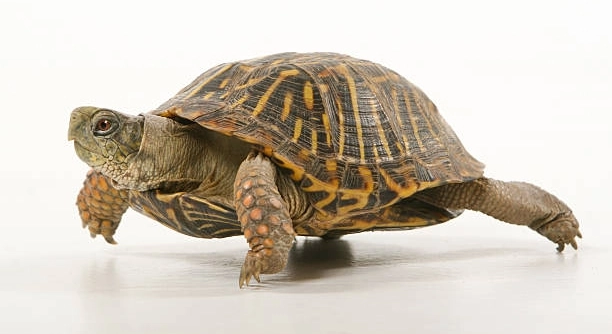
Box turtles are fascinating creatures, but they can sometimes make poor food choices that are harmful to their health. Keeping them safe from toxic plants is an important responsibility for any turtle owner.
To prevent box turtles from eating toxic plants, you must carefully monitor their environment. Remove any harmful plants, provide safe food options, and regularly check their habitat for new growth. This proactive approach ensures their well-being.
With a little planning and awareness, you can ensure your box turtle enjoys a safe and healthy diet, avoiding toxic plants.
Understanding Toxic Plants for Box Turtles
Box turtles are known for their curious nature, and they tend to sample a variety of plants in their environment. However, not all plants are safe for them to eat. Some plants can be highly toxic and pose serious health risks. It’s essential to familiarize yourself with the plants that could be dangerous to your turtle. While some plants may look harmless, they can cause digestive issues, organ damage, or even death if consumed in large quantities. Identifying harmful plants early is the best way to prevent accidental poisoning. For example, plants like foxglove, oleander, and certain types of ferns can cause severe reactions in turtles. Being proactive about their food sources helps keep them healthy and safe. Ensuring your turtle’s habitat is free from these toxic plants will go a long way in protecting its health. So, it is crucial to check your turtle’s surroundings regularly and make necessary changes to avoid any risks.
Knowing which plants are harmful is just the first step. The next task is to eliminate them from the environment.
Removing toxic plants from your turtle’s environment requires careful attention. Start by researching the specific plants that grow in your area and identifying the ones that pose a risk. If you’re unsure, it’s a good idea to consult with a vet or a turtle expert. In addition to removing harmful plants, consider planting safe, non-toxic options in your turtle’s habitat. Some safe plants to include are dandelion greens, clover, and hibiscus flowers. Offering a variety of safe foods will not only protect your turtle but also enrich its diet. Make sure to inspect new plants before adding them to the environment, as some might seem safe but could still be toxic in certain quantities.
Creating a Safe Habitat for Your Box Turtle
Now that you’ve removed toxic plants, it’s time to focus on creating a safe habitat. Box turtles need a secure, enriching environment to thrive. Along with safe plants, you’ll want to include a proper substrate, hide spots, and access to fresh water. The more natural the environment, the better for your turtle’s well-being. Providing an outdoor space can be ideal if your climate allows it. Just be sure to fence off the area to prevent any predators from entering. If you’re keeping your turtle indoors, make sure the habitat is spacious enough to allow for natural behaviors, such as burrowing or foraging. A mix of natural elements, like rocks, logs, and soil, helps recreate a turtle’s wild environment and promotes a healthier lifestyle. With these steps, you can ensure that your turtle lives a long, healthy life, free from the dangers of toxic plants and other hazards.
Identifying Toxic Plants in Your Area
To keep your box turtle safe, start by researching local plants that are known to be toxic. Some plants are common and may appear harmless, but they can pose serious risks to your turtle. A good idea is to consult a local wildlife expert or a vet for accurate information.
Common toxic plants like the poinsettia, azalea, and ivy should be removed from areas where your turtle roams. Research can also help you understand which plants are safe to grow, offering your turtle a variety of healthy food. Keep a list of local plants that are harmful to your turtle for quick reference. Over time, you’ll get better at spotting and avoiding these potential dangers.
Regularly check your turtle’s habitat and surroundings for new plant growth. If you see something unfamiliar, don’t assume it’s safe. Some plants can quickly grow and spread, so it’s essential to remain vigilant. Identifying toxic plants in advance helps you stay ahead of potential hazards.
Offering a Safe Diet to Your Box Turtle
To ensure your box turtle stays healthy, provide it with a variety of safe foods. Leafy greens, such as collard greens, kale, and dandelion greens, are excellent choices. You can also offer occasional fruits like strawberries, blueberries, and apples in small amounts.
It’s important to feed your turtle a balanced diet that mimics what it would eat in the wild. Avoid feeding it processed or high-sugar foods, as these can harm its health over time. Fresh, natural food is best for maintaining your turtle’s well-being. Offering these safe foods will give your turtle the proper nutrients without the risk of poisoning.
Keep in mind that variety is key to your turtle’s diet. Providing a mix of vegetables, fruits, and occasional protein, such as insects, will help prevent nutritional deficiencies. If you’re ever unsure whether a food is safe, always consult a vet before offering it to your turtle.
Common Toxic Plants to Watch For
Some plants are especially dangerous to box turtles. These include foxglove, oleander, and rhododendron. Even small amounts of these plants can cause severe reactions in turtles. Identifying and removing these plants from your turtle’s environment is crucial to their health.
Additionally, many common garden plants can be toxic, such as daffodils and yew shrubs. Always be cautious when introducing new plants to your turtle’s habitat, especially if they are common in your area. Research and identify these plants so you can remove them immediately and prevent exposure.
Creating a Safe Outdoor Habitat
If you’re setting up an outdoor habitat, make sure it is securely enclosed. A fence or netting will keep your turtle safe from predators and limit the chance of encountering toxic plants. Consider the local climate and choose plants that are both safe and beneficial to your turtle.
Ensure that the outdoor space provides proper shade and sun exposure. Box turtles need both to regulate their body temperature. Adding logs, rocks, and leaves will provide hiding spots and encourage natural behaviors, helping your turtle feel comfortable and secure in its habitat.
Handling Accidental Consumption
In the event that your turtle does consume something harmful, act quickly. Remove the toxic plant from its environment and monitor for signs of illness, such as lethargy, loss of appetite, or abnormal behavior. Seek veterinary attention as soon as possible.
FAQ
What should I do if I suspect my box turtle ate a toxic plant?
If you suspect that your box turtle has eaten a toxic plant, it’s crucial to act quickly. Start by removing the plant from its environment to prevent further consumption. Watch for signs of poisoning, such as lethargy, loss of appetite, or abnormal behavior. If you notice any of these symptoms, take your turtle to a veterinarian immediately. Time is essential when dealing with toxicity, so don’t wait for symptoms to worsen. A vet will be able to assess the situation and provide the necessary treatment.
Are there any plants that are safe for box turtles to eat?
Yes, there are many safe plants that you can feed your box turtle. Some of the best options include dandelion greens, clover, hibiscus flowers, and collard greens. Box turtles can also safely eat vegetables like kale, mustard greens, and squash. Fruits such as strawberries, apples, and blueberries can be offered in moderation. It’s important to provide a variety of safe food to ensure your turtle gets all the nutrients it needs. Always research any new plant before introducing it to your turtle’s diet.
How can I tell if a plant is toxic to my box turtle?
To determine if a plant is toxic to your box turtle, start by researching it online or through a local expert. Many toxic plants are well-known, such as foxglove, oleander, and azalea, so familiarize yourself with them. Be cautious with plants you don’t recognize or those commonly found in your area. You can also consult a vet or a wildlife expert if you’re uncertain. It’s always better to err on the side of caution and avoid introducing potentially harmful plants to your turtle’s environment.
Can I grow my own turtle-safe plants at home?
Yes, you can grow turtle-safe plants at home. Many plants that are safe for box turtles can be easily grown in a garden or indoors. Dandelion greens, clover, and hibiscus flowers are great options for your turtle. You can also plant edible herbs like basil, parsley, and cilantro. Just be sure to avoid using pesticides or chemicals on the plants, as these can be harmful to your turtle. If growing outdoors, make sure the area is fenced or enclosed to prevent your turtle from wandering into areas with toxic plants.
How often should I feed my box turtle?
Box turtles typically eat every other day or every three days, depending on their age and activity level. Young turtles require more frequent feedings, while adults can be fed less often. The amount of food should be based on your turtle’s size and health. Overfeeding can lead to obesity and other health issues, so it’s important to offer appropriate portions. Fresh food should be available for each feeding, and uneaten food should be removed to prevent contamination. Always make sure fresh water is available.
Can box turtles eat meat or insects?
Yes, box turtles can eat small amounts of meat and insects. In the wild, they are opportunistic feeders and will eat insects, worms, and even small animals. You can offer crickets, mealworms, and earthworms as a source of protein. Avoid overfeeding them with animal-based food, as their diet should primarily consist of plant material. Insects should be offered as an occasional treat, not a main food source. Always ensure the insects you offer are safe and free of pesticides.
What are the signs that my box turtle is sick?
Signs that your box turtle may be sick include lethargy, loss of appetite, abnormal breathing, or swelling in the limbs. If your turtle is not eating, has trouble moving, or exhibits unusual behavior like staying hidden for extended periods, it could indicate illness. Also, watch for signs of shell rot or respiratory issues like wheezing or labored breathing. If you notice any of these symptoms, contact a veterinarian who specializes in reptiles. Early intervention is key to ensuring your turtle’s health.
Can box turtles live together in the same enclosure?
It is possible for box turtles to live together, but it depends on their individual temperament. Male box turtles, in particular, may become territorial and aggressive toward each other. It’s generally best to house box turtles separately, especially if they show signs of aggression. If you decide to keep more than one turtle in the same enclosure, make sure the space is large enough to provide each turtle with its own area. Monitor their behavior closely to ensure there are no signs of fighting or stress.
How do I keep my box turtle’s habitat clean?
Maintaining a clean habitat for your box turtle is essential to their health. Remove uneaten food daily to prevent it from spoiling and attracting pests. Clean the water bowl or dish regularly, ensuring it remains free from waste and debris. You should also spot clean the substrate (such as soil or bedding) frequently and do a more thorough cleaning every few weeks. If your turtle has an outdoor enclosure, check for any signs of mold, mildew, or pests. Regular cleaning helps reduce the risk of diseases and keeps your turtle comfortable.
What temperature should my box turtle’s habitat be?
Box turtles need a warm environment to regulate their body temperature. The temperature in their habitat should range between 75°F and 85°F during the day. A basking area with a temperature of 90°F to 95°F is ideal for them to warm up. At night, temperatures can drop slightly but should not fall below 60°F. If you’re keeping your turtle indoors, consider using a heat lamp to provide warmth in a specific area of the enclosure. Providing a proper temperature gradient is essential for your turtle’s health and digestion.
Final Thoughts
Keeping a box turtle safe from toxic plants requires a little research and careful observation, but it’s a manageable task. By understanding which plants are harmful and which are safe, you can create a secure environment for your turtle. Regularly inspecting your turtle’s habitat is a simple way to ensure they stay away from dangerous plants. When in doubt, it’s always better to remove a plant rather than risk your turtle’s health. With proper care and attention, your turtle can live a long and healthy life.
It’s important to remember that turtles, like all animals, rely on their surroundings for survival. By providing a safe space with healthy food options, you help protect them from many potential dangers. A balanced diet, including safe plants, fruits, and occasional protein, is crucial. Along with providing a proper habitat, you also need to be mindful of the climate and temperature conditions. Offering the right mix of natural elements such as hiding spots and appropriate lighting can ensure your turtle feels comfortable and secure in its environment.
Finally, if you ever notice changes in your turtle’s behavior, it’s important to act quickly. Whether it’s due to something they’ve eaten or another issue, monitoring your turtle’s health is key. Early intervention can prevent bigger problems from developing. With a little planning and care, keeping your box turtle safe from toxic plants becomes part of maintaining their overall well-being. By staying vigilant, you can ensure they live a happy and safe life.

Hello,
If you enjoy the content that we create, please consider saying a "Thank You!" by leaving a tip.
Every little bit helps us continue crafting quality advice that supports the health, happiness, and well-being of pets around the world, for pets of all shapes, sizes, and species.
We really appreciate the kindness and support that you show us!