
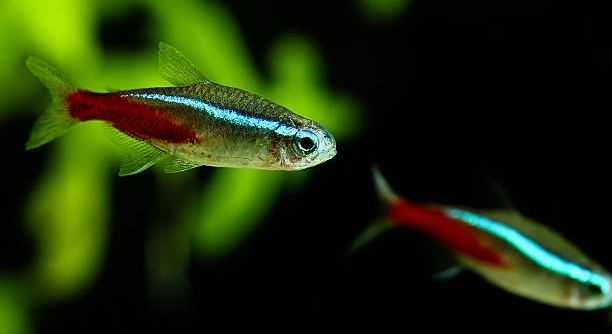
Neon Tetra Disease can be a serious concern for aquarium enthusiasts. It can impact your fish in ways that are sometimes hard to spot right away. Knowing the early signs is crucial for managing the health of your tank.
Neon Tetra Disease (NTD) is a parasitic infection that affects Neon Tetras and other fish species, causing symptoms such as loss of color, lethargy, and abnormal swimming behavior. Early detection is essential for preventing its spread to other fish.
Understanding the symptoms early on can help prevent more severe issues. These signs will allow you to take action and protect the health of your aquarium.
Loss of Color
One of the first noticeable signs of Neon Tetra Disease is a sudden loss of color. Healthy Neon Tetras are vibrant and brightly colored, but when infected, their once vivid hues can fade or become dull. This is often seen in the blue or red coloration, which may turn pale. Sometimes, this color loss is subtle, and the fish might still appear healthy overall, but the change is a warning sign that should not be ignored. It’s important to monitor the behavior and overall condition of your fish closely when this happens.
If you notice color fading, it’s best to act quickly. The parasite that causes Neon Tetra Disease can spread fast, and early detection can prevent it from affecting the rest of the fish in your tank.
Besides color changes, the fish’s behavior might also shift. If they become more lethargic and avoid swimming normally, you should check for other signs to confirm the presence of the disease. Isolating the affected fish is essential for preventing the spread of the infection.
Abnormal Swimming
When Neon Tetras develop Neon Tetra Disease, they may swim erratically or in unusual patterns. Healthy Tetras are generally active swimmers, darting quickly through the tank. However, infected fish may show signs of abnormal swimming, such as circling, darting randomly, or floating at the water’s surface. This is a clear indication that something is wrong.
Infected fish can also lose their balance and struggle to stay upright. Their fins may appear to be weak or floppy, further showing that their physical health is compromised. Swimming in unusual ways is a common symptom that should alert you to the potential presence of the disease.
This symptom is particularly alarming as it affects the ability of the fish to swim freely and interact with others. When they begin to lose their natural movements, the issue can quickly get worse. Addressing the issue immediately by isolating the fish and ensuring the water quality is optimal is crucial for controlling the disease’s spread. Regularly checking the tank’s water parameters can help prevent and reduce the stress on your fish.
Loss of Appetite
A sudden loss of appetite is a major sign that something is wrong with your fish. Neon Tetras with Neon Tetra Disease may stop eating, which is often the first noticeable symptom. This happens as the disease weakens the fish’s body, affecting its overall health and energy levels. If your fish becomes uninterested in food, it’s time to check for other symptoms to confirm the illness.
You may notice that the infected fish simply swim away from food or ignore it altogether. In the early stages, this might not seem too concerning, but a lack of eating can lead to other issues, such as weakness and slower recovery.
If left unchecked, the fish can become malnourished, making it harder for their immune system to fight off the disease. It’s essential to monitor your fish closely for any changes in feeding behavior and act quickly if you spot this symptom. Isolating the affected fish will help ensure it doesn’t spread the disease to others.
Swollen Belly
Swollen bellies are another sign of Neon Tetra Disease. The abdomen of an infected fish may appear bloated or enlarged. This can be due to internal organ damage caused by the parasite. The swelling might be accompanied by other symptoms like a pale body or loss of color, making it more noticeable.
The swelling occurs because the disease affects the fish’s internal organs, causing them to become congested with fluids. This can impact their ability to digest food properly, adding to the loss of appetite.
In some cases, you might also notice the fish becoming more sluggish. It may move less and spend more time near the bottom of the tank. The swollen belly is a sign that the infection is progressing and that the fish’s health is deteriorating. It’s crucial to isolate and treat the affected fish to prevent further damage.
Clamped Fins
Clamped fins are another common sign of Neon Tetra Disease. When a fish is affected, its fins will often remain tightly pressed against its body, which is an indication of stress or discomfort. This behavior is typically a result of the infection causing the fish to feel weak or unwell.
Clamped fins can also make it harder for the fish to swim properly. If left untreated, the fish may become more stressed and less able to defend itself against other diseases or complications. Keep an eye out for this symptom along with others to detect Neon Tetra Disease early.
Lethargy
Lethargy is another significant symptom of Neon Tetra Disease. Infected fish may spend more time near the bottom of the tank or move sluggishly. Their energy levels drop, and they may appear less active or even apathetic towards their surroundings. This lack of activity can make it easier to spot a sick fish.
When a fish stops interacting with its environment, it often means something is wrong. The disease attacks the fish’s body, causing it to feel weak. Infected fish may even be seen resting more than usual or swimming with great difficulty. This sluggish behavior can worsen quickly without proper care.
White Spots
One of the most visible signs of Neon Tetra Disease is the appearance of white spots on the skin. These spots are typically small and may resemble tiny cysts or lesions. The white patches can be seen on the body, fins, and tail of the fish. These spots are a sign of the parasite affecting the fish’s skin.
These white marks may grow in size or number as the disease progresses. It’s important to treat the tank promptly if you see them. The white spots are not always exclusive to Neon Tetra Disease, but they are one of the key signs when combined with other symptoms.
FAQ
What causes Neon Tetra Disease?
Neon Tetra Disease is caused by a parasite called Pleistophora hyphessobryconis. This parasite affects the internal organs of the fish, leading to a range of symptoms like loss of color, lethargy, and swelling. The parasite spreads through the water, typically from one infected fish to others, especially when the fish are stressed or in poor water conditions. Once the disease takes hold, it’s difficult to cure, making early detection crucial.
Can Neon Tetra Disease spread to other fish?
Yes, Neon Tetra Disease is highly contagious and can spread to other fish in the tank. The parasite that causes the disease is waterborne, meaning that if one fish is infected, it can quickly transmit the disease to others, especially in tanks with poor water quality. Isolating infected fish immediately and disinfecting the tank can help prevent the disease from spreading.
How do I treat Neon Tetra Disease?
Unfortunately, there is no known cure for Neon Tetra Disease once a fish is infected. The best course of action is to remove infected fish from the tank to prevent the spread of the disease. You can treat the tank with antibiotics or anti-parasitic medications, but this usually helps only with symptom relief and does not cure the disease completely. Maintaining good water quality and reducing stress in the tank can help prevent further outbreaks.
Can Neon Tetra Disease be prevented?
While there is no guaranteed way to prevent Neon Tetra Disease, you can reduce the risk by maintaining a clean and healthy environment for your fish. Proper filtration, regular water changes, and maintaining optimal water parameters can all help keep your fish healthy and reduce stress. Quarantining new fish before adding them to the main tank is another effective measure to prevent introducing the disease.
Is Neon Tetra Disease only harmful to Neon Tetras?
While Neon Tetra Disease primarily affects Neon Tetras, other fish species in the tank can also be at risk. Fish that are closely related to Neon Tetras, like Cardinal Tetras, are more susceptible, but other fish may also contract the disease if exposed. To prevent an outbreak, it’s best to isolate infected fish and clean the tank thoroughly.
How do I know if my fish has Neon Tetra Disease?
The main signs of Neon Tetra Disease include loss of color, lethargy, abnormal swimming, clamped fins, and swelling in the abdomen. White spots on the body, tail, or fins may also appear as the disease progresses. If you notice any combination of these symptoms, it’s important to act quickly and isolate the affected fish.
Can Neon Tetra Disease be treated with antibiotics?
Antibiotics may help reduce the symptoms of Neon Tetra Disease, but they do not cure the underlying parasitic infection. In some cases, medicated food or water treatments may provide relief, but these are generally only effective in managing symptoms rather than eliminating the disease entirely. Prevention and early detection remain the best approach.
What should I do if my fish shows signs of Neon Tetra Disease?
If you notice any signs of Neon Tetra Disease in your fish, it’s important to act quickly. First, isolate the infected fish to prevent the disease from spreading to others. Then, monitor the water quality and make any necessary adjustments. While there is no cure for the disease, maintaining good water conditions can help keep other fish healthy.
Can Neon Tetra Disease affect shrimp or other invertebrates?
Neon Tetra Disease primarily affects fish and is not known to infect shrimp or other invertebrates. However, maintaining good water quality is important to prevent stress on all tank inhabitants, including invertebrates. While invertebrates are not typically affected by the disease, poor water conditions that contribute to Neon Tetra Disease can harm them as well.
How long does Neon Tetra Disease take to show symptoms?
The symptoms of Neon Tetra Disease can appear within a few days to a few weeks after the fish has been infected. The disease may progress slowly, with the first signs being subtle, such as a slight loss of color or a decrease in activity. Once the symptoms become more visible, the disease has likely progressed to an advanced stage, and the fish may be at greater risk.
Final Thoughts
Neon Tetra Disease is a serious issue for aquarium owners, especially since it can spread quickly and cause significant harm to your fish. While it can be difficult to treat once the disease has set in, recognizing the early signs can make a big difference in preventing it from affecting your whole tank. Early symptoms like loss of color, abnormal swimming, and loss of appetite should be a red flag for anyone caring for Neon Tetras. The quicker you spot these signs, the sooner you can take action and minimize the impact.
Although there is no cure for Neon Tetra Disease once a fish is infected, isolating the affected fish can help stop the spread to other tank inhabitants. Infected fish should be removed and placed in a separate quarantine tank. Unfortunately, the disease can’t be fully cured, but managing the symptoms with the right treatments might improve the fish’s comfort. Keeping the tank clean and maintaining good water quality is key to preventing the disease from spreading. Regular water changes, proper filtration, and monitoring the tank’s temperature can all help create a healthy environment for your fish.
Prevention remains the most effective strategy when dealing with Neon Tetra Disease. By isolating new fish before introducing them to your main tank, you can ensure they are disease-free. Maintaining a stable and stress-free environment is also vital for reducing the chances of infection. Keeping your fish healthy through proper care and by providing them with a safe, clean environment will go a long way in preventing future issues. The more proactive you are about monitoring your tank and caring for your fish, the more likely your Neon Tetras will thrive without falling victim to this disease.

Hello,
If you enjoy the content that we create, please consider saying a "Thank You!" by leaving a tip.
Every little bit helps us continue crafting quality advice that supports the health, happiness, and well-being of pets around the world, for pets of all shapes, sizes, and species.
We really appreciate the kindness and support that you show us!