
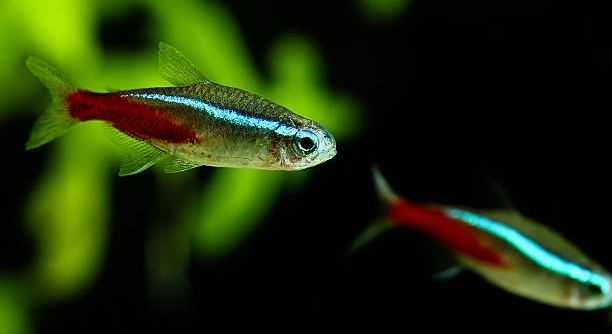
Neon tetras are popular aquarium fish known for their vibrant colors, but breeding them can sometimes come with challenges. Breeding issues are not uncommon, but there are steps you can take to ensure success.
To prevent common neon tetra breeding problems, ensure the tank has ideal water conditions, proper diet, and the right environment for breeding. Stressful factors, such as poor water quality or improper tank setup, can hinder successful breeding.
Addressing these common challenges will improve the chances of successful neon tetra breeding and help you maintain a healthy, thriving aquarium.
Maintaining Proper Water Conditions
Water quality plays a major role in neon tetra breeding. If the water is too acidic, too alkaline, or has high levels of toxins, it can stress the fish, making breeding more difficult. Keeping the water temperature between 72°F and 80°F (22°C to 27°C) is essential for neon tetras. Additionally, ensuring proper filtration and regular water changes helps maintain a stable environment. Regular water testing for pH, hardness, and ammonia levels is also crucial. Neon tetras thrive in soft, slightly acidic water, ideally with a pH between 6.0 and 7.0. If the water quality is not optimal, neon tetras may not breed or may experience health issues.
To avoid breeding issues, ensure the water quality is stable and free of harmful chemicals. Testing water frequently and maintaining the right temperature is key to success. Regular water changes also help eliminate harmful substances that could interfere with the breeding process.
You can also consider using a separate breeding tank with a sponge filter to maintain water quality. This will reduce stress on the fish and increase the chances of successful breeding.
Feeding the Right Diet
The diet of neon tetras directly affects their breeding success. If they’re not properly nourished, their ability to breed may be compromised. Providing a varied diet with high-quality foods such as brine shrimp, daphnia, and quality flake food ensures that they receive the necessary nutrients to stay healthy and breed successfully. A well-balanced diet promotes growth, energy, and overall fish health. Avoid overfeeding, as it can lead to water pollution, which might negatively impact the breeding process.
A proper diet not only supports their health but also helps them breed. Make sure to feed them small amounts of food multiple times a day to prevent waste buildup and maintain water quality.
It’s also helpful to include live foods in their diet to encourage natural breeding behavior. Live foods such as small worms or larvae are ideal for triggering breeding activity, as they mimic the conditions found in nature.
Creating the Ideal Breeding Environment
The environment in your tank plays a key role in neon tetra breeding. Make sure the tank has plenty of plants, rocks, and hiding spaces to mimic their natural habitat. These elements provide the fish with a sense of security, reducing stress levels. A breeding tank should be set up in a calm, quiet location with minimal disruptions. Neon tetras prefer dim lighting and soft, well-planted areas where they can lay their eggs safely.
Adding fine-leaved plants like Java moss or spawning mops helps give neon tetras the perfect spot to lay their eggs. The plants not only provide shelter but also offer a safe space for the eggs to attach and hatch. Keep the tank covered, as neon tetras are sensitive to disturbances and may be frightened by sudden movements.
Consider separating breeding pairs to avoid unwanted aggression. This also ensures the males have a better chance of successfully fertilizing the eggs. Once eggs are laid, you can move the parents to a separate tank to protect the delicate fry.
Reducing Stress
Stress is one of the biggest obstacles to neon tetra breeding. Factors like poor water quality, overcrowding, and aggressive tank mates can increase stress levels. A stressed fish is less likely to breed, and it may even become sick. To avoid this, provide a comfortable environment where your tetras can thrive. It’s crucial to avoid sudden changes in the water temperature or parameters, as these can cause unnecessary stress.
To help reduce stress, keep the tank peaceful. Avoid keeping neon tetras with overly aggressive or larger fish that might intimidate them. Make sure your tetras have plenty of space to swim freely and hide when they need to. Stress-free fish are far more likely to breed successfully.
Maintaining a quiet and calm tank helps create a relaxing environment. Keeping noise levels low and minimizing sudden movements near the tank can make a significant difference in their comfort and breeding success.
Choosing the Right Breeding Pair
Selecting the right breeding pair is crucial. Healthy neon tetras with clear colors and active behaviors are best suited for breeding. Look for mature fish, as younger ones may not be ready to breed. Avoid pairing fish that show signs of illness or stress, as this can affect breeding success.
The male should be slightly smaller than the female and display brighter colors. If possible, choose a group of tetras and let them pair off naturally. This method ensures that the best match is made without forcing the process.
Monitoring the Tank’s Lighting
Proper lighting helps create the right environment for neon tetras to breed. Too much light can stress them, while too little can affect their natural behavior. Aim for low lighting, especially during breeding periods, to mimic their natural habitat.
Using a dim light or a low-wattage bulb will encourage the tetras to feel comfortable and less exposed. Turn off the lights during the night to help them rest and maintain their natural rhythm. Consistent light schedules are important for their overall health.
Maintaining Tank Temperature
Maintaining the correct tank temperature is essential for neon tetra breeding. The ideal temperature range is between 72°F and 80°F (22°C to 27°C). If the temperature is too low, neon tetras may not breed, while too high can lead to stress and illness.
A stable temperature ensures that the fish remain comfortable and active, which encourages breeding. Use an aquarium heater with a thermostat to maintain consistent temperature. Avoid rapid temperature changes, as these can harm the fish and disrupt the breeding process.
FAQ
How do I know if my neon tetras are ready to breed?
Neon tetras usually reach maturity at around six months old. Males are smaller, more colorful, and have a slimmer body, while females are larger and rounder, especially when they’re carrying eggs. You’ll also notice the male becoming more active, swimming alongside the female and performing courtship behaviors like chasing and displaying. Once the female is ready, she will lay eggs on fine-leaved plants or spawning mops. The best way to know if they’re ready is by observing their behavior and physical condition.
Can I breed neon tetras in a community tank?
Breeding neon tetras in a community tank can be challenging. Neon tetras are peaceful fish, but they need a calm, quiet environment to breed successfully. In a busy tank, their eggs might be eaten by other fish. It’s better to set up a separate breeding tank with soft, acidic water and proper hiding spaces. This reduces stress and ensures the fry can grow without the threat of predation.
What should I do with the neon tetra eggs?
Once the eggs are laid, it’s best to remove the parents to prevent them from eating the eggs. Neon tetras don’t show parental care and might consume the eggs or fry. The eggs will hatch in about 24 to 36 hours, depending on the water temperature. After hatching, the fry will feed off their yolk sacs for a few days. You can start offering them infusoria or newly hatched brine shrimp once they start swimming.
How do I prevent neon tetra fry from being eaten?
After the eggs hatch, the fry are tiny and vulnerable. To protect them, keep the breeding tank free of larger fish that might prey on them. You can also use a fine mesh net or a breeding box to keep the fry separated from adult fish. Adding plenty of plants and hiding spaces will help the fry find refuge. Ensure that the fry are not exposed to strong water currents that could sweep them away or stress them out.
What are the common signs of illness in neon tetras?
Neon tetras can show signs of illness through changes in behavior, appearance, and appetite. If they are swimming erratically, showing pale colors, or not eating, this could indicate a health issue. You might also notice physical symptoms such as white spots on the body (which could be ich) or swollen bellies (a sign of internal parasites). In such cases, separate the affected fish to avoid spreading the illness and consult an aquarium specialist for proper treatment.
Do neon tetras need specific water conditions for breeding?
Yes, neon tetras thrive in soft, acidic water with a pH between 6.0 and 7.0. It’s important to maintain stable water conditions by testing regularly for ammonia, nitrate, and nitrite levels. A temperature range of 72°F to 80°F (22°C to 27°C) is ideal for breeding. If the water conditions are not optimal, the tetras may refuse to breed or may experience health problems. Regular water changes help maintain these conditions.
How long does it take for neon tetra eggs to hatch?
Neon tetra eggs usually hatch within 24 to 36 hours, depending on the water temperature. Warmer water speeds up the process, while cooler water can delay hatching. The eggs are tiny and can be hard to spot, so be patient and keep the water clean to ensure successful hatching. Once the fry hatch, they will be very small and will require special care to ensure their survival.
What should I feed neon tetra fry?
Neon tetra fry are very small and require specially sized food. Start by offering infusoria, a type of microscopic organism, or newly hatched brine shrimp. As they grow, you can introduce powdered fry food or finely crushed flakes. Feed them small amounts several times a day to ensure they get enough nutrition without polluting the water. Always remove any uneaten food to maintain water quality.
Can I breed neon tetras with other species of fish?
While neon tetras are peaceful, it’s best to breed them with other neon tetras rather than mixing species. Different species may have different breeding requirements or behaviors, making it harder to ensure success. Some fish may even eat the eggs or fry. If you want to breed multiple species, consider keeping them in separate tanks with their own breeding setups.
How do I prevent algae growth in a breeding tank?
Algae can quickly take over a breeding tank, especially if there’s too much light or nutrients in the water. To prevent algae growth, reduce the light exposure to around 8 to 10 hours a day, and ensure the tank is not overfed. Regularly clean the tank and remove any visible algae. You can also introduce algae-eating species like snails or shrimp to help control the growth, but be sure they won’t harm the fry.
Is it necessary to use a breeding tank for neon tetras?
Using a breeding tank isn’t strictly necessary, but it greatly increases your chances of success. A breeding tank allows you to control the water conditions and reduce stress from other tank mates. A separate tank with soft, acidic water and dim lighting provides a safer environment for the eggs and fry. However, if you do not have a separate tank, ensure the main tank has plenty of plants and hiding spaces to protect the eggs.
Final Thoughts
Breeding neon tetras can be a rewarding experience if the right conditions are met. It’s important to remember that these small fish require careful attention to water quality, temperature, and environment to breed successfully. Maintaining soft, slightly acidic water and providing a calm, peaceful tank environment can make a big difference. Neon tetras are sensitive to changes in their surroundings, so consistency is key. By keeping the water clean, the temperature stable, and the environment stress-free, you can increase the chances of successful breeding and raise healthy fry.
While breeding neon tetras is not without its challenges, many of the common issues can be prevented with a bit of planning. Choosing the right breeding pair, providing a proper diet, and reducing stress are all important steps in ensuring that the tetras feel comfortable enough to breed. Additionally, setting up a separate breeding tank can help protect the eggs and fry from predation by other fish. With the right setup, neon tetras can thrive, and you can enjoy watching the process of new life in your aquarium.
Ultimately, breeding neon tetras takes patience and attention to detail, but it can be very rewarding. Whether you’re an experienced aquarist or just starting out, understanding the needs of these colorful fish will help you succeed. By following the steps outlined in this article, you can create a nurturing environment that promotes healthy breeding and raises happy, vibrant neon tetras. Taking care of them and monitoring their needs will make all the difference in ensuring the success of your breeding efforts.

Hello,
If you enjoy the content that we create, please consider saying a "Thank You!" by leaving a tip.
Every little bit helps us continue crafting quality advice that supports the health, happiness, and well-being of pets around the world, for pets of all shapes, sizes, and species.
We really appreciate the kindness and support that you show us!