
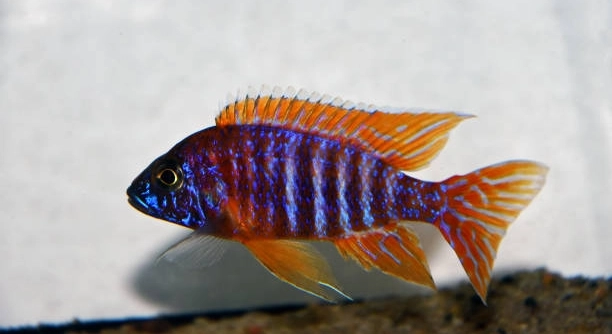
Spotting the dominant cichlid in a tank can help maintain harmony among your fish. Recognizing which fish controls territory or resources is important for a balanced aquarium environment and healthier interactions among tank inhabitants.
The dominant cichlid usually displays assertive behaviors such as chasing others, holding prime spots, and showing brighter coloration. Observing consistent territorial defense and food priority also signals dominance within the tank hierarchy.
Understanding these signs helps keep your aquarium peaceful and supports the well-being of all your cichlids.
Key Behaviors of a Dominant Cichlid
Dominant cichlids often show clear, assertive behaviors that distinguish them from others. They frequently chase or nip at other fish to establish control. These fish claim the best hiding spots and prime areas near food sources. Bright, intense coloration is common in dominant males, signaling their status. You might also notice these fish spending more time patrolling their territory and defending it from intruders. Their body posture is more upright and confident, with fins fully extended. In contrast, submissive fish tend to hide or swim away when confronted. Dominance is not only about aggression but also about maintaining a position within the social structure of the tank. It’s important to observe these behaviors over several days, as dominance can shift depending on tank dynamics and changes in the environment. Recognizing these patterns helps in managing tank harmony and preventing injuries or stress among fish.
Dominant cichlids often guard food aggressively and control territory confidently. These behaviors make them stand out clearly.
Watching these behaviors regularly can help you identify and manage the dominant fish, ensuring a peaceful tank environment. Adjusting tank setup or fish groupings based on these observations can prevent conflicts and promote healthier social interactions among your cichlids. Remember, dominance is a natural part of their behavior, and balancing it supports overall tank stability.
Signs of Stress in Submissive Cichlids
Submissive cichlids often show signs of stress due to the presence of a dominant tank mate. Stress indicators include hiding for extended periods, loss of appetite, and faded colors. These fish may become lethargic or show less interest in their surroundings. Stress weakens the immune system, making fish more vulnerable to disease.
Stress can significantly impact the health of submissive cichlids. In some cases, constant harassment by a dominant fish causes physical injuries or stunted growth. It’s important to provide plenty of hiding places and decorations to help submissive fish feel safe. Increasing the size of the tank or rearranging decorations can reduce territorial disputes by breaking clear sight lines. Sometimes introducing more fish or adjusting the species mix can balance aggression. Monitoring fish behavior daily allows early intervention before stress causes lasting harm. Ensuring water quality is optimal also supports stressed fish, as poor conditions worsen health issues. Proper care and observation are essential to keep all fish thriving, regardless of their social status.
How to Manage Dominance in Your Tank
Controlling dominant behavior can improve tank harmony. Providing enough space and hiding spots helps reduce aggression.
Increasing the tank size gives fish more room to establish territories without constant conflict. Adding plants, rocks, or decorations creates barriers and hiding places for submissive fish. This setup lets weaker fish retreat and lowers stress levels. Grouping similar-sized cichlids can also reduce bullying. Feeding multiple spots during feeding time helps prevent competition over food, limiting aggressive encounters. Adjusting water parameters to match species needs can keep fish calmer. In some cases, separating overly aggressive fish may be necessary to protect others. Consistent observation allows early detection of rising tensions and timely actions to maintain peace.
Using these strategies creates a more balanced environment where dominant fish express natural behavior without harming others. A well-planned tank setup supports healthier social dynamics, encouraging coexistence among your cichlids.
Observing Tank Dynamics Over Time
Dominance can change as fish grow or tank conditions shift. Regular observation is crucial to track these changes.
Fish may challenge the dominant individual as they mature or if tank composition alters. New additions can disrupt established hierarchies, causing temporary spikes in aggression. Seasonal changes or breeding cycles might also influence behavior. Watching how fish interact daily helps you catch these shifts early. Keeping a simple log of observations can assist in noticing patterns or repeated conflicts. This information guides decisions about tank adjustments or fish management. Staying aware of social dynamics ensures timely intervention, promoting long-term tank stability and fish well-being.
Feeding the Dominant Cichlid
Feeding time often highlights dominance, as dominant fish eat first and most aggressively. It is important to distribute food evenly.
Providing multiple feeding spots reduces competition. This helps submissive fish get enough nutrition without stress or constant chasing.
Adjusting Tank Setup
Rearranging tank decorations regularly can break established territories and reduce aggression. This disrupts dominance patterns temporarily, giving all fish a chance to settle.
Using Tank Dividers
Tank dividers can separate aggressive fish to prevent harm. They allow controlled interaction while maintaining visual contact, reducing stress for both dominant and submissive cichlids.
Monitoring Fish Health
Watch for signs of injury or illness, especially in submissive fish. Prompt treatment helps maintain overall tank balance and fish welfare.
FAQ
How can I tell if a cichlid is dominant without aggressive behavior?
Dominance is not always shown through aggression. Sometimes, a dominant cichlid simply controls the best territory or food source quietly. Watch for which fish holds specific hiding spots, eats first, or swims confidently around the tank. Bright coloration and upright posture can also indicate dominance.
Can dominance change between cichlids in the same tank?
Yes, dominance is not fixed. It can shift due to changes in size, health, or behavior of the fish. New additions or removal of certain fish may also alter the hierarchy. Watch tank dynamics regularly to understand these changes and maintain balance.
What are signs a dominant cichlid is causing stress to others?
Signs include submissive fish hiding excessively, losing appetite, or showing faded colors. They may appear lethargic or avoid common areas. Physical injuries from chasing or nipping are clear signs that aggression needs management.
Is it necessary to separate a dominant cichlid?
Separation is a last resort when aggression causes injury or severe stress. Before this, try tank rearrangement, more hiding spots, or multiple feeding areas. If these measures fail, using tank dividers or moving fish is better for overall health.
How do I prevent dominance issues when setting up a new tank?
Choose fish of similar size and temperament. Provide plenty of hiding places and decorations to break up territories. Feeding in multiple spots reduces competition. Monitor new fish introductions carefully and be prepared to adjust as needed.
Can diet affect dominance behavior in cichlids?
Yes, poor nutrition can increase aggression. Well-fed fish are calmer and less likely to fight over food. Balanced, frequent feeding reduces competition and stress in the tank.
Does tank size influence dominance?
Smaller tanks usually increase aggression due to limited space. Larger tanks allow fish to spread out and establish territories with less conflict. Choosing an appropriate tank size is key for managing social dynamics.
What role does water quality play in dominance?
Poor water quality stresses all fish, often increasing aggression and weakening submissive fish. Maintaining clean, stable water conditions helps reduce dominance-related stress and promotes healthier behavior overall.
How often should I observe my cichlids for dominance signs?
Daily quick checks are best. Regular observation helps catch early signs of aggression or stress before they become serious. Keeping notes on behavior changes can also help in managing the tank effectively.
Are some cichlid species more dominant than others?
Yes, some species naturally exhibit stronger territorial and aggressive behaviors. Research species traits before mixing them in the same tank to prevent severe dominance conflicts.
What should I do if a dominant cichlid injures another fish?
Isolate the injured fish for treatment and watch for infection. Assess tank conditions and adjust to reduce aggression. Increasing hiding spots or separating aggressive individuals may be necessary to prevent further harm.
Can adding more fish reduce dominance problems?
Adding more fish can sometimes spread aggression, but overcrowding may increase stress and conflict. It’s important to maintain a balanced number of fish for your tank size and species compatibility.
Do dominant cichlids always bully submissive ones?
Not always. Dominance is about hierarchy, and some dominant fish coexist peacefully after establishing their role. Problems arise when space or resources are limited, or if the dominant fish is overly aggressive.
How can I encourage peaceful coexistence among cichlids?
Provide enough space, hiding spots, and multiple feeding areas. Maintain good water quality and monitor behavior closely. Choosing compatible species and sizes also reduces aggression and supports stable social groups.
Is it normal for dominant fish to show brighter colors?
Yes, brighter coloration often signals dominance and fitness. It can be a visual display to assert control and attract mates. Changes in color can indicate shifts in social status or health.
Final Thoughts
Understanding how to spot the dominant cichlid in your tank is important for maintaining a balanced and healthy environment. Dominant fish naturally show behaviors such as chasing, holding prime territory, and eating first. Recognizing these signs early helps you take steps to reduce stress and aggression among your other fish. By paying attention to body language, coloration, and territorial habits, you can better manage social dynamics in your aquarium.
Managing dominance is about creating conditions where all fish can thrive. Providing enough space, hiding spots, and multiple feeding areas reduces competition and prevents constant conflict. Sometimes, rearranging tank decorations or increasing the tank size is necessary to help break up territories. Watching your fish regularly will allow you to notice any changes in behavior or rising tensions before they cause harm. Taking simple steps to support the needs of both dominant and submissive cichlids keeps your aquarium peaceful and enjoyable to watch.
Maintaining good water quality and a proper diet also plays a key role in controlling dominance issues. Healthy fish are calmer and less prone to aggression. Remember that dominance can shift over time, so ongoing observation and adjustments may be needed. Keeping a well-planned tank setup with compatible species supports natural behaviors without causing unnecessary stress. With consistent care and attention, your cichlids will live in a balanced, stable environment that benefits their health and happiness.

Hello,
If you enjoy the content that we create, please consider saying a "Thank You!" by leaving a tip.
Every little bit helps us continue crafting quality advice that supports the health, happiness, and well-being of pets around the world, for pets of all shapes, sizes, and species.
We really appreciate the kindness and support that you show us!