
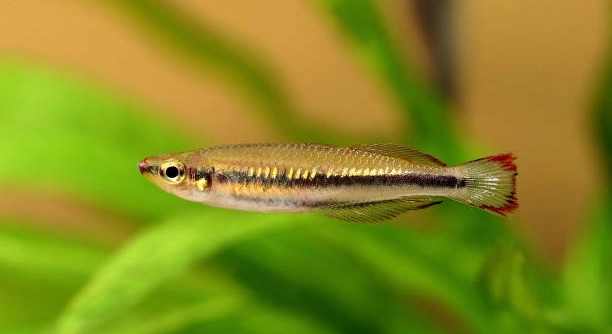
Rainbowfish are colorful, active, and peaceful fish that bring life to any aquarium. They can get along with other species, but combining fish requires some planning to ensure harmony in the tank environment.
Successfully mixing rainbowfish with other species requires attention to water parameters, tank size, temperament, and diet compatibility. Choosing appropriate companions and monitoring interactions reduces stress, prevents aggression, and maintains a healthy, balanced aquatic community for all inhabitants.
Learning how to combine rainbowfish with other species properly will make your aquarium more vibrant and enjoyable for everyone involved.
Choosing Compatible Tank Mates
Selecting the right tank mates for rainbowfish is essential for a peaceful aquarium. Rainbowfish thrive with other peaceful species that share similar water parameters and activity levels. Aggressive or overly territorial fish can stress rainbowfish, leading to illness or reduced color vibrancy. Mid-sized, non-aggressive fish such as tetras, danios, and rasboras are often suitable companions. Consider the size of the aquarium as well; overcrowding can increase stress and provoke conflict. Monitoring the behavior of all fish after introducing new companions is important. Keep an eye on feeding patterns, swimming behavior, and signs of hiding or aggression. Adjusting tank setup with more hiding spots and open swimming areas can reduce tension. It is also helpful to introduce fish in small groups rather than individually to prevent bullying and encourage natural schooling behaviors. Taking these steps ensures a balanced, healthy tank environment for rainbowfish and their companions alike.
Introducing rainbowfish to compatible tank mates increases activity and reduces stress, keeping colors bright and health stable.
Maintaining harmony in a mixed-species tank requires attention to both environmental and social factors. Adding new fish gradually and observing interactions allows you to intervene if aggression arises. Proper filtration, regular water changes, and a balanced diet support overall health. Plants, rocks, and decorations can create natural barriers and territories, reducing confrontations. It’s important to group rainbowfish in schools of at least six, as this reinforces natural behavior and provides security. Avoid placing slow or long-finned species with fast-moving rainbowfish to prevent nipping or chasing. Adjusting feeding routines so all species receive adequate nutrition is key. Over time, you will notice which species coexist naturally and which require separation. Regular observation ensures the aquarium remains a safe and visually appealing environment for all fish, and helps you make informed decisions when expanding or changing tank mates.
Maintaining Water Quality
Water quality is critical for rainbowfish health. Regular testing for pH, hardness, and ammonia levels ensures a stable environment.
Rainbowfish prefer slightly alkaline water with moderate hardness. Keeping temperature between 74–78°F supports their metabolism and activity.
Consistent water changes and proper filtration prevent the buildup of toxins. Overfeeding can quickly affect water quality, so providing only what the fish can consume in a few minutes is best. Testing kits allow you to monitor ammonia, nitrite, nitrate, and pH levels effectively. Adjusting filtration and flow rates helps accommodate mixed-species tanks, as some fish prefer calmer areas while rainbowfish enjoy open swimming space. Plants can aid in reducing nitrate levels and offer shelter. Understanding and maintaining these conditions reduces stress and enhances coloration. Observing fish behavior is also an indicator of water health, as lethargy, gasping, or faded colors often signal a problem. Proper maintenance ensures long-term harmony and vitality for rainbowfish and their companions.
Feeding Strategies
Rainbowfish need a varied diet to stay healthy and colorful. Mixing flakes, pellets, and live or frozen foods ensures proper nutrition without favoring one species over another.
Providing a balanced diet in a mixed-species tank requires careful planning. Rainbowfish benefit from high-quality flakes or pellets rich in protein, supplemented with live or frozen foods like brine shrimp, daphnia, or bloodworms. Slow-eating fish may struggle to compete during feeding, so spreading food across different areas helps all fish get enough nutrition. Observing feeding behavior can prevent overfeeding and reduce waste, which also helps maintain water quality. Feeding small portions multiple times a day encourages natural behavior and keeps energy levels steady.
Some tank mates may prefer different foods, so adjusting feeding techniques is important. Floating foods can attract surface swimmers, while sinking foods help bottom dwellers. Rotating food types also prevents boredom and ensures all fish receive essential vitamins and nutrients. Separating feeding zones can reduce competition, particularly in smaller tanks. Over time, you’ll notice which combinations of food keep everyone active, healthy, and vibrant. Monitoring growth and appearance provides clues if adjustments are needed, ensuring rainbowfish and other species thrive together.
Tank Layout and Decorations
Using plants, rocks, and hiding spots prevents territorial disputes and encourages natural swimming patterns for rainbowfish and companions.
Decorating a mixed-species tank requires balancing open swimming areas with shelters. Rainbowfish enjoy open water, so keep a central swimming zone free from obstructions. Dense plant clusters and rocks along the edges provide hiding places for shy or slower species. Floating plants can reduce light intensity, benefiting fish that prefer calmer conditions. Arranging decorations in layers creates multiple territories and reduces conflicts. Avoid sharp-edged ornaments that may injure delicate fins. Changing the layout gradually can prevent stress while allowing fish to explore safely.
Proper tank layout supports healthy interactions and reduces aggression. Providing visual barriers allows fish to retreat and feel secure, which is especially important during feeding and breeding. Open swimming spaces let rainbowfish display their natural schooling behavior without interference. Varying substrate types, such as sand or fine gravel, helps bottom dwellers forage comfortably. The combination of plants, rocks, and open zones also enhances the aquarium’s appearance, making it aesthetically pleasing while functional. Regular observation and minor adjustments ensure that all species coexist comfortably, promoting a lively and balanced aquatic environment.
Monitoring Behavior
Watching fish behavior daily helps catch problems early. Aggression, hiding, or changes in swimming can indicate stress or incompatibility between species.
Rainbowfish are active and curious, so any lethargy or repeated chasing signals a need for intervention. Keeping a close eye ensures all species remain healthy.
Quarantine New Fish
Quarantining new fish before adding them to the main tank prevents disease spread. A separate tank for two to four weeks allows observation for illness or parasites. Treating any health issues before introduction protects rainbowfish and existing tank mates.
Avoid Overcrowding
Crowding increases stress and aggression in rainbowfish and companions. Ensure the tank size matches the number and size of fish, leaving enough swimming space and hiding spots. Proper stocking maintains balance and reduces health issues.
Breeding Considerations
Rainbowfish breed easily in community tanks, but monitoring is necessary. Separating fry or providing dense plants prevents them from being eaten and supports healthy population growth.
FAQ
What species are best to keep with rainbowfish?
Rainbowfish do best with peaceful, mid-sized fish that share similar water parameters. Species like tetras, rasboras, danios, and smaller barbs are good companions. Avoid aggressive or slow-moving fish that may be nipped or stressed by their active swimming.
Can rainbowfish live with cichlids?
Some small, non-aggressive cichlids may coexist with rainbowfish, but larger or territorial cichlids can stress them. Careful observation is needed, and tank size must be large enough to provide separate territories. Dense plants and decorations help reduce conflicts.
How many rainbowfish should I keep together?
Rainbowfish are schooling fish and should be kept in groups of at least six. Smaller groups can lead to stress, hiding behavior, and duller colors. A proper school allows natural social interactions and reduces aggression toward tank mates.
Do rainbowfish need specific water conditions?
Yes, rainbowfish prefer slightly alkaline water with a pH between 7.0 and 8.0, moderate hardness, and temperatures around 74–78°F. Maintaining stable conditions prevents stress, supports metabolism, and keeps colors vibrant. Sudden changes can lead to illness or aggression.
How often should I feed rainbowfish?
Rainbowfish do well with small, frequent feedings. Offer high-quality flakes or pellets daily, supplemented with live or frozen foods two to three times a week. Spread food across the tank to ensure all fish get enough nutrition without overfeeding.
Can rainbowfish and bettas live together?
Bettas can be aggressive, especially males, and may harass rainbowfish. If attempting this combination, a very large tank with plenty of hiding spots is required. Observing behavior closely is essential, and separation may be necessary if conflicts arise.
Do rainbowfish require live plants?
Live plants are not strictly necessary but are highly beneficial. They provide hiding spots, reduce nitrate levels, and improve water quality. Floating or tall plants also help create natural territories and reduce stress in a mixed-species tank.
How do I prevent aggression in a mixed-species tank?
Choose peaceful species, maintain proper stocking levels, and provide hiding spaces. Group rainbowfish in schools, arrange decorations to create territories, and feed carefully to avoid competition. Regular observation ensures early intervention if aggression occurs.
Can rainbowfish breed in community tanks?
Rainbowfish can breed in community tanks if conditions are right. Dense plants or spawning mops allow eggs to be protected. Fry may need separation from other fish to survive. Maintaining water quality and proper nutrition encourages successful breeding.
How do I know if a fish is stressed?
Signs of stress include hiding, erratic swimming, faded colors, loss of appetite, or aggression. Stress can result from overcrowding, incompatible tank mates, poor water quality, or sudden changes in environment. Early detection allows corrective measures before illness develops.
What is the ideal tank size for rainbowfish?
A minimum of 30 gallons is recommended for small groups, but larger tanks are better for mixed-species setups. More space reduces aggression, allows schooling behavior, and accommodates hiding spots and decorations without overcrowding.
How can I keep water clean with multiple species?
Use adequate filtration, perform regular water changes, and avoid overfeeding. Live plants can help absorb nitrates. Monitoring ammonia, nitrite, and nitrate levels ensures all species thrive in a healthy, stable environment.
Are rainbowfish compatible with bottom dwellers?
Yes, rainbowfish generally get along with peaceful bottom dwellers like Corydoras or small loaches. Ensure enough space for both mid-water and bottom activity, and provide hiding spots to reduce stress for slower-moving species.
Can rainbowfish adapt to different tank conditions?
Rainbowfish are fairly adaptable but do best with stable pH, moderate hardness, and consistent temperatures. Sudden changes can trigger stress or illness. Gradual adjustments in water parameters are necessary when introducing them to a new tank or species.
What should I do if two species don’t get along?
Separate aggressive or stressed fish immediately. Rearrange the tank to create visual barriers, or move one species to a different tank. Observing behavior early prevents injuries and long-term stress for rainbowfish and their companions.
How important is lighting for rainbowfish?
Lighting is important for color display and plant growth but should not be too intense. Moderate light with a natural day-night cycle enhances activity and coloration. Floating plants can soften light if necessary, providing shaded areas for shy fish.
Do rainbowfish need a varied diet?
Yes, a mix of flakes, pellets, and live or frozen foods ensures proper nutrition and vibrant colors. Rotating food types prevents boredom and supports growth, immune function, and overall health in a mixed-species tank.
Can rainbowfish coexist with shrimp or snails?
Small invertebrates like shrimp and snails can coexist, but rainbowfish may nibble on very small or slow-moving shrimp. Providing hiding spots and dense plants increases their survival chances while keeping the tank balanced and active.
How do I introduce new fish to rainbowfish?
Introduce new fish gradually, ideally in small groups. Quarantine for two to four weeks before adding to the main tank to prevent disease. Observe interactions closely and adjust decorations or feeding to reduce competition and stress.
Is it necessary to rearrange the tank for new species?
Yes, rearranging decorations creates new territories and reduces territorial aggression. It helps fish acclimate to new companions and encourages natural exploration while minimizing conflicts. Small changes can make a big difference in harmony.
How can I tell if my tank is overstocked?
Signs include increased aggression, frequent hiding, cloudy water, and stressed behavior. Calculating the tank’s capacity based on fish size and activity helps maintain balance and prevent health problems. Overcrowding affects both rainbowfish and other species’ well-being.
Do rainbowfish need companions of the same species?
Yes, they feel more secure in groups. A school of at least six supports natural swimming patterns, reduces stress, and encourages active, vibrant behavior. Mixed-species tanks work best when rainbowfish have their own social group.
Can rainbowfish tolerate brackish water?
Some species can tolerate slightly brackish water temporarily, but most thrive in freshwater. Maintaining consistent freshwater conditions is safer and prevents stress or disease. Gradual acclimation is necessary if experimenting with salinity changes.
How often should I check water parameters?
Weekly testing is ideal, including pH, ammonia, nitrite, and nitrate. Frequent checks detect problems early and help maintain a stable environment, which is crucial for rainbowfish and their tank mates’ health.
What should I do if rainbowfish colors fade?
Faded colors can result from stress, poor diet, illness, or incompatible tank mates. Check water quality, improve diet, reduce aggression, and ensure proper lighting. Vibrant colors return when fish are healthy and comfortable in their environment.
Can rainbowfish live with goldfish?
Goldfish are cold-water fish and produce a lot of waste, making them incompatible with tropical rainbowfish. Mixing these species leads to stress, poor health, and water quality problems. Separate tanks are required for optimal care.
How do I reduce fin nipping in a mixed tank?
Ensure tank mates are peaceful and fast-moving, provide plenty of hiding spots, and maintain proper stocking levels. Grouping rainbowfish in schools also reduces targeted nipping and encourages natural behavior. Observing interactions helps identify and address issues early.
Can I keep multiple rainbowfish species together?
Yes, but choose species with similar size, temperament, and water requirements. Larger differences in size or behavior can lead to dominance issues, stress, and reduced coloration. Proper planning ensures coexistence without conflict.
How can I encourage natural schooling behavior?
Keep rainbowfish in groups of at least six, provide open swimming areas, and avoid aggressive tank mates. Schools reduce stress, encourage activity, and allow fish to display vibrant colors naturally, improving overall tank harmony.
What are common health issues for rainbowfish in mixed tanks?
Stress, poor water quality, and aggression are common issues. Disease outbreaks can occur if new fish are not quarantined. Maintaining water parameters, feeding properly, and observing behavior reduces risks and ensures long-term health.
How long do rainbowfish live in a community tank?
With proper care, rainbowfish can live five to eight years. Stable water conditions, a balanced diet, suitable tank mates, and adequate space all contribute to longevity and vibrant coloration.
Do rainbowfish need a specific substrate?
They are not strict about substrate, but fine gravel or sand is preferable. It allows bottom-dwelling tank mates to forage safely and prevents injury while supporting plant growth for hiding spots.
Can rainbowfish adapt to small tanks?
Small tanks are not ideal, as rainbowfish need space to school. Limited swimming space increases stress, aggression, and dull coloration. A tank of at least 30 gallons is recommended for small groups.
How do I prevent disease in a mixed-species tank?
Quarantine new fish, maintain water quality, avoid overfeeding, and observe behavior regularly. A balanced diet and proper tank layout also reduce stress, which helps prevent illness. Early intervention is key for maintaining a healthy community.
Are rainbowfish suitable for beginners?
Yes, they are hardy, adaptable, and peaceful, making them suitable for those with basic aquarium knowledge. Proper research on tank mates, water conditions, and feeding ensures success.
Rainbowfish are colorful, active fish that can brighten any aquarium when cared for properly. They are peaceful and do well with other compatible species, but careful planning is essential to avoid stress and aggression. Choosing the right tank mates, maintaining proper water conditions, and providing enough space are key factors that affect their health and behavior. These fish are schooling animals, so keeping them in groups helps them feel secure and display their natural activity. When introducing new species, it is important to observe interactions closely and make adjustments as needed. Overcrowding or pairing them with aggressive fish can lead to stress, poor coloration, or illness, so maintaining a balanced aquarium is critical. Paying attention to how all the fish behave and interact daily can prevent minor issues from becoming bigger problems. A well-planned tank allows rainbowfish to thrive while ensuring other species remain healthy and active.
Feeding rainbowfish a varied diet contributes to their vibrant colors and overall well-being. High-quality flakes or pellets, combined with live or frozen foods, provide essential nutrients. It is important to distribute food evenly in the tank so all fish get their share, especially in a mixed-species environment. Overfeeding should be avoided, as it can reduce water quality and create stress for sensitive species. Observing eating habits helps identify any fish that may not be getting enough nutrition and allows adjustments to feeding routines. In addition, maintaining clean water and proper filtration ensures that nutrients are used effectively and waste is minimized. Plants, rocks, and other decorations not only provide hiding spots but also support a natural environment where fish feel comfortable. The combination of proper diet, tank layout, and water quality creates conditions where rainbowfish and their companions can coexist peacefully and show their best colors.
Maintaining harmony in a mixed-species tank requires attention to both social behavior and environmental factors. Rainbowfish thrive in tanks where they feel safe and have room to swim freely. Adding decorations to create natural barriers or territories helps reduce conflicts and gives shy fish space to retreat. Regular water testing ensures that pH, hardness, and temperature remain stable, preventing stress and disease. Quarantining new fish before introduction reduces the risk of illness spreading in the tank. Observing behavior during daily routines allows timely interventions if aggression or stress arises. By carefully selecting tank mates, monitoring interactions, and maintaining water quality, rainbowfish can live long, healthy lives in a vibrant, peaceful community. Proper care results in a visually appealing aquarium where all species can coexist comfortably and actively, making the environment enjoyable to watch and maintain.

Hello,
If you enjoy the content that we create, please consider saying a "Thank You!" by leaving a tip.
Every little bit helps us continue crafting quality advice that supports the health, happiness, and well-being of pets around the world, for pets of all shapes, sizes, and species.
We really appreciate the kindness and support that you show us!