
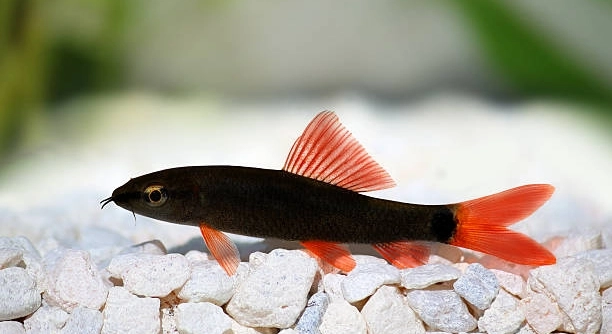
Rainbow sharks are popular aquarium fish known for their striking colors and lively behavior. Many aquarium owners enjoy watching their interactions and hope to breed them successfully. Recognizing breeding behavior can help provide the right environment for healthy offspring.
Rainbow shark breeding behavior includes increased territoriality, chasing, and specific courtship displays such as fin flaring and body vibrations. Males often become more aggressive and guard nesting sites, while females may show readiness by laying eggs on flat surfaces.
Identifying these signs early can improve breeding success and help maintain a peaceful tank environment for all fish.
Increased Territorial Behavior
Rainbow sharks become noticeably territorial during breeding periods. Males often stake out specific areas in the tank and defend them vigorously from other fish. You may observe chasing and aggressive displays like rapid swimming or lunging toward intruders. This behavior helps males establish dominance and secure a safe place for mating and egg-laying. Providing enough hiding spots and tank space can reduce stress for all fish during this time. Territorial behavior is usually more intense in larger tanks with multiple males. Females may also show some territorial tendencies but typically remain less aggressive. Understanding this behavior allows aquarists to manage tank dynamics effectively and prevent injuries. Watching these interactions closely is important for maintaining a balanced environment. Keeping water quality high and feeding regularly supports the fish through this active period. This behavior usually subsides once the breeding phase is complete, making patience key for aquarium owners.
Recognizing territorial signs early helps prepare the tank and reduce conflicts.
Managing territorial behavior is essential to protect both adult fish and developing eggs in the tank. Ensuring sufficient space and visual barriers can help minimize fights. Adjusting tank mates to avoid overly aggressive species is also beneficial. Careful observation during this time ensures prompt intervention if aggression escalates. Some aquarists separate overly dominant males temporarily to prevent harm. Regular water changes and feeding schedules maintain the fish’s health, supporting their natural behavior. Providing flat surfaces like slate or broad leaves encourages females to lay eggs safely. Monitoring water parameters such as temperature and pH also supports successful breeding. Patience is necessary, as breeding can be unpredictable and requires time. By understanding territorial behavior, aquarists increase the chances of a peaceful and productive breeding environment for rainbow sharks.
Courtship Displays and Egg Laying
Courtship behavior in rainbow sharks includes fin flaring, body vibrations, and circling between males and females. These displays signal readiness to mate and help strengthen pair bonds. Females typically choose flat surfaces to lay eggs, often on aquarium glass or smooth rocks. During egg laying, males closely guard the area to protect the developing eggs from other fish. Eggs appear as small adhesive clusters that stick firmly to the chosen surface. Maintaining a clean environment is vital to prevent fungus or bacterial growth on the eggs. The courtship and egg-laying phase usually lasts several days, after which adults return to normal behavior. Observing these behaviors carefully can guide timely care, including adjusting tank conditions to support fry development. Providing adequate nutrition and stable water quality improves the chances of healthy hatchlings emerging from the eggs. Patience and attentiveness during this period are crucial for successful breeding outcomes.
Changes in Appetite and Activity
Rainbow sharks often show changes in appetite during breeding. Males may eat less as they focus on defending territory and courting females. Females might also reduce feeding slightly during egg laying.
Reduced feeding is common due to stress and energy used for breeding activities. Males become more active, frequently patrolling their area and chasing intruders. This increased activity may tire them, making rest periods important. Females may appear calmer but still engage in egg-laying tasks, which require energy despite reduced appetite. Ensuring regular feeding with nutritious food helps support both sexes. Observing these changes can alert you to breeding phases and allow adjustments in care routines. Maintaining stable water conditions and minimizing disturbances also encourages healthier fish during this time.
Feeding small amounts multiple times a day can help keep energy levels stable. Offering live or frozen foods provides extra nutrients necessary for breeding and recovery.
Nesting Sites and Egg Care
Males select and guard flat, secure surfaces for females to lay eggs. These sites must be clean and free from algae or debris. Common choices include smooth rocks, slate tiles, or aquarium glass. Providing several options encourages breeding. Eggs are adhesive and stick firmly to these surfaces, requiring careful protection from other fish. After laying, males guard the eggs by chasing away intruders. Regular water changes and gentle cleaning help prevent fungus on eggs. Removing any sick or dead eggs improves survival rates. Stable water parameters, especially temperature and pH, are essential during this period. Proper care of nesting sites increases the likelihood of successful hatching. Observing this behavior closely allows for timely intervention if problems arise. Monitoring water quality and maintaining a stress-free environment supports the health of both adults and eggs.
Increased Hiding Behavior
During breeding, female rainbow sharks may hide more frequently. This behavior helps reduce stress and protects them from aggressive males. Providing plenty of plants and caves supports this natural instinct and promotes a safer environment.
Hiding also helps females conserve energy needed for egg development and laying. It is important not to disturb these hiding spots to maintain their comfort during this sensitive time.
Water Quality Importance
Maintaining excellent water quality is critical during breeding. Clean water supports egg health and reduces disease risk. Regular testing and partial water changes help keep parameters stable. Temperature, pH, and ammonia levels must remain within ideal ranges to ensure successful breeding outcomes.
Recognizing Fry Development
Eggs hatch within five to seven days, revealing tiny fry. These fry stay near the nesting site initially and require special care and feeding to thrive.
Tank Setup Adjustments
Adjusting tank layout with extra hiding spots and smooth surfaces encourages breeding success and protects eggs.
FAQ
How can I tell if my rainbow shark is ready to breed?
Males show more aggressive and territorial behavior, often chasing other fish and flaring fins. Females may become less active and seek hiding spots. Both fish engage in courtship displays like circling and vibrating their bodies. When females start laying eggs on flat surfaces, breeding is underway. Watching these signs closely helps confirm readiness.
What is the ideal tank environment for breeding rainbow sharks?
A spacious tank with plenty of hiding places and flat surfaces is important. Water temperature should be stable around 75-82°F (24-28°C), with neutral pH near 7.0. Regular water changes keep quality high. Avoid overcrowding to reduce stress and aggression. Using slate, smooth rocks, or aquarium glass for egg laying supports successful breeding.
Do rainbow sharks breed easily in community tanks?
Breeding can be difficult in community tanks due to competition and stress. Other fish may disturb eggs or disrupt courtship. If breeding is a priority, separating the pair or using a species-only tank improves success. Providing plenty of hiding spots and minimizing disturbances helps maintain calm during breeding periods.
How long does it take for eggs to hatch?
Eggs usually hatch in five to seven days, depending on temperature and water conditions. Warmer water speeds development slightly, but stability is key. After hatching, fry remain near the nesting site, vulnerable and needing specialized care.
What should I feed the fry?
Fry require very small, nutrient-rich foods such as infusoria, baby brine shrimp, or finely crushed flakes. Feeding multiple times a day in small amounts supports their growth. Gradually introduce larger foods as they develop. Clean water and careful feeding reduce the risk of disease and promote healthy fry development.
How do I prevent fungus on the eggs?
Maintaining clean water with regular partial changes helps prevent fungus. Removing dead or infected eggs promptly stops fungus from spreading. Some aquarists use antifungal treatments, but these should be applied carefully to avoid harming the adults or fry. Good filtration and gentle water flow reduce risks as well.
Can I keep multiple males during breeding?
Multiple males often lead to increased aggression and stress. Dominant males may harass others or disrupt breeding pairs. To avoid this, keep only one male with females during breeding or separate males in different tanks. Ensuring enough space and hiding spots reduces conflicts.
What is the best way to care for breeding adults?
Feed a balanced diet rich in protein to support energy needs during breeding. Keep water clean and stable, and minimize sudden changes or loud noises. Monitor behavior daily for signs of stress or illness. Providing plenty of space and hiding places helps adults feel secure and improves breeding success.
How often should I clean the tank during breeding?
Regular maintenance is important but avoid major disruptions. Partial water changes every few days keep water quality high without stressing fish. Gently clean nesting sites and remove debris carefully. Avoid moving or disturbing the eggs or adults too much to prevent stress or damage.
What if the adults eat the eggs or fry?
Adults may eat eggs or fry if stressed or hungry. Separating eggs or fry into a breeding box or different tank can protect them. Providing ample food for adults reduces the chance they will prey on offspring. Close monitoring helps identify aggressive behavior early for prompt intervention.
Final Thoughts
Breeding rainbow sharks requires patience, careful observation, and a good understanding of their behavior. Recognizing changes such as increased territoriality, courtship displays, and egg laying is essential to provide the right care. These signs help aquarists adjust tank conditions and feeding routines to support successful breeding. Creating a peaceful environment with plenty of hiding spots and clean, stable water will improve the chances of healthy eggs and fry. Breeding can be challenging, but paying attention to these details makes it easier to manage.
It is important to remember that rainbow sharks can become aggressive during breeding. Males defend nesting sites and may chase other fish, so tank space and visual barriers help reduce conflicts. Monitoring the adults regularly helps identify when aggression becomes harmful and allows timely action. Providing nutritious food supports both adults and developing fry. Removing dead eggs promptly and keeping water quality high prevent diseases. With consistent care, many aquarists find that their rainbow sharks will successfully breed and produce healthy offspring.
Finally, caring for the fry requires dedication and patience. Newly hatched fry are very small and need special foods like baby brine shrimp or infusoria. Maintaining water cleanliness and avoiding overcrowding help ensure their survival. It is also helpful to separate fry from adults to prevent accidental predation. Understanding each stage of breeding behavior and tank requirements improves overall success. With careful attention and time, breeding rainbow sharks can be a rewarding experience for aquarium owners.

Hello,
If you enjoy the content that we create, please consider saying a "Thank You!" by leaving a tip.
Every little bit helps us continue crafting quality advice that supports the health, happiness, and well-being of pets around the world, for pets of all shapes, sizes, and species.
We really appreciate the kindness and support that you show us!