
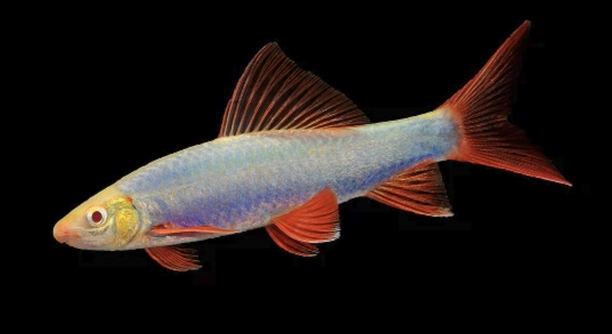
Are your Rainbow Sharks showing signs of unhealthy fins or unusual behavior? Fin rot is a common disease that affects these popular aquarium fish. Recognizing the symptoms early can help prevent serious damage and improve their well-being.
Fin rot in Rainbow Sharks is a bacterial infection that causes the fins to fray, discolor, and deteriorate. It is usually caused by poor water quality, stress, or injuries. Early detection and proper treatment are essential to stop the infection and restore fin health.
Knowing the signs and how to treat fin rot will help keep your Rainbow Shark healthy and thriving in your aquarium environment.
Common Signs of Fin Rot in Rainbow Sharks
Fin rot usually starts with small changes in your Rainbow Shark’s fins. The edges may look ragged or have a whitish line. You might notice your fish scratching against objects or swimming less actively. The fins can change color, becoming darker or lighter than usual. In severe cases, the fins may appear to be melting away or completely missing sections. These signs often appear gradually, so it is important to observe your fish daily. Other symptoms can include redness at the base of the fins or swollen areas. If untreated, the infection can spread to the body, causing more harm. Maintaining a clean tank helps prevent these signs from appearing.
Fin rot symptoms often worsen without timely care, so watch closely for any fin changes or odd behavior.
Early recognition allows you to act quickly and protect your Rainbow Shark from permanent damage. Regular tank maintenance and water testing are crucial in preventing fin rot and keeping your fish healthy.
Causes of Fin Rot in Rainbow Sharks
Poor water quality is the main factor leading to fin rot. High levels of ammonia, nitrites, or nitrates can weaken your fish’s immune system. Dirty tanks with leftover food, waste, or overcrowding increase stress, which makes fish more vulnerable to infections. Injuries from sharp decorations or aggressive tank mates can create entry points for bacteria. Stress can also arise from sudden changes in temperature, water parameters, or improper diet. Bacterial infections thrive in these conditions, attacking damaged or weak fin tissue. Preventing fin rot means controlling these environmental factors and ensuring your Rainbow Shark has a stable and clean habitat.
To avoid fin rot, regularly clean the tank and monitor water conditions closely.
Regular water changes, proper filtration, and careful introduction of tank mates all help maintain a healthy environment. Feeding your Rainbow Shark a balanced diet strengthens its defenses. If injuries occur, prompt treatment reduces infection risk. Prevention is always better than cure when it comes to fin rot.
How to Treat Fin Rot in Rainbow Sharks
Treatment starts with improving water quality immediately. Perform partial water changes to reduce toxins and test water parameters regularly. Using a good aquarium filter helps keep the environment stable. Avoid overcrowding to reduce stress and prevent further infections.
Antibacterial medications specifically designed for fin rot are effective. Follow dosage instructions carefully to avoid harming your fish or beneficial bacteria in the tank. Treating the entire tank is often necessary since bacteria can spread easily. Removing sharp objects or aggressive fish reduces injury risks. Keep the tank temperature steady to support your Rainbow Shark’s immune system during recovery. Clean the tank and change water frequently during treatment to help speed healing.
Support your fish with a nutritious diet rich in vitamins and proteins. Proper nutrition helps boost the immune system and aids fin regeneration. Avoid sudden changes in water or temperature until fins fully heal.
Preventing Fin Rot in Your Aquarium
Consistent tank maintenance is the key to prevention. Regular water testing and partial water changes keep harmful chemicals at safe levels. Removing uneaten food and waste prevents bacterial growth. Using a reliable filter keeps the water clean and oxygenated.
Avoid overcrowding your aquarium to reduce stress among fish. Introduce new fish slowly, quarantining them before adding to the main tank. Providing hiding spots and smooth decorations prevents injuries. Stable water temperature and proper feeding routines strengthen your fish’s health. By maintaining these conditions, you minimize the chances of fin rot and create a better habitat for your Rainbow Shark to thrive.
Signs Fin Rot Is Improving
Fins will start to look less ragged and begin to regrow new tissue. The color should return to normal, and any redness will fade. Your Rainbow Shark will likely swim more actively and show less irritation.
Healing can take a few weeks depending on the severity. Continued good water quality and treatment are essential during this time. Avoid sudden changes to help the fish fully recover.
When to Consult a Veterinarian
If fin rot worsens despite treatment, professional help may be needed. A vet can prescribe stronger medications and check for other underlying health issues. Persistent infections can sometimes require advanced care.
How to Support Your Rainbow Shark’s Recovery
A calm environment and balanced diet are important for healing. Avoid stressors like aggressive tank mates and sudden water changes. Proper care speeds fin regeneration and keeps your fish healthy.
FAQ
How long does fin rot take to heal in Rainbow Sharks?
Fin rot recovery time depends on how early treatment begins and the infection’s severity. Mild cases can improve in one to two weeks with proper care. More severe infections may take several weeks or longer. Consistent water quality and treatment are essential throughout the healing process.
Can fin rot come back after treatment?
Yes, fin rot can return if the conditions that caused it are not corrected. Poor water quality, stress, or injury can cause reinfection. Maintaining a clean tank, stable water parameters, and reducing stress lowers the chance of recurrence.
Is fin rot contagious to other fish?
Fin rot bacteria can spread in the aquarium, especially if water quality is poor. It is important to treat the entire tank, not just the affected fish. Quarantining new fish before adding them can help prevent introducing infections.
What medications are safe for treating fin rot?
Antibacterial treatments formulated for aquarium use are generally safe when used as directed. Common options include antibiotics and antibacterial fish medications. Avoid overdosing and follow instructions closely to protect both your fish and beneficial bacteria in the tank.
Can fin rot heal on its own without medication?
In very mild cases, fin rot may improve with excellent water quality and reduced stress alone. However, medication speeds healing and prevents worsening. Waiting too long to treat can lead to permanent fin damage or more serious infections.
How often should I change water during fin rot treatment?
Frequent partial water changes help remove harmful bacteria and toxins. Changing 20-30% of the water every few days is recommended. Use dechlorinated water that matches tank temperature to avoid stressing your Rainbow Shark.
What causes fin rot besides bacteria?
Physical injuries from sharp decorations or tank mates can lead to fin damage and allow bacteria to infect. Stress from overcrowding, poor diet, or sudden environmental changes also weakens fish immunity and increases risk.
Is fin rot only caused by poor water conditions?
While poor water quality is the main factor, fin rot can also result from injuries or stress. Multiple factors often combine to weaken the fish and promote bacterial growth. Keeping a balanced and clean environment is essential.
Can I prevent fin rot by using water conditioners?
Water conditioners that remove chlorine and heavy metals help protect fish but do not prevent fin rot alone. Regular tank cleaning, proper filtration, and balanced nutrition play a larger role in prevention.
Should I isolate a Rainbow Shark with fin rot?
Isolating a sick fish can reduce stress and prevent spreading bacteria. However, if the tank is treated properly, isolation may not be necessary. Use quarantine tanks for severe cases or if the main tank conditions cannot be controlled.
Does temperature affect fin rot treatment?
Maintaining a stable temperature within your Rainbow Shark’s preferred range supports immune function and treatment effectiveness. Avoid sudden temperature changes that can increase stress and slow recovery.
What diet helps a Rainbow Shark recover from fin rot?
A diet rich in protein and vitamins boosts the immune system. High-quality pellets, frozen or live foods like bloodworms or brine shrimp, can support faster healing. Avoid overfeeding to maintain water quality.
Can stress cause fin rot to worsen?
Yes, stress lowers the fish’s immune response, making infections harder to fight. Stress factors include overcrowding, aggressive tank mates, poor water conditions, and sudden changes in the environment. Reducing stress improves treatment outcomes.
How can I tell if fin rot is getting worse?
Worsening fin rot means fins become more ragged, discolored, or start to fall apart quickly. The base of the fins may show swelling or redness. Fish may also become lethargic or stop eating. Immediate action is needed if these signs appear.
Are there natural remedies for fin rot?
Some aquarium owners use natural remedies like aquarium salt or certain plant extracts to support healing. These can help but should not replace proper medication and water care. Always research and use natural treatments carefully to avoid harm.
Taking care of a Rainbow Shark with fin rot requires careful attention to both the fish and its environment. This disease can damage fins quickly if left untreated, but catching it early makes a big difference. Keeping an eye on your fish’s fins and behavior will help you notice any changes that might suggest a problem. Regular tank maintenance and monitoring water quality are key to preventing fin rot from developing in the first place. Small daily efforts like removing leftover food and checking water parameters keep the tank healthy and reduce stress on your fish.
Treating fin rot involves more than just giving medicine. Improving water conditions, maintaining stable temperature, and feeding a nutritious diet all help your Rainbow Shark’s immune system fight the infection. Following treatment instructions carefully ensures the best results. It is also important to avoid overcrowding and reduce stress by choosing compatible tank mates and providing hiding places. The combination of proper care and environment supports healing and helps your fish regain its strength. Recovery can take several weeks, so patience and consistency are essential during this time.
Preventing fin rot is always better than curing it. By keeping your aquarium clean and well-maintained, you provide the best chance for your Rainbow Shark to stay healthy and thrive. Regular water changes, good filtration, and a balanced diet are the foundation of fish health. Watching for early signs of fin rot and acting quickly can stop the disease before it causes lasting damage. With proper care, your Rainbow Shark can enjoy a long, healthy life in your aquarium.

Hello,
If you enjoy the content that we create, please consider saying a "Thank You!" by leaving a tip.
Every little bit helps us continue crafting quality advice that supports the health, happiness, and well-being of pets around the world, for pets of all shapes, sizes, and species.
We really appreciate the kindness and support that you show us!