
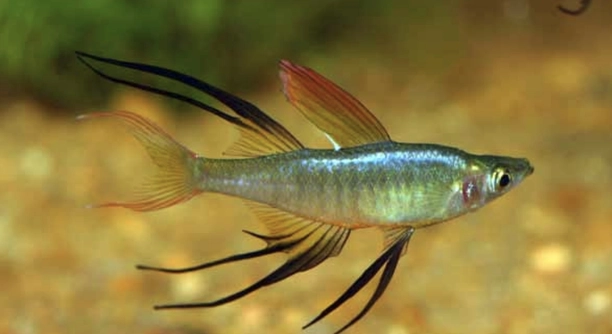
Do you ever find yourself drawn to the beauty of Threadfin Rainbowfish but feel unsure about how to create the right tank for them? Their delicate appearance makes proper care and setup an important part of keeping them healthy.
The ideal tank for Threadfin Rainbowfish should have soft, slightly acidic water, gentle filtration, and ample swimming space. A well-planted environment with fine-leaved plants provides both security and display value, supporting their peaceful nature and vibrant coloration effectively.
Creating the right balance of plants, water conditions, and space ensures your Threadfin Rainbowfish thrive beautifully in their home.
Choosing the Right Tank Setup
Threadfin Rainbowfish need a carefully designed tank that matches their peaceful nature and delicate build. A tank size of at least 20 gallons is ideal, as it gives them the space to swim freely in small groups. They thrive in soft, slightly acidic water, so it’s important to monitor pH and hardness closely. A fine substrate, such as sand or smooth gravel, will help mimic their natural environment and protect their delicate fins. Adding dense plants like Java moss, fine-leaved stems, and floating cover creates both shelter and breeding opportunities. Gentle filtration is also necessary, as strong currents can stress these small fish. Lighting should be moderate to highlight their subtle shimmer without overwhelming them. Temperature stability is key, ideally kept between 75–82°F, ensuring they remain active and comfortable. With these details in place, you set the foundation for a healthy and visually appealing tank.
A balanced setup not only creates comfort but also enhances the fish’s natural colors and behaviors, making them more enjoyable to observe daily.
When choosing tank decorations, focus on natural elements that complement the plants. Driftwood, smooth stones, and leaf litter create safe hiding spots and add a natural look. Avoid sharp or rough objects, as Threadfin Rainbowfish have delicate fins that can tear easily. Selecting tank mates is also important. They prefer calm companions, such as other small rainbowfish or peaceful tetras, that will not compete aggressively for food or space. Schooling is vital for their well-being, so keeping them in groups of at least six will prevent stress and encourage natural behavior. Careful arrangement of plants and decorations helps create both open swimming areas and sheltered zones. This balance allows the fish to feel secure while still showcasing their graceful movements. By keeping their specific needs in mind, you can build a tank environment where Threadfin Rainbowfish flourish and remain active.
Water Conditions and Care
Threadfin Rainbowfish are highly sensitive to water quality, making regular maintenance and stable conditions essential for their health and longevity.
Clean, stable water plays the biggest role in keeping Threadfin Rainbowfish healthy. Weekly partial water changes of about 25–30% help maintain proper conditions, preventing harmful build-up that could stress the fish. Using a reliable water test kit allows you to track pH, hardness, and ammonia levels with accuracy. These fish prefer water that is slightly acidic to neutral, typically with a pH between 6.0 and 7.0. A gentle filter system is best, as it keeps the water clear without creating strong currents that overwhelm their delicate fins. Temperature consistency is also vital; sudden fluctuations can weaken their immune system and cause illness. Aim for a steady range of 75–82°F using a dependable heater. Feeding should be frequent but light, with a variety of high-quality flakes, live, or frozen foods. By combining stable water conditions, careful feeding, and consistent maintenance, you create the perfect foundation for thriving Threadfin Rainbowfish.
Feeding Threadfin Rainbowfish
Threadfin Rainbowfish need a varied diet that supports their small size and active nature. Their mouths are tiny, so foods must be finely crushed or naturally small to ensure they can eat without difficulty. A consistent feeding routine keeps them healthy and lively.
Live and frozen foods like daphnia, baby brine shrimp, and microworms are excellent choices that encourage natural feeding behaviors. Supplement these with high-quality micro-pellets or finely crushed flakes to balance nutrition. Feed them in small amounts two to three times daily, making sure no food remains uneaten, as excess waste can quickly affect water quality. Proper feeding enhances their color and energy.
Variety is important to prevent nutritional gaps. Rotating between live, frozen, and prepared foods ensures they get the proteins, fats, and vitamins needed for long-term health. Overfeeding should be avoided, as it can stress their digestive system. Careful attention to diet results in stronger immunity and brighter coloration.
Tank Mates for Threadfin Rainbowfish
Threadfin Rainbowfish are peaceful and do best with calm companions that will not nip at their delicate fins or outcompete them for food. Choosing the right tank mates helps them remain stress-free and display their natural behaviors with confidence.
Good tank mates include small species like neon tetras, ember tetras, and other gentle rainbowfish varieties. Corydoras catfish are also suitable, as they occupy the bottom of the tank and rarely disturb upper swimmers. Avoid aggressive or fin-nipping fish such as barbs, bettas, or larger cichlids, as these can intimidate or injure Threadfin Rainbowfish. A community of calm, similarly sized species allows for balanced interactions. Keeping them in schools of at least six, alongside peaceful tank mates, creates a lively yet harmonious aquarium. The right mix not only reduces stress but also ensures that Threadfin Rainbowfish thrive in both color and activity.
Breeding Threadfin Rainbowfish
Breeding requires a well-planted tank with fine-leaved plants or spawning mops where eggs can attach safely. Males display vibrant fins during courtship, and keeping a group increases the chance of natural spawning behavior.
Eggs are usually scattered and should be removed or protected from adults, as parents do not guard them. A separate rearing tank improves survival, allowing fry to grow without competition or predation from adult fish.
Caring for Fry
Threadfin Rainbowfish fry are very small and need microscopic foods like infusoria or liquid fry food during the first days. As they grow, they can be transitioned to freshly hatched brine shrimp and finely crushed flakes. Stable water and gentle filtration are vital, as fry are sensitive to changes. Frequent small water changes also help maintain growth. With attentive feeding and clean conditions, fry will gradually develop their delicate fins and shimmering appearance, eventually joining the adult group when large enough.
Common Health Issues
Threadfin Rainbowfish may suffer from fin damage, stress-related illnesses, or parasitic infections if water conditions are unstable. Prompt treatment, clean water, and proper diet help reduce risks and ensure they remain active and healthy over time.
FAQ
How many Threadfin Rainbowfish should be kept together?
Threadfin Rainbowfish are schooling fish, so they should always be kept in groups. A minimum of six ensures they feel safe and display natural behaviors. Larger groups not only reduce stress but also make their delicate movements and colors more noticeable. Keeping them alone or in very small numbers often results in shy, inactive fish. A group setup allows them to thrive and brings out their active nature.
What is the ideal tank size for Threadfin Rainbowfish?
A tank of at least 20 gallons is recommended, especially when keeping a proper school of six or more. The extra space provides room for swimming, reduces territorial stress, and allows for planting and decorations without crowding. Smaller tanks may lead to poor water quality and limited swimming space, which negatively impacts their health. For the best results, choose a tank with length rather than height, as Threadfin Rainbowfish prefer horizontal swimming areas.
Do Threadfin Rainbowfish get along with shrimp or snails?
Yes, they are generally peaceful with shrimp and snails. Small freshwater shrimp such as Amano or cherry shrimp can coexist with Threadfin Rainbowfish in a planted tank. However, baby shrimp may occasionally be eaten, so providing dense plant cover gives them protection. Snails such as nerites or mystery snails are completely safe companions, as the fish show no interest in them. Combining these in a well-planted tank can create a balanced and active ecosystem.
How often should Threadfin Rainbowfish be fed?
Feed them two to three small meals daily instead of one large portion. Their tiny mouths and active metabolism mean they benefit from smaller, more frequent feedings. Uneaten food should be avoided, as it quickly pollutes the tank and stresses the fish. Live or frozen micro-foods combined with high-quality flakes or pellets provide balance. Adjust feeding based on activity level, and always aim for clean water by keeping portions small and manageable.
What water parameters are best for Threadfin Rainbowfish?
They prefer soft, slightly acidic to neutral water, with a pH range between 6.0 and 7.0. Water hardness should be kept low to moderate, ideally below 12 dGH. The temperature range should stay steady between 75–82°F, as fluctuations can cause stress and illness. Regular testing ensures conditions remain stable. Using a heater and reliable filter system helps maintain consistency, while weekly partial water changes keep the environment clean. Stability is key, as these fish are sensitive to sudden changes.
Can Threadfin Rainbowfish live in community tanks?
Yes, they do very well in peaceful community tanks. Suitable companions include small tetras, rasboras, Corydoras catfish, and other gentle rainbowfish species. Avoid aggressive or fin-nipping fish such as barbs, bettas, or cichlids. The goal is to pair them with species of similar size and temperament, ensuring no competition for food or space. A calm community allows Threadfin Rainbowfish to display their graceful fins and lively swimming patterns without stress.
How can I tell the difference between males and females?
Males have more elongated, thread-like fins and display brighter colors compared to females. During breeding displays, males often show more intense fin movements to attract females. Females, while less colorful, still have a subtle shimmer and shorter fins. Observing these differences becomes easier when keeping a group, as the contrast is clearer. These distinctions are especially noticeable when the fish are mature and in good health.
Do Threadfin Rainbowfish need live plants in their tank?
Live plants are highly recommended, as they provide shelter, security, and spawning sites. Fine-leaved plants like Java moss, Cabomba, or Myriophyllum are especially useful for breeding. Floating plants also help diffuse light, making the fish feel more comfortable. Plants improve water quality by absorbing excess nutrients and offering natural hiding spots for fry. While artificial plants can be used, they lack the benefits of oxygenation and water balance that live plants provide.
How long do Threadfin Rainbowfish live?
With proper care, Threadfin Rainbowfish can live around three to five years in captivity. Their lifespan depends heavily on water quality, diet, and overall tank management. A stable environment, regular feeding with nutritious foods, and protection from stress all contribute to a longer life. Keeping them in schools also reduces stress, further supporting their health. While relatively short-lived compared to larger species, their delicate beauty and graceful behavior make them rewarding to keep during their lifespan.
Are Threadfin Rainbowfish difficult to keep?
They are considered moderately easy to care for but require attention to detail. Their sensitivity to water quality means consistent maintenance is essential. They are not as hardy as some beginner fish, but with the right setup and routine care, they adapt well. Their small size and peaceful temperament make them suitable for intermediate aquarists ready to manage water parameters carefully. Success with Threadfin Rainbowfish comes from patience, regular monitoring, and providing a balanced tank environment.
Can Threadfin Rainbowfish be kept with bettas?
This pairing is not recommended. Bettas can be territorial and may nip at the delicate fins of Threadfin Rainbowfish. Even in larger tanks, the risk of aggression remains high, especially with male bettas. Threadfin Rainbowfish thrive best with calm, non-aggressive species. Choosing safer companions ensures their fins remain intact and their behavior stress-free.
What is the best way to prevent disease in Threadfin Rainbowfish?
Prevention comes down to clean water, stable parameters, and a varied diet. Regular water changes and avoiding overfeeding reduce the risk of illness. Quarantining new fish before adding them to the main tank helps prevent the spread of parasites or infections. Observing the fish daily for changes in behavior, appetite, or appearance allows for early detection. A stable, stress-free environment is the strongest defense against common health issues.
Do Threadfin Rainbowfish need special lighting?
They do not require special lighting, but moderate light levels are ideal. Bright lights can make them feel exposed, while low light may reduce plant growth. Floating plants help diffuse lighting and create a comfortable setting. Good lighting also enhances their natural shimmer, making their subtle colors more visible without stressing them.
How often should water be changed in a Threadfin Rainbowfish tank?
A partial water change of 25–30% once a week is best. This prevents harmful waste buildup while keeping water conditions stable. Avoid large, sudden water changes, as these can shock the fish. Using dechlorinated water at the correct temperature ensures safe, effective maintenance. Consistency is more important than volume when it comes to water changes.
Final Thoughts
Threadfin Rainbowfish are delicate yet captivating fish that bring movement and grace to any aquarium. Their long, flowing fins and shimmering bodies make them stand out, but their needs require a certain level of care and attention. They thrive in well-planned setups that mimic their natural environment, which means soft water, gentle filtration, and carefully chosen plants. These details may feel demanding at first, but they make a noticeable difference in the health and activity of the fish. Observing them move through a tank designed with their needs in mind shows how rewarding it can be to keep them. Their schooling behavior, subtle displays, and peaceful interactions add a calm rhythm to the aquarium, making them a species that many aquarists value deeply once they experience their presence.
Caring for Threadfin Rainbowfish is about balance. They are not as hardy as some beginner fish, but with consistent maintenance, they prove to be manageable even for those still building experience. The key lies in paying attention to water quality, providing a reliable diet, and selecting compatible tank mates. These fish are sensitive, and changes in their environment quickly affect them, which is why stability is crucial. In return for that care, they reward keepers with vivid displays during courtship, gentle schooling patterns, and an aquarium that feels active without being chaotic. Their presence can even encourage more thoughtful fishkeeping, as their well-being is directly tied to the effort put into their care. This makes them a species that teaches patience, observation, and a greater appreciation for the details of aquarium keeping.
Threadfin Rainbowfish may not live as long as larger species, but the years they spend in a carefully managed tank are often filled with beauty and activity. They highlight the importance of planning, from tank setup to feeding, and show that small fish can bring significant character to a community aquarium. Keeping them also provides an opportunity to create a peaceful aquascape where plants and fish complement one another naturally. For many aquarists, this combination becomes a source of calm and enjoyment, as watching a healthy group of Threadfin Rainbowfish glide gracefully through the water is both relaxing and satisfying. In the end, these fish remind us that thoughtful care leads to lasting results, and that even the smallest species can leave a meaningful impact in an aquarium when given the right conditions.

Hello,
If you enjoy the content that we create, please consider saying a "Thank You!" by leaving a tip.
Every little bit helps us continue crafting quality advice that supports the health, happiness, and well-being of pets around the world, for pets of all shapes, sizes, and species.
We really appreciate the kindness and support that you show us!