
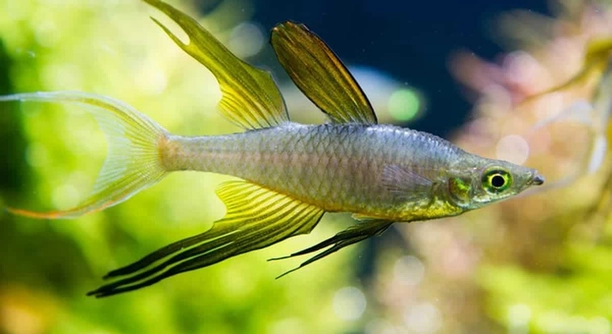
Have you ever noticed threadfins swimming near your hands when you are in the water? These fish often approach humans with gentle movements, seemingly intrigued by our presence and the subtle motions of our fingers.
Threadfins do exhibit curiosity toward human hands. Observations show that these fish often investigate unfamiliar objects, including hands, by approaching, circling, and lightly touching. This behavior suggests a combination of natural inquisitiveness and environmental awareness rather than aggressive or defensive responses.
Learning more about these interactions can provide insight into the intelligence and social tendencies of threadfins in their natural habitats.
Observing Threadfins Up Close
Watching threadfins interact with human hands can be fascinating. These fish often approach slowly, gliding over the water with delicate movements. Their attention seems drawn to the motion of fingers, the way hands break the surface, and even the tiny ripples caused by tapping. Some threadfins hover closely, circling before briefly touching, then retreating. This cautious behavior shows a mix of curiosity and wariness, highlighting their ability to assess potential threats. In shallow waters, this interaction can feel almost like a silent communication. Threadfins do not bite or show aggression; instead, they demonstrate subtle investigation, seemingly learning from each encounter. By observing carefully, you can notice differences in their reactions depending on water clarity, time of day, and presence of other fish. Over time, patterns emerge that reveal their intelligence and adaptability, allowing for a deeper appreciation of how they navigate both natural and human-influenced environments.
Their approach is gentle and deliberate, reflecting natural inquisitiveness rather than fear.
Regular observation helps in understanding their behaviors, showing that threadfins adjust movements based on surroundings, other fish, and human activity in the area. Consistency in their reactions suggests a level of learning and adaptation uncommon in many small fish species.
Factors Influencing Interaction
Water conditions play a key role in how threadfins respond to hands.
Clarity, temperature, and current all affect their willingness to approach. Clear water encourages closer investigation, while murky water often causes hesitation. Warmer temperatures can increase activity levels, making them more responsive. The presence of other fish may either encourage interaction, through social behavior, or create distraction. Feeding patterns also influence engagement; threadfins accustomed to people may be bolder. Over repeated observations, individual fish may display unique patterns, showing personal tendencies in their curiosity. Understanding these factors can help predict when threadfins are most likely to interact, providing opportunities for careful study without causing stress or disturbance to their natural habits. Recognizing subtle cues in their environment and behavior reveals the delicate balance these fish maintain between exploration and caution, offering insights into both their instincts and learned responses.
How Threadfins Explore
Threadfins use their fins and mouths to investigate objects, including human hands. They often circle slowly, nibble lightly, or hover nearby, showing careful attention without aggression. Their movements appear deliberate, reflecting a natural curiosity rather than fear or random activity.
Observation shows that threadfins assess objects using multiple senses. They rely on sight to track movement and detect shapes, while their lateral lines sense vibrations and pressure changes in the water. When a hand enters their space, they often pause, circle, and adjust distance before closer investigation. This combination of sensory input allows them to gauge potential risks and decide how much interaction is safe. Over repeated encounters, threadfins may become more confident, reducing hesitation and increasing the time spent exploring hands or other objects in their environment.
Some threadfins approach more boldly than others. Individual differences are noticeable, with some fish quickly inspecting and returning repeatedly, while others maintain a cautious distance. These variations may result from prior experiences, natural temperament, or environmental factors like water clarity and presence of other fish. Tracking these behaviors over time can reveal patterns and preferences, helping to understand both curiosity and caution in these fish.
Human Influence on Behavior
Repeated interaction with humans can shape threadfins’ responses.
Fish that frequently encounter hands may show reduced hesitation and approach more readily. They can learn to associate human presence with minimal threat, adjusting movements to explore more closely. Over time, individual fish may develop unique strategies for investigating hands while avoiding potential danger.
Patterns of interaction demonstrate adaptability in threadfins. Exposure to consistent, non-threatening human presence can gradually alter natural caution, allowing fish to engage more willingly. However, these changes are gradual and vary among individuals. Some may remain cautious despite frequent contact, while others become noticeably bold. The environment, previous encounters, and social influences all contribute to how each fish responds. Recognizing these factors is important for anyone observing or studying threadfins, ensuring that interactions respect natural behavior while highlighting their capacity to learn and adapt in subtle, observable ways.
Sensory Awareness
Threadfins rely on multiple senses to explore their environment. They use vision to detect movement and shape, while their lateral lines sense vibrations and pressure changes in the water. This combination helps them approach hands cautiously yet curiously.
Even subtle motions of fingers can trigger attention. Threadfins respond to small changes in water currents, adjusting their position or pausing before investigating. This sensitivity highlights their finely tuned awareness and ability to interact safely with unfamiliar objects in their surroundings.
Individual Differences
Not all threadfins behave the same way around human hands. Some approach quickly and investigate repeatedly, while others maintain distance and observe cautiously. Individual temperament and prior experience influence these responses.
Safety Considerations
Human hands should remain gentle and still to avoid startling threadfins. Abrupt movements can cause stress or retreat.
Observing Reactions
Tracking the patterns of threadfins’ responses over time reveals their learning and adaptability. Fish adjust behavior depending on repeated interactions, environmental conditions, and presence of other fish. These observations can provide insight into their intelligence and cautious curiosity.
FAQ
Do threadfins bite human hands?
Threadfins are generally non-aggressive and do not bite hands. When they interact, they use gentle touches or hover near fingers. Their natural curiosity drives them to investigate, but they rarely show behaviors associated with aggression, such as snapping or biting. Observing them closely, you can see that their movements are cautious and deliberate.
Why do threadfins approach some people but not others?
Individual differences in fish behavior play a role. Some threadfins are naturally bolder, while others are more cautious. Water conditions, prior encounters, and the way hands move can also influence whether they approach. Smooth, slow movements tend to encourage exploration, while sudden motions can cause them to retreat.
How can I encourage threadfins to interact safely?
Keeping hands still and calm in the water encourages threadfins to explore without feeling threatened. Avoid splashing or abrupt gestures. Patience is key, as repeated gentle presence helps them learn that human hands pose no danger. Over time, this approach can lead to more consistent and close interaction.
Do threadfins recognize individual humans?
While not fully proven, repeated interactions suggest threadfins may learn to recognize familiar people by movement patterns or consistent behavior. Fish exposed to the same individuals over time often approach more confidently, indicating a form of learned recognition or habituation to specific humans.
Are threadfins’ reactions affected by water conditions?
Yes, water clarity, temperature, and currents significantly influence their behavior. Clear, calm water encourages exploration, while murky or fast-moving water may increase caution. Temperature affects activity levels; warmer water generally makes them more responsive, while colder water slows movements, making them less likely to investigate.
Can threadfins distinguish between hands and other objects?
Threadfins respond to any object entering their space, but hands often elicit more attention due to movement patterns and subtle vibrations. They tend to circle, hover, or lightly touch, showing careful assessment rather than random interaction. Over time, repeated exposure may make them more comfortable with human presence.
Is it safe to touch threadfins?
Directly touching threadfins is not recommended. While they rarely bite, physical contact can stress them or damage delicate fins. Gentle observation and allowing them to approach voluntarily is the safest way to interact. Maintaining distance helps preserve natural behaviors and reduces potential harm.
Do social interactions with other fish affect their curiosity?
Yes, the presence of other fish can influence threadfins’ behavior around hands. Some may be bolder when companions are nearby, while others may be distracted or cautious. Group dynamics, such as following peers or observing others’ actions, play a role in how confidently individual fish explore unfamiliar objects.
How long does it take for threadfins to become comfortable around hands?
Comfort levels vary based on individual temperament and exposure. Some fish may approach quickly within a few encounters, while others take weeks or longer to reduce hesitation. Patience and consistent, non-threatening interaction are key factors in building trust over time.
Can threadfins’ curiosity indicate intelligence?
Their careful observation, cautious experimentation, and ability to adjust behavior based on repeated experiences suggest a form of intelligence. While not the same as mammals, these patterns show learning, adaptability, and environmental awareness, reflecting complex behaviors in response to humans and surroundings.
Do threadfins approach hands for food?
Occasionally, fish may associate human presence with feeding, especially in areas where people regularly provide food. However, even without food, many threadfins show curiosity purely from natural inquisitiveness, investigating movement and vibrations to understand their environment.
Are younger threadfins more curious than adults?
Younger fish often show bolder exploration, likely due to a combination of inexperience and higher activity levels. Adults may approach more cautiously, relying on prior knowledge and instinctive caution. Observing different age groups highlights variations in curiosity and responsiveness within the species.
Can repeated human interaction harm threadfins?
Excessive or stressful contact can negatively impact their behavior and health. Consistent, gentle observation without forcing contact preserves their natural instincts and reduces stress, allowing them to continue exhibiting curiosity safely in their habitat.
What are the signs a threadfin is stressed?
Rapid darting, sudden retreat, or hiding indicates stress. Avoiding interaction and changing water conditions can also signal discomfort. Recognizing these behaviors helps ensure that human interaction remains safe and does not disrupt natural habits or cause unnecessary stress.
How do threadfins explore without hands present?
Threadfins use fins, mouths, and lateral lines to investigate natural objects, other fish, and environmental changes. Their exploratory behavior is part of survival, helping them locate food, detect threats, and understand their surroundings, which naturally extends to interactions with humans.
Can threadfins’ reactions predict behavior in other situations?
Yes, careful observation can reveal patterns of boldness, caution, and curiosity. Fish that approach hands confidently may also explore new objects or changes in the environment more readily, while cautious individuals tend to assess before engaging. Understanding these tendencies offers insight into species behavior overall.
Do threadfins remember interactions over time?
Evidence suggests that repeated experiences influence future behavior. Fish that consistently encounter non-threatening hands often approach more quickly in subsequent interactions. This memory demonstrates learning ability and shows that threadfins can retain information about their environment and potential risks.
Are there differences between species of threadfins in human interaction?
Different threadfin species may vary in curiosity and boldness. Some are naturally more exploratory, while others exhibit greater caution. Environmental context, prior exposure, and individual temperament also shape how each species responds to human presence. Observing multiple species highlights these subtle behavioral distinctions.
Is it important to limit human interaction with threadfins?
Yes, moderation ensures that curiosity does not become stress. Limiting interaction allows them to maintain natural behaviors, reducing the risk of habituation that could affect feeding, predator awareness, or social dynamics. Controlled observation benefits both the fish and anyone studying or enjoying them.
Can threadfins’ curiosity be used for educational purposes?
Absolutely. Observing their reactions to human presence can teach about fish behavior, learning, and environmental awareness. It offers an opportunity to study natural curiosity, sensory perception, and adaptability, providing insight into the species’ intelligence and behavioral patterns in a non-intrusive way.
How do environmental changes affect interaction?
Changes such as water temperature shifts, increased turbidity, or altered currents can influence approach behavior. Threadfins may be less responsive or more cautious until conditions stabilize. Awareness of environmental factors is key for safe observation and maintaining consistent behavior patterns.
Are there risks of feeding threadfins during interaction?
Feeding can alter natural behavior, encouraging dependence on humans. While it may increase boldness, it can also disrupt feeding patterns and social interactions. Observing without feeding helps maintain natural curiosity while preserving instincts and environmental balance.
Do threadfins communicate during human interaction?
While subtle, body movements and positioning suggest communication among individuals. Observing reactions near hands can reveal cues about caution, curiosity, or signaling within groups. These behaviors provide insight into social awareness and decision-making processes among fish.
Can threadfins’ curiosity indicate health?
Active exploration and consistent responses often reflect good health, while lethargy or avoidance may suggest stress or illness. Monitoring behavior provides indirect insight into physical and mental well-being, helping maintain safe and supportive environments for these fish.
What is the best way to observe threadfins safely?
Remain still, move slowly, and respect their space. Avoid touching, sudden movements, or forcing interaction. Observing quietly and patiently allows threadfins to express natural curiosity, providing valuable insight into behavior while minimizing stress.
How long should observation sessions last?
Short, consistent sessions are ideal. Overly long interactions can cause fatigue or stress, whereas repeated brief sessions allow fish to explore comfortably. Balancing time ensures safe, informative observations and maintains natural behavior.
Can multiple people affect threadfins’ curiosity?
Yes, more people can increase caution or distraction. Fewer, calm observers allow fish to focus and interact more confidently. Managing human presence supports safer, more accurate observation of natural behavior and curiosity patterns.
Do threadfins ever lose interest in human hands?
Yes, habituation or repeated exposure without novelty can reduce interest. Fish may approach less frequently if hands become predictable or unchanging. Introducing minimal variation in observation can maintain engagement without causing stress or disruption.
How does age influence reaction to hands?
Younger fish often explore more boldly, while adults may remain cautious. Age-related differences reflect experience, learned caution, and energy levels, shaping how each fish investigates human presence. Observing across ages highlights the diversity of responses within populations.
Can threadfins’ curiosity inform conservation efforts?
Observing their natural inquisitiveness helps researchers understand habitat use, social behavior, and stress responses. This knowledge can guide habitat protection, human interaction management, and species monitoring, contributing to more effective conservation strategies and better care in managed environments.
Do environmental enrichment practices affect their curiosity?
Yes, adding objects or subtle changes encourages exploration. Enrichment stimulates natural behaviors, supporting cognitive development and reducing stress. Observing responses to human hands alongside enrichment can reveal adaptability and learning in controlled and natural settings.
Are there seasonal variations in interaction?
Yes, seasonal changes such as breeding, temperature shifts, or food availability affect behavior. Fish may approach less during high activity or stress periods and be more curious during calm, resource-rich conditions. Tracking these patterns provides deeper understanding of environmental influences.
Can threadfins be trained to interact with hands?
While not “trainable” like mammals, repeated gentle exposure encourages approach behavior. Fish gradually learn that hands are non-threatening, adjusting movement and exploration. Patience and consistency are key to fostering safe, voluntary interactions.
What behaviors indicate increased comfort around humans?
Longer proximity, closer inspection, and reduced retreat suggest growing comfort. Fish may circle, hover, or investigate more confidently, reflecting learned safety and adaptation to repeated, gentle human presence.
Are there risks to social dynamics when multiple fish interact with hands?
Yes, dominant individuals may influence group behavior, leading to boldness or avoidance. Observing social effects provides insight into hierarchy, peer influence, and caution patterns, highlighting complex interactions within groups of threadfins.
How do predators affect curiosity toward humans?
Presence of predators can reduce willingness to approach. Threadfins weigh potential threats against curiosity, often retreating quickly when danger is near. Understanding predator influence clarifies cautious or hesitant behaviors around human hands.
Can water depth influence interaction?
Yes, shallow water allows closer observation and interaction, while deeper areas may reduce curiosity or approach frequency. Fish adjust behavior based on perceived risk and accessibility, reflecting a balance between investigation and safety.
Is repeated observation ethical?
Yes, when conducted responsibly. Avoid stress, touching, or forced interaction. Ethical observation supports natural behaviors, maintains health, and provides reliable insights into threadfins’ curiosity and learning capacity without harming them.
How do other fish species affect threadfin curiosity?
Presence of other species can encourage or distract exploration. Some fish mimic cautious or bold behaviors, while competition or interference may alter approach patterns. Understanding these dynamics offers a broader view of aquatic interactions.
Do threadfins’ reactions differ in captivity?
Captive environments may change responses due to limited space, familiarity with humans, or lack of predators. They may show bolder approaches, but observation still requires careful handling to maintain natural curiosity and prevent stress.
Can human scent or chemicals affect interaction?
Yes, lotions, sunscreen, or soaps on hands can deter approach. Fish are sensitive to chemical changes in water, so minimizing contaminants helps ensure safe, voluntary exploration.
Are there long-term benefits to observing threadfins?
Consistent observation provides insight into learning, adaptability, social behavior, and environmental responses. Understanding these patterns informs conservation, research, and education while allowing safe engagement with natural behaviors.
How do threadfins balance curiosity with caution?
They weigh potential risk against exploration needs. Careful approach, hovering, and retreating reflect a thoughtful assessment, showing an innate balance between learning about the environment and avoiding danger.
Do threadfins’ interactions vary by time of day?
Yes, activity levels and curiosity can change. Morning or calm periods often see more exploration, while midday heat or disturbances may reduce approach. Tracking timing helps predict interactions and observe natural patterns effectively.
Can observing threadfins improve water safety awareness?
Yes, noticing how they react to currents, disturbances, and movement can teach about subtle water dynamics. Observers learn to interpret behavior as an indicator of environmental conditions, enhancing both study and safety during interaction.
Do threadfins approach in groups or individually?
Both occur. Some explore alone, while others follow peers or mimic movement. Social context influences boldness and curiosity, highlighting cooperative and observational learning within groups.
Are there risks of habituation to humans?
Excessive interaction may reduce natural caution, making fish less wary of threats. Limited, careful observation maintains natural behavior while allowing curiosity to be studied safely.
How can one document threadfin behavior effectively?
Using notes, photos, or video allows accurate tracking of approach patterns, response times, and social interactions. Consistent documentation over multiple encounters provides insight into learning, curiosity, and individual differences.
Do threadfins’ reactions provide insight into aquatic ecosystems?
Yes, their curiosity, caution, and sensory use reflect environmental health, predator presence, and resource distribution. Observing responses can highlight ecological changes, supporting both research and conservation efforts.
Can threadfins’ curiosity inspire environmental education?
Observing their careful exploration offers lessons about fish behavior, adaptation, and environmental awareness. It demonstrates intelligence and learning in aquatic species, supporting educational programs focused on natural observation and responsible interaction.
Are threadfins affected by human noise?
Loud disturbances or vibrations can increase caution, reduce approach, or cause retreat. Maintaining calm and quiet environments encourages voluntary exploration and preserves natural behavior during observation.
Do threadfins’ reactions vary seasonally with food availability?
Yes, scarcity may increase cautiousness, while abundance can encourage exploration. Seasonal variation affects activity levels, social behavior, and willingness to investigate unfamiliar objects, including human hands.
Can repeated observation improve research accuracy?
Yes, tracking consistent patterns over time reveals reliable insights into curiosity, learning, and environmental responses. Patience and careful documentation enhance understanding while minimizing stress to fish.
Are threadfins’ reactions different in natural versus artificial habitats?
Natural environments encourage authentic curiosity and cautious exploration. Artificial settings may alter boldness, approach frequency, or stress levels, though careful handling can preserve observation quality and behavioral insight.
Do threadfins interact differently with familiar versus unfamiliar humans?
Repeated gentle exposure can increase comfort with specific individuals. Familiar humans often elicit closer, more confident exploration, reflecting learning and recognition over time.
How can observing threadfins support conservation?
Studying curiosity, social behavior, and environmental sensitivity informs habitat protection and species management. Safe observation highlights adaptability, learning, and natural responses critical for long-term conservation efforts.
Can threadfins’ curiosity reveal health or stress levels?
Yes, active exploration indicates well-being, while avoidance, lethargy, or rapid retreat suggests stress. Careful observation can provide indirect insight into overall health and environmental comfort.
Do threadfins’ interactions differ between day and night?
Yes, nocturnal activity is usually lower. Reduced visibility and natural circadian rhythms influence caution, exploration, and willingness to approach human hands. Daytime observation generally provides clearer behavioral patterns.
Is it better to observe threadfins alone or in groups?
Small, calm groups or solitary observation is most effective. Too many observers may cause distraction or stress, while minimal presence allows fish to act naturally and explore voluntarily.
Can environmental enrichment enhance interaction quality?
Adding subtle changes or objects promotes natural behavior, cognitive stimulation, and curiosity. When combined with safe human observation, enrichment supports exploration without causing stress.
Do threadfins’ responses indicate learning ability?
Yes, consistent approach, decreased hesitation, and adjusted exploration over
Final Thoughts
Threadfins are fascinating fish to observe because their behavior is simple but telling. They show curiosity in small ways, like hovering near objects or slowly approaching new things in their environment. Watching them can be surprisingly rewarding because even small movements carry meaning. When threadfins interact with human hands, it is not because they expect food or want attention—it is their way of exploring something unusual in their space. Over time, repeated observation makes it clear that these fish balance curiosity and caution. They are not reckless, but neither are they completely shy. This balance helps them survive in the wild while still allowing them to explore unfamiliar elements, including humans. Observing this teaches patience and attentiveness, as it requires noticing subtle movements and understanding how the fish respond to changes around them.
Careful interaction and observation are important for both the fish and the person watching. Touching or forcing contact can cause stress and disrupt natural behaviors. Instead, patience is key. Allowing the fish to approach on their own terms creates a safe environment. It also gives insight into their natural instincts and social dynamics. Threadfins are sensitive to water conditions, movement, and even small vibrations, so remaining calm and still helps them feel secure. Observing quietly also allows for learning about their environment. You can see how they interact with other fish, respond to currents, and adapt to changes in their surroundings. These patterns are not only interesting to watch but also provide useful information about their habits and well-being.
Finally, watching threadfins is a reminder of how even small, simple behaviors can reveal complexity. Their curiosity, social awareness, and careful exploration highlight how animals adapt to their environment and learn from repeated experiences. Observing them can teach respect for natural behavior and the importance of minimal disturbance. By approaching interactions responsibly, it is possible to enjoy these moments without harming the fish or altering their instincts. Over time, repeated observation can reveal more patterns and behaviors, deepening understanding and appreciation of the species. Threadfins show that learning about animals does not require dramatic events or risky encounters—it can happen quietly, through careful attention and consistent observation. Patience and mindfulness are enough to discover meaningful insights, and these moments of connection make observing them both educational and quietly rewarding.
Word count: 407

Hello,
If you enjoy the content that we create, please consider saying a "Thank You!" by leaving a tip.
Every little bit helps us continue crafting quality advice that supports the health, happiness, and well-being of pets around the world, for pets of all shapes, sizes, and species.
We really appreciate the kindness and support that you show us!