
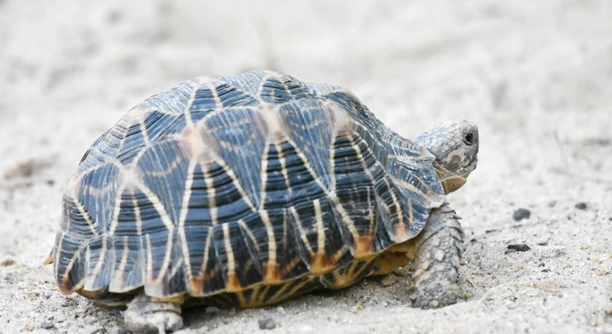
Are you struggling to maintain the proper humidity levels for your Indian star tortoise? Keeping their environment just right is crucial for their health and well-being, especially since these tortoises are sensitive to moisture levels.
The best way to ensure proper humidity for your Indian star tortoise is by maintaining levels between 60% to 80%. Using methods such as misting, adding damp substrate, or placing humidity hides can help achieve this range effectively.
Understanding these methods will not only help you prevent common health issues but also create a safe and comfortable habitat for your tortoise.
Understanding the Importance of Proper Humidity for Indian Star Tortoises
Maintaining the right humidity levels is essential for your Indian star tortoise’s health. These tortoises originate from dry regions, but they still need consistent humidity to stay hydrated and avoid issues like shell deformities. Humidity plays a vital role in keeping their skin and respiratory system healthy. Without proper moisture, they can develop dry, cracked shells or suffer from breathing problems. The right balance prevents dehydration and helps hatchlings grow strong, smooth shells. By understanding their needs, you can create a comfortable habitat that supports their well-being every day.
Without the proper humidity, your tortoise may face serious issues, including pyramiding, respiratory infections, and dehydration. Keeping the enclosure balanced with moisture is essential for their health and growth.
Focusing on humidity management will make a noticeable difference in your tortoise’s comfort. With the right adjustments, you can prevent common health issues and promote a thriving environment.
Best Methods to Maintain Proper Humidity
Creating the perfect habitat for your Indian star tortoise requires a few simple adjustments to their enclosure. Effective methods include using damp substrates, adding humidity hides, and regularly misting their space to maintain ideal moisture levels.
Start with a moisture-retaining substrate like coconut coir or cypress mulch. These materials help maintain steady humidity levels without making the enclosure too wet. Misting the enclosure twice daily keeps the air moist, but avoid soaking the substrate. Placing a humidity hide filled with damp sphagnum moss provides your tortoise with a cozy, humid retreat. If needed, add a shallow water dish to increase moisture. For precise control, use a hygrometer to monitor humidity levels.
Adding live plants can also help regulate moisture while providing a natural feel to the enclosure. Adjusting ventilation by partially covering the enclosure lid can trap humidity without reducing airflow. Consistency is key to maintaining a healthy environment for your tortoise.
Using Substrate to Maintain Humidity
Choose a moisture-retaining substrate like coconut coir, cypress mulch, or organic topsoil. These materials help maintain a stable humidity level without becoming too soggy, creating a natural environment that supports your tortoise’s health and comfort.
Coconut coir is a great option because it retains moisture well without getting moldy. Cypress mulch is another excellent choice, offering both humidity control and a natural appearance. For the best results, use a mixture of organic topsoil and coir to balance moisture retention and airflow. Regularly check the substrate for dryness and mist lightly if it feels too dry. A substrate depth of around 3 inches is ideal for holding moisture and allowing your tortoise to burrow.
Replace the substrate every two months to prevent bacteria buildup. Spot-clean daily to remove waste and keep the enclosure fresh. Keeping the substrate slightly damp, not soaked, helps maintain consistent humidity without encouraging mold growth.
Using Humidity Hides
Humidity hides give your tortoise a private, moisture-rich space within their enclosure. A proper hide can prevent dehydration, support healthy shell growth, and reduce stress. Place the hide on the warm side of the enclosure to promote regular use.
Create a humidity hide using a plastic container or reptile cave filled with damp sphagnum moss or coconut fiber. Cut an entry hole for your tortoise and ensure it stays dark inside to provide comfort. Regularly check the moss to keep it moist but not soaked. Change the moss weekly to prevent mold.
A well-placed humidity hide helps regulate your tortoise’s hydration without raising the entire enclosure’s humidity too high. Tortoises often use these hides during the hottest parts of the day. By maintaining moisture inside the hide, you help your tortoise avoid issues like pyramiding and dry skin. Keep the hide’s entrance accessible and ensure it’s large enough for your tortoise to enter comfortably.
Misting the Enclosure
Mist the enclosure twice a day, in the morning and evening, to maintain proper humidity levels. Use a spray bottle with room-temperature water, and lightly spray the substrate, walls, and décor. Avoid over-soaking to prevent mold or bacterial growth.
Use distilled or dechlorinated water for misting to prevent harmful chemicals from building up in the enclosure. Pay extra attention to misting around the humidity hide and plants to help maintain moisture. Adjust the frequency if your hygrometer shows levels are too high or too low.
Using a Water Dish for Humidity
Place a shallow water dish inside the enclosure to increase humidity. The dish should be wide enough for evaporation but shallow to prevent drowning risks. Refill it with fresh water daily and clean it regularly to avoid bacteria growth.
Position the dish near a heat source to promote evaporation, which naturally boosts humidity. You can also add small stones to the dish for safety, making it easier for your tortoise to climb out if they step inside. Using warm water can slightly increase moisture levels during colder months. A water dish is a simple but effective way to maintain consistent humidity without making the enclosure too damp.
Using Live Plants
Add live, humidity-loving plants like pothos, spider plants, or ferns to help regulate moisture levels. They naturally release water into the air through transpiration, creating a balanced and healthier habitat for your tortoise.
FAQ
What humidity level is ideal for an Indian Star Tortoise?
The ideal humidity level for an Indian Star Tortoise ranges from 60% to 80%. This helps maintain their hydration levels and supports healthy shell growth. It’s important not to let the humidity go too high, as this could lead to respiratory issues. Use a hygrometer to keep track of the moisture in the enclosure. If you find that the humidity fluctuates too much, adjust your misting routine or substrate choice accordingly.
How often should I mist my Indian Star Tortoise’s enclosure?
Misting should be done at least once or twice a day. If you live in a particularly dry climate or if your home has low humidity, you may need to mist more frequently. The goal is to keep the environment moist but not soaked. Be careful not to overdo it, as too much moisture could cause mold growth or make the enclosure too damp, which could harm your tortoise.
Can I use a humidifier for my Indian Star Tortoise?
Yes, a humidifier can be useful if you struggle to maintain consistent humidity. Set the humidifier near the enclosure, but avoid placing it directly inside. Too much humidity can make the environment uncomfortable and unhealthy for your tortoise. A humidifier can be especially helpful if you live in a dry area. Just be sure to regularly check the humidity levels using a hygrometer.
How do I know if the humidity is too high for my tortoise?
If the humidity level exceeds 80% for long periods, it may cause problems for your tortoise. Overly high humidity can lead to respiratory infections or skin issues. You might notice your tortoise breathing heavily or acting lethargic if the air is too damp. Adjust your misting schedule or improve ventilation to reduce the humidity. Make sure the temperature remains stable to avoid creating a damp, cold environment.
Can I use a heat lamp to help with humidity?
Heat lamps can help raise the overall temperature in your tortoise’s enclosure, but they don’t directly impact humidity. However, the heat can cause evaporation from water dishes or damp substrate, increasing humidity naturally. Just ensure that the heat is not too strong or directed in one area, as this could dry out the humidity. Combining heat with proper humidity control methods, like misting and using a substrate that retains moisture, will give your tortoise a more balanced environment.
What is the best substrate to use for maintaining humidity?
Coconut coir is one of the best substrates for keeping humidity levels steady. It holds moisture well and is easy to work with. Cypress mulch also helps with humidity and adds a natural feel to the enclosure. These substrates are good for retaining moisture without becoming too soggy. Avoid using sand or soil that doesn’t retain moisture, as it won’t help maintain the necessary humidity for your tortoise. Regularly check the moisture level and add water if needed to keep the substrate moist but not too wet.
How can I adjust humidity in a dry climate?
If you live in a dry climate, you’ll need to be extra mindful of your tortoise’s humidity. Consider using a humidifier to keep the air moist. Additionally, you can increase misting frequency, add a larger water dish, or introduce more live plants to help raise humidity levels. Be sure to monitor the humidity closely using a hygrometer and adjust the misting or substrate accordingly to maintain the proper range.
Is it necessary to have a humidity hide for my Indian Star Tortoise?
While it isn’t strictly necessary, a humidity hide can be a great addition to your tortoise’s enclosure. It provides a more controlled, humid microenvironment where your tortoise can retreat when it needs higher moisture levels. A hide filled with damp sphagnum moss is ideal. This allows your tortoise to self-regulate its hydration levels and can help with shedding and skin health.
Should I replace the substrate regularly?
Yes, it’s important to replace the substrate every two months or so to avoid bacteria buildup and ensure that the humidity levels remain stable. Spot-cleaning daily helps keep things tidy, but old substrate can harbor mold and waste. Be sure to refresh the entire substrate to maintain a healthy and clean environment. Regularly check for mold or signs of decay to ensure a safe habitat.
How can I prevent mold in my tortoise’s enclosure?
To prevent mold, avoid over-misting the enclosure. Too much moisture encourages mold growth. Make sure the humidity levels are within the recommended range (60%-80%) and not too high. Keep the substrate slightly damp, not soaking wet, and ensure the enclosure is well-ventilated. Remove any old, wet substrate and replace it regularly to prevent mold buildup. Additionally, monitor your tortoise’s hide and water dish to ensure they are clean and dry.
Can I use regular tap water for misting?
It’s best to use distilled or dechlorinated water for misting. Regular tap water often contains chlorine and other chemicals that can harm your tortoise’s respiratory system. If you don’t have access to distilled water, let tap water sit for 24 hours to allow chlorine to evaporate before using it in the enclosure.
Maintaining the right humidity levels for your Indian Star Tortoise is essential for its health and well-being. These tortoises come from areas that experience dry conditions, but they still need a certain level of moisture to thrive. A balanced environment helps prevent dehydration, skin issues, and respiratory problems. By adjusting humidity levels carefully and providing a few key additions, such as a proper substrate, water dish, and humidity hide, you can ensure that your tortoise remains healthy and comfortable.
It’s important to monitor the humidity in the enclosure regularly. Using a hygrometer will help you keep track of moisture levels and make adjustments as needed. Misting the enclosure twice a day, adding humidity hides, and choosing moisture-retaining substrates are simple methods that will help you achieve the right balance. Remember that too much humidity can be harmful, so it’s essential to avoid over-wetting the enclosure. Always strive to maintain humidity levels within the ideal range of 60% to 80%.
Creating a suitable habitat for your Indian Star Tortoise may take some time and observation, but the effort is well worth it. Your tortoise will benefit from a stable environment, leading to a healthier and happier life. By using the techniques discussed, you can prevent common issues like dry skin or respiratory infections. Over time, you’ll become more familiar with your tortoise’s specific needs, making it easier to keep its home comfortable.

Hello,
If you enjoy the content that we create, please consider saying a "Thank You!" by leaving a tip.
Every little bit helps us continue crafting quality advice that supports the health, happiness, and well-being of pets around the world, for pets of all shapes, sizes, and species.
We really appreciate the kindness and support that you show us!