
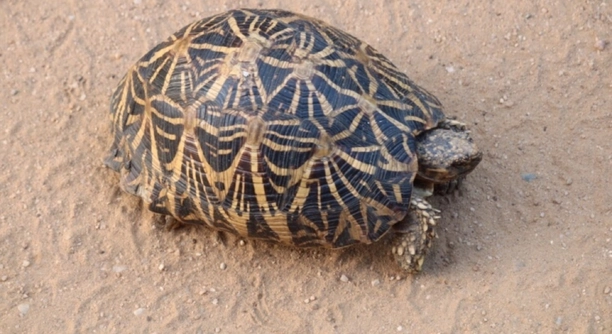
Stress is a common concern for many pet owners, and it’s no different for our shelled friends like the Indian Star Tortoise. Their environment and care directly influence their well-being. Learning how to reduce stress in these tortoises is important for their health.
To reduce stress in your Indian Star Tortoise, it’s crucial to maintain a calm, secure environment. Ensuring proper temperature, humidity, and adequate hiding spots can help them feel at ease. Regular care routines and handling them gently also reduce stress.
These tips will help you create a peaceful environment for your tortoise and guide you in preventing stress-related issues.
Create a Proper Habitat
A suitable habitat is essential for reducing stress in your Indian Star Tortoise. Start with a spacious enclosure that allows them to move freely. The tortoise needs a warm, dry spot where it can bask, as well as a cooler, shaded area for resting. Proper lighting, like UVB bulbs, is necessary to support their health and help them synthesize vitamin D3.
Make sure the substrate in the enclosure is appropriate for digging, as tortoises love to burrow. Coconut husk or a mix of soil and sand works well. Avoid using anything too dusty or sharp, as it can irritate their skin and lungs.
Having a water dish in the enclosure is also important, though make sure it’s shallow enough to prevent accidental drowning. Keeping the space clean and free of sharp objects will allow your tortoise to relax and explore without stress.
Proper Diet for a Stress-Free Tortoise
A healthy diet is another key factor in reducing stress. Feed your tortoise a variety of leafy greens and vegetables. Avoid offering high-protein foods, as these can lead to health issues over time.
Regular feeding schedules can help establish a routine, making your tortoise feel more secure. Never overfeed, as it can lead to obesity, which causes discomfort and stress. Make sure to add fresh water to their diet, but don’t rely on it as the sole hydration source.
Tortoises may also enjoy the occasional fruit treat, but they should only get this in moderation to avoid excess sugar intake.
Minimize Handling and Disruptions
Stress can result from constant handling or being disturbed during their quiet time. Indian Star Tortoises need plenty of time to themselves in order to feel secure. While they are generally not aggressive, they can get anxious if picked up too frequently. Limit handling to once or twice a week, and always do so gently.
Make sure your tortoise’s enclosure is located in a quiet area of your home. Avoid placing it near high-traffic areas, such as doorways or busy rooms. Sudden movements or loud noises can startle them, leading to stress.
Additionally, try to keep their living area free from aggressive animals, including other tortoises. If your tortoise is housed with others, ensure there’s enough space for them to avoid territorial conflicts. The less commotion, the more relaxed your tortoise will be.
Maintain Proper Temperature and Humidity
Temperature control plays a significant role in keeping your tortoise comfortable. Indian Star Tortoises thrive in temperatures around 80-85°F during the day and slightly cooler at night. It’s essential to provide a basking spot with higher temperatures of 90°F to allow them to regulate their body heat.
Humidity is equally important for their well-being. Too much moisture can cause shell rot, while too little can lead to dehydration. Aim for humidity levels between 50% and 70%. Keep a humidity gauge in the enclosure to monitor conditions. If needed, you can increase humidity by misting the habitat or using a humidifier.
If you live in a dry climate, using a humidity box can be beneficial for your tortoise, as it offers a space where they can retreat to maintain the right levels of moisture.
Provide Safe Hiding Spots
Indian Star Tortoises are naturally shy creatures and enjoy having a space where they can hide and feel secure. Providing hiding spots can significantly reduce their stress levels. These spots should mimic the natural environment and offer a sense of safety.
You can create hiding spots by using caves, plants, or logs inside the enclosure. Make sure there are multiple options, so your tortoise can choose where it feels most comfortable. Avoid overcrowding the enclosure with too many items, as it can make them feel trapped.
The hiding spots also need to be easily accessible, so your tortoise can retreat without difficulty. If your tortoise feels threatened or stressed, it will appreciate having somewhere to escape and relax.
Keep the Enclosure Clean
Maintaining a clean enclosure is crucial for reducing stress. Dirty environments can cause health problems, attract pests, and lead to an uncomfortable habitat. Clean the enclosure regularly, removing uneaten food, waste, and shedding from the substrate.
You should also disinfect the water dish and food containers weekly to prevent bacteria buildup. Once a month, thoroughly clean the entire enclosure, replacing the substrate and ensuring all surfaces are sanitized. A clean space not only reduces stress but also prevents illnesses that can be triggered by unsanitary conditions.
Regular cleaning will create a more pleasant and healthier environment for your tortoise, allowing it to feel at ease.
Minimize Noise and Vibrations
Loud noises and vibrations can cause a lot of stress for your tortoise. Try to place their enclosure in a quiet area of your home where there are fewer disturbances. This will help them feel more secure and reduce anxiety.
Avoid placing the enclosure near speakers, televisions, or other noisy equipment. Even the vibrations from these sources can affect your tortoise. It’s important to keep their environment peaceful to promote calmness. A calm space is a huge factor in reducing stress.
Keep a Consistent Routine
Tortoises are creatures of habit and feel most secure when they can predict their environment. Establish a consistent feeding and cleaning schedule. This gives your tortoise a sense of stability.
Feeding them at the same time every day will help reinforce the routine, making them less stressed when they know what to expect. Additionally, avoid sudden changes in their living conditions, such as moving their enclosure or switching their diet drastically. Keeping everything predictable will help reduce unnecessary stress.
Avoid Overcrowding
Overcrowding is a common issue, especially if you have multiple tortoises. Indian Star Tortoises are solitary animals and need ample space to feel comfortable. Having too many in one enclosure can cause them to feel cramped and stressed.
Make sure each tortoise has its own space and access to food and water without competition. If you notice signs of aggression or constant hiding, it may be time to separate them into different enclosures. A spacious and private environment will allow each tortoise to thrive.
FAQ
How can I tell if my Indian Star Tortoise is stressed?
Signs of stress in Indian Star Tortoises can vary but typically include erratic behavior such as hiding more than usual, pacing, or a lack of appetite. Stress can also cause changes in their shell, such as abnormal growth or discoloration. If they are not basking properly or avoiding their food, it’s important to assess their habitat. Factors such as improper temperature, humidity, or overcrowding can lead to stress. It’s also essential to ensure that they aren’t being disturbed too often, as handling them too much can cause anxiety.
What temperature should my Indian Star Tortoise’s enclosure be?
The ideal temperature range for your Indian Star Tortoise’s enclosure is around 80-85°F during the day, with a basking spot reaching up to 90°F. Night temperatures can drop slightly, but they should not fall below 70°F. Consistent heat is essential for your tortoise’s digestion and overall health. A thermometer inside the enclosure will help you keep track of the temperature. Make sure the enclosure has both a hot and a cool zone to allow your tortoise to regulate its body temperature.
Can I keep more than one Indian Star Tortoise together?
While it is possible to house multiple Indian Star Tortoises in one enclosure, it’s not always the best option. They are solitary animals and can become territorial, especially if the space is too small. Overcrowding can lead to stress and even aggression. If you do decide to keep more than one tortoise, ensure that the enclosure is spacious enough for each one to have its own space to bask, hide, and eat. It’s important to monitor them for signs of stress or conflict and separate them if necessary.
What should I feed my Indian Star Tortoise?
Indian Star Tortoises are herbivores, and their diet should primarily consist of leafy greens, such as dandelion greens, collard greens, and mustard greens. They also enjoy grasses, clovers, and hibiscus flowers. Vegetables like squash and bell peppers can be added occasionally. It’s important to avoid high-protein foods, such as meat or eggs, as these can cause health issues. Fruits should only be given in moderation due to their sugar content. Offering a balanced, varied diet will ensure your tortoise stays healthy and stress-free.
How can I increase humidity in my Indian Star Tortoise’s enclosure?
Maintaining the right humidity is crucial for your tortoise’s well-being. If the humidity in your tortoise’s enclosure is too low, you can increase it by misting the habitat daily. Another option is to use a humidifier in the room or place a humidity box inside the enclosure. Ensure the humidity levels stay between 50% and 70%, as too much moisture can lead to respiratory issues, while too little can cause dehydration. A hygrometer will help you monitor the humidity levels accurately.
How often should I clean my Indian Star Tortoise’s enclosure?
The enclosure should be spot-cleaned daily, removing waste and uneaten food to prevent the build-up of bacteria. Once a week, you should perform a more thorough cleaning, changing the substrate, disinfecting the water dish, and wiping down surfaces. A deep clean once a month is also necessary to ensure everything is sanitary. Regular cleaning will prevent health problems, such as shell rot or respiratory infections, and help create a more comfortable environment for your tortoise.
Can I handle my Indian Star Tortoise?
While it’s fine to handle your tortoise occasionally, it should not be done too frequently. Tortoises are naturally shy and may become stressed from excessive handling. Handle them gently and for short periods, especially when they are young. As they get older, they may be more accustomed to human interaction. It’s important to respect their space and allow them to explore their enclosure at their own pace. Always make sure to wash your hands before and after handling to avoid spreading any bacteria.
What is the ideal substrate for an Indian Star Tortoise?
The ideal substrate for an Indian Star Tortoise is a mix of soil and sand, which mimics their natural habitat. It should be dry enough to allow for burrowing but not too dusty. Coconut husk is also a great option, as it holds moisture well and is soft for your tortoise’s feet. Avoid using substrates that are too loose, such as fine sand or wood shavings, as they can cause respiratory problems or irritate the tortoise’s skin. It’s important to ensure that the substrate is easy to clean and does not harbor bacteria.
Final Thoughts
Taking care of an Indian Star Tortoise involves providing a stable, comfortable environment. The right temperature, humidity, and enough space are key to reducing stress and ensuring that your tortoise is healthy. By paying attention to these factors, you can create a habitat where your tortoise feels secure and can thrive. Proper diet and a consistent routine also play an important role in keeping your tortoise calm and stress-free.
Handling your tortoise gently and minimizing disruptions in its environment will help it feel more relaxed. Indian Star Tortoises are sensitive to changes, so keeping their space quiet and free from disturbances is important. Having enough hiding spots and a clean, spacious enclosure will also go a long way in reducing stress. Regularly monitor your tortoise for any signs of discomfort or distress and make adjustments as needed. It’s essential to be patient and give them the time they need to adjust to their surroundings.
Ultimately, a healthy and happy Indian Star Tortoise is one that feels comfortable in its environment. With the right care and attention, you can reduce stress and create a peaceful home for your tortoise. Whether it’s making sure their habitat is clean or giving them a varied diet, these simple steps can lead to a healthier and more content tortoise. Every small effort helps in maintaining their well-being, ensuring they live a long and happy life.

Hello,
If you enjoy the content that we create, please consider saying a "Thank You!" by leaving a tip.
Every little bit helps us continue crafting quality advice that supports the health, happiness, and well-being of pets around the world, for pets of all shapes, sizes, and species.
We really appreciate the kindness and support that you show us!