
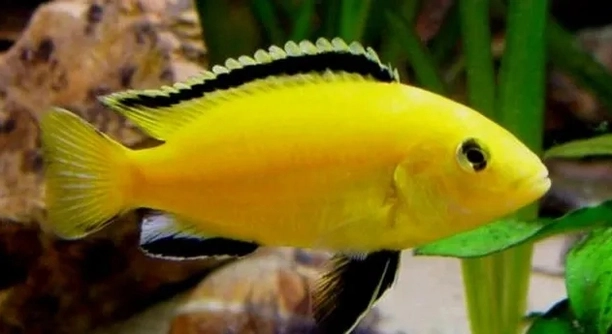
Electric Yellow Cichlids are popular for their bright color and lively behavior. Many fishkeepers enjoy their presence, but setting up a proper tank can be confusing at first. A good setup ensures healthy and happy fish.
To set up a tank for Electric Yellow Cichlids, start with a 30-gallon aquarium or larger. Use fine sand substrate, provide hiding spots with rocks or caves, maintain a pH around 7.8–8.6, and keep the water temperature between 76–82°F.
Learning the right setup helps your cichlids thrive and stay vibrant. A well-prepared tank makes caring for these fish much simpler and more enjoyable.
Choosing the Right Tank Size
A larger tank is always better for Electric Yellow Cichlids. A 30-gallon tank can house a small group, but if you plan to keep multiple males, a 55-gallon or larger tank is ideal. These cichlids are active swimmers and enjoy exploring their environment. Crowded tanks can lead to aggression, stress, and health problems. Providing enough space reduces fighting and gives each fish its own territory. The tank should have a secure lid because these fish can jump occasionally. Sand substrate works best as it mimics their natural habitat and allows them to dig safely. Include rocks, caves, and hiding spots to create territories and shelters. Proper arrangement of decorations prevents aggressive encounters while still letting the fish swim freely. Avoid sharp edges to prevent injuries. Regular cleaning and maintenance are easier with sufficient space. Planning the tank layout carefully ensures a stable, healthy environment for your cichlids to thrive comfortably.
A tank of at least 30 gallons provides space for swimming and reduces stress among Electric Yellow Cichlids. Proper layout supports their natural behavior.
Creating a balanced tank involves combining space, hiding spots, and substrate carefully. Rocks and caves allow cichlids to establish territories, while sand provides a soft substrate for digging. This setup also simplifies water maintenance, as sand traps less debris than gravel. By arranging decorations thoughtfully, each fish can feel secure without overcrowding. Ensuring smooth surfaces and stable structures reduces the risk of injury during active interactions. Maintaining proper temperature and pH is easier in a well-spaced tank because equipment like heaters and filters work more efficiently. A spacious, organized tank encourages natural behavior, reduces aggression, and supports overall health, making daily care more manageable and the cichlids’ vibrant colors last longer.
Water Quality and Filtration
Good water quality is essential for keeping Electric Yellow Cichlids healthy. Regular testing of pH, ammonia, nitrites, and nitrates ensures a stable environment for their growth and well-being.
Using a strong filtration system helps maintain clean water, as cichlids produce significant waste. Filters with biological, mechanical, and chemical stages are ideal. Biological filtration encourages beneficial bacteria to break down harmful substances, while mechanical filtration removes debris. Chemical filtration can help manage odors or discoloration. Perform regular water changes of 20–25% weekly to reduce toxins and maintain clarity. Avoid overfeeding, as leftover food can pollute the water quickly. Monitoring temperature and keeping it between 76–82°F ensures proper metabolism and immune function. Proper water flow reduces stagnant areas where waste accumulates. Keeping the tank clean and balanced supports healthy behavior, vibrant colors, and long-term survival. Consistent maintenance, combined with reliable filtration, creates a stable environment where Electric Yellow Cichlids can thrive with minimal stress or disease risk. This careful attention to water quality allows the fish to exhibit natural behaviors while keeping the tank visually appealing.
Feeding Electric Yellow Cichlids
Electric Yellow Cichlids thrive on a diet of high-quality pellets and flakes formulated for African cichlids. Supplementing with occasional vegetables or frozen foods helps keep them healthy and vibrant.
A balanced diet is key for growth and color. Feed small portions two to three times daily, ensuring all fish eat evenly. Overfeeding can cause water quality issues and obesity. Adding vegetables like zucchini or spinach occasionally provides fiber, while frozen foods like brine shrimp or bloodworms offer protein. Rotating food types supports strong immune systems and keeps the fish active. Avoid feeding only one type of food, as this can lead to nutrient deficiencies. Observing your cichlids during feeding helps detect any health issues early. Consistent, measured feeding promotes long-term well-being and prevents stress-related behaviors such as aggression or hiding.
Proper feeding also encourages natural behaviors. Cichlids enjoy foraging, digging, and picking at substrate while searching for food. Using sinking pellets allows them to feed naturally from the bottom. Feeding at different levels in the tank reduces competition and aggression, especially in groups with multiple males. Removing uneaten food promptly prevents water contamination. Feeding schedules combined with varied diet supports color development, digestive health, and active swimming habits. These small practices make a noticeable difference in the overall vitality and appearance of Electric Yellow Cichlids, making them more enjoyable to observe and care for daily.
Lighting and Tank Decoration
Bright but gentle lighting enhances the vivid yellow color of Electric Yellow Cichlids. Too much light can stress them, so a moderate 8–10 hour daily cycle works well.
Rocks, caves, and driftwood create territories and hiding spots for cichlids. Arrange decorations to give each fish a personal space, reducing aggression. Avoid overcrowding the tank with decorations, as this limits swimming space. Smooth rocks and rounded edges prevent injury during fights. Sand substrate allows digging without harming fins or gills. Plants can be included, but cichlids may uproot them, so hardy or artificial plants are better. Creating a visually balanced tank benefits both the fish and the overall aesthetic. Proper decoration supports natural behavior and keeps the environment interesting for the cichlids.
Maintaining Proper Temperature
Electric Yellow Cichlids do best in water between 76–82°F. Using a reliable heater and thermometer ensures a stable environment and prevents sudden fluctuations that stress the fish.
Avoid placing the tank near windows or drafts, as this can cause temperature swings. Consistency is key for their health and activity levels.
Monitoring pH and Hardness
These cichlids prefer slightly alkaline water with a pH between 7.8 and 8.6 and moderate to high hardness. Regular testing ensures water remains within these parameters. Adjust pH gradually using appropriate buffers or mineral supplements to avoid shocking the fish. Maintaining stable conditions supports color, growth, and overall health.
Tank Mates
Choose peaceful, similar-sized African cichlids or other compatible species. Avoid overly aggressive fish that may harm Electric Yellow Cichlids or trigger excessive fighting.
Regular Cleaning
Perform weekly water changes of 20–25% and vacuum the substrate to remove debris. Clean filter media as needed without disrupting beneficial bacteria. Consistent cleaning keeps water clear, healthy, and safe for the cichlids.
FAQ
How many Electric Yellow Cichlids can I keep in one tank?
A 30-gallon tank can house a small group of 4–5 cichlids, but larger tanks allow more fish and reduce aggression. Male-to-female ratios should favor females to prevent constant fighting. Providing hiding spots and open swimming space helps maintain peace.
What should I feed my Electric Yellow Cichlids?
High-quality cichlid pellets or flakes should make up the main diet. Supplement with frozen foods like brine shrimp or bloodworms, and occasional vegetables like zucchini or spinach. Feed small amounts two to three times daily, removing uneaten food to prevent water pollution.
How often should I change the water?
Perform weekly water changes of 20–25% to maintain water quality. Frequent partial changes remove nitrates and debris while keeping the beneficial bacteria intact. Overfeeding or neglecting water changes can lead to cloudy water and stress the fish.
What temperature is best for Electric Yellow Cichlids?
Keep the water between 76–82°F using a reliable heater and thermometer. Sudden temperature swings can stress cichlids, reduce appetite, and make them more susceptible to illness. Avoid placing the tank near windows or drafts.
How do I manage aggression among cichlids?
Provide enough hiding spots, caves, and rock structures to create territories. Avoid overcrowding the tank, and maintain a proper male-to-female ratio. Observing fish behavior can help identify aggressive individuals and take action, such as rearranging decorations or separating overly dominant fish.
Can I keep other fish with Electric Yellow Cichlids?
Yes, but only with compatible African cichlids or similarly sized species. Avoid slow-moving or overly timid fish that may be harassed. Choosing species with similar water requirements ensures a stable tank environment and reduces stress.
What pH and hardness do they need?
Electric Yellow Cichlids prefer a pH between 7.8 and 8.6 and moderate to high hardness. Regularly test the water and make adjustments gradually using mineral supplements or buffers to avoid shocking the fish. Stable water conditions support growth and vibrant coloration.
Do Electric Yellow Cichlids need plants?
Plants are optional but can add aesthetic value. They may dig up soft plants, so choose hardy species or artificial plants. Rocks, caves, and sand substrate are more important for creating territories and hiding spaces.
How can I tell if my cichlids are healthy?
Healthy cichlids are active, swim freely, have bright coloration, and eat regularly. Look for clear eyes, intact fins, and normal breathing. Signs of stress or illness include faded color, lethargy, rapid gill movement, or hiding excessively.
How do I clean the tank without harming the fish?
Vacuum the substrate during water changes, remove algae gently, and rinse filter media in tank water rather than tap water. This preserves beneficial bacteria, keeps water clear, and prevents sudden changes that could stress the fish.
Can Electric Yellow Cichlids breed in home tanks?
Yes, they can. Provide flat rocks for females to lay eggs and ensure there is enough space and hiding spots. Males become territorial during breeding, so monitor their behavior to prevent injuries. Raising fry requires careful feeding and clean water.
How long do Electric Yellow Cichlids live?
With proper care, they can live 8–10 years. Consistent water quality, a balanced diet, and a well-maintained tank environment are key to longevity. Regular observation helps catch problems early, ensuring they remain healthy and vibrant.
Are Electric Yellow Cichlids hardy for beginners?
They are moderately hardy. Beginners can keep them successfully with attention to water quality, proper tank size, and a balanced diet. While generally resilient, they require consistent maintenance and monitoring to prevent stress-related health issues.
Do they need a specific substrate?
Fine sand is ideal, as it allows cichlids to dig safely and mimics their natural habitat. Avoid sharp gravel that can injure fins or gills. Sand also makes cleaning easier and supports natural behaviors.
How do I reduce stress in my cichlids?
Maintain stable water conditions, provide hiding spots, avoid sudden changes, and keep compatible tank mates. Consistent feeding schedules and sufficient swimming space also help reduce stress and aggressive behavior.
Can I keep only one Electric Yellow Cichlid?
Keeping a single fish is possible but not ideal, as cichlids are social. They are less active and may become stressed alone. A small group in a well-structured tank allows natural behavior and reduces boredom or aggression.
How much light do they need?
Moderate lighting for 8–10 hours daily enhances coloration without stressing the fish. Too much light can trigger aggression or hiding. Using a timer ensures a consistent cycle that supports their natural rhythm.
How often should I check water parameters?
Test water at least once a week for pH, ammonia, nitrites, and nitrates. Frequent monitoring helps detect issues early and prevents stress or disease. Maintaining stable conditions is crucial for growth, health, and vibrant colors.
What should I do if a fish is sick?
Isolate sick fish in a quarantine tank, check water parameters, and consider appropriate treatment. Avoid introducing new fish without quarantine to prevent disease spread. Maintaining clean water and a balanced diet helps prevent most illnesses.
Are Electric Yellow Cichlids aggressive?
They can be aggressive, especially males or during breeding. Providing territories, hiding spots, and proper group ratios reduces fights. Observing behavior allows timely adjustments to maintain a peaceful tank environment.
Can I use a regular aquarium filter?
Yes, but it must be strong enough for their waste production. Biological, mechanical, and chemical filtration combined keeps water clean, supports bacteria, and ensures a healthy environment. Regular maintenance is required to maintain efficiency.
How fast do they grow?
Electric Yellow Cichlids grow steadily, reaching full size of 4–5 inches within 12–18 months. Adequate space, balanced nutrition, and good water quality support healthy growth and vibrant coloration.
Is tank size more important than decoration?
Both matter, but space is crucial. Fish need room to swim and establish territories. Decorations provide hiding places and reduce aggression, but a small tank can’t be fully compensated by decor. Proper layout balances safety and freedom for active cichlids.
Do they need a separate tank for breeding?
Not strictly, but providing a breeding-specific area or extra hiding spots helps reduce stress. Males become territorial, and separation may protect eggs or fry from aggression. Clean water and proper food are essential for successful breeding.
How do I encourage natural behavior?
Provide sand substrate for digging, rocks and caves for territories, and moderate lighting. Regular feeding at different levels and occasional enrichment like rearranging decorations stimulates activity and mimics natural exploration, keeping fish healthy and engaged.
Can I mix Electric Yellow Cichlids with other cichlids?
Yes, only with similarly sized, compatible African cichlids. Avoid slow-moving, small, or overly aggressive species. Ensure similar water requirements and tank structure to reduce stress and maintain a balanced community.
How long can they stay in the same tank without cleaning?
Neglecting cleaning for more than a week risks ammonia and nitrate buildup, stressing fish and increasing disease risk. Weekly partial water changes and substrate vacuuming are necessary to maintain a safe and healthy environment.
What signs show the tank is properly set up?
Healthy, active fish with bright colors, regular eating, and minimal aggression indicate a well-maintained tank. Clear water, stable temperature, and consistent pH also reflect a properly prepared environment that supports natural behavior and growth.
Are they suitable for community tanks?
Only with compatible species that can handle similar water conditions. Avoid slow, timid, or overly small fish. Proper spacing, hiding spots, and territory management are required to maintain harmony.
What is the best way to introduce new fish?
Acclimate them slowly to the tank’s temperature and water chemistry. Float the bag in the tank and gradually mix tank water before releasing the fish. This reduces shock and helps new fish settle without stress.
How often should I inspect decorations?
Check weekly to ensure rocks and caves are stable and smooth. Prevent toppling or sharp edges that can injure cichlids. Adjust layout as needed to maintain territories and reduce aggression in the tank.
Can they tolerate slightly lower temperatures?
Short periods of minor temperature drops are usually tolerated, but prolonged exposure below 76°F can stress them, reduce appetite, and increase susceptibility to disease. Maintaining stable warmth is important for health and behavior.
Do they require special supplements?
If feeding a varied diet, supplements are usually unnecessary. Occasional vitamins or minerals can help during growth or breeding periods, but over-supplementing may harm water quality and fish health. Balanced food typically meets nutritional needs.
Are Electric Yellow Cichlids active at night?
They are mostly active during the day and rest at night. Provide a consistent light-dark cycle to support natural behavior and reduce stress. Sudden nighttime disturbances can startle or stress the fish.
How do I prevent algae growth?
Maintain proper lighting, avoid overfeeding, and perform regular water changes. Adding algae-eating snails or shrimp can help, but keeping the tank balanced and clean is the most effective method to control growth.
Can they recognize their owner?
Electric Yellow Cichlids can recognize movement and associate it with feeding. While they may not bond like mammals, they respond to routine care and will often swim near the glass during feeding times.
What is the easiest way to acclimate new fish?
Float the bag in the tank for 15–20 minutes, then gradually add small amounts of tank water. Repeat over 30–60 minutes before release to prevent shock and allow the fish to adjust to temperature and chemistry.
How do I handle aggressive males?
Separate overly aggressive males, rearrange decorations, or increase hiding spots. Proper male-to-female ratios and sufficient space reduce constant fighting. Observing interactions early prevents injury and stress.
Can they live with snails or shrimp?
Yes, some snails and larger shrimp can coexist. Small or slow species may be eaten. Choose species resilient to cichlid activity, and provide hiding spots to protect them from aggressive fish.
Do they need strong water flow?
Moderate flow is sufficient. Too strong a current can stress cichlids and prevent natural behavior, while stagnant water may cause waste accumulation. Adjust filter output to balance movement and comfort.
How do I prevent fin damage?
Use smooth substrate and decorations, maintain compatible tank mates, and avoid overcrowding. Injuries often occur during fights, so providing space and hiding spots minimizes aggression and stress-related damage.
Are Electric Yellow Cichlids noisy?
They can produce mild clicking sounds during territorial displays or breeding, but they are generally quiet compared to other species. Sounds are more noticeable in smaller tanks or during aggression.
Can they jump out of the tank?
Yes, occasionally. A secure lid prevents escapes, especially during feeding or aggressive interactions. Even a small gap can allow a fish to jump out, risking injury or death.
What is the best filter type for their tank?
A canister or hang-on-back filter with biological, mechanical, and chemical stages works best. Ensure adequate flow for the tank size, and maintain the filter to keep water clean and stable.
How often should I feed fry?
Fry require small, frequent feedings multiple times a day. Use specialized fry food, crushed flakes, or newly hatched brine shrimp. Maintain clean water to support growth and reduce disease risk.
Do they change color as they age?
Juveniles are usually pale and gain their vibrant yellow coloration over several months. Proper diet, water quality, and stress-free conditions support full color development as they mature.
Can I use tap water for their tank?
Yes, but treat it with a water conditioner to remove chlorine and chloramine. Testing for pH, hardness, and ammonia ensures it is safe before introducing fish. Gradual acclimation prevents shock.
How do I know if a breeding pair is ready?
Males display brighter colors and guard territories, while females become rounder with eggs. Watch for courtship behaviors such as cleaning flat surfaces and mutual swimming patterns. Proper hiding spots increase success.
What is the ideal number of males in a tank?
One male per group is safest in small tanks. Larger tanks may support multiple males if there are enough hiding spots and territory markers to reduce constant aggression. Proper spacing prevents injuries and stress.
Can I keep them in a planted tank?
Yes, but choose hardy plants or artificial ones. Cichlids may dig up or damage soft plants. Rocks, caves, and sand are more important for territory and natural behavior.
Do they need special lighting for color?
Moderate lighting enhances yellow coloration without causing stress. Avoid overly bright lights or long exposure, which can lead to hiding, aggression, or color fading.
How do I treat common diseases?
Identify symptoms early and isolate affected fish. Treatments vary by illness, but maintaining clean water, balanced diet, and proper temperature reduces disease risk. Quarantine new fish before adding them to the tank.
What is the best way to rearrange decorations?
Move rocks and caves carefully during water changes. Ensure stability to prevent collapsing. Rearranging occasionally stimulates fish activity and reduces territorial aggression.
Can I use a heater with a thermostat?
Yes, a heater with a thermostat maintains stable temperature and prevents sudden fluctuations. Regularly check readings to ensure accurate heating and avoid overheating.
How do I prevent stress during water changes?
Change water slowly, maintain temperature consistency, and avoid sudden chemical shifts. Provide hiding spots and keep feeding schedules consistent to reduce anxiety and aggression during maintenance.
Is it okay to keep only females together?
Yes, all-female groups are peaceful and avoid male aggression. They may still establish minor territories, but overall behavior is calmer, making care easier in smaller tanks.
Can they adapt to new tanks easily?
Gradual acclimation helps them adjust to new water chemistry and environment. Float bags, slowly mix tank water, and monitor behavior to ensure smooth adaptation without stress.
How do I maintain consistent water parameters?
Regular testing, stable temperature, proper filtration, and routine water changes keep pH, hardness, and other parameters within desired ranges. Avoid sudden changes to prevent stress or illness.
Are they compatible with other African cichlids?
Yes, with similar size, temperament, and water requirements. Proper tank layout and hiding spots reduce conflict. Avoid mixing with small, timid, or overly aggressive species to maintain balance.
How long can they go without food?
They can survive a few days without food, but long-term fasting stresses them. Consistent feeding promotes growth, color, and health. Adjust portions to avoid overfeeding and water quality issues.
What is the best way to clean filters?
Rinse filter media in tank water, not tap water, to preserve beneficial bacteria. Clean mechanical parts to remove debris and maintain efficiency. Do not over-clean to avoid disrupting biological filtration.
Do they need UV sterilizers?
UV sterilizers are optional. They help control algae and pathogens but are not necessary if water quality is well-maintained with proper filtration and regular water changes.
How often should I inspect water flow?
Check weekly to ensure proper circulation. Adjust flow if it is too strong or stagnant areas form. Balanced water movement supports oxygenation, debris removal, and fish comfort.
Can they live with goldfish?
No, goldfish have different water requirements and temperature preferences. Mixing them risks stress, illness, and poor growth. Stick to compatible African cichlids or species with similar needs.
What should I do if the tank smells?
Smell usually indicates waste buildup or decaying food. Perform partial water changes, vacuum substrate, and clean filters. Overfeeding and poor maintenance often cause odors.
Do they need a quarantine tank?
Yes, new fish should be quarantined for at least two weeks to observe for illness before introduction. This prevents disease spread and ensures a healthy community.
How long does it take for them to settle in a new tank?
With proper acclimation, most cichlids settle within a few days. They may hide initially, gradually exploring their environment as they adjust to water conditions and territory layout.
Can they tolerate slightly acidic water?
No, acidic water can harm them, reduce appetite, and fade coloration. Maintaining slightly alkaline conditions ensures health, growth, and natural behavior. Adjust gradually if needed.
Are Electric Yellow Cichlids messy eaters?
Yes, they can stir substrate and leave leftover food. Use controlled feeding and remove uneaten portions promptly to maintain water quality and prevent algae growth.
How often should I trim plants?
If using hardy live plants, trim only as needed to prevent overgrowth or interference with swimming space. Frequent trimming is usually unnecessary with artificial or sturdy plants.
Do they need aeration?
Moderate aeration improves oxygen levels, especially in larger tanks or during high temperatures. Proper filter flow often provides sufficient aeration without additional equipment.
Can they live in brackish water?
No, they are freshwater cichlids. Brackish water can cause stress, illness, and death. Keep them in properly maintained freshwater conditions only.
How do I encourage breeding behavior?
Provide flat rocks, hiding spots, and a proper male-to-female ratio. Stable water conditions and healthy nutrition stimulate courtship and egg-laying behaviors naturally.
Are they suitable for small apartments?
Yes, if space is available for a 30-gallon tank or larger. Consider weight, water maintenance, and noise from equipment when choosing a location.
Can they tolerate tap water fluctuations?
Only if properly conditioned. Chlorine, chloramine, and sudden pH shifts stress the fish. Use water conditioners and acclimate slowly to prevent shock.
Do they prefer group living?
Yes, small groups reduce stress and allow natural behavior. Solitary fish may become bored or aggressive. Proper tank size and hiding spaces support harmonious group living.
Can I decorate with shells?
Yes, shells can mimic natural habitats and offer hiding spots. Ensure they do not alter pH drastically and are smooth to prevent injuries.
How often should I check for disease?
Observe daily for changes in behavior, color, or appetite. Early detection allows timely intervention, reducing the risk of spreading illness and maintaining a healthy tank environment.
Are they sensitive to water changes?
They prefer gradual, partial water changes. Sudden large changes can stress them and trigger hiding, color fading, or aggression. Maintaining stable parameters is essential.
Can I use tap water directly?
No, always treat with a conditioner to remove chlorine and chloramine. Gradual acclimation ensures
Final Thoughts
Setting up a tank for Electric Yellow Cichlids requires careful planning, but it is manageable with consistent effort. The first step is choosing the right tank size. A larger tank allows fish to swim freely and reduces stress and aggression. Even a 30-gallon tank can work for a small group, but bigger tanks are always better, especially if you plan to keep multiple males. Proper space also makes it easier to maintain water quality and gives you more options for arranging decorations. Rocks, caves, and sand substrate create hiding spots and territories, allowing each fish to feel secure. Smooth decorations prevent injuries and make cleaning simpler. Planning the layout before adding fish helps avoid problems later and supports natural behavior.
Water quality is the most important factor in keeping Electric Yellow Cichlids healthy. Maintaining a stable pH between 7.8 and 8.6 and keeping hardness within the preferred range ensures proper growth and coloration. Temperature should stay between 76 and 82°F, and a reliable heater with a thermometer helps prevent sudden changes. Weekly water changes of 20–25 percent remove waste and toxins, while good filtration handles the daily output from active fish. Avoid overfeeding, as leftover food can quickly pollute the tank. Regular testing for ammonia, nitrites, and nitrates helps you catch issues before they become serious. Clean filters carefully to preserve beneficial bacteria while keeping water clear and safe. Paying attention to these details reduces stress and supports a vibrant, active aquarium.
Diet, lighting, and tank decoration also play an important role in the health and well-being of Electric Yellow Cichlids. A balanced diet of high-quality pellets, flakes, and occasional frozen foods or vegetables keeps them strong and colorful. Feeding small portions multiple times per day prevents water contamination and ensures all fish get enough nutrition. Moderate lighting enhances their bright yellow coloration without causing stress, and a consistent day-night cycle helps maintain natural behavior. Decorations and hiding spots reduce aggression and allow the fish to establish territories. Sand substrate supports digging behavior, and stable rocks or caves prevent injuries. Observing fish daily helps you detect health or behavior issues early. With consistent care, proper tank setup, and attention to water quality, your Electric Yellow Cichlids can thrive for years, remaining healthy, colorful, and active.

Hello,
If you enjoy the content that we create, please consider saying a "Thank You!" by leaving a tip.
Every little bit helps us continue crafting quality advice that supports the health, happiness, and well-being of pets around the world, for pets of all shapes, sizes, and species.
We really appreciate the kindness and support that you show us!