
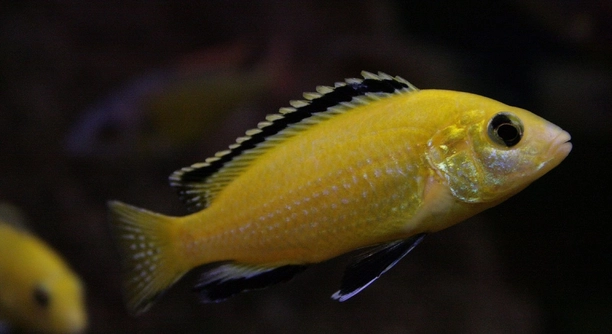
Cichlids are sensitive fish that respond strongly to their environment. Substrate in their tank plays an important role in their comfort and behavior. Observing subtle changes can help identify when they are unhappy with their surroundings.
Unhappy cichlids often display behaviors such as digging excessively, rearranging substrate, hiding more than usual, showing signs of aggression, refusing food, swimming erratically, or avoiding certain areas of the tank. These behaviors indicate substrate-related discomfort and stress.
Recognizing these behaviors early can improve your cichlid’s well-being. Paying attention to their interactions with the substrate ensures a healthier, calmer aquatic environment for your fish.
Digging and Rearranging Substrate
Cichlids naturally dig and move substrate to explore their tank, but excessive digging is often a sign of discomfort. If the substrate is too rough, sharp, or unfamiliar, they may attempt to remove it or rearrange it constantly. Some cichlids prefer fine sand that allows them to sift through it easily. Others may dislike certain colors or textures, which can trigger persistent digging. Over time, this behavior can stress the fish and disturb plants or decorations. Observing how often your cichlid digs and what type of substrate they prefer helps in creating a stable environment. Small changes like adding smoother sand or adjusting depth can significantly reduce stress. Paying attention to these patterns ensures that your cichlids interact comfortably with their habitat and display more natural, calm behaviors.
Excessive digging often indicates that your cichlids are unhappy with substrate texture, depth, or arrangement in the tank.
Adjusting the substrate to match the species’ natural preferences, such as providing finer sand or slightly deeper layers, can improve behavior. Monitoring their digging patterns over time will help you understand their comfort levels. Some species, like mbuna cichlids, enjoy moving rocks and sand, but when behavior becomes constant and frantic, it signals stress. Ensuring there are hiding spaces and open areas can balance their need for exploration with calm. Combining these adjustments with consistent water quality maintenance allows cichlids to feel secure, reducing erratic substrate movement.
Hiding and Avoiding Areas
When cichlids frequently hide or avoid certain areas, the substrate may be uncomfortable or unsafe.
Hiding behavior often stems from substrate that is too rough, uneven, or unfamiliar. Fish may stay in corners or behind decorations to avoid contact, impacting their social and feeding behaviors. Some species burrow partially to feel secure, while others avoid open areas entirely. Continuous hiding can signal stress that affects growth, appetite, and overall health. Adjusting substrate texture, leveling uneven spots, or providing soft, sandy areas encourages cichlids to explore freely and interact naturally. Observing how fish respond after changes in substrate helps confirm improvements. A well-matched substrate not only reduces hiding behavior but also supports natural behaviors like foraging and territory marking. Maintaining these conditions ensures your fish remain active, confident, and less prone to aggression or illness caused by stress.
Refusing Food
Refusing food is often linked to substrate discomfort. If the bottom layer feels unsafe or unfamiliar, cichlids may avoid areas where they normally feed, leading to reduced appetite and slower growth.
Changes in substrate texture, color, or cleanliness can make cichlids hesitant to eat. Some species sift through sand for food, and a rough or uneven surface can prevent natural feeding behavior. If they cannot forage comfortably, they may skip meals or spend more time hiding. Observing their response to different feeding areas or adjusting the substrate to finer sand can encourage eating.
Monitoring food refusal over time helps identify patterns connected to substrate stress. Small adjustments, like providing smoother surfaces or removing sharp decorations, can restore normal feeding. Ensuring substrate cleanliness and stability supports overall health and reduces stress, encouraging active and confident foraging.
Showing Aggression
Aggression often increases when cichlids are unhappy with substrate. Uneven or unsuitable bottom layers can make them feel territorial or insecure, triggering frequent chasing or nipping.
When substrate does not meet a species’ natural preference, fish may fight over preferred spots or defend areas they can feel comfortable on. Aggressive behavior may also result from lack of hiding spaces or difficulty establishing territory due to inappropriate substrate depth or composition. Observing interactions with substrate adjustments helps determine if aggression decreases over time.
Providing substrate that matches natural habits, such as soft sand for burrowing or stable rocks for territory, reduces stress-related aggression. Combining this with proper tank layout, adequate hiding spots, and stable water conditions encourages calmer interactions. Monitoring behavioral changes after these adjustments confirms their effectiveness, leading to a more peaceful tank environment and healthier social structure among cichlids.
Swimming Erratically
Erratic swimming often signals substrate-related discomfort. Cichlids may dart suddenly or swim in unusual patterns when the bottom layer feels unsafe or unstable.
Uneven or sharp substrate can make fish avoid certain areas, causing restless movement. Adjusting substrate texture or leveling the tank floor can help cichlids regain normal swimming behavior.
Sifting Through Substrate
Some cichlids sift constantly when unhappy with substrate. They may try to move gravel or sand excessively to find a comfortable texture.
If substrate is too coarse or compact, fish struggle to forage naturally. Providing softer sand or fine gravel allows them to display normal sifting behavior without stress.
Avoiding Certain Areas
Cichlids tend to avoid tank zones where substrate feels uncomfortable. They may cluster in familiar spots, leaving other areas unused.
FAQ
What type of substrate is best for cichlids?
The best substrate depends on the species. Many cichlids prefer fine sand that allows them to dig and sift easily. Some species, like mbunas, enjoy rocky or mixed substrates for territory marking. Avoid sharp gravel that can injure fish or make them hesitant to explore. Soft, natural-colored sand often encourages natural behaviors while reducing stress.
How do I know if my cichlids are unhappy with the substrate?
Signs include excessive digging, hiding, avoiding certain areas, swimming erratically, refusing food, aggression, or constant sifting. Monitoring these behaviors over time helps determine if the substrate is the source of stress. Observing interactions with the tank bottom gives a clear picture of comfort levels.
Can changing substrate improve cichlid health?
Yes. Providing the right substrate supports natural behaviors like foraging, digging, and territorial marking. It reduces stress, improves appetite, and lowers aggression. Stable substrate combined with clean water and proper tank setup promotes overall well-being and longevity for your fish.
How often should I clean the substrate?
Cleaning frequency depends on tank size, number of fish, and substrate type. Sand can be lightly vacuumed weekly to remove debris. Gravel may need more frequent siphoning. Over-cleaning can disturb beneficial bacteria, so balance is key. Observing waste buildup guides maintenance.
Can substrate cause aggressive behavior?
Yes. Uneven or unsuitable substrate may trigger territorial disputes, especially in species that rely on bottom areas for hiding or breeding. Aggression often decreases when the substrate is adjusted to meet natural preferences, providing smooth, stable, and species-appropriate material.
Is it safe to mix different substrate types?
Mixing substrates is possible but should match species needs. Some cichlids tolerate layers of sand and gravel, while others require uniform texture. Ensure no sharp edges are present and the mix does not create unstable areas that stress fish or trap debris.
What depth of substrate is ideal for cichlids?
Depth varies by species. Many diggers and sifting cichlids prefer 2–4 inches of sand to allow natural behavior. Territorial species may require deeper layers to establish hiding spots or burrows. Observing digging behavior helps adjust depth appropriately.
Can substrate color affect cichlid behavior?
Yes. Natural, muted colors often reduce stress and encourage normal activity. Bright or unnatural colors may cause hesitation, hiding, or refusal to forage. Matching substrate to the species’ natural environment improves comfort and confidence in the tank.
What should I do if cichlids keep moving the substrate?
Some movement is natural, but excessive rearranging indicates discomfort. Adjust substrate texture, depth, or composition to suit their species. Providing hiding spaces and stable rocks can reduce frantic movement and create a balanced environment that supports calm behavior.
Are there substrates to avoid completely?
Avoid sharp gravel, small stones that can be ingested, and highly artificial materials. Substrates that compact too much or float easily can interfere with digging and sifting. Prioritize natural, soft, and safe options that support healthy interaction with the tank bottom.
How do I transition to a new substrate without stressing my cichlids?
Gradually replace the substrate in sections while keeping water quality stable. Move decorations carefully and monitor fish behavior. Provide familiar hiding spots and minimize disruption to reduce stress during the transition. Observation after the change helps ensure they adapt comfortably.
Can substrate impact breeding behavior?
Yes. Many cichlids use substrate for egg laying, digging pits, or creating territories. The wrong texture or depth can prevent breeding or cause stress. Fine sand or species-specific substrates encourage natural reproductive behavior and increase success rates.
Does substrate type influence water quality?
Yes. Some substrates trap debris, affecting ammonia and nitrate levels. Sand often allows easier cleaning, while gravel may trap more waste. Choosing appropriate substrate and maintaining regular cleaning supports water quality and overall fish health.
How do I choose substrate for a mixed-species tank?
Select substrate that accommodates all species’ needs without causing stress. Fine sand with some flat rocks works for many cichlid combinations. Avoid sharp gravel or overly deep layers if some species cannot dig safely. Observation ensures all fish are comfortable and active.
Can cichlids become aggressive if the substrate is too slippery or unstable?
Yes. Slippery or unstable surfaces make it hard for fish to dig, hide, or claim territory. This insecurity often leads to chasing and nipping. Providing firm, textured substrate reduces frustration and supports natural behaviors, keeping aggression in check.
How do I maintain substrate long-term?
Regularly remove debris with a siphon, rinse areas disturbed by digging, and monitor for compaction. Avoid over-cleaning to preserve beneficial bacteria. Occasional partial replacement of sand or gravel may be needed, but maintaining consistent texture and depth ensures stable conditions.
Can substrate changes affect juvenile cichlids differently?
Juveniles are more sensitive to texture and stability. Abrupt changes can stress them, reduce feeding, and make them hide. Gradual introduction of new substrate, along with familiar hiding spots, ensures healthy growth and normal behavioral development.
Is sand better than gravel for most cichlids?
Sand is often preferred for digging and sifting species. Gravel can be used for rock-dwelling cichlids, but it may trap waste and inhibit natural behaviors. Species-specific preferences should guide your choice, with sand being a safe default for many.
How do I tell if substrate adjustments are working?
Improvement is visible through reduced hiding, less erratic swimming, normalized feeding, and calmer social interactions. Fish exploring more areas and interacting naturally indicate the substrate meets their needs. Continuous observation ensures long-term comfort.
Can I use substrate additives or decorations to improve comfort?
Yes. Flat stones, caves, or soft sand layers can enhance comfort and reduce stress. Ensure additives are safe, non-toxic, and match the species’ natural habitat. Well-placed decorations encourage normal behavior and territorial balance.
How important is substrate for overall tank aesthetics versus fish behavior?
While aesthetics matter, fish behavior and well-being are more important. Prioritizing substrate that supports natural digging, sifting, and territorial habits ensures a healthier, calmer tank. A visually appealing substrate that also meets species needs achieves the best balance.
Can changing substrate too often stress cichlids?
Yes. Frequent changes disrupt territory, hideouts, and familiar textures, leading to stress, hiding, or aggression. Limit adjustments to necessary situations, and always monitor fish behavior after any modifications to maintain stability and comfort.
Does substrate type affect filtration or water flow?
Some substrates trap debris more than others, influencing filtration efficiency. Fine sand allows smoother water flow and easier vacuuming, while gravel may trap food or waste. Choosing substrate compatible with your filter ensures clean water and healthier fish.
Are there natural substrates I can use instead of commercial sand or gravel?
Yes. River sand, smooth river stones, or crushed coral (for species that need higher pH) can work if cleaned and sterilized properly. Always ensure materials are safe, non-toxic, and match the species’ natural habitat to prevent stress or injury.
Can substrate changes impact fish social hierarchy?
Yes. Substrate affects territory and comfort zones. Unfamiliar or unsuitable substrate can increase aggression or force weaker fish into hiding. Adjusting substrate to meet species needs helps maintain stable social structures and reduces stress-related conflicts.
How can I test substrate suitability before making permanent changes?
Introduce small patches of new substrate in less-trafficked areas and observe fish interaction. Monitor digging, feeding, and hiding behavior. Gradual testing allows safe adjustments without stressing the entire tank and ensures fish accept the new substrate.
Can substrate impact disease risk in cichlids?
Yes. Trapped debris or sharp surfaces can cause injuries or bacterial growth, increasing susceptibility to infection. Regular cleaning and proper substrate choice reduce risks and promote healthier, more resilient fish.
How do I balance substrate comfort with aesthetic preferences?
Choose natural-colored sand or gravel that matches the species’ environment. Add safe decorations for visual appeal without compromising texture or depth. Observing fish response ensures aesthetic choices do not interfere with comfort or behavior.
Is substrate important for juvenile and adult cichlids equally?
Yes. Juveniles need safe, soft surfaces for growth and exploration. Adults require suitable substrate for digging, territory, and breeding. Adjusting substrate according to species and life stage ensures healthy development and ongoing comfort.
What are the most common mistakes when choosing substrate for cichlids?
Using sharp gravel, ignoring species preferences, overcompacting, or frequently changing substrate are common mistakes. These errors lead to stress, hiding, aggression, and reduced feeding. Observing behavior and matching natural habitat conditions prevents issues and supports long-term fish health.
How do I combine substrate with plants and decorations?
Ensure plants are rooted securely in soft sand or compatible gravel. Place decorations to create hiding spots and territories without blocking essential open areas. Proper combination encourages exploration and natural behavior while maintaining a safe environment.
How do I maintain substrate after cichlids dig or rearrange it?
Level disturbed areas gently without removing too much substrate. Remove debris using a siphon while leaving enough for digging and hiding. Regular observation and minor adjustments preserve natural behavior and tank stability.
Can substrate affect breeding success in cichlids?
Yes. Suitable substrate encourages nest building, pit digging, and territorial displays. Fine sand or species-specific substrate increases egg-laying and fry survival. Unsuitable substrate can prevent breeding or stress fish during reproductive behavior.
What is the safest way to test new substrate types?
Introduce small amounts gradually, monitor behavior, and ensure water chemistry remains stable. Provide familiar hiding spots and maintain feeding routines. Gradual testing reduces stress and ensures fish accept new material safely.
How important is consistency in substrate for cichlids?
Consistency is crucial. Frequent changes disrupt comfort, territories, and natural behaviors. Stable substrate supports feeding, digging, social interactions, and breeding, promoting overall health and long-term happiness for cichlids.
Can substrate influence water chemistry?
Yes. Some substrates release minerals affecting pH or hardness. Choose materials appropriate for the species and monitor water parameters after any change. Maintaining compatible substrate helps preserve stable water chemistry and fish health.
What signs show that substrate adjustments have improved behavior?
Fish explore more, hide less, feed normally, and swim calmly. Aggression decreases, and natural behaviors like digging, sifting, and territorial displays resume. Observing consistent improvements indicates successful substrate adaptation.
How do I ensure new substrate does not harm delicate cichlid species?
Use soft, smooth, and species-appropriate materials. Avoid sharp edges, small stones, or unstable layers. Monitor fish closely after introduction to ensure they interact naturally and show no signs of injury or stress.
Are there substrates that promote healthier digging and foraging?
Yes. Fine sand and soft, compactable gravel allow safe digging and sifting. Matching the texture to species-specific needs supports natural behavior, reduces stress, and encourages active foraging.
Can substrate influence fish coloration?
Indirectly. Comfortable fish show brighter colors due to lower stress. Stress from unsuitable substrate may dull coloration. Providing preferred substrate promotes natural appearance and overall well-being.
How do I clean substrate without disrupting fish too much?
Use gentle siphoning or partial water changes. Avoid stirring up the entire substrate at once. Clean only as needed while maintaining hiding areas, which reduces stress and preserves beneficial bacteria.
What’s the easiest way to improve substrate without a full replacement?
Add a layer of fine sand or smooth gravel over the existing substrate. Level areas and provide stable decorations. Small adjustments can significantly improve comfort and reduce stress without complete overhaul.
How long does it take for cichlids to adjust to new substrate?
Adjustment time varies by species and individual temperament. Some adapt within days, others take a few weeks. Monitoring behavior, feeding, and social interactions helps determine if they are comfortable.
Can substrate changes affect tank filtration efficiency?
Yes. Sand and fine gravel allow smoother water flow and debris removal, while coarse or uneven substrates may trap waste. Proper substrate choice complements filtration and maintains water quality.
Do all cichlids respond to substrate changes the same way?
No. Different species have unique preferences for texture, depth, and composition. Observing each species’ behavior helps ensure substrate meets their specific needs.
Is substrate important for fry and juvenile cichlids?
Yes. Soft, safe substrate protects delicate bodies, supports natural digging, and encourages exploration. Proper substrate promotes healthy growth and reduces stress-related behaviors.
Can substrate affect tank odor?
Yes. Debris trapped in unsuitable substrate can produce odor. Proper cleaning and appropriate material minimize buildup and maintain a fresh-smelling tank.
Should I consider substrate when designing tank layout?
Absolutely. Substrate influences hiding spots, territory boundaries, and activity zones. Choosing the right type enhances both aesthetics and fish comfort.
Can substrate changes improve shy or stressed cichlids?
Yes. Providing soft, natural substrate with hiding areas reduces stress, encourages exploration, and increases feeding. Observing behavior confirms positive effects.
How do I balance substrate comfort with plant growth?
Use sand or fine gravel that supports rooting without compacting. Combine with decorations for stability and hiding areas. Healthy plants enhance habitat while maintaining substrate comfort.
Are there low-maintenance substrate options for cichlids?
Fine sand or smooth gravel is low-maintenance if cleaned regularly. Avoid substrates that trap excessive waste or require frequent replacement. Consistency ensures long-term comfort with minimal effort.
Can substrate affect swimming patterns?
Yes. Uneven or uncomfortable substrate may cause erratic swimming, clustering, or avoidance of certain areas. Suitable substrate restores natural movement and reduces stress.
How do I test substrate before a full tank setup?
Start with a small section and monitor fish behavior, feeding, and digging. Gradually expand once fish show comfort and normal activity.
Is substrate type linked to cichlid lifespan?
Indirectly. Comfortable substrate reduces stress, improves feeding, and lowers aggression, which supports better health and longevity. Inappropriate substrate can cause chronic stress and impact overall lifespan.
Can substrate influence breeding site selection?
Yes. Species that dig pits or create nests rely on suitable substrate. Fine sand or soft gravel encourages reproductive behavior and supports fry survival.
How do I fix substrate that compacts too much?
Loosen layers gently during cleaning or add a soft sand layer on top. This maintains diggable texture while preventing stress from hard or compacted surfaces.
Does substrate impact social hierarchy in cichlids?
Yes. Comfortable substrate allows natural territory establishment. Poor substrate increases aggression or forces weaker fish to hide, disrupting social balance. Adjusting substrate supports calm interactions.
Can substrate affect stress hormone levels in cichlids?
Yes. Uncomfortable substrate increases stress, leading to behavioral changes and reduced immunity. Suitable substrate helps maintain normal hormone levels and overall health.
How do I monitor substrate impact on cichlids long-term?
Observe digging, sifting, swimming, hiding, feeding, and aggression. Keep notes on behavior changes after adjustments. Long-term monitoring ensures substrate continues to meet species needs.
Are commercial substrates always safe for cichlids?
Most are safe if non-toxic, smooth, and species-appropriate. Always rinse before use, avoid sharp or overly small particles, and choose products designed for freshwater fish.
Can substrate affect compatibility in mixed-species tanks?
Yes. Substrate must accommodate all species’ needs. Fine sand with some rocks often works for mixed cichlid tanks. Observing interactions ensures comfort and reduces stress.
How do I prevent substrate from floating or clouding the water?
Rinse thoroughly before adding, layer slowly, and gently level. Avoid stirring too much during cleaning. Proper techniques prevent cloudy water and maintain clear visibility.
Can substrate adjustments improve inactive or lethargic cichlids?
Yes. Comfortable substrate encourages exploration, digging, and natural activity, which reduces lethargy. Monitoring behavior confirms improvements and overall well-being.
Is it necessary to match substrate to wild habitat?
It helps. Matching texture, depth, and color to natural habitats supports comfort, reduces stress, and encourages species-specific behavior, although some flexibility is acceptable.
How do I combine substrate with caves and hiding spots?
Place caves on stable substrate and provide soft areas for digging. Balance open zones with secure hiding spaces to reduce stress and promote natural activity.
Can substrate impact fish feeding hierarchy?
Yes. Uncomfortable substrate can limit access to feeding areas, increasing competition or stress. Providing suitable surfaces ensures fair access and healthy growth for all fish.
How do I maintain substrate during water changes?
Use gentle siphoning, avoid stirring the entire layer, and retain hiding areas. Partial cleaning preserves beneficial bacteria and reduces stress while keeping substrate functional.
Does substrate type influence egg survival for breeding cichlids?
Yes. Fine sand or species-appropriate substrates provide safe nesting areas. Sharp or unstable substrate can damage eggs or discourage laying, affecting breeding success.
How do I select substrate for a cichlid species I’ve never kept before?
Research natural habitat preferences for texture, depth, and color. Start with soft sand or suitable gravel, monitor behavior, and adjust gradually to ensure comfort and natural activity.
Can substrate impact the color intensity of cichlids?
Indirectly. Comfortable fish with low stress display brighter colors. Unfamiliar or harsh substrate may cause dulling due to stress or hiding behavior.
How do I know when it’s time to replace substrate entirely?
Signs include compaction, debris buildup, sharp edges developing, or persistent fish stress. Complete replacement may be necessary when maintenance no longer ensures comfort and natural behavior.
Can substrate affect territorial disputes?
Yes. Proper substrate allows establishment of preferred areas. Inadequate substrate may increase aggression or force weaker fish to hide, disrupting natural social dynamics.
How do I safely introduce multiple substrate types?
Add gradually, ensure stability, and observe interactions. Avoid sharp contrasts or loose particles that may stress fish. Monitor behavior to confirm acceptance.
Does substrate choice affect plant growth in cichlid tanks?
Yes. Soft sand supports rooting while maintaining diggable texture. Gravel may restrict some plants but provides stability for others. Balance plant needs with fish comfort.
Can substrate impact how cichlids interact with decorations?
Yes. Comfortable substrate encourages exploration and use of hiding spots. Unstable or harsh substrate can cause avoidance, reducing natural interaction with tank elements.
How do I maintain substrate in tanks with heavy diggers?
Regularly level and remove debris, provide adequate depth, and reinforce soft layers. Heavy diggers need consistent substrate for normal behavior and reduced stress.
Can substrate affect fry development?
Yes. Soft, safe substrate allows natural digging and foraging, supporting growth. Harsh or uneven surfaces may injure delicate fry or reduce activity.
**How do I prevent substrate from harming delicate
Caring for cichlids means paying attention to their environment, and substrate plays a bigger role than many people realize. It is more than just the bottom layer of the tank; it directly affects how fish feel, move, and interact. A substrate that is too rough, sharp, or uneven can make cichlids stressed, hiding, or avoiding parts of the tank. On the other hand, a suitable substrate that matches their natural preferences encourages normal behavior like digging, sifting, and exploring. Observing how fish interact with the substrate gives clear clues about their comfort and overall well-being. Adjusting the texture, depth, and color can significantly reduce stress and make a noticeable difference in their daily behavior. Over time, these small changes help maintain a calmer, healthier tank.
It is important to remember that each species of cichlid has unique needs. Some prefer fine sand that allows them to sift easily, while others enjoy a mix of gravel and rocks for hiding or marking territory. Even the depth of the substrate matters, as too shallow a layer can prevent natural digging, while too deep a layer can make some fish feel unstable. Watching how cichlids respond to different areas of the tank can reveal which sections of substrate they like and which they avoid. Adjustments do not need to be drastic; small changes often produce big improvements. Adding smoother sand, leveling uneven spots, or creating small burrowing areas gives cichlids more control over their surroundings. These subtle improvements can reduce aggression, encourage feeding, and increase exploration.
Maintaining substrate is an ongoing part of caring for cichlids. Regular cleaning, monitoring for compaction, and replacing worn sections help ensure the tank stays comfortable and safe. Combining proper substrate with hiding spots, decorations, and clean water provides an environment that supports both physical and mental health. Comfortable substrate encourages more active and confident fish, reduces stress-related behaviors, and allows natural instincts to show. Whether for breeding, feeding, or simple daily movement, a well-chosen substrate makes a noticeable difference. Paying attention to this one detail can improve the overall happiness of your cichlids and create a tank environment where they thrive naturally, showing their best colors and behaviors.

Hello,
If you enjoy the content that we create, please consider saying a "Thank You!" by leaving a tip.
Every little bit helps us continue crafting quality advice that supports the health, happiness, and well-being of pets around the world, for pets of all shapes, sizes, and species.
We really appreciate the kindness and support that you show us!