
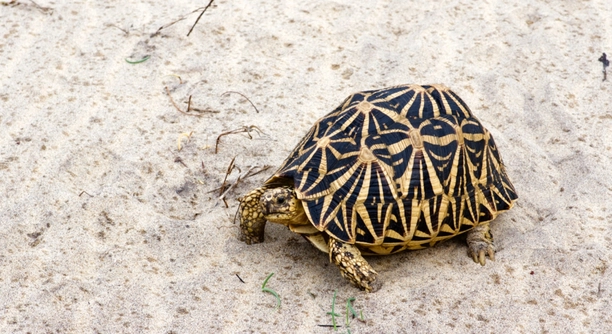
Creating the right nighttime environment for Indian Star Tortoises is essential for their health and well-being. Proper care involves managing their habitat, temperature, and lighting to mimic their natural environment as closely as possible during the night.
To set up a nighttime environment for Indian Star Tortoises, ensure a consistent temperature between 75°F and 80°F (24°C and 27°C), with a slight drop at night. Use low-light lamps to simulate dusk, maintaining humidity levels for optimal comfort.
Setting up the right environment will enhance your tortoise’s nighttime rest and promote overall health.
Temperature Control at Night
Maintaining the right temperature is crucial for Indian Star Tortoises. At night, their environment should stay between 75°F and 80°F (24°C to 27°C). This range mimics their natural habitat, where temperatures remain steady. A drop in temperature can cause stress, impacting their digestion and overall health. Consider using heat mats or ceramic heat emitters to maintain consistent warmth without producing light. These options ensure a stable atmosphere while preventing overexposure to heat sources.
Proper temperature management ensures that your tortoise remains comfortable and safe during nighttime. It’s also important to avoid temperature fluctuations, which could disturb their sleep cycle and immunity.
In addition to a controlled environment, monitor the humidity levels. Keeping it between 50% and 60% will help your tortoise maintain hydration. A humidity gauge can ensure these levels are consistent. Use water dishes that can evaporate moisture during the night to help with this.
Lighting and Low-Light Setup
Lighting plays a significant role in regulating your tortoise’s natural cycle. Ensure that the lights gradually dim before nighttime. Avoid using bright lights at night, as these can disrupt their rest and affect their circadian rhythm. Instead, opt for low-wattage bulbs or LED lights that provide soft lighting. These are effective in simulating the natural transition from day to night.
Proper lighting creates a calm atmosphere for your tortoise. As the sun sets, transitioning to low lighting will signal to your pet that it’s time to wind down. The gradual dimming also helps them adjust without stress. The right lighting setup ensures that your tortoise can get the rest it needs.
Humidity Levels
Maintaining proper humidity is essential for your tortoise’s health. Ideal humidity levels should be between 50% and 60%. This range allows them to stay hydrated and promotes proper digestion. Too low of humidity can lead to dehydration, while high humidity can encourage mold growth.
To maintain the right humidity, use a hygrometer to monitor the levels. Adding a shallow water dish or misting the enclosure lightly can help raise humidity. Be careful not to make the enclosure too damp, as excess moisture can lead to respiratory issues. Regularly check the humidity to ensure it stays consistent.
A water dish placed inside the enclosure can also aid in maintaining humidity levels, as evaporation will naturally add moisture to the air. Be sure to clean the dish frequently to avoid bacteria buildup. If the humidity is too low, you can also use a small humidifier designed for reptile enclosures.
Bedding Material
Choosing the right bedding material helps maintain a clean and comfortable space for your tortoise. Avoid materials that retain excessive moisture, like wood chips, which can create a breeding ground for bacteria. Instead, opt for materials like coconut coir or sphagnum moss, which can maintain humidity without promoting mold growth.
These bedding options are easy to clean and help in regulating temperature and moisture levels. Coconut coir, in particular, is a great choice because it is absorbent and keeps the environment dry while still providing a natural feel. Changing the bedding regularly is essential for maintaining a healthy habitat.
The bedding should be placed at the bottom of the enclosure, providing a stable surface for your tortoise to move around. Layer it evenly to allow for proper humidity control. Regularly check the bedding for any signs of wear or contamination, ensuring your tortoise’s home stays comfortable and clean.
Noise and Disruptions
Keep your tortoise’s nighttime environment as quiet as possible. Loud noises or sudden sounds can disturb their sleep, causing stress. Tortoises are sensitive to vibrations and sounds, so avoid placing their enclosure near high-traffic areas.
Setting up their enclosure away from TVs, loud speakers, or other noise sources can help them relax at night. This quiet environment supports their natural sleep cycles. You might also want to place their enclosure in a low-light, quiet corner where disturbances are minimal.
Nighttime Feeding
Avoid feeding your Indian Star Tortoise late at night, as it can interfere with their natural sleep. If you feed them too late, their digestion may be disturbed, and they might be more active when they should be resting. Feeding them earlier in the evening ensures a better sleep cycle.
Ensure your tortoise has a proper meal before nightfall, so they have time to digest. A nutritious, balanced diet promotes overall health and ensures they’re not restless during their rest period. Establish a regular feeding schedule to keep their body in sync with day-night cycles.
Additional Tips
Keep the enclosure at a consistent temperature by using a thermostat. This will ensure that your tortoise isn’t subjected to temperature fluctuations. Consider using a timer for lights to help regulate the day-night cycle. A consistent routine will help them adjust to the changes in their environment and rest better.
FAQ
What is the ideal nighttime temperature for an Indian Star Tortoise?
The ideal nighttime temperature for an Indian Star Tortoise should be between 75°F and 80°F (24°C to 27°C). Keeping the temperature within this range helps maintain their comfort and ensures they can rest properly. A drop in temperature below this range can cause stress, affecting their digestion and overall health. It’s important to keep the environment consistent, using heat mats or ceramic heat emitters to maintain warmth without light.
Should I use a night light for my tortoise?
No, it’s best to avoid using bright lights at night. Indian Star Tortoises are not nocturnal and need a proper day-night cycle. Too much light can disrupt their natural sleep patterns. Instead, use dim lighting or low-wattage bulbs that simulate dusk. This helps signal to your tortoise that it’s time to rest without disturbing their natural rhythm.
How often should I mist the enclosure to maintain humidity?
You should mist the enclosure lightly once or twice a day, depending on the humidity levels. Using a hygrometer will help you monitor the humidity, which should be kept between 50% and 60%. Mist the enclosure gently in the evening to raise humidity without making it too damp. Excessive moisture can cause respiratory problems. A shallow water dish inside the enclosure can also help maintain proper humidity levels by allowing evaporation.
Can I use regular soil for bedding?
It’s best to avoid using regular soil as bedding, as it can become too compacted and retain moisture, which may cause mold growth. Instead, opt for coconut coir or sphagnum moss. These materials are more suitable for maintaining proper humidity while providing a clean, dry environment for your tortoise. They are also easier to clean and replace, helping you maintain a healthy habitat.
How much space does my tortoise need at night?
Indian Star Tortoises need enough space to move around comfortably, even at night. The minimum enclosure size should be at least 4×2 feet for one tortoise, but larger is always better. Make sure the space is large enough to allow your tortoise to turn around, stretch out, and find a comfortable spot to sleep. If the enclosure is too small, it can cause stress and restrict their movement.
Is it safe to use a heat lamp at night?
Heat lamps should be avoided at night as they emit light, which can disrupt your tortoise’s sleep cycle. Instead, use ceramic heat emitters or heat mats that provide warmth without light. These options are effective for maintaining a steady temperature during the night, helping your tortoise feel comfortable and secure while they rest.
Should I place my tortoise’s enclosure near a window?
It’s not recommended to place your tortoise’s enclosure near a window, especially during the night. Windows can allow drafts or temperature fluctuations that can affect the environment inside the enclosure. Direct sunlight can also cause the enclosure to become too warm during the day. Ideally, place the enclosure in a quiet, dark area away from windows to minimize disturbances.
How do I know if my tortoise is too cold at night?
If your tortoise is too cold, it may become lethargic and move less than usual. You may also notice that they are not eating or are more active during the day than they should be. It’s important to monitor the temperature regularly using a thermometer. If it drops below the recommended range, take steps to raise it immediately. Providing a consistent, warm environment is essential for their health and comfort.
Can I feed my tortoise at night?
It’s best to avoid feeding your tortoise late at night. Tortoises need time to digest their food before they sleep. Feeding them too late can interfere with their digestion, causing discomfort and potentially disturbing their sleep cycle. Aim to feed your tortoise earlier in the evening, allowing them time to process their meal before settling down for the night.
How often should I clean my tortoise’s enclosure?
You should clean your tortoise’s enclosure regularly to prevent bacteria buildup and maintain a healthy environment. Spot-clean daily by removing uneaten food, waste, and soiled bedding. A deep cleaning should be done every two to three weeks, including replacing the bedding and disinfecting surfaces. Keeping the enclosure clean is essential for your tortoise’s well-being.
What should I do if my tortoise is active at night?
If your tortoise is active at night, it could be a sign that the lighting or temperature is not suitable. Ensure that the enclosure is kept at the correct temperature and that the lighting is dim enough to signal nighttime. If your tortoise continues to be active, check the overall environment and adjust as needed to provide a calming, comfortable atmosphere.
Final Thoughts
Creating the right nighttime environment for your Indian Star Tortoise is essential for its overall health and well-being. By ensuring that their enclosure is quiet, dark, and at the correct temperature, you help promote better sleep and comfort. This simple setup mimics their natural habitat and supports their rest cycle. Over time, as you maintain these conditions, your tortoise will adapt and thrive in its environment. Regular checks on the temperature and humidity levels, along with a clean, spacious habitat, will keep your tortoise happy and stress-free.
While it’s easy to overlook the importance of nighttime conditions, the right setup can greatly impact your tortoise’s behavior and health. If the enclosure is too noisy or exposed to fluctuating temperatures, it can cause stress and disrupt their sleep. By keeping the environment calm and stable, you’re helping your tortoise feel secure. Consistency in lighting, temperature, and humidity levels provides a routine that your tortoise will come to rely on. This routine not only promotes better sleep but also improves their digestive health and overall mood.
With a few simple adjustments to their living conditions, you ensure that your Indian Star Tortoise has everything it needs to rest peacefully. It’s not just about providing food and water, but also creating an environment that mimics their natural habitat as closely as possible. Whether you’re new to tortoise care or have years of experience, it’s always beneficial to check your setup regularly and make adjustments as needed. The time and care you invest in creating the right nighttime environment will be rewarded with a healthy, happy tortoise that can enjoy a peaceful rest.

Hello,
If you enjoy the content that we create, please consider saying a "Thank You!" by leaving a tip.
Every little bit helps us continue crafting quality advice that supports the health, happiness, and well-being of pets around the world, for pets of all shapes, sizes, and species.
We really appreciate the kindness and support that you show us!