
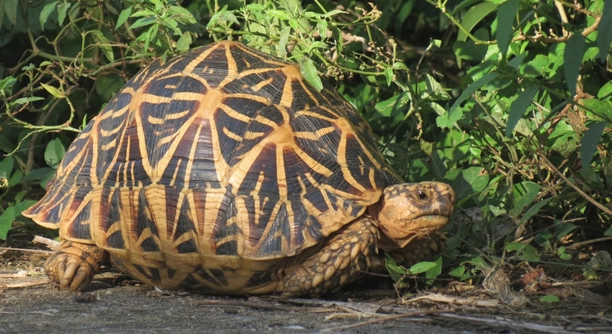
Indian Star Tortoises are known for their unique and beautiful shells, but maintaining their health requires a special diet. Proper nutrition plays a key role in strengthening their shells and supporting overall well-being.
Feeding your Indian Star Tortoise a variety of nutritious foods can help improve the strength of their shells. Key foods rich in calcium, fiber, and vitamins can promote shell growth and prevent damage or deformities.
Learning which foods can contribute to a stronger shell is essential for tortoise care. Some easily accessible ingredients can significantly improve their diet and overall health. Keep reading to learn more about these vital foods.
1. Calcium-Rich Vegetables for Stronger Shells
Calcium is vital for the growth and maintenance of a healthy shell in your Indian Star Tortoise. Without sufficient calcium, their shells can become soft, weak, and prone to deformities. Fortunately, there are many vegetables you can offer that are rich in calcium. Kale, dandelion greens, and collard greens are excellent sources. You can also try giving them small amounts of broccoli or bok choy. Offering a mix of these leafy greens ensures that your tortoise gets the nutrients it needs to support shell strength and overall health.
Incorporating calcium-rich greens into their diet is simple. You can mix them in with other veggies or offer them separately.
However, be mindful of the quantities. Too much calcium can lead to other health issues like kidney problems. It’s best to offer these vegetables regularly, but not excessively, ensuring a balanced and healthy diet for your tortoise.
2. High-Fiber Foods for Healthy Digestion
Fiber plays an important role in maintaining your tortoise’s digestive health.
Hay, especially timothy hay, is an excellent fiber source. Offering hay alongside leafy greens can keep their digestive system in check, ensuring they properly absorb nutrients. Fiber helps to regulate bowel movements and prevents constipation.
3. Vitamin D for Shell Health
Vitamin D helps your tortoise absorb calcium, which is essential for a strong shell.
You can provide vitamin D through sunlight. Allow your tortoise to bask under direct sunlight for at least 30 minutes each day. If you live in an area with limited sun exposure, you can use UVB lamps to ensure they get the vitamin they need. Without enough vitamin D, calcium will not be absorbed properly, leading to shell weakness.
However, be careful with exposure. Too much sunlight or UVB light can cause dehydration or overheating, so always offer some shade and monitor their temperature carefully.
4. Fruits as Treats
While fruits should only be offered occasionally, they can be a tasty and nutritious treat for your tortoise.
Fruits like papaya, mango, and watermelon contain essential vitamins and hydration. They provide antioxidants that can help keep your tortoise’s immune system strong. However, fruits should never be a primary food source. They are high in sugar and can lead to digestive issues or obesity if overfed.
Offer small amounts of fruit mixed with other foods for variety. Fruits like berries also contain high amounts of fiber, which aids digestion when given in moderation.
5. Dark Leafy Greens
Dark leafy greens are packed with essential nutrients for your tortoise.
Spinach, mustard greens, and turnip greens are good choices. These greens are rich in fiber, vitamins, and minerals, all of which support your tortoise’s shell health. Mix them into their daily diet to ensure a variety of nutrients that benefit their overall well-being.
6. Safe Flowers and Plants
Certain flowers and plants can also contribute to a balanced diet.
Hibiscus, dandelions, and clover are all safe and beneficial for your tortoise. They are packed with antioxidants and vitamins. These can be offered as an occasional treat to add variety. Always make sure the flowers are pesticide-free before serving them.
FAQ
What should I feed my Indian Star Tortoise to strengthen its shell?
To strengthen the shell of your Indian Star Tortoise, focus on foods high in calcium, such as dark leafy greens like kale, dandelion greens, and collard greens. Additionally, incorporate fiber-rich foods like hay, and make sure they have access to sunlight for vitamin D absorption. Offering occasional fruits like papaya and watermelon also provides essential vitamins.
How often should I feed my tortoise?
It’s important to feed your tortoise daily, but the amount can vary based on age and size. Younger tortoises need more food than adults. For adults, feed them a mix of leafy greens and hay each day. Offering fruit once or twice a week is enough to avoid overfeeding sugar. Be sure to monitor their weight and adjust the amount as needed.
Can I feed my tortoise only vegetables?
Vegetables should be the main part of your tortoise’s diet, but a variety is key. While they can thrive on dark leafy greens and fiber-rich vegetables, offering a mix of other foods such as fruits, flowers, and plants will ensure they get all necessary vitamins and minerals. However, avoid feeding them vegetables like iceberg lettuce, which lacks nutrients.
What fruits are safe for Indian Star Tortoises?
Fruits should only be offered as treats in moderation. Safe fruits include papaya, mango, watermelon, strawberries, and blueberries. These fruits are packed with vitamins, antioxidants, and hydration. However, be cautious about the sugar content, and offer only small portions so your tortoise does not consume too much at once.
Should I give my tortoise a calcium supplement?
If you’re feeding your tortoise a balanced diet with calcium-rich foods like dark leafy greens, a calcium supplement may not be necessary. However, if you’re concerned about their calcium intake or if your tortoise is not eating enough calcium-rich foods, a supplement could help. Always consult with a vet before adding supplements to their diet, as too much calcium can lead to health problems.
How can I tell if my tortoise is getting enough nutrition?
To check if your tortoise is getting enough nutrition, observe their activity level and shell condition. A healthy tortoise will be active and alert. If their shell looks soft, deformed, or has unusual discoloration, it might indicate a lack of calcium. Weight loss or a loss of appetite are also signs they may not be getting enough food or nutrition.
Is it safe to feed my tortoise commercial tortoise food?
Commercial tortoise food can be convenient, but it should only be used as a supplement to their natural diet. It’s important to ensure that the food is high quality, free from artificial additives, and not their primary food source. Overreliance on pellets or processed food can lead to nutritional imbalances.
What are the best plants for my tortoise to eat?
Safe plants for your Indian Star Tortoise include dandelions, hibiscus, clover, and various succulents. These plants are nutrient-rich and add variety to their diet. Be sure that any plant you offer is pesticide-free and safe for consumption. Avoid plants that are toxic to tortoises, such as ivy or azaleas.
How much water should I give my tortoise?
Tortoises generally do not drink much water directly, but they do need access to clean water at all times for hydration. They will drink from a shallow dish when needed. Additionally, soaking your tortoise in warm water once a week can help with hydration and prevent dehydration.
Can I feed my tortoise herbs?
Yes, herbs can be a great addition to your tortoise’s diet. Safe herbs include basil, parsley, cilantro, and thyme. These herbs not only add variety but also contain beneficial nutrients. Like with vegetables and fruits, herbs should be offered in moderation to avoid overfeeding.
Are there any foods I should avoid feeding my tortoise?
Avoid feeding your tortoise foods that are high in oxalates, such as spinach and rhubarb, as these can interfere with calcium absorption. You should also avoid processed foods, high-sugar fruits in excess, and foods like iceberg lettuce, which offer little nutritional value. Additionally, avoid feeding them any toxic plants, including those that may be commonly found around your home or garden. Always research new foods before offering them.
How do I ensure my tortoise gets enough UVB light?
UVB light is essential for your tortoise to process calcium and maintain strong shell health. If your tortoise cannot get natural sunlight, invest in a UVB lamp designed for reptiles. Position the lamp within 12-18 inches of the basking area, and make sure it’s on for about 10-12 hours a day. Always make sure to turn the light off at night to provide a natural day-night cycle.
Final Thoughts
Taking care of an Indian Star Tortoise requires attention to their diet, environment, and overall well-being. A healthy shell is a reflection of proper nutrition, so focusing on calcium-rich foods like leafy greens, fiber-filled hay, and fruits can help your tortoise maintain a strong, resilient shell. Additionally, offering a variety of safe plants and flowers can add necessary vitamins and nutrients to their diet, making their meals both healthy and exciting. While it’s easy to overlook, the importance of sunlight or UVB light is just as crucial, as it helps your tortoise absorb calcium and keeps them active.
It’s important to remember that balance is key. While certain foods like fruits and flowers are beneficial, they should only be offered in moderation to avoid causing digestive issues or unhealthy weight gain. Providing a variety of foods, including dark leafy greens, fiber-rich vegetables, and safe plants, will ensure that your tortoise gets the vitamins, minerals, and hydration it needs to stay healthy. It’s also essential to stay mindful of how often you feed your tortoise, adjusting the quantity based on age, size, and activity level. Offering the right amount of food helps prevent overfeeding or underfeeding, which can lead to various health problems.
Lastly, keep in mind that every tortoise is different. Their needs might vary depending on factors like age, environment, and individual preferences. Regularly observing their behavior, shell condition, and weight will give you an idea of how well their diet is working. If you notice any signs of illness or shell problems, it’s best to consult a vet experienced in reptile care. By paying attention to these details, you can help ensure that your Indian Star Tortoise thrives, enjoying a long and healthy life.

Hello,
If you enjoy the content that we create, please consider saying a "Thank You!" by leaving a tip.
Every little bit helps us continue crafting quality advice that supports the health, happiness, and well-being of pets around the world, for pets of all shapes, sizes, and species.
We really appreciate the kindness and support that you show us!