
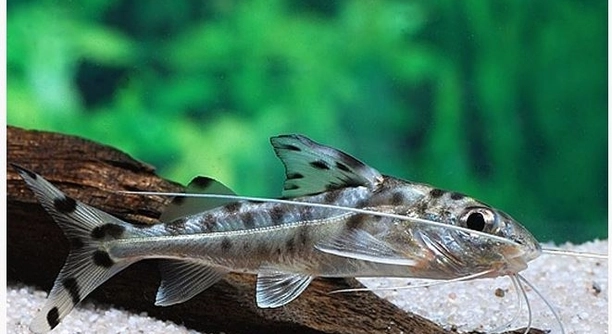
Heaters are essential for maintaining the right temperature in aquariums, especially for tropical fish like Pictus catfish. Using heaters properly ensures a stable environment that supports their health and comfort. It is important to learn safe practices when setting up heaters.
The safest way to use heaters around Pictus catfish is to choose an adjustable heater with reliable temperature control and place it where the heat can distribute evenly without creating hot spots. Regular monitoring is necessary to prevent overheating and stress.
Knowing how to handle heaters properly will protect your catfish and create a healthier aquarium environment. This article explains key tips to keep both your fish and equipment safe.
Choosing the Right Heater for Pictus Catfish
Selecting a suitable heater is the first step in creating a safe environment for your Pictus catfish. It is best to use a heater with an adjustable thermostat so you can control the temperature precisely. A heater designed for aquarium use will have protective casing to prevent direct contact with your fish. Pictus catfish are sensitive to sudden temperature changes, so a reliable and consistent heater is essential. Size matters too; a heater that is too small will struggle to maintain the right temperature, while an oversized one may cause rapid heating. Look for heaters with built-in safety features like automatic shutoff in case of overheating or water loss. Proper placement in the tank allows for even heat distribution, avoiding hot spots that could stress your catfish. Maintaining stable water temperature will help your fish stay healthy and active.
Using a heater with adjustable temperature control provides safety and precision, reducing the risk of harming your catfish.
Properly choosing a heater prevents stress and injury. Make sure it fits your tank size and has safety features. Position it well to maintain even warmth. This step is crucial for creating a comfortable habitat for your Pictus catfish, ensuring their long-term wellbeing.
Installing and Monitoring the Heater
Careful installation of the heater ensures it functions effectively without risking harm to your catfish. Always place the heater near a water flow source to help circulate warm water evenly throughout the tank. Avoid placing it directly where your catfish often rest or hide, reducing the chance of burns. Use a heater guard if possible to protect your fish from touching the device. Regularly check the heater’s temperature with an independent thermometer rather than relying solely on the heater’s built-in gauge. This helps catch any errors early. Monitoring water temperature daily is important, especially during seasonal changes or power outages. Consider using a backup heater or temperature alarm to maintain stability. Keeping the environment consistent reduces stress and supports your catfish’s immune system. Proper installation and vigilant monitoring are key to a safe and healthy aquarium setup.
Preventing Heater-Related Injuries
Heater-related injuries happen when Pictus catfish come into direct contact with a hot surface. Protect your fish by using heater guards and placing heaters away from their favorite spots. Avoid overheating by maintaining stable temperatures.
Heaters without protective casing can cause burns if fish touch them. Pictus catfish are bottom dwellers and often explore near heaters, increasing their risk. Using heater guards or covers is a simple way to prevent accidental contact. Placement matters—install the heater near water circulation areas but away from hiding places. Consistent monitoring of temperature ensures it stays within the safe range of 74°F to 79°F. Sudden spikes can stress or injure your catfish. Regular maintenance checks on the heater’s function and cleaning prevent malfunction and buildup that could cause uneven heating or overheating.
Injury prevention also includes avoiding extreme temperature shifts. Gradually adjust the heater settings if you need to change the water temperature. This reduces stress and the chance of thermal shock, helping your Pictus catfish stay healthy and comfortable in their environment.
Common Heater Problems and Solutions
Heaters may fail due to power outages, faulty thermostats, or mineral buildup. Regular inspection helps catch these issues early before they harm your fish.
A heater malfunction can quickly create unsafe conditions. Power outages stop heating, causing cold water that stresses Pictus catfish. Use a backup power source or battery-operated heater during outages to maintain warmth. Faulty thermostats can cause overheating or underheating; testing your heater with a separate thermometer reveals inconsistencies. Mineral buildup on heaters reduces efficiency and can lead to hotspots. Clean heaters regularly using safe methods to remove deposits. Avoid using harsh chemicals that could harm fish. Keeping equipment clean and functional ensures stable temperatures and protects your catfish from harm.
Addressing these common problems quickly will keep your aquarium safe. Maintaining your heater and preparing for emergencies provides a stable, healthy environment for your Pictus catfish, allowing them to thrive.
Signs of Heater Malfunction
If the water temperature fluctuates often, your heater might be faulty. Unusual noises or visible damage to the heater are warning signs. Immediate action is necessary to avoid harming your Pictus catfish.
A heater that repeatedly turns on and off can indicate thermostat problems. If your catfish show signs of stress, such as hiding or reduced activity, check the heater first. Addressing these signs early prevents serious issues and maintains a safe environment.
Adjusting Heater Settings for Seasonal Changes
Seasonal temperature shifts require careful adjustment of your heater settings to keep the aquarium stable. Sudden changes can stress Pictus catfish, so increase or decrease temperature gradually. Regularly measure water temperature to avoid unsafe fluctuations. Consistent monitoring supports fish health.
Using Thermometers Effectively
Use an accurate aquarium thermometer to verify heater readings. Place it away from the heater to get a true sense of tank temperature. Check it daily to maintain a safe environment.
FAQ
How warm should the water be for Pictus catfish?
Pictus catfish thrive best in water temperatures between 74°F and 79°F (23°C to 26°C). Keeping the temperature stable within this range supports their metabolism and reduces stress. Avoid sudden temperature changes as these can harm their immune system and behavior.
Can I use any heater for my Pictus catfish tank?
Not all heaters are suitable. It is important to use an aquarium heater with adjustable thermostat control and safety features. The heater should match your tank size to maintain stable temperatures without overheating or underheating.
Where should I place the heater in the tank?
Place the heater near a water flow area like close to a filter output. This helps distribute heat evenly throughout the aquarium. Avoid placing it where Pictus catfish hide or rest to prevent burns or injury.
How often should I check the heater?
Daily checks are ideal. Use an independent thermometer to verify the heater’s temperature readings. Inspect the heater physically for damage or mineral buildup every few weeks to keep it working efficiently.
What if the heater stops working suddenly?
If the heater fails, the water can cool quickly, stressing your catfish. Have a backup heater or power source ready, especially during cold weather or power outages. Immediate replacement or repair of the heater is necessary.
Can Pictus catfish tolerate cooler water?
While they can survive in slightly cooler water, prolonged exposure below 72°F (22°C) can weaken them. Cooler water slows their metabolism and makes them more susceptible to disease. Keeping water in the ideal temperature range is best.
Are heater guards necessary?
Heater guards are highly recommended. They protect your catfish from direct contact with hot surfaces, preventing burns. Since Pictus catfish are active bottom dwellers, guards add an important layer of safety.
How do I prevent overheating in the tank?
Use a reliable heater with an accurate thermostat and monitor the water temperature regularly. Avoid placing the tank in direct sunlight or near heat sources. If overheating occurs, lower the heater setting and increase water circulation.
Can heater malfunctions harm my fish?
Yes, malfunctioning heaters can cause rapid temperature changes or overheating, leading to stress or injury. Regular maintenance and monitoring help detect issues early before they harm your catfish.
Is it safe to use multiple heaters in one tank?
Using two smaller heaters instead of one large heater can improve temperature stability and reduce risk if one fails. Ensure both heaters are properly rated for your tank size and placed strategically for even heating.
How do I clean my aquarium heater safely?
Unplug the heater before cleaning. Use a soft cloth or sponge with warm water to remove mineral buildup. Avoid harsh chemicals or abrasive tools that could damage the heater or leave harmful residues.
What temperature fluctuations are safe for Pictus catfish?
Keep temperature changes minimal—no more than 1 to 2 degrees Fahrenheit within a 24-hour period. Sudden or wide fluctuations increase stress and the risk of illness.
Can I turn off the heater at night?
It is best to keep the heater running 24/7 to maintain a consistent temperature. Turning it off at night causes unnecessary fluctuations that can stress your fish.
How long does a heater take to adjust the tank temperature?
The time varies by heater wattage and tank size. Generally, it can take several hours to adjust the temperature by a few degrees. Patience is important; avoid making rapid changes.
What signs show my Pictus catfish is uncomfortable with temperature?
Signs include lethargy, hiding more than usual, loss of appetite, and erratic swimming. These behaviors indicate stress often caused by improper temperature or poor water quality.
Can I use a heater without a thermostat?
Heaters without thermostats are risky because they may overheat the water. Always use heaters with built-in thermostat control for safety and temperature accuracy.
Proper use of heaters is essential to keep Pictus catfish healthy and comfortable. Maintaining a stable temperature within the recommended range supports their metabolism and reduces stress. Choosing the right heater with an adjustable thermostat and safety features helps prevent sudden temperature changes or overheating. Placement of the heater in a well-circulated area of the tank ensures even heat distribution, avoiding hot spots that could harm your fish. Regular monitoring with an independent thermometer and daily checks of the heater’s function are necessary to maintain a safe environment. Taking these steps creates a stable habitat where your Pictus catfish can thrive.
It is also important to prevent direct contact between your catfish and the heater. Using heater guards or covers helps protect your fish from burns. Since Pictus catfish are bottom dwellers and tend to explore near the heater, this safety measure reduces the risk of injury. Avoid placing the heater near areas where the fish rest or hide. Consistent temperature monitoring will alert you to any heater malfunctions or unsafe fluctuations. Preparing for possible issues, like power outages, by having backup options ensures that your aquarium remains stable during emergencies. Proper maintenance and cleaning of the heater also extend its lifespan and improve performance.
Overall, attention to detail and regular care are key when using heaters with Pictus catfish. Avoiding sudden temperature changes, choosing the right equipment, and performing routine checks will help you provide a safe and comfortable environment. Your catfish depend on stable water conditions for their health and wellbeing. Following safe heating practices not only prevents injury and stress but also supports their natural behavior and longevity. Consistency and vigilance create the best conditions for your Pictus catfish to live a healthy life.

Hello,
If you enjoy the content that we create, please consider saying a "Thank You!" by leaving a tip.
Every little bit helps us continue crafting quality advice that supports the health, happiness, and well-being of pets around the world, for pets of all shapes, sizes, and species.
We really appreciate the kindness and support that you show us!