
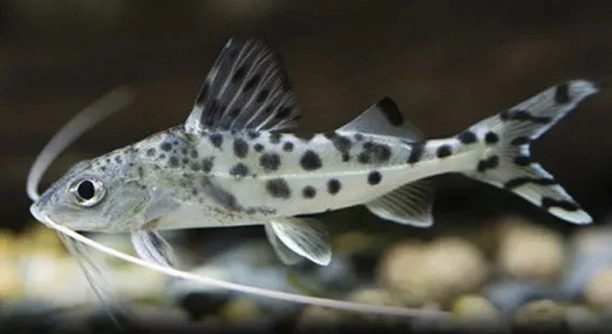
Is your Pictus catfish acting a bit different lately, making you wonder if it’s preparing for something important, like breeding? Recognizing these shifts early can help ensure your fish has the support it needs.
Pictus catfish show clear breeding readiness through changes in behavior, physical appearance, and increased activity levels. Signs include territorial behavior, brightened coloring, chasing rituals, and increased interest in specific tank areas or other fish.
Understanding these signals can help you create the right environment and improve the chances of a successful breeding process for your Pictus catfish.
Brightened Coloring and Physical Changes
When a Pictus catfish is ready to breed, one of the first things you might notice is a shift in its appearance. The body may appear slightly fuller, and its colors often become more pronounced. This is especially true for males, who may develop more vibrant hues to attract a mate. Females can become rounder in the abdomen as they prepare to lay eggs. These visual cues are natural and happen gradually. There is no need to panic or change your setup abruptly. However, recognizing these signs early allows you to make small adjustments to support the process. These may include keeping the tank clean, maintaining consistent water parameters, and making sure the fish has access to hiding spots or smooth surfaces for egg laying. The change in physical appearance signals that their bodies are entering a reproductive phase, and it’s helpful to stay observant during this time.
The physical signs can be subtle, so pay attention to the fish’s shape and coloration as part of your routine care.
Pictus catfish rely on environmental cues to trigger breeding. Warmer water temperatures and slightly softer water conditions can encourage their bodies to respond by preparing for reproduction. Once you notice these physical signs, you may want to mimic their natural habitat more closely. Warmer water temperatures, around 78–80°F, and a slightly reduced pH can help. Make sure the tank is quiet and undisturbed. You may also reduce lighting slightly, which can help the fish feel more secure. Do not overcrowd the tank, as this can lead to stress. A separate breeding tank is often a good idea if you want to maximize breeding success. Include smooth rocks or broad leaves where eggs can be deposited. These fish prefer to breed in areas where they feel safe and hidden. Supporting their comfort during this phase is important for a smooth breeding process.
Territorial or Chasing Behavior
Increased territorial behavior often indicates a Pictus catfish is preparing to breed. This usually involves chasing other fish or becoming more possessive of certain tank areas.
This behavior is natural and should not be confused with aggression. Pictus catfish may begin to patrol a specific part of the tank more frequently, especially around structures or decorations that could serve as egg-laying spots. You may notice them chasing tank mates away from these areas or swimming more actively than usual. Males are especially likely to chase or follow females in what looks like a game of tag. These actions are part of courtship and reflect growing reproductive interest. If you have multiple Pictus catfish, this behavior may become more frequent. To avoid stress or injury, make sure the tank is large enough to allow space for all fish. Adding extra hiding spots or rearranging decor can help break lines of sight and reduce tension during this period.
Increased Activity Near Specific Tank Areas
When ready to breed, Pictus catfish often become fixated on certain parts of the tank. You may notice them repeatedly circling smooth rocks, plant leaves, or cave-like spots with more intensity than usual.
This increase in focused movement is part of their natural spawning behavior. They begin to investigate areas that feel secure or suitable for laying eggs. Males may circle the same area multiple times, then return again shortly after. If you’ve included structures like driftwood or ceramic tubes, you might notice they spend extra time inspecting or guarding these places. This behavior is a sign they are preparing for mating and looking for a secure location to deposit eggs or entice a mate. While it might look repetitive, it’s purposeful. Make sure the chosen area is free from debris and easily accessible. A clean, stable tank environment can encourage them to proceed with breeding.
Repeated visits to one area can also indicate bonding between fish. A male might lead a female to a favored spot, returning to it after short chases or close swimming patterns. If both fish show interest in the same location, this often means they are ready to breed soon. Observing this type of shared focus is a strong sign of reproductive behavior.
Close Swimming or Paired Movement
Pictus catfish ready to breed often swim closely together in gentle, fluid motions. This paired movement may last several minutes and often repeats throughout the day. It shows increasing comfort and trust between the fish.
This type of swimming usually happens between a male and a female. They may mirror each other’s movements, follow the same paths, or gently brush side by side. These behaviors signal mutual readiness. The male may take the lead, swimming in small loops or circles to encourage the female to follow. If she’s receptive, she will remain close and mimic his movement. These moments are quiet but meaningful. You’ll often see this behavior before egg-laying starts. It is a way for the fish to build familiarity and communicate. This swimming rhythm also helps stimulate the female’s body to release eggs. It’s helpful to avoid sudden tank changes during this time, as stability supports successful spawning.
Increased Appetite or Feeding Interest
A Pictus catfish getting ready to breed may show a stronger interest in food. Their appetite can increase noticeably, especially when offered protein-rich options like bloodworms or brine shrimp. This behavior supports energy buildup for the spawning process.
Feeding behavior becomes more focused, with quicker responses during feeding times. They may swim more actively near the surface or bottom where food settles, showing more urgency than usual. This is a normal and healthy sign, indicating their bodies are preparing for reproduction. Offering consistent, high-quality meals can help support this phase without disrupting the tank’s balance.
Slightly Aggressive or Competitive Actions
Breeding readiness sometimes includes minor aggression between tank mates. Short chases or nudges may occur more often, especially between males. These displays are brief and usually harmless, helping establish roles and attract a mate. As long as no fish are injured, this behavior is considered a normal part of their reproductive process.
Subtle Color Pulsing or Fin Flicking
Some Pictus catfish may begin showing subtle flashes of color or small fin twitches. These signs often appear in short bursts and are more common in males. This display acts as a way to draw attention and signal readiness to potential mates.
FAQ
How old should a Pictus catfish be before breeding?
Pictus catfish are typically ready to breed at around 1.5 to 2 years of age. At this stage, their bodies are fully developed, and they have reached the appropriate size for spawning. While they may display some mating behaviors earlier, successful breeding is more likely once they are physically mature. It’s also important to note that individual growth rates vary depending on diet and tank conditions. A healthy, well-fed fish with stable water quality will usually mature within this timeframe. Waiting until they are at least 1.5 years old helps reduce stress and increases the chances of a successful outcome.
Can Pictus catfish breed in a community tank?
While it’s possible, it’s not ideal. A community tank can create distractions and stress that interfere with the breeding process. Other fish may disturb the pair, interrupt spawning behaviors, or even eat the eggs. Pictus catfish prefer quiet, dim spaces when they are ready to breed. A separate breeding tank offers better control over the environment, including lighting, temperature, and water softness. It also helps prevent egg loss and allows you to monitor the fish more closely. If breeding in a community tank occurs unexpectedly, consider moving the eggs or fry to a safer setup as soon as possible.
How do I tell male and female Pictus catfish apart?
It can be tricky, but there are a few subtle differences. Females tend to have a rounder, fuller body, especially when carrying eggs. Males are usually slimmer and may display more vibrant coloring during breeding season. Their fin shapes and size are generally similar, so body shape is your best visual cue. Close observation during feeding or swimming can help you spot the differences over time. Watching for paired behaviors, such as one fish leading and the other following, can also help identify potential male-female pairs when you’re unsure based on appearance alone.
What water conditions are best for breeding?
Slightly warmer and softer water is best. Aim for a temperature between 78°F and 80°F, with a pH around 6.5 to 7.0. Use a heater to maintain consistency and test your water regularly. Soft water mimics their natural environment and encourages spawning. Gentle filtration is also important to avoid disturbing eggs or fry. Try to minimize loud vibrations or sudden changes in water quality. Some breeders slightly lower water levels to make the fish feel more secure. Stable, calm conditions will help trigger breeding behaviors and increase the chances of egg laying and fertilization.
Do Pictus catfish care for their eggs or fry?
No, they do not. Pictus catfish are not known for parental care. Once the eggs are laid and fertilized, the adults may even eat them if left in the same tank. For this reason, it’s best to remove the adult fish after spawning. If you want the eggs to hatch successfully, place them in a separate tank with gentle aeration and low lighting. Use a sponge filter to keep the water clean without creating strong currents. After hatching, feed the fry small, soft foods like baby brine shrimp or powdered fry food.
How many eggs do they usually lay?
A female Pictus catfish can lay anywhere from 100 to 300 eggs in a single breeding event, though not all may be fertilized. The number depends on the fish’s health, age, and environment. Eggs are typically laid on flat surfaces or hidden among plants or smooth decorations. If you notice clusters of small, clear to amber-colored eggs, this is a good sign that spawning has occurred. It’s important to remove any unfertilized or moldy eggs quickly to prevent water quality issues. A separate egg-care setup allows better survival rates and cleaner tank conditions overall.
How long do the eggs take to hatch?
Pictus catfish eggs usually hatch within 3 to 5 days, depending on water temperature. Warmer water speeds up the process slightly, but avoid going above 80°F. Once hatched, the fry will stay mostly still for the first day or two as they absorb their yolk sacs. After that, they’ll begin swimming and looking for food. You should prepare soft fry food or freshly hatched baby brine shrimp before hatching begins. Keep lighting low during this stage, and monitor for signs of fungus or bacteria that could harm the eggs or new fry.
Is it hard to breed Pictus catfish in captivity?
Yes, it can be challenging. Most successful cases involve experienced aquarists who have carefully recreated the right conditions. Pictus catfish do not breed easily in home aquariums without specific environmental triggers. Their shy nature and sensitivity to water changes add to the difficulty. However, with patience, good observation, and careful preparation, it’s possible. Using a dedicated breeding tank, adjusting water parameters slowly, and watching for behavioral signs are all part of the process. It may take several attempts before you see success, but the key is consistency and minimizing stress during the breeding phase.
FAQ
How old should a Pictus catfish be before breeding?
Pictus catfish are typically ready to breed at around 1.5 to 2 years of age. At this stage, their bodies are fully developed, and they have reached the appropriate size for spawning. While they may display some mating behaviors earlier, successful breeding is more likely once they are physically mature. It’s also important to note that individual growth rates vary depending on diet and tank conditions. A healthy, well-fed fish with stable water quality will usually mature within this timeframe. Waiting until they are at least 1.5 years old helps reduce stress and increases the chances of a successful outcome.
Can Pictus catfish breed in a community tank?
While it’s possible, it’s not ideal. A community tank can create distractions and stress that interfere with the breeding process. Other fish may disturb the pair, interrupt spawning behaviors, or even eat the eggs. Pictus catfish prefer quiet, dim spaces when they are ready to breed. A separate breeding tank offers better control over the environment, including lighting, temperature, and water softness. It also helps prevent egg loss and allows you to monitor the fish more closely. If breeding in a community tank occurs unexpectedly, consider moving the eggs or fry to a safer setup as soon as possible.
How do I tell male and female Pictus catfish apart?
It can be tricky, but there are a few subtle differences. Females tend to have a rounder, fuller body, especially when carrying eggs. Males are usually slimmer and may display more vibrant coloring during breeding season. Their fin shapes and size are generally similar, so body shape is your best visual cue. Close observation during feeding or swimming can help you spot the differences over time. Watching for paired behaviors, such as one fish leading and the other following, can also help identify potential male-female pairs when you’re unsure based on appearance alone.
What water conditions are best for breeding?
Slightly warmer and softer water is best. Aim for a temperature between 78°F and 80°F, with a pH around 6.5 to 7.0. Use a heater to maintain consistency and test your water regularly. Soft water mimics their natural environment and encourages spawning. Gentle filtration is also important to avoid disturbing eggs or fry. Try to minimize loud vibrations or sudden changes in water quality. Some breeders slightly lower water levels to make the fish feel more secure. Stable, calm conditions will help trigger breeding behaviors and increase the chances of egg laying and fertilization.
Do Pictus catfish care for their eggs or fry?
No, they do not. Pictus catfish are not known for parental care. Once the eggs are laid and fertilized, the adults may even eat them if left in the same tank. For this reason, it’s best to remove the adult fish after spawning. If you want the eggs to hatch successfully, place them in a separate tank with gentle aeration and low lighting. Use a sponge filter to keep the water clean without creating strong currents. After hatching, feed the fry small, soft foods like baby brine shrimp or powdered fry food.
How many eggs do they usually lay?
A female Pictus catfish can lay anywhere from 100 to 300 eggs in a single breeding event, though not all may be fertilized. The number depends on the fish’s health, age, and environment. Eggs are typically laid on flat surfaces or hidden among plants or smooth decorations. If you notice clusters of small, clear to amber-colored eggs, this is a good sign that spawning has occurred. It’s important to remove any unfertilized or moldy eggs quickly to prevent water quality issues. A separate egg-care setup allows better survival rates and cleaner tank conditions overall.
How long do the eggs take to hatch?
Pictus catfish eggs usually hatch within 3 to 5 days, depending on water temperature. Warmer water speeds up the process slightly, but avoid going above 80°F. Once hatched, the fry will stay mostly still for the first day or two as they absorb their yolk sacs. After that, they’ll begin swimming and looking for food. You should prepare soft fry food or freshly hatched baby brine shrimp before hatching begins. Keep lighting low during this stage, and monitor for signs of fungus or bacteria that could harm the eggs or new fry.
Is it hard to breed Pictus catfish in captivity?
Yes, it can be challenging. Most successful cases involve experienced aquarists who have carefully recreated the right conditions. Pictus catfish do not breed easily in home aquariums without specific environmental triggers. Their shy nature and sensitivity to water changes add to the difficulty. However, with patience, good observation, and careful preparation, it’s possible. Using a dedicated breeding tank, adjusting water parameters slowly, and watching for behavioral signs are all part of the process. It may take several attempts before you see success, but the key is consistency and minimizing stress during the breeding phase.

Hello,
If you enjoy the content that we create, please consider saying a "Thank You!" by leaving a tip.
Every little bit helps us continue crafting quality advice that supports the health, happiness, and well-being of pets around the world, for pets of all shapes, sizes, and species.
We really appreciate the kindness and support that you show us!