
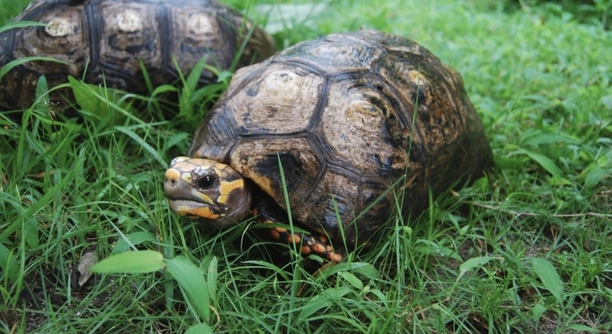
If you own a Red-Footed Tortoise, you might have noticed its beak growing longer over time. This can happen naturally, but when the beak becomes too long, it may cause discomfort or difficulty eating.
Trimming an overgrown beak should be done carefully to avoid injury or stress. It is recommended to use proper tools like clippers or a Dremel, and only trim small amounts at a time to prevent harm.
Knowing how to trim your tortoise’s beak is essential for its well-being. We’ll guide you through the steps, tips, and precautions to ensure a safe and effective trimming process.
Why Beak Trimming Is Important for Red-Footed Tortoises
Overgrown beaks in Red-Footed Tortoises can pose several problems, from difficulty eating to possible infections. These tortoises’ beaks naturally grow throughout their lives, but excessive growth can be harmful. A long, sharp beak can lead to uneven wear, making it difficult for them to chew their food properly. When this happens, they may have trouble eating a balanced diet, which can lead to nutritional deficiencies or weight loss.
Beak trimming is not only about aesthetics; it’s essential for your tortoise’s health and comfort. If left unchecked, an overgrown beak may become deformed or cause injury to the inside of the mouth. Keeping the beak in check allows your tortoise to enjoy a normal, healthy diet, preventing long-term health issues. A well-maintained beak also helps your pet avoid stress or pain that could interfere with their daily activities.
Maintaining a tortoise’s beak may seem intimidating, but with the right tools and techniques, it’s manageable. It’s important to keep an eye on the growth of your tortoise’s beak to ensure it stays within a healthy range. A routine checkup can help catch any issues before they become severe. Regular trimming also promotes good hygiene by keeping bacteria and fungus at bay, both of which can thrive in an overgrown beak. If you notice any signs of discomfort or trouble eating, it’s time to take action.
Tools You’ll Need for Beak Trimming
Before trimming, it’s crucial to have the proper tools ready to ensure a safe and precise process.
Some common tools for trimming a Red-Footed Tortoise’s beak include small animal clippers, a Dremel with a sanding attachment, and a nail file. Using these tools allows for careful and accurate trimming, reducing the risk of injury.
When trimming, start by selecting an appropriate tool for the job. Small animal clippers work well for larger trims, while a Dremel or rotary tool offers precision for smaller adjustments. A nail file can be useful for smoothing out sharp edges after the beak is trimmed. Be sure to sterilize each tool before use to minimize the risk of infection. It’s important to stay calm during the process and avoid rushing, as tortoises can be easily stressed. If you’re unsure, seeking the help of a veterinarian is always a safe option. They can guide you on the best tools and techniques for your tortoise.
Preparing Your Red-Footed Tortoise for Beak Trimming
Before you begin trimming, make sure your tortoise is calm and relaxed. Handling them gently can reduce stress and prevent sudden movements that could cause injury.
Take time to prepare your tortoise’s environment. It’s best to place them on a stable surface, like a soft towel or cloth, to prevent slipping. Keep everything you need within easy reach, so you can move quickly and efficiently. If your tortoise is particularly nervous, consider having someone assist you by gently holding them while you focus on the trimming process.
It’s also important to monitor your tortoise’s behavior leading up to the trim. If they are overly stressed or unwell, it may be best to postpone the procedure and consult with a vet. Ensure the room is quiet, with minimal distractions, so your tortoise stays calm during the entire process.
The Trimming Process
Start by trimming only a small portion of the beak. Removing too much at once can lead to bleeding or discomfort.
Using your chosen tool, carefully clip or file the beak in small increments. Start from the tip and work your way back toward the base. Avoid trimming too close to the sensitive areas near the base of the beak, as this can cause damage to blood vessels or nerves. Keep your movements steady and controlled, taking your time to ensure an even trim. Check regularly to make sure you are not cutting too much, as it’s safer to trim in multiple sessions than to risk cutting too much in one go.
After each trim, check the beak to see if it is smooth and even. If there are any sharp edges left, use a nail file or Dremel to carefully smooth them down. This will help prevent any discomfort or injury when your tortoise eats or moves around.
Aftercare for Your Red-Footed Tortoise’s Beak
Once the trimming is complete, monitor your tortoise for any signs of distress. You’ll want to ensure that no bleeding occurs after trimming.
Keep an eye on their eating habits and activity level for the next few days. If they seem uncomfortable or have trouble eating, it’s worth checking the beak again or seeking veterinary advice.
Signs of Overgrown Beak
An overgrown beak may not always be immediately noticeable, but some signs to watch for include difficulty eating, drooling, or changes in behavior.
If you notice any of these signs, it’s best to inspect your tortoise’s beak and take action if needed. Regular checks will help prevent bigger issues.
Regular Maintenance of the Beak
To avoid major trimming sessions, check your tortoise’s beak every few weeks. Light maintenance can be done regularly by gently filing down any minor overgrowth.
This proactive approach can help prevent overgrowth from becoming an issue, keeping your tortoise comfortable and healthy. A little bit of maintenance goes a long way.
FAQ
How often should I trim my Red-Footed Tortoise’s beak?
The frequency of trimming depends on your tortoise’s individual growth rate and diet. In general, a beak check every few months is a good practice. Some tortoises may require more frequent trimming if their beak grows faster, while others may need less attention. Always keep an eye on their eating habits and general comfort. If you notice difficulty eating or any other signs of an overgrown beak, it’s time to take action. Regularly checking for small growths can help you stay on top of beak maintenance.
Can I use regular clippers or scissors for trimming the beak?
It’s best not to use regular clippers or scissors. These tools are not designed for the precision needed when trimming a tortoise’s beak. Small animal clippers, a Dremel tool with a sanding attachment, or a nail file are ideal options. Regular clippers may cause jagged edges or harm the beak structure. The right tools help ensure smooth, controlled trimming that is safer for your tortoise.
What should I do if I accidentally cut the beak too much?
If you accidentally trim too much and notice bleeding, it’s important to stay calm. Apply a small amount of cornstarch or styptic powder to stop the bleeding. If the bleeding persists, contact a veterinarian immediately. Additionally, monitor your tortoise closely for any signs of infection or discomfort after the incident. They may need extra care or antibiotics depending on the severity of the injury. Taking quick action can prevent further complications.
Is it okay to trim the beak myself, or should I seek professional help?
It’s okay to trim the beak yourself if you feel confident and have the right tools. However, if you’re unsure or uncomfortable with the process, it’s always best to consult a veterinarian. A professional can show you the proper technique and tools, and may also handle the trimming if necessary. A vet is also helpful if your tortoise’s beak shows signs of disease or injury, ensuring the trimming is done safely.
How can I prevent my Red-Footed Tortoise’s beak from growing too long?
Providing a balanced diet rich in fiber, calcium, and other essential nutrients can help prevent the beak from growing excessively. Offering a variety of foods, including leafy greens, fruits, and vegetables, encourages natural wear on the beak. Additionally, allowing your tortoise to roam in a natural, safe environment can help maintain healthy beak growth. Regular monitoring and trimming when necessary will help keep their beak in check.
How do I know if my tortoise’s beak is overgrown?
You can tell if your tortoise’s beak is overgrown by watching for changes in their eating behavior. Difficulty biting or chewing food, or refusal to eat, are common signs of an overgrown beak. Other indicators include visible overgrowth or sharp edges that might look abnormal. If the beak appears too long or uneven, it’s time to inspect it more closely. Regular checks ensure that issues are caught early.
Can an overgrown beak cause health problems for my Red-Footed Tortoise?
Yes, an overgrown beak can lead to serious health problems. If it interferes with eating, it can cause malnutrition or digestive issues. An overgrown beak can also cause discomfort or pain, leading to behavioral changes or stress. In severe cases, an improperly worn beak can lead to infections or deformities. Early intervention through proper trimming can prevent these problems.
Should I trim the beak if my tortoise is already eating normally?
Even if your tortoise is eating normally, it’s important to inspect the beak regularly. The beak can sometimes grow unevenly, causing discomfort or other hidden issues. Trimming should be done as a preventative measure, not just when problems arise. Regular maintenance ensures that the beak stays in optimal condition for eating and general well-being.
What signs should I look for to know if my tortoise is in pain after trimming?
If your tortoise is in pain after a trim, you may notice changes in their behavior, such as decreased appetite, lethargy, or aggression. They may also avoid using their beak or show signs of swelling or discharge around the beak. If you observe these signs, it’s important to consult a veterinarian immediately. Pain after trimming is rare if done properly, but it’s important to act quickly if any discomfort is evident.
Can I use a file or Dremel tool to smooth the edges after trimming?
Yes, using a file or Dremel tool to smooth the edges of the beak after trimming is highly recommended. This helps prevent any sharp points that could cause injury or discomfort while eating. A Dremel with a sanding attachment is particularly useful for smoothing down rough or uneven spots. Just make sure to use the tool carefully, and avoid applying too much pressure to the beak during this process.
Is beak trimming painful for a Red-Footed Tortoise?
Beak trimming, when done correctly, should not cause pain. However, it can be a stressful process for the tortoise if not handled gently. If you trim too much or too quickly, it could cause discomfort or injury. It’s crucial to take your time, use the right tools, and avoid cutting too close to sensitive areas of the beak to ensure the tortoise remains comfortable. If you’re concerned about pain, consulting a veterinarian may be a safer option.
Final Thoughts
Trimming your Red-Footed Tortoise’s beak may seem like a daunting task at first, but with the right tools and techniques, it’s a manageable process. Regular checks of your tortoise’s beak will help you catch any overgrowth early, which prevents potential problems down the line. Keeping the beak at a healthy length ensures that your tortoise can eat comfortably and maintain a balanced diet, which is essential for their overall health. By staying proactive and trimming only when necessary, you can avoid any issues that might arise from excessive beak growth.
It’s important to remember that trimming should be done with care. The process should never be rushed. Take your time and make sure you’re trimming in small increments. Avoid cutting too much at once, as this can lead to injury or excessive bleeding. If you’re unsure about your ability to trim the beak safely, there’s no harm in seeking help from a veterinarian. They can guide you through the process or take care of the trimming for you. Your tortoise’s well-being should always be the priority, and if you have any doubts, professional help is always a good choice.
Finally, be mindful of your tortoise’s overall health. A proper diet, along with regular maintenance of their living environment, will naturally help keep their beak in good condition. Providing access to a variety of foods and allowing them to engage in activities that promote natural beak wear will go a long way in preventing excessive growth. By keeping an eye on their behavior, eating habits, and checking their beak from time to time, you can ensure that your Red-Footed Tortoise remains happy and healthy for years to come. Regular trimming, when needed, will only add to their comfort and well-being.

Hello,
If you enjoy the content that we create, please consider saying a "Thank You!" by leaving a tip.
Every little bit helps us continue crafting quality advice that supports the health, happiness, and well-being of pets around the world, for pets of all shapes, sizes, and species.
We really appreciate the kindness and support that you show us!