
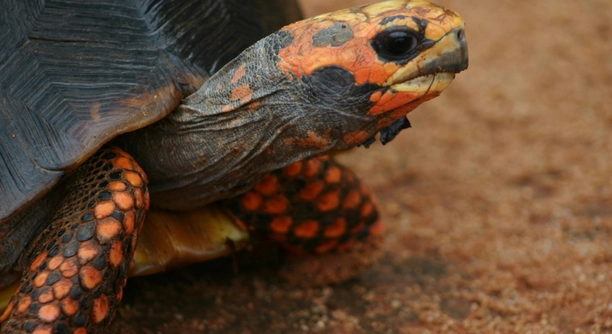
Red-footed tortoises are unique creatures with specific health needs, including a strong immune system to keep them healthy. Maintaining their immune function is essential for a long, happy life. Here are seven natural ways to help support your tortoise’s immunity.
Boosting your red-footed tortoise’s immune system naturally involves providing a balanced diet, proper hydration, and exposure to sunlight. Additionally, ensuring they have a stress-free environment and using natural supplements can support their overall health and immunity.
These simple methods can help your tortoise stay strong and healthy. By focusing on natural care, you can improve their quality of life and prevent potential health issues.
Balanced Diet for Your Red-Footed Tortoise
A balanced diet is one of the best ways to support your red-footed tortoise’s immune system. These tortoises are primarily herbivores, so providing a variety of leafy greens, fruits, and vegetables is essential for maintaining good health. Offer foods like dandelion greens, collard greens, and kale, which are rich in vitamins and minerals that help boost their immune system. Some fruits, like papaya and mango, are great occasional treats that provide additional nutrients.
Avoid feeding them too much fruit or high-protein foods, as these can upset their digestive system and affect their health. A balanced diet also helps prevent obesity, which can strain their organs and reduce immunity. A diverse selection of fresh foods ensures that they receive the necessary vitamins to support their immune functions.
Proper feeding should include a mix of leafy greens and occasional fruits, as well as adding a calcium supplement to maintain shell health. Make sure to always provide fresh, clean water to keep your tortoise hydrated and aid digestion.
Sunlight and UVB Exposure
Exposure to sunlight is crucial for your tortoise’s health.
UVB light helps your tortoise produce vitamin D3, which is essential for calcium absorption. Without proper UVB exposure, they may develop shell deformities and weakened bones. A good quality UVB bulb is a great alternative if you don’t have access to natural sunlight.
Red-footed tortoises need UVB exposure for around 10-12 hours a day to maintain healthy bones and a strong immune system. Along with providing UVB light, make sure they have a warm basking area where they can regulate their body temperature. A consistent temperature helps them stay active and strengthens their immune response. Just as important, make sure they have a cooler, shaded area to retreat to when they need to cool off.
Reducing Stress for a Stronger Immune System
Stress negatively impacts your tortoise’s immune system.
To keep your tortoise stress-free, avoid sudden changes in their environment. Try not to move their enclosure too frequently, as it can cause confusion. They also need time to adjust to new surroundings, so give them space when they’re exploring. Too much handling can also cause stress, so only interact when necessary. Keep noise levels low and ensure they are in a quiet area to help them feel secure.
It’s also important to give your tortoise plenty of time outdoors. A safe, enclosed space allows them to roam and explore, which is natural for them. Spending time in the sun and having access to greenery will reduce anxiety and keep them happy. Tortoises thrive in a peaceful environment, so try to maintain consistent routines and surroundings. This will encourage a calm atmosphere that supports a strong immune system.
Proper Hydration for Health
Hydration is key to a healthy immune system.
Always ensure that your tortoise has access to fresh water at all times. Red-footed tortoises drink regularly, so it’s essential that their water dish is always clean. Dehydration can lead to various health problems, including a weakened immune system, constipation, and kidney issues. A shallow water dish is recommended, as tortoises can drown in deep water if they’re not careful.
Offering water isn’t the only way to keep your tortoise hydrated. Many of the greens and fruits you feed them will provide additional moisture. Wetting their food can help keep them hydrated while also adding a boost of nutrients. Make sure to also soak your tortoise in a shallow dish of water for about 15 minutes every few days to ensure they stay properly hydrated. Soaking allows them to drink water and keeps their skin and shell in good condition.
Natural Supplements for Immune Support
Natural supplements can be a helpful addition to your tortoise’s diet.
Adding a multivitamin supplement designed for reptiles can boost their immune system. Make sure to choose a supplement with vitamin A, vitamin D3, and calcium to maintain healthy bones and immunity. Always follow the recommended dosage.
Probiotic supplements are another option that can aid digestion and strengthen your tortoise’s immune system. Probiotics promote healthy gut bacteria, which helps your tortoise process food and absorb nutrients. A healthy gut is key to maintaining overall health, including immune function. Use supplements in moderation to avoid over-supplementing.
Clean and Safe Habitat
A clean habitat is essential for good health.
Ensure that the enclosure is regularly cleaned to avoid bacterial growth. Remove uneaten food daily and clean water dishes frequently. Spot clean any waste and replace bedding material when necessary. A clean habitat will help keep your tortoise healthy and reduce the risk of infections.
Avoiding Overfeeding
Overfeeding can lead to health problems.
Tortoises have a slow metabolism, so they don’t need large amounts of food. Feed them in moderation, offering the right amounts of vegetables and fruits without overloading their diet. Avoid fatty foods, as they can cause obesity, affecting the immune system.
FAQ
How do I know if my red-footed tortoise’s immune system is weak?
A weak immune system in a red-footed tortoise can show through signs like lethargy, a dull or irregular shell, difficulty shedding, or poor appetite. If your tortoise is constantly hiding or seems to be in distress, it could be an indication of stress or illness, both of which impact the immune system. Respiratory problems, like wheezing or nasal discharge, are also signs of potential health issues. Regular vet check-ups are important to monitor their immune health and catch any problems early.
Can diet alone boost my tortoise’s immune system?
While diet plays a big role, it should be combined with other care factors. A balanced diet rich in vitamins A and D3, along with fresh greens and some fruits, can support their immune system. However, it’s essential to ensure your tortoise has proper hydration, sunlight, and stress management, as these also affect immune health. Diet alone may not be enough to maintain their immunity without considering these other factors.
Is UVB light necessary for my tortoise?
Yes, UVB light is very important for red-footed tortoises. UVB helps them synthesize vitamin D3, which is essential for calcium absorption and bone health. Without adequate UVB exposure, your tortoise may develop metabolic bone disease, affecting both its bones and immune system. If you cannot provide direct sunlight, an artificial UVB light source is necessary. Be sure to replace the bulb regularly, as UVB strength diminishes over time.
Can I give my red-footed tortoise treats?
Yes, but only in moderation. Fruits can be given as occasional treats, but they should not make up a significant portion of their diet. Red-footed tortoises thrive on a varied diet of leafy greens and high-fiber vegetables. Too much sugary fruit can lead to digestive issues or obesity, which can negatively impact their overall health and immune system.
How often should I bathe my tortoise?
Bathing your tortoise in a shallow dish of water every few days can help with hydration, especially if they don’t drink enough on their own. The soak should last about 15 minutes, but make sure your tortoise can easily get out of the water if needed. Bathing also aids in skin and shell health. Make sure the water is warm, not too hot or too cold, to keep your tortoise comfortable.
What is the best way to handle my tortoise?
Handling should be kept to a minimum to avoid stress. When you do handle your red-footed tortoise, be gentle and supportive of its body to avoid injury. Never lift them by their legs or tail. Always hold them close to the body, supporting their shell, and avoid prolonged handling. Tortoises are naturally independent creatures, and too much handling can lead to stress, which can weaken their immune system.
How can I create a stress-free environment for my tortoise?
To keep your tortoise stress-free, maintain a stable environment. Avoid sudden changes to their habitat, such as moving their enclosure or introducing new, loud pets. Provide hiding spots within their enclosure where they can retreat if they feel threatened. Keep the temperature and humidity levels consistent, as fluctuating conditions can cause discomfort and stress. Also, allow them regular time outside in a safe, enclosed area where they can roam and explore.
Are there any common mistakes I should avoid when caring for a red-footed tortoise?
Common mistakes include overfeeding, improper temperature regulation, and lack of UVB light. Overfeeding can lead to obesity, which places strain on the tortoise’s body and weakens its immune system. Failing to provide UVB light or exposure to direct sunlight can result in calcium deficiencies and other health issues. Another mistake is keeping them in a cramped or poorly maintained enclosure. Ensure their space is large enough for them to move freely and includes areas for basking and hiding.
How do I know if my tortoise is getting enough calcium?
Calcium is crucial for shell health and bone development. Signs of calcium deficiency can include soft or deformed shells and difficulty moving. To ensure proper calcium intake, provide foods that are rich in calcium, like collard greens, dandelion greens, and other leafy vegetables. You may also want to dust their food with a calcium supplement, but be sure to do so in moderation. Over-supplementing can be harmful. Regular exposure to UVB light helps with calcium absorption.
Can I keep my red-footed tortoise with other pets?
Red-footed tortoises should not be kept with other pets unless it’s carefully managed. It’s best to house them in a separate, secure enclosure, as other pets may stress or harm your tortoise. If you allow your tortoise to roam in a supervised area, ensure there’s no risk from other animals. Tortoises are solitary creatures and prefer their own space.
What temperature should I maintain in my tortoise’s enclosure?
The ideal temperature for a red-footed tortoise’s enclosure is between 75°F and 85°F during the day, with a basking area that can reach 90°F to 95°F. Nighttime temperatures can drop to around 70°F. A temperature gradient is important, as it allows the tortoise to regulate its body temperature. Make sure to use a thermometer to monitor conditions regularly.
How long do red-footed tortoises live?
Red-footed tortoises are long-lived reptiles, with an average lifespan of 50 to 60 years when properly cared for. With the right diet, proper living conditions, and regular veterinary care, some can live even longer. However, they require consistent care throughout their lives, so it’s important to be prepared for a long commitment when adopting one.
Do I need to trim my tortoise’s nails or beak?
In general, red-footed tortoises don’t require regular nail trimming, as their nails wear down naturally through movement. However, if you notice their nails growing too long or their beak becoming overgrown, you should consult a veterinarian. Overgrown nails or beaks can cause discomfort and affect your tortoise’s ability to eat or walk properly.
Can I use chemicals to clean my tortoise’s enclosure?
Avoid using harsh chemicals to clean your tortoise’s enclosure, as they can be harmful. Instead, opt for natural cleaning products or a mild, reptile-safe disinfectant. Regularly wipe down surfaces with a damp cloth and remove any waste daily. This will help keep the habitat clean without exposing your tortoise to harmful chemicals.
Final Thoughts
Taking care of a red-footed tortoise requires attention to several factors, from diet to habitat. Providing a balanced diet with the right mix of greens, fruits, and occasional supplements can significantly support your tortoise’s immune system. It’s important to offer variety, ensuring they receive all the necessary vitamins and minerals. This helps keep them strong and healthy, preventing issues like shell deformities or weakened bones. Don’t forget to include calcium supplements if needed and make sure their water is fresh and clean at all times.
Beyond diet, other aspects of care are equally important for supporting your tortoise’s immune system. Proper UVB exposure is necessary for their overall health, allowing them to produce vitamin D3, which helps absorb calcium. A basking area with the right temperature and humidity is essential for maintaining a healthy environment. Also, regular soaking can aid hydration and digestion. Stress reduction is another crucial factor—ensuring your tortoise has a quiet, safe space to roam and relax can help reduce the chances of health issues linked to anxiety and stress.
Finally, a regular check-up with a veterinarian who specializes in reptiles can help catch potential problems early. Even though red-footed tortoises are generally hardy, they still need consistent care throughout their long lives. With proper attention to their diet, environment, and overall well-being, your tortoise can thrive and enjoy a long, healthy life. By following the tips in this guide, you can help boost their immune system naturally, preventing illness and ensuring they stay as healthy as possible.

Hello,
If you enjoy the content that we create, please consider saying a "Thank You!" by leaving a tip.
Every little bit helps us continue crafting quality advice that supports the health, happiness, and well-being of pets around the world, for pets of all shapes, sizes, and species.
We really appreciate the kindness and support that you show us!