
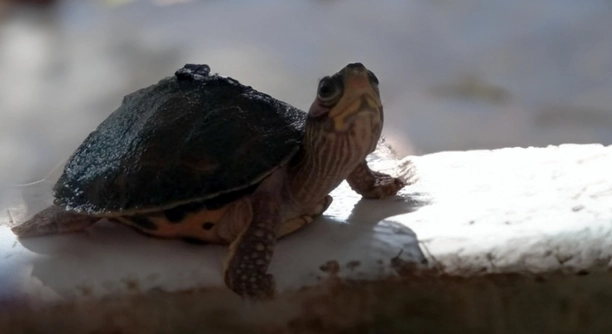
Injuring an Indian Roofed Tortoise can be a stressful experience for both the animal and the handler. Knowing how to respond appropriately can make all the difference in ensuring its recovery and safety. Proper care is essential.
When handling an injured Indian Roofed Tortoise, it is crucial to approach with caution. Avoid direct contact with the injured area, and ensure the tortoise is placed in a safe, quiet environment. Provide hydration and monitor for signs of stress or infection.
Understanding the necessary steps in providing proper care will ensure your tortoise gets the best chance for recovery.
Immediate Steps to Take When You Find an Injured Tortoise
If you come across an injured Indian Roofed Tortoise, the first thing you need to do is remain calm. Approach slowly and avoid sudden movements that may stress the tortoise further. Gently assess the situation by looking for signs of injury, such as bleeding, swollen limbs, or visible fractures. Use a towel or cloth to pick the tortoise up carefully, making sure not to cause any additional harm.
Once you’ve securely handled the tortoise, place it in a safe, quiet place where it won’t be disturbed. Keep the environment calm and dark, as stress can further complicate the healing process. If the injury looks severe, transport the tortoise to a veterinarian as soon as possible. If you cannot reach one immediately, providing hydration is essential. Offering a shallow dish of water can help prevent dehydration, which is a risk when an animal is under stress.
In some cases, minor injuries may be treated at home, but this depends on the nature of the damage. Always err on the side of caution and seek professional help.
Recognizing the Need for Veterinary Assistance
While some injuries can be treated at home, others require professional veterinary care. If you notice signs like a limp or a wound that doesn’t stop bleeding, it’s essential to consult with a veterinarian for proper treatment.
A vet can provide an accurate diagnosis and recommend treatments such as antibiotics or stitches. The quicker you get professional help, the better the chance your tortoise has for a full recovery. In some cases, delay in treatment can lead to complications, so it’s always a good idea to be proactive.
Handling Minor Injuries at Home
For minor injuries, a safe and calm environment is key. Place the tortoise in a quiet space away from noise and disturbances. You can gently clean any small wounds with mild antiseptic or saline solution. Be sure to avoid overhandling, as this can cause more stress and harm.
After cleaning the wound, apply a light bandage if necessary to prevent infection. Keep an eye on the injury for signs of swelling or redness, as this may indicate an infection. If the tortoise shows any signs of distress, such as not eating or moving, it’s important to seek professional help.
It’s important to remember that even minor injuries can worsen if not handled properly. Monitoring the tortoise’s behavior, appetite, and activity level will help you notice any complications early. If the injury doesn’t show signs of improvement after a few days, consult a veterinarian for further guidance.
Providing Proper Hydration and Nutrition
Hydration is vital when dealing with an injured tortoise. Offer fresh, clean water daily, as dehydration can slow recovery. If the tortoise is not drinking on its own, you can soak it gently in lukewarm water for about 20 minutes, allowing it to hydrate naturally.
Proper nutrition is just as important. While injured, your tortoise may not feel like eating much. Offer soft, easily digestible foods like leafy greens or fruits, avoiding anything too hard or difficult to chew. It’s essential to provide food that supports healing, such as high-fiber greens or calcium-rich foods.
If the tortoise continues to refuse food or shows signs of malnutrition, consult a vet for advice on feeding and supplements. If the tortoise has suffered significant injury or stress, it may need extra nutrients to help with the healing process.
Monitoring for Signs of Infection
Infection is a real concern with any injury. Keep an eye out for swelling, unusual discharge, or a bad smell coming from the wound. These are common signs that the injury may be infected and needs immediate medical attention.
If the injury doesn’t show signs of healing or worsens, seek professional care right away. A veterinarian can properly clean and treat the wound, providing antibiotics if necessary. If left untreated, an infection can spread, causing more severe issues that may be harder to treat.
Keeping the Tortoise Calm and Comfortable
Stress can impede healing, so it’s important to keep the tortoise as calm as possible. Avoid loud noises, bright lights, or excessive handling. If the tortoise appears agitated, create a quiet, dark environment to help it relax.
Maintaining a stable and peaceful environment helps ensure that the tortoise’s body can focus on healing, rather than being overwhelmed by stress. This calm setting also reduces the risk of the tortoise further injuring itself while trying to move around or escape from perceived threats.
Ensuring Safe Transport to a Vet
If you need to take your tortoise to the vet, make sure to transport it safely. Use a small, secure container with soft bedding to avoid additional stress or injury during transit. Ensure the tortoise is comfortable and doesn’t get jostled around too much.
Be mindful of the temperature and environment inside the transport container. Tortoises are sensitive to changes in their surroundings, so a quiet, safe space will help minimize the distress during the trip.
FAQ
What should I do if my tortoise isn’t eating after an injury?
If your tortoise isn’t eating, it’s important to monitor it closely. Stress from the injury or the environment might be affecting its appetite. Try offering soft, hydrating foods such as leafy greens or fruits. You can also soak the tortoise in warm water to help it rehydrate, which may stimulate its appetite. If it continues to refuse food for more than a few days, it’s best to consult a vet for advice.
How can I tell if my tortoise’s injury is serious?
A serious injury will often be visible through obvious signs like bleeding, swelling, or an open wound. If your tortoise has difficulty moving or appears lethargic, the injury may be more severe. In these cases, seek professional help immediately. If the injury is small and manageable, you can care for it at home but monitor it closely for complications.
Can I treat my tortoise’s injury at home?
You can treat minor injuries at home, such as small scrapes or cuts, by cleaning the area gently with saline solution or mild antiseptic. Make sure the tortoise is in a quiet, safe environment to reduce stress. However, more serious injuries, like fractures or deep wounds, should be addressed by a veterinarian. Always err on the side of caution if you’re unsure about the injury’s severity.
How do I know if my tortoise is dehydrated?
Dehydration is a common issue after injury. Symptoms include dry, sunken eyes, lethargy, and a lack of interest in food. You can help hydrate your tortoise by soaking it in lukewarm water for 20 minutes, which can encourage drinking. Ensure there’s always fresh water available. If signs of dehydration persist, consult a vet.
How often should I check on my injured tortoise?
You should check on your injured tortoise several times a day, especially in the first few days. Look for signs of infection, such as swelling, redness, or discharge, and make sure the wound is healing. Also, observe its behavior for signs of pain or discomfort. If you notice any changes, seek professional care.
What’s the best way to transport an injured tortoise to the vet?
When transporting your tortoise to the vet, use a small, secure container with soft bedding like towels or a blanket to prevent further injury. Ensure the container is stable and won’t tip over during transit. Keep the environment calm and dark to reduce stress. Make sure the temperature is appropriate, as tortoises are sensitive to extreme conditions.
Can I apply any creams or ointments to my tortoise’s injury?
It’s best to avoid applying creams or ointments unless directed by a vet. Some products can be harmful to reptiles, and improper application may lead to complications. If your tortoise has a small wound, a mild antiseptic or saline solution is usually enough for cleaning. Always consult with a vet before applying anything to the injury.
How long will it take for my tortoise to recover from an injury?
The recovery time varies depending on the severity of the injury. Minor injuries may heal in a few days to a week with proper care, while more serious wounds or fractures can take weeks or even months. Be patient, and continue to monitor your tortoise’s progress closely. If there are no signs of improvement, a vet visit is necessary.
Is it safe to bathe my tortoise while it’s recovering from an injury?
Yes, it is generally safe to bathe your tortoise during recovery, but avoid submerging the injured area in water. Soaking the tortoise in warm water can help with hydration and promote healing, especially if the injury has caused a decrease in activity. Just make sure the bath is short and not too deep.
What kind of food should I offer an injured tortoise?
Offer easily digestible foods like leafy greens (e.g., dandelion greens, collard greens) and soft fruits (e.g., melon, strawberries). These foods will provide hydration and the necessary nutrients to aid recovery. Avoid feeding hard foods or those that are difficult to chew until the tortoise is feeling better.
Final Thoughts
Taking care of an injured Indian Roofed Tortoise requires attention and patience. It’s essential to assess the severity of the injury and take the right steps based on its condition. Minor injuries can often be managed at home with proper cleaning and observation, while more serious wounds require professional care. Always monitor the tortoise closely for signs of infection or distress. If you’re unsure, it’s best to consult a vet for guidance. Early intervention can help avoid complications and promote a quicker recovery.
Providing a calm and quiet environment is crucial during the healing process. Tortoises, like many reptiles, can become stressed easily, which may hinder their recovery. Ensuring the tortoise has access to proper warmth, hydration, and food can also aid in the healing process. Make sure to keep the area clean and comfortable to avoid any unnecessary stress or discomfort. Healing may take time, so patience is key when dealing with an injured tortoise. It’s important to remember that each tortoise will heal at its own pace, and recovery times can vary.
While it may be difficult to see your tortoise in pain, staying calm and focused on providing the best care will make a difference in its recovery. By following the proper steps for injury treatment, hydration, and reducing stress, you can help ensure your tortoise has the best chance at a full recovery. Keep an eye out for any changes in behavior or health, and don’t hesitate to seek professional help if needed. With the right care, your tortoise can heal and return to its normal activities in time.

Hello,
If you enjoy the content that we create, please consider saying a "Thank You!" by leaving a tip.
Every little bit helps us continue crafting quality advice that supports the health, happiness, and well-being of pets around the world, for pets of all shapes, sizes, and species.
We really appreciate the kindness and support that you show us!