
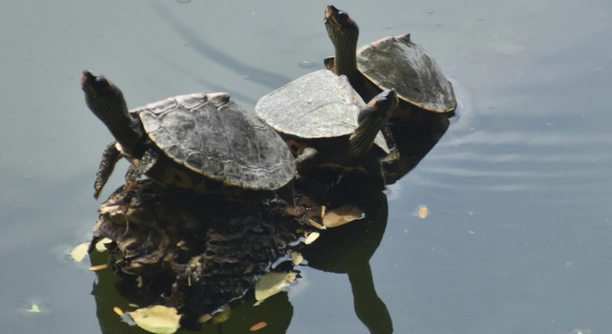
Finding the right heat lamp for your Indian Roofed Tortoise tank is essential for their well-being. A suitable lamp will provide the necessary warmth for your tortoise while being easy on your budget.
The best budget-friendly heat lamps for Indian Roofed Tortoise tanks combine energy efficiency, durability, and optimal heat distribution. Choosing lamps that provide consistent warmth while being cost-effective is key to creating a comfortable environment for your tortoise.
Selecting the right lamp can make a big difference in your tortoise’s comfort. There are several options available that meet both your budget and your tortoise’s needs.
Why Heat Lamps Are Essential for Your Indian Roofed Tortoise Tank
Heat lamps are crucial for maintaining the right temperature in your Indian Roofed Tortoise tank. These reptiles require consistent warmth to regulate their body temperature, aiding in digestion and overall health. Without a proper heat source, your tortoise may become stressed, which can lead to health issues such as a weakened immune system. The right heat lamp helps mimic their natural habitat, ensuring they remain comfortable and active.
For a healthy environment, the lamp should be able to maintain the tank’s temperature between 85°F and 90°F during the day. It’s important to use a lamp that provides even heat distribution without causing any hotspots. The proper lamp choice can make a significant difference in the well-being of your tortoise.
Not only do heat lamps help regulate body temperature, but they also assist in providing the proper UVB lighting. These lamps are vital for tortoises as they aid in calcium absorption, which helps with shell and bone health. Opting for a heat lamp that combines heat and UVB output could be a great investment for your tortoise’s long-term health.
Types of Budget-Friendly Heat Lamps
When selecting a heat lamp on a budget, consider energy-efficient options. These are often cheaper in the long run due to lower electricity costs.
Many affordable heat lamps can meet your tortoise’s needs, including incandescent and ceramic heat emitters. Incandescent lamps are common for providing heat, while ceramic options deliver heat without light. The key to saving money is selecting a lamp with a long lifespan and minimal energy consumption.
It’s important to choose a heat lamp that fits well within your tank and meets the needs of your tortoise. Many budget-friendly options provide sufficient warmth, ensuring your tortoise stays active and healthy without straining your finances. Don’t compromise on quality, as your tortoise’s health should always be a priority.
Features to Look for in a Budget-Friendly Heat Lamp
When shopping for a budget-friendly heat lamp, look for energy efficiency and durability. Opt for bulbs or fixtures that offer long-lasting performance to save money in the long term.
Energy-efficient heat lamps are crucial for keeping costs low. Look for models with a higher wattage rating to ensure they provide enough heat. Additionally, the lamp should be designed to withstand prolonged use. Heat lamps with ceramic fixtures or metal reflectors are more durable than plastic ones.
Another important factor is temperature control. Some heat lamps come with a built-in thermostat, which helps maintain a consistent temperature in the tank. This prevents overheating, which could harm your tortoise. It’s important to find a lamp that offers heat without fluctuating too much, providing stability for your tortoise’s environment.
Ceramic vs. Incandescent Heat Lamps
Ceramic heat lamps are a great option for budget-conscious tortoise owners. They offer heat without producing light, which helps create a more natural day-night cycle.
Ceramic heat lamps are often more durable and last longer than incandescent bulbs. They also use less energy, making them ideal for reducing your monthly electricity bill. They do not emit visible light, making them perfect for nighttime heating, as they will not disturb your tortoise’s sleep cycle. Ceramic bulbs are also ideal for smaller tanks, as they provide consistent heat without needing frequent replacements.
Incandescent heat lamps are another affordable option. They produce both heat and light, which can help regulate your tortoise’s day-night cycle. However, they might not be as energy-efficient as ceramic options and often need to be replaced more frequently. If you decide to use incandescent lamps, be sure to monitor the tank’s temperature closely to avoid overheating.
Choosing the Right Wattage for Your Heat Lamp
Choosing the correct wattage ensures your tortoise gets the right amount of warmth. Too low may not keep the tank warm enough, while too high can create dangerous hot spots.
For a 20-40 gallon tank, a 75-watt heat lamp is typically sufficient. Larger tanks may require a 100-watt or higher lamp to maintain the right temperature. Always check your tank’s current temperature to ensure you’re using the appropriate wattage.
To maintain a steady temperature, consider a lamp with an adjustable thermostat. This will help regulate the heat, preventing it from becoming too intense or too weak for your tortoise.
Placement of the Heat Lamp in the Tank
Proper placement of the heat lamp is crucial for maintaining an even temperature throughout the tank. Avoid positioning it directly above the tortoise’s basking area.
The heat lamp should be placed at one end of the tank to create a gradient. This allows your tortoise to move between areas of different temperatures, which is essential for thermoregulation. Ensure there is enough space between the lamp and any objects in the tank to avoid overheating.
Consider placing the lamp on a secure fixture that can withstand the heat. It should be positioned high enough to prevent your tortoise from reaching it, ensuring their safety.
Budget-Friendly Heat Lamp Brands
There are several affordable heat lamp brands that are trusted by reptile owners. Look for reliable names that provide durability and efficient heating.
Popular budget-friendly brands include Zoo Med, Exo Terra, and Fluker’s. These companies offer heat lamps that are specifically designed for tortoise tanks and are available at various price points. Many of their models are known for their longevity and energy efficiency, making them a great choice for cost-conscious pet owners.
FAQ
What is the ideal temperature for my Indian Roofed Tortoise tank?
The ideal temperature range for your Indian Roofed Tortoise tank should be between 85°F and 90°F during the day. At night, it can drop to around 75°F. To ensure proper heat distribution, place a heat lamp at one end of the tank to create a temperature gradient. Your tortoise can then choose to bask in the warmer area or retreat to the cooler side when needed.
Can I use any heat lamp for my tortoise tank?
Not all heat lamps are suitable for tortoises. It’s important to choose a heat lamp that provides both the correct heat and UVB light, as UVB is essential for calcium absorption. Avoid using regular household lamps, as they may not be designed for reptiles and can cause overheating. Instead, look for reptile-specific heat lamps that are energy-efficient and provide consistent warmth.
How often should I replace my heat lamp?
The lifespan of a heat lamp depends on the type and brand. Typically, incandescent bulbs last around 1,000 hours, while ceramic heat emitters can last much longer, up to 5,000 hours. Keep an eye on the lamp’s performance; if the heat output decreases or the lamp flickers, it’s time to replace it. Always have a backup lamp on hand in case of failure.
Can I use a heat mat instead of a heat lamp for my tortoise?
While heat mats can be useful for some reptiles, they are not the best option for tortoises. Tortoises require a basking area with direct heat to regulate their body temperature, and heat mats may not provide the intensity of heat needed for proper thermoregulation. Heat lamps are generally more effective for providing a basking area and UVB light simultaneously.
What is the best type of bulb for a heat lamp?
Incandescent bulbs are a popular choice for heat lamps as they emit both heat and light. However, if you want to avoid disrupting the tortoise’s natural day-night cycle, ceramic heat emitters are a great option. Ceramic bulbs emit only heat and no light, which is ideal for nighttime use. Make sure to choose a bulb that is energy-efficient to save on electricity costs.
How do I set up the heat lamp in the tank?
Position the heat lamp at one end of the tank to create a temperature gradient. The basking area should be directly under the lamp, with temperatures around 90°F. The cooler side of the tank should stay around 75°F. Ensure the lamp is securely mounted, and avoid placing it too close to the tank’s surface to prevent overheating.
Should I use a UVB bulb along with the heat lamp?
Yes, a UVB bulb is highly recommended for tortoises. UVB light helps them synthesize vitamin D3, which is essential for calcium absorption and bone health. Many heat lamps designed for reptiles combine both heat and UVB light, making them a convenient choice. Ensure the UVB bulb is replaced every 6-12 months, as its effectiveness diminishes over time.
How can I control the temperature of the tank?
To control the temperature effectively, invest in a thermometer to monitor both the warm and cool sides of the tank. For more accurate temperature control, consider using a thermostat with your heat lamp to maintain a consistent temperature. This helps prevent overheating and ensures your tortoise is always in a comfortable environment.
What wattage heat lamp should I use for a 20-gallon tank?
For a 20-gallon tank, a 75-watt heat lamp is usually sufficient. This wattage will provide enough heat without causing excessive temperature fluctuation. If the tank is smaller or has less ventilation, you may need a lower wattage bulb. Always monitor the tank’s temperature to ensure the right balance.
Are there heat lamps that don’t disturb my tortoise’s sleep?
Yes, ceramic heat emitters are ideal for providing heat without disturbing your tortoise’s sleep cycle. These lamps emit only heat and no light, making them perfect for nighttime use. Using a ceramic bulb at night will help keep the tank warm without interfering with the natural light patterns your tortoise needs.
Can a heat lamp overheat my tortoise’s tank?
Yes, a heat lamp can overheat the tank if it’s placed too close to the surface or if the wattage is too high for the tank size. It’s important to monitor the tank temperature regularly to avoid hot spots. A thermostat or dimmer switch can help regulate the heat, preventing dangerous overheating.
Do I need a heat lamp during winter?
Yes, a heat lamp is essential during the winter months. Tortoises are cold-blooded and rely on external heat sources to regulate their body temperature. If the room temperature drops below the ideal range for your tortoise, the heat lamp will ensure they stay warm and healthy, especially if the temperature fluctuates significantly indoors.
How long should the heat lamp be on each day?
Heat lamps should be on for about 10-12 hours a day, mimicking natural daylight hours. The light cycle helps regulate your tortoise’s circadian rhythm, encouraging proper behavior and digestion. In winter, you may need to adjust the timer to ensure the lamp is on for a bit longer if the room temperature is cooler.
Can I use a dimmer with my heat lamp?
Yes, a dimmer switch can be used with some heat lamps to adjust the intensity of the light and heat. This can be especially useful if you’re trying to fine-tune the temperature in your tank. However, make sure the heat lamp is compatible with a dimmer before using one to avoid damage to the lamp.
What’s the difference between a heat lamp and a basking lamp?
A heat lamp is primarily used to provide warmth, while a basking lamp is designed to create a basking area with heat and light. Some heat lamps also act as basking lamps by providing both heat and light, which is why many tortoise owners choose them for both functions. Be sure to choose a basking lamp that provides the right temperature for your tortoise’s needs.
Final Thoughts
Choosing the right heat lamp for your Indian Roofed Tortoise tank is crucial for maintaining a healthy environment. The right lamp will help regulate the tank’s temperature, provide UVB light for calcium absorption, and support your tortoise’s natural behaviors. When selecting a heat lamp, ensure it’s the appropriate wattage and type for your tank size. Different tortoises may have slightly different needs, so it’s important to consider the specific requirements of your pet. Regularly monitor the temperature and make sure the light is set up in a way that allows your tortoise to move between warmer and cooler areas as needed.
In addition to heat lamps, consider other important elements like humidity, substrate, and feeding schedules. A well-balanced environment is essential for your tortoise’s well-being. Heat lamps play a large part, but they are just one piece of the puzzle. Pair your heat lamp with a UVB light source to ensure your tortoise gets the vitamin D3 they need for proper bone health. Don’t forget to replace your bulbs periodically to maintain their effectiveness, and make sure the lamp is installed correctly to avoid overheating.
In conclusion, with proper care and the right equipment, your Indian Roofed Tortoise will thrive. Heat lamps are a key part of providing your tortoise with a comfortable and healthy environment. Always keep an eye on the tank conditions and adjust as necessary. By choosing the right heat lamp and maintaining the overall setup, you can ensure your tortoise lives a long, healthy life in a well-maintained habitat.

Hello,
If you enjoy the content that we create, please consider saying a "Thank You!" by leaving a tip.
Every little bit helps us continue crafting quality advice that supports the health, happiness, and well-being of pets around the world, for pets of all shapes, sizes, and species.
We really appreciate the kindness and support that you show us!