
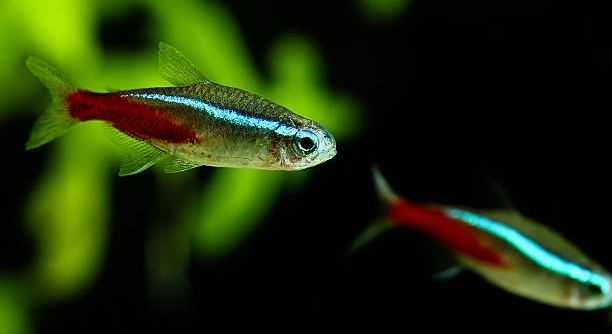
Excessive light exposure can be harmful to your neon tetra, affecting their health and behavior. Understanding how to manage their light exposure is key to maintaining a balanced, stress-free environment for these beautiful fish.
To reduce excessive light exposure for neon tetras, you should limit direct sunlight, use dim lighting, and provide periods of darkness. Additionally, avoid using bright aquarium lights for extended periods to prevent stress and ensure a comfortable environment.
Managing light exposure properly will help keep your neon tetras healthy. This article will explore simple and effective methods to ensure your fish thrive in the right lighting conditions.
1. Understanding the Importance of Light for Neon Tetras
Neon tetras are sensitive to their environment, and light plays a significant role in their overall well-being. When exposed to excessive light, these small fish may become stressed, which can lead to various health problems. In their natural habitat, neon tetras live under the cover of plants and other structures, where light levels are often much lower than those in an aquarium. The right balance of light and dark helps them feel secure and comfortable, promoting natural behaviors. Without this balance, they may become anxious, stop feeding, or even experience health complications such as weakened immune systems.
Lighting is a crucial factor in maintaining a healthy aquarium ecosystem. By replicating the lighting conditions neon tetras are accustomed to, you can support their health and behavior. The fish rely on natural cycles of light and darkness, so it’s important to create an artificial environment that mimics these rhythms. Proper lighting will also ensure that other tank inhabitants, such as plants and beneficial bacteria, thrive.
In a well-balanced tank, light should be used sparingly and not constantly on. This gives the neon tetras a chance to rest in a darkened environment, reducing stress. By adjusting light settings according to the natural day-night cycle, you’ll help your fish live in a peaceful and healthy atmosphere.
2. Using a Timer for Consistent Light Control
One of the most effective ways to control light exposure is by using a timer for your aquarium lights.
By setting a timer to turn the lights on for 8-10 hours a day, you can mimic natural daylight cycles and provide your neon tetras with the rest they need. Consistency in lighting is key for reducing stress.
3. Placing the Tank in an Ideal Location
The location of your aquarium can greatly affect the amount of light your neon tetras are exposed to. Avoid placing the tank near windows or in areas where direct sunlight can shine through.
Direct sunlight can cause the water temperature to fluctuate and encourage algae growth, which can affect water quality. Neon tetras prefer low-light environments, so placing your tank in a shaded area will help create a comfortable space for them. Keep the tank away from windows to avoid too much natural light, which can disturb the balance. Additionally, bright sunlight can stress the fish and negatively impact their health.
Consider areas in your home that receive minimal light during the day. If your tank is in a bright spot, you can use curtains to limit the amount of light entering the room. This helps create a more controlled environment, keeping light exposure within safe limits.
4. Choosing the Right Aquarium Lighting
When selecting lighting for your neon tetras, opt for soft, low-intensity lights.
Aquarium lights should be bright enough to highlight the beauty of the tank without overwhelming the fish. LED lights with adjustable settings are ideal, as they allow you to control the intensity and duration of the light. Aim for a light that mimics a soft, ambient glow rather than something too harsh.
Some LED lights also offer color filters that can create a more natural light effect. Soft blue or white lights are often best for neon tetras, as they replicate the gentle underwater light found in their natural habitat. With the right lighting, your fish will feel more at ease and display healthier, vibrant colors.
5. Adding Plants for Shade
Live plants in the tank help create shaded areas for your neon tetras to hide under. They also mimic their natural environment.
Plants such as java ferns or anubias are great choices to provide cover. They’ll not only reduce light intensity but also add a more natural look to the aquarium. This shade helps your fish feel safe and secure, as it replicates the environment they’d find in the wild.
Incorporating plants can also improve water quality by absorbing excess nutrients. Plants help reduce algae growth and give the tank a healthier, more stable environment.
6. Using a Dimmer for Your Lights
If your aquarium light has a dimming feature, use it to adjust brightness during the day.
Dimming the light to a lower setting during certain times helps reduce unnecessary exposure. This keeps the environment calm for your neon tetras, preventing stress while still allowing you to enjoy the appearance of your tank.
7. Avoiding Overuse of Aquarium Lights
Don’t leave your aquarium lights on for too long. Overuse can lead to stress and unhealthy water conditions.
Aim for no more than 8-10 hours of light per day. Overexposure can not only stress the fish but also cause an overgrowth of algae, negatively impacting water quality.
FAQ
What is the best lighting for neon tetras?
The best lighting for neon tetras is soft, low-intensity light. LED lights with adjustable settings are ideal, as they allow you to control both the brightness and duration. Soft blue or white light replicates their natural habitat and helps reduce stress. You want to avoid any harsh, bright lighting that could make them uncomfortable.
How many hours of light do neon tetras need?
Neon tetras typically need about 8-10 hours of light each day. This matches their natural light cycle and helps maintain a healthy environment. Too much light can cause stress, while too little can lead to unhealthy water conditions. A timer is a great tool to ensure consistent lighting.
Can neon tetras tolerate direct sunlight?
Neon tetras should not be exposed to direct sunlight for prolonged periods. Sunlight can raise the water temperature, promote algae growth, and cause stress. It’s best to place your aquarium in a location where it won’t get direct sunlight, such as away from windows or in a shaded area of the room.
Do neon tetras need a light source at night?
Neon tetras don’t require a light source at night. In fact, they benefit from a period of darkness to rest and relax. Too much light, even at night, can disrupt their natural sleep patterns, leading to stress. Aim to turn off the lights completely at night.
How can I reduce light intensity for my neon tetras?
You can reduce light intensity by using dimmable aquarium lights or placing a filter over the light source. Adding plants to your tank will also help by creating shaded areas. This provides your neon tetras with hiding spots and allows them to escape bright spots during the day.
Is it okay to use a nightlight for neon tetras?
Using a very dim nightlight for your neon tetras is acceptable, but it’s important to keep it very soft and not too bright. Neon tetras require a dark environment to rest properly, and a harsh light source can interfere with their natural sleep cycle. Keep the light dim and only if necessary.
How do I know if my neon tetras are stressed due to lighting?
Signs of stress in neon tetras include fading colors, erratic swimming, hiding more than usual, or a lack of appetite. If they appear skittish or swim toward darker areas of the tank, the lighting might be too bright. If this happens, try reducing the lighting duration or intensity.
Can too much light cause algae growth in the tank?
Yes, excessive lighting can promote algae growth in the tank. Algae thrives under bright light and can quickly overrun the aquarium, leading to poor water quality. Reducing the light duration and using dimmer lights can help prevent algae problems and keep the tank clean.
How do I set up a timer for my aquarium lights?
A timer is a simple and effective way to control the light cycle. Plug your aquarium light into the timer and set it for 8-10 hours of light per day. This mimics natural day-night cycles and ensures your neon tetras get the right amount of light without overexposure.
Do I need to adjust the lighting if I have live plants in the tank?
Yes, live plants do require some light to thrive, but it’s important to balance this with the needs of your neon tetras. Plants generally do best with 8-10 hours of light per day, similar to the needs of the fish. Avoid using overly bright lights that could stress the fish while ensuring the plants get enough light for photosynthesis.
Can neon tetras live in low-light conditions?
Neon tetras can live in low-light conditions as long as they have some light to help with their natural circadian rhythm. A very low-intensity light or indirect lighting is fine, but completely dark conditions for extended periods can affect their overall health. A balance is key.
What is the best type of light bulb for neon tetras?
The best type of light bulb for neon tetras is a low-wattage, soft white or blue LED bulb. These bulbs provide the right amount of light without being too harsh. Fluorescent lighting with a color temperature between 6,500 and 7,000 Kelvin is also a good option, as it mimics daylight.
How can I prevent light stress in neon tetras?
To prevent light stress, avoid exposing your neon tetras to bright or constant light. Use timers to ensure they receive 8-10 hours of light each day and create shaded areas with plants or decorations. Dim lights during certain parts of the day and provide complete darkness at night.
Can I use colored lights for neon tetras?
Colored lights, such as blue or red, can be used, but they should be softer and dimmer than regular white light. Colored lighting can highlight the vibrant colors of your neon tetras, but make sure it doesn’t overpower them or cause stress. Always keep the light intensity low.
Should I consider using a light diffuser?
Using a light diffuser can help soften the light and reduce intensity, especially in tanks with bright or direct lighting. A diffuser helps create a more natural and gentle light, which is less likely to stress out your neon tetras. It’s a good option if you want to avoid harsh lighting.
What are the consequences of improper lighting for neon tetras?
Improper lighting can lead to several issues for neon tetras. Too much light can cause stress, disrupt their sleep cycle, and contribute to algae overgrowth. On the other hand, too little light can lead to poor water quality and inhibit plant growth. Striking the right balance is crucial for their health.
Final Thoughts
Managing light exposure for your neon tetras is essential for maintaining their health and well-being. These small fish are naturally adapted to lower light levels in their native habitats, so providing them with a lighting setup that mimics this environment is important. By reducing excessive light and offering shaded areas, you can help minimize stress and promote healthier behavior. It’s not just about the quantity of light but also the quality, as bright, harsh lighting can lead to various issues, including algae growth and disrupted natural cycles.
Using a timer for your aquarium light is a simple and effective solution. It ensures your neon tetras get a consistent light schedule, allowing them to experience periods of darkness for rest. Placing your tank in a location away from direct sunlight will also prevent fluctuations in water temperature and help maintain a stable environment. With the right lighting, you’ll create an environment where your fish can thrive, displaying their vibrant colors and natural behaviors without feeling overwhelmed by artificial light.
Remember, neon tetras are sensitive creatures that benefit from a carefully balanced light cycle. Keep their environment as close to their natural habitat as possible, and make small adjustments as needed. By implementing a few straightforward changes, you can make a big difference in their overall health and happiness. Ensuring proper light management not only enhances the well-being of your neon tetras but also contributes to the overall stability of your aquarium.

Hello,
If you enjoy the content that we create, please consider saying a "Thank You!" by leaving a tip.
Every little bit helps us continue crafting quality advice that supports the health, happiness, and well-being of pets around the world, for pets of all shapes, sizes, and species.
We really appreciate the kindness and support that you show us!