
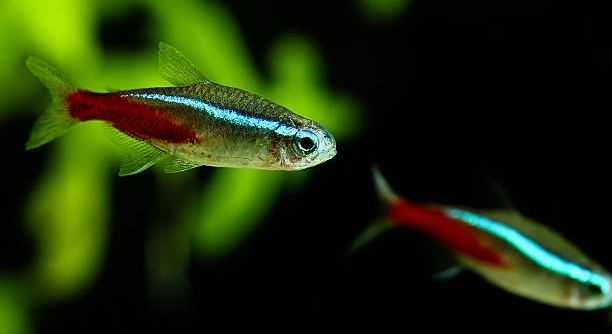
Are your neon tetras spending too much time hiding in the corners instead of swimming freely around their tank? It might be time to make a few changes to their environment and daily routine.
The best ways to keep neon tetras active and playful include providing a spacious tank, maintaining clean water, offering a varied diet, adding live plants, using gentle currents, ensuring proper lighting, and including peaceful tank mates.
Understanding these key factors can help you create a healthier and more enriching home for your neon tetras, encouraging more active and joyful behavior every day.
Provide a Spacious Tank
Neon tetras are small, but they need room to swim. A larger tank gives them space to stay active and reduces stress. Keeping at least ten gallons for a small group helps support natural schooling behavior. When fish have enough room, they move around more and interact in healthier ways. Overcrowding can lead to aggression, boredom, or hiding. By offering more space, you allow for better water quality and give room for plants and decorations that encourage exploration. A long tank layout is better than a tall one because neon tetras prefer horizontal swimming space.
A roomy tank with proper layout helps neon tetras stay active. It supports healthy behavior and gives space for movement.
Adding live plants, smooth rocks, or driftwood can enhance the environment without making it feel cramped. These features provide places to rest and hide while still allowing plenty of space to swim. Try to leave the middle open for free movement.
Maintain Clean Water
Clean water helps neon tetras stay active and avoid illness. Even small changes in quality can affect how they act.
To keep their water in good condition, test it regularly. Make sure ammonia and nitrites are always at zero, and keep nitrates low. A steady temperature between 72–78°F is ideal. Use a filter that provides gentle water flow and clean it every few weeks. Weekly water changes of 25% help remove waste and keep the environment balanced. Uneaten food and plant debris can lead to poor water quality, so always remove excess right away. Healthy water leads to healthier fish, and fish that feel good are more likely to swim, school, and stay curious. It only takes a few small habits to make a big difference in how active your neon tetras are.
Offer a Varied Diet
Feeding your neon tetras the same food every day can lead to boredom and lower activity. A varied diet keeps them interested and helps meet their nutritional needs.
Try mixing high-quality flakes or micro pellets with live or frozen foods like daphnia, baby brine shrimp, or bloodworms. These options are small enough for their tiny mouths and give them a chance to hunt and stay engaged. Switching up the food type a few times a week can make feeding time more stimulating. Avoid overfeeding—small portions once or twice a day is enough. A good diet supports their energy levels and helps them stay active and colorful. Pay attention to how they respond to different foods, and stick with what keeps them moving and alert.
Feeding should feel like a short, exciting moment for them. Watching them zip around during feeding time is a good sign they’re getting the right mix.
Use Gentle Water Currents
Gentle water movement helps neon tetras stay active without tiring them out. It mimics the natural flow of rivers, encouraging them to swim and explore more often.
Choose a low-flow filter or add a sponge filter to reduce harsh movement. Neon tetras don’t enjoy strong currents—they may hide or stay still if the water pushes them too hard. Aim for a soft, steady flow that keeps the water moving without stressing them. You’ll notice they enjoy swimming through light currents and often school more when the water feels right. If your tank has dead spots with no movement, consider adjusting the filter position. Gentle currents also help keep oxygen levels steady and support better water circulation, which improves their overall comfort. Watching them glide through a calm, flowing tank can be a clear sign that you’ve found the balance they need.
Add Live Plants
Live plants give neon tetras places to rest, explore, and feel secure. They reduce stress and make the tank more natural.
Good options include java fern, anubias, and hornwort. These plants don’t need much care and create shaded spots where tetras like to swim through or hide.
Ensure Proper Lighting
Lighting affects how neon tetras behave throughout the day. A balanced light cycle supports their daily rhythm and keeps them active. Aim for 8–10 hours of light each day using an aquarium light with a timer. Avoid strong or flickering lights, as this can make them feel exposed or stressed. Use soft, steady lighting to mimic daylight. Plants also benefit from consistent light, helping create a more stable environment. A calm, well-lit tank helps neon tetras stay more playful and encourages natural schooling and swimming behaviors throughout the day.
Include Peaceful Tank Mates
Neon tetras feel more comfortable and playful when they are not stressed by aggressive fish. Stick to calm tank mates like small rasboras or corydoras.
FAQ
Why are my neon tetras hiding all the time?
Neon tetras are shy fish, and they tend to hide when they feel stressed or unsafe. Common causes include strong water currents, poor water quality, or aggressive tank mates. Ensure that the tank has gentle filtration, clean water, and peaceful companions. Also, adding plants and decorations can give them hiding spots, helping them feel more secure and active. If they’re still hiding, check the water parameters and lighting. Sometimes, overly bright or inconsistent lighting can stress them out.
How do I know if my neon tetras are healthy?
Healthy neon tetras are active, colorful, and swim in small groups. They should not be lethargic, stay at the bottom of the tank, or swim erratically. Their bodies should be free from visible signs of disease like lesions, discoloration, or bloating. Regularly check the water quality and make sure their diet is varied. If your neon tetras are eating well and moving around the tank without signs of distress, they are likely in good health.
What water temperature is best for neon tetras?
Neon tetras thrive in water temperatures between 72°F and 78°F (22°C–25°C). Keeping the water within this range ensures they remain active and stress-free. Using a reliable heater helps maintain a stable temperature, which is essential for their health. Avoid sudden fluctuations, as this can cause stress or illness.
How often should I feed neon tetras?
Neon tetras should be fed once or twice a day. Offering small amounts of food that they can consume within 2–3 minutes helps prevent overfeeding and water pollution. A varied diet, including flakes, pellets, and live or frozen foods, keeps them interested and healthy. Make sure to remove any uneaten food after feeding to maintain water quality.
Can neon tetras live with other species?
Yes, neon tetras are peaceful fish and can coexist with a variety of other calm, small species. Good tank mates include rasboras, corydoras, and small peaceful gouramis. Avoid large or aggressive fish, as they may stress out the tetras or compete for food. Keeping your tank populated with non-aggressive species allows neon tetras to feel more secure and active.
Do neon tetras need a filter?
Yes, neon tetras require a filter to maintain clean water. A gentle filtration system helps keep the water free from toxins like ammonia and nitrates. However, ensure the filter’s flow isn’t too strong, as neon tetras prefer calm water. Sponge filters or adjustable filters work well in creating a gentle current that doesn’t overwhelm them. Regular maintenance and water changes will also help keep their environment clean and healthy.
Can neon tetras live in cold water?
No, neon tetras are tropical fish and require warm water temperatures to stay healthy. Cold water can lead to stress, illness, and a lack of activity. Keeping the water temperature within the recommended range (72°F–78°F) is essential for their well-being. If you live in a cooler climate, investing in an aquarium heater will ensure that the water remains at the right temperature year-round.
Why are my neon tetras not schooling together?
Neon tetras are social fish, and they naturally prefer to swim in schools. However, if they’re not schooling, it could be due to stress, poor water quality, or insufficient space. Ensure your tank is large enough for them to swim freely, with plenty of hiding spots for comfort. If the water conditions are ideal, but they still don’t school, check if there are any aggressive fish in the tank that might be causing stress.
Can I keep only one neon tetra?
It is not recommended to keep just one neon tetra. These fish are social and feel much safer and more comfortable when they have other tetras to swim with. Ideally, they should be kept in groups of six or more. A single neon tetra will likely be stressed and inactive.
How long do neon tetras live?
Neon tetras typically live 5 to 10 years, provided they are well cared for. Keeping the water clean, offering a balanced diet, and avoiding stress will help extend their lifespan. Regular maintenance, including water changes and checking for diseases, will ensure they stay healthy and active for as long as possible.
What type of tank should I have for neon tetras?
A tank of at least 10 gallons is recommended for a small school of neon tetras. A longer tank allows them to swim freely, which is crucial for their well-being. The tank should be well-planted with gentle filtration to mimic their natural habitat. Maintaining stable water parameters and providing peaceful tank mates will keep them active and happy.
Do neon tetras need a lid on their tank?
Yes, neon tetras can jump, especially if they feel threatened or startled. It’s a good idea to have a lid or cover for your tank to prevent them from escaping. A secure lid also helps maintain the water temperature and reduces evaporation.
Are neon tetras easy to breed?
Breeding neon tetras can be a bit challenging, as they are sensitive to water conditions and require specific setups. To encourage breeding, you need a separate breeding tank with soft, slightly acidic water, and the right temperature. It’s best to introduce a group of mature tetras and let them pair off naturally. If breeding is successful, the eggs will hatch in a few days, and the fry will need special care to survive.
How can I improve my neon tetras’ color?
Neon tetras are known for their vibrant colors, but certain factors can affect their brightness. Ensuring they have a proper diet with a variety of high-quality foods can enhance their coloration. Additionally, maintaining clean water, a stable temperature, and providing natural light will help bring out their bright blue and red hues.
Can I use tap water for neon tetras?
You can use tap water for neon tetras, but it’s important to treat it first. Many tap waters contain chlorine or chloramine, which can be harmful to fish. Use a water conditioner to remove these chemicals before adding the water to your tank. Also, ensure the water parameters (pH, hardness, temperature) match what is ideal for neon tetras.
Final Thoughts
Keeping neon tetras healthy and active requires attention to their environment, diet, and social needs. These small, colorful fish thrive in tanks with plenty of space, gentle currents, and clean water. Providing live plants, soft lighting, and peaceful tank mates helps reduce stress and encourages natural behaviors. By giving them the right conditions, you can create a vibrant and engaging environment that will keep them swimming happily for years.
Neon tetras are relatively easy to care for, but they do need a bit of care and attention to stay healthy. Regular water changes, proper filtration, and a varied diet are key to keeping them active. They benefit from a consistent routine, including feeding times and lighting schedules. Keep their tank clean, monitor the water quality, and ensure they have enough space to move freely. Over time, you’ll notice that your neon tetras become more playful and comfortable in their environment.
Ultimately, the goal is to mimic their natural habitat as much as possible. Neon tetras come from slow-moving rivers in South America, where they swim in schools and enjoy the protection of plants. By creating a similar environment in your tank, you’re giving them the best chance to thrive. Small changes, like adding live plants or adjusting the filter, can make a big difference in how your fish behave. A little effort goes a long way in ensuring that your neon tetras remain active, healthy, and joyful in their aquatic home.

Hello,
If you enjoy the content that we create, please consider saying a "Thank You!" by leaving a tip.
Every little bit helps us continue crafting quality advice that supports the health, happiness, and well-being of pets around the world, for pets of all shapes, sizes, and species.
We really appreciate the kindness and support that you show us!