
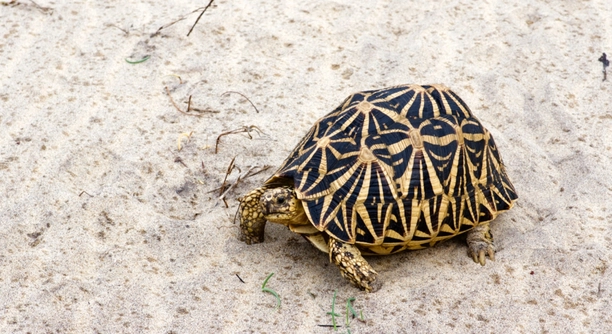
Mold in your Indian Star Tortoise tank is a common problem that can negatively affect your pet’s health and habitat. It’s important to address mold growth promptly to maintain a clean and safe environment for your tortoise.
To combat mold in an Indian Star Tortoise tank, it is crucial to maintain proper humidity levels, provide adequate ventilation, and clean the tank regularly. Additionally, using a dehumidifier or natural mold inhibitors can help reduce mold growth effectively.
Understanding the causes of mold and the best solutions can help you manage your tortoise’s habitat more effectively. Let’s take a closer look at how to keep your tank mold-free and your tortoise healthy.
Maintain Proper Humidity Levels
A key factor in preventing mold in your Indian Star Tortoise tank is controlling the humidity. Too much moisture can create a breeding ground for mold, but too little can stress your tortoise. Aim for a humidity range between 50-60%. If it goes higher than that, mold may appear.
You can easily monitor the humidity levels with a hygrometer. Place it in the tank to track fluctuations and adjust as needed.
To regulate humidity, consider misting the tank lightly every morning, but don’t overdo it. You can also place a shallow water dish inside for your tortoise to drink from. It’s important to not let water pool or stagnate, as this can invite mold. Make sure there’s good airflow, which will help evaporate excess moisture. If the humidity is consistently high, using a dehumidifier can also be helpful.
Ensure Proper Ventilation
Ventilation is just as important as humidity when it comes to preventing mold. Without proper airflow, moisture in the tank can’t escape, encouraging mold growth.
A well-ventilated tank helps keep the environment comfortable for your tortoise while minimizing excess moisture buildup. You can achieve this by having a tank with ventilation holes or using mesh lids.
Clean the Tank Regularly
Regular cleaning is one of the most effective ways to prevent mold buildup. Make it a habit to clean your tortoise’s tank at least once a week. This will remove any waste, leftover food, and debris where mold can grow.
Start by removing your tortoise and emptying the tank completely. Use a safe cleaning solution or vinegar to wipe down all surfaces. Avoid harsh chemicals as they can harm your pet. After cleaning, make sure everything is completely dry before placing it back into the tank.
You should also spot-clean the tank daily, removing waste and uneaten food. A clean environment is essential for maintaining your tortoise’s health. Pay close attention to corners or damp areas where mold can easily hide. Regular cleaning helps prevent mold from taking hold and keeps your tortoise’s living space fresh.
Use Natural Mold Inhibitors
Incorporating natural mold inhibitors into your tank setup can provide an extra layer of protection. Natural substances like activated charcoal, cinnamon, or even neem leaves can help keep mold at bay without harmful chemicals.
Placing activated charcoal in the tank or around the corners will absorb excess moisture and prevent mold from growing. Similarly, cinnamon is a natural antifungal agent, and sprinkling a small amount in the tank can help fight mold growth. Neem leaves are also effective in repelling mold and fungi. Simply place a few in the tank or add them to the substrate.
These natural solutions are safe for your tortoise and can be an easy addition to your tank maintenance routine. However, always monitor the tank to ensure the environment remains balanced and healthy.
Control Substrate Moisture
The moisture level of the substrate plays a significant role in preventing mold. Substrates like coconut coir or soil can retain moisture, which, if not properly managed, can lead to mold growth.
Be sure to check the substrate regularly for dampness. If it feels wet or soggy, it’s best to replace it or allow it to dry out.
Ensure that the substrate isn’t too thick in areas where moisture tends to build up. Layering a more absorbent material like dry sand beneath can help balance moisture levels.
Regularly Check for Mold Growth
Even with all preventive measures, mold may still appear if conditions aren’t optimal. Regularly inspect your tank for early signs of mold.
Look for any patches or discoloration on surfaces or substrate. Catching mold growth early makes it easier to address and avoid it from spreading. Keeping a close eye on the tank will help keep things under control.
Adjust Lighting Conditions
Lighting plays an important role in maintaining a healthy tank environment. Proper lighting can help reduce excess moisture and prevent mold.
Use a combination of basking and UVB light for a balanced environment. Ensure that the tank gets enough light to keep things dry but not too much, which could cause temperature extremes.
FAQ
How can I prevent mold from growing in my Indian Star Tortoise tank?
The most important factor in preventing mold is controlling the humidity levels. Keep it within the range of 50-60% to avoid excess moisture. Regular cleaning of the tank and removing any uneaten food or waste will also help reduce mold growth. Additionally, ensure good ventilation by using mesh lids or tanks with ventilation holes. Consider using natural mold inhibitors like activated charcoal, cinnamon, or neem leaves to help keep mold at bay.
What happens if mold is not removed from the tank?
Mold growth in the tank can lead to serious health issues for your tortoise. Mold releases spores that can cause respiratory problems or fungal infections. The mold can also negatively affect the tank’s overall environment, creating an unsanitary habitat for your tortoise. If mold is not addressed quickly, it could harm your pet’s health, so it’s important to clean and monitor the tank regularly.
Can I use chemicals to get rid of mold?
While it may be tempting to use harsh chemicals, it’s safer to avoid them. Many cleaning products contain toxic substances that can harm your tortoise if ingested or inhaled. Opt for natural, non-toxic cleaners like vinegar or mild soap instead. Always make sure the tank is thoroughly rinsed and dried before placing your tortoise back inside.
Should I change the substrate if it gets moldy?
Yes, if the substrate becomes moldy, it’s best to replace it. Moldy substrate can be difficult to clean thoroughly, and it may continue to harbor spores. Replace the substrate with fresh, dry material, making sure to adjust the moisture level to prevent mold from returning. If you’re using natural materials like coconut coir, make sure it stays slightly dry to avoid mold buildup.
How often should I clean the tank to prevent mold?
You should clean the tank thoroughly at least once a week. During this cleaning, remove any waste, debris, or uneaten food. You should also wipe down all surfaces, including the walls and substrate. Spot cleaning should be done daily to keep the tank fresh and prevent mold from starting.
What should I do if I notice mold in my tortoise’s tank?
If you notice mold, it’s important to address it immediately. Remove your tortoise from the tank and clean it thoroughly. Use a mild, non-toxic cleaner to scrub away the mold. Replace any substrate that is moldy, and make sure to dry the tank completely before returning your tortoise. Consider adjusting humidity and ventilation levels to prevent mold from coming back.
Can high humidity levels cause mold?
Yes, excessive humidity is one of the main causes of mold growth. When the humidity is too high, it creates a damp environment where mold thrives. To prevent this, maintain the humidity within the recommended range of 50-60%. Use a hygrometer to monitor the humidity levels and adjust accordingly.
Can mold affect the health of my Indian Star Tortoise?
Yes, mold can be harmful to your tortoise’s health. Inhalation of mold spores can cause respiratory issues, while exposure to mold on the skin can lead to infections. If left untreated, mold can cause serious health problems, so it’s essential to maintain a clean, dry tank environment.
Is it okay to use a dehumidifier in the tank?
Yes, using a dehumidifier can help manage moisture levels and prevent mold growth, especially if you live in a humid climate. Be sure not to dry the tank out completely, as tortoises need some moisture for hydration. A dehumidifier should be used carefully to maintain a balance.
How can I tell if the lighting is too much for my tortoise tank?
If your lighting is too intense or too long, it can create excessive heat, which increases moisture levels and can cause the tank to become too dry. The key is to provide a balanced light cycle, with a basking light for heat and a UVB light to support your tortoise’s health. Ensure the tank gets a regular day-night cycle.
Can I use artificial plants in the tank to prevent mold?
Artificial plants can be a good addition to your tortoise’s tank, as they don’t absorb moisture and are easier to clean. However, they should be cleaned regularly to avoid mold buildup. Make sure to remove any plants if they start to look dirty or moldy, and clean them thoroughly before placing them back in the tank.
Is it safe to put a water dish in the tortoise tank?
Yes, providing a water dish is important for your tortoise’s hydration. However, it’s crucial to place it in an area that doesn’t create excess moisture or puddles on the substrate. Regularly clean the water dish and change the water to prevent it from becoming a breeding ground for mold.
Can I use a heat lamp to control mold growth?
A heat lamp can help regulate the tank’s temperature and prevent excessive moisture. By maintaining a consistent temperature, the risk of mold growth decreases. However, it’s important not to overheat the tank, as this can cause dehydration or other health issues for your tortoise.
How can I make sure my tortoise tank stays mold-free?
Maintaining proper humidity, cleaning the tank regularly, providing ventilation, and using natural mold inhibitors are all essential practices. Monitor humidity levels with a hygrometer, check the tank often for mold, and adjust conditions as needed. Regular upkeep will help keep the environment safe and mold-free.
Mold in your Indian Star Tortoise tank can be a serious concern, but with the right steps, it’s manageable. Proper humidity control is key to preventing mold from forming in the first place. By maintaining a consistent humidity level between 50-60%, you can create an environment that’s comfortable for your tortoise and discourages mold growth. Regularly cleaning the tank and removing any uneaten food or waste is another simple but effective way to prevent mold. These small, consistent actions can go a long way in maintaining a healthy habitat.
The substrate you choose also plays an important role in mold prevention. Moisture buildup in the substrate can create an ideal environment for mold to thrive. Keeping the substrate dry and replacing it when it gets wet or moldy is essential. You can also consider using natural mold inhibitors, such as activated charcoal or cinnamon, to help fight mold growth without using harmful chemicals. These natural options provide an added layer of protection while keeping your tortoise safe.
It’s important to regularly monitor the tank for any signs of mold. Even with all the preventive measures, mold can still appear. If you catch it early, it’s much easier to deal with. Remove your tortoise, clean the tank thoroughly, and replace the affected substrate. Adjusting the humidity levels and ventilation can also help prevent mold from returning. With regular cleaning, proper humidity control, and a keen eye for mold growth, you can keep your tortoise’s habitat safe and healthy.

Hello,
If you enjoy the content that we create, please consider saying a "Thank You!" by leaving a tip.
Every little bit helps us continue crafting quality advice that supports the health, happiness, and well-being of pets around the world, for pets of all shapes, sizes, and species.
We really appreciate the kindness and support that you show us!