
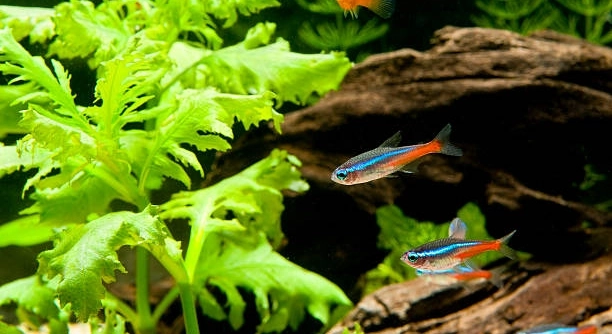
Are your tetras showing signs of aggression that disrupt your peaceful aquarium? Aggressive behavior in these small fish can make tank life stressful for both you and your pets. Managing this behavior helps keep your aquatic environment calm and healthy.
Reducing aggression in tetras involves several key strategies such as maintaining proper tank size, ensuring compatible tank mates, providing ample hiding spots, managing feeding routines, and monitoring water quality. These steps collectively promote a balanced and less hostile environment for your fish.
Understanding these simple adjustments will help you create a more harmonious tank. With a few careful changes, your tetras can coexist peacefully and thrive in their home.
Tank Size and Space
Tetras need enough space to swim freely. When the tank is too small, they feel crowded, which can lead to aggressive behavior. A tank that holds at least 20 gallons is recommended for a small group of tetras. This gives them enough room to establish territories and reduces stress. Overcrowding not only causes fights but can also lead to poor water quality, which affects fish health. Make sure the tank is well-maintained and not packed with too many fish. Providing space helps tetras feel secure and less likely to compete aggressively.
Giving your tetras more space helps lower their stress and aggressive tendencies. A roomy tank encourages natural behavior and peace among them.
Setting up a tank with proper size is one of the easiest ways to control aggression. A larger tank means each tetra can claim its own area. This reduces clashes over territory. Also, extra space allows hiding spots like plants and decorations, giving fish places to escape if needed. If the tank feels crowded, fish may attack each other more often. So, investing in a bigger tank is a good way to keep your tetras calm and happy.
Choosing Compatible Tank Mates
Choosing the right tank mates can make a big difference in aggression levels. Tetras do best with peaceful fish that won’t challenge their space or food. Avoid larger, aggressive species that might intimidate or harm them. Keeping a balanced community tank supports better behavior.
Tank mates should have similar temperaments and needs to reduce competition and conflict.
When selecting tank mates, think about the natural behavior and size of each species. Fish that share similar swimming levels and diets usually get along better. For example, other small, non-aggressive fish like guppies or rasboras often make good companions for tetras. Avoid fish that are known to be territorial or overly active, as they can stress your tetras and increase fights. Introducing tank mates gradually and watching their interactions can help you spot any early signs of trouble. Compatibility helps create a peaceful environment where all fish can coexist comfortably.
Provide Plenty of Hiding Spots
Hiding spots help reduce aggression by giving tetras safe places to retreat. Plants, caves, and decorations break the line of sight between fish and lessen conflicts.
Adding hiding places creates a more natural environment where fish feel secure. Live plants like Java moss or Anubias offer cover and reduce stress. Artificial caves or PVC pipes also work well. When fish have somewhere to escape, they are less likely to chase or nip at each other. It’s important to spread hiding spots evenly throughout the tank so no area feels overcrowded. This way, tetras can choose where to rest without feeling threatened by tank mates.
Besides hiding spots, decorations can serve as visual barriers, preventing constant eye contact, which often triggers aggression. Changing the tank layout occasionally also keeps the environment interesting and helps disrupt established territories. Overall, these adjustments lead to calmer fish and a healthier tank.
Manage Feeding Routines
Feeding routines can affect aggression in tetras. Uneven feeding or competition for food can cause fights, so regular, balanced feeding is important.
Feed your tetras small amounts multiple times a day instead of one large meal. This reduces food competition and aggression during feeding times. Use sinking pellets or flakes that spread out, giving all fish a chance to eat. Avoid overfeeding as leftover food can pollute the tank and harm water quality. Feeding at consistent times builds routine and reduces stress.
Feeding behavior is a common trigger for fights in community tanks. Ensuring every fish gets enough food lowers the chances of aggressive behavior. Watching how your fish feed will help you adjust portions or feeding times. Sometimes, feeding in different tank areas prevents dominant fish from blocking others. Proper feeding care promotes peaceful coexistence and keeps your tetras healthy.
Maintain Good Water Quality
Poor water quality increases stress, which can lead to aggression in tetras. Regular water changes and proper filtration keep the tank clean and healthy.
Test water regularly for ammonia, nitrites, and nitrates. Keeping these levels low reduces stress and helps your fish stay calm.
Keep a Proper Group Size
Tetras are schooling fish and feel safer in groups. Keeping at least six tetras helps spread out aggression and creates a natural social structure.
A larger group reduces the chance of one fish being targeted. It also encourages peaceful interaction and less territorial behavior.
Monitor Fish Health
Sick or injured fish can become aggressive or be bullied by others. Regularly check your tetras for signs of illness or injury.
Healthy fish are less likely to show aggressive behavior and maintain harmony in the tank.
FAQ
Why are my tetras suddenly aggressive?
Sudden aggression in tetras often comes from changes in their environment. This could be new tank mates, overcrowding, or poor water quality. Stress caused by any of these factors can trigger fights. Sometimes, illness or injury can also make a fish behave aggressively. Checking recent changes and maintaining good tank conditions usually helps.
How many tetras should I keep together to reduce aggression?
Keeping at least six tetras together is ideal. Tetras are schooling fish and feel safer in groups. A proper group size helps spread aggression so no single fish is targeted. Smaller groups or keeping only one or two tetras often leads to stress and increased fighting.
Can adding plants really calm aggressive tetras?
Yes, plants provide hiding spots and reduce open space, which lowers stress and aggression. Live plants also improve water quality and create a natural environment. Even artificial plants or decorations that break the line of sight between fish can help calm aggressive behavior.
What kind of tank mates work best with tetras?
Peaceful, small fish that share similar water needs are best. Guppies, rasboras, and small peaceful catfish usually do well with tetras. Avoid large or aggressive species that might bully or stress them. Matching temperaments helps reduce conflict and promotes a peaceful tank.
How often should I feed my tetras to prevent fights?
Feeding small amounts two to three times a day is best. This reduces competition and aggression during feeding. Spread the food out in the tank so all fish get a chance to eat. Avoid overfeeding, as leftover food can harm water quality and increase stress.
What water parameters help reduce aggression in tetras?
Tetras thrive in clean water with a temperature around 72-78°F (22-26°C), pH between 6.0 and 7.5, and low levels of ammonia, nitrites, and nitrates. Stable water conditions reduce stress and aggressive behavior. Regular testing and water changes keep these parameters in check.
Can rearranging the tank reduce aggression?
Yes, rearranging decorations or plants can disrupt established territories and reduce fighting. Changing the tank layout forces fish to re-establish their space, which can lower aggression. Just avoid moving things too often, as sudden changes can cause stress.
What signs show that aggression is becoming a problem?
Look for constant chasing, nipped fins, or hiding fish. If you see injuries, torn fins, or stressed behavior, aggression might be too high. Early action, like adding hiding spots or increasing tank size, helps prevent serious harm.
Is it normal for tetras to show some aggression?
Some mild aggression is normal, especially when establishing a pecking order. Short chases or displays are common but should not lead to injury. If aggression is constant or violent, then action is needed to reduce stress and fighting.
How can I separate aggressive tetras without harming them?
Use a divider in the tank to keep aggressive fish apart without removing them completely. This keeps the tank stable and reduces fighting. If necessary, temporarily moving the most aggressive fish to another tank can help, but long-term solutions like better tank setup are preferred.
Final thoughts on reducing aggression in tetras focus on creating a peaceful environment through simple, consistent care. Aggression in these fish usually comes from stress caused by crowded tanks, poor water quality, or incompatible tank mates. Addressing these factors is key to helping your tetras live happily together. Providing enough space, choosing calm companions, and keeping the tank clean all work together to lower fights and make your aquarium a calmer place. Small changes can have a big impact, so taking time to understand your fish’s needs will pay off in better behavior.
Another important point is that aggression can sometimes be part of natural behavior, but it shouldn’t be harmful or constant. Watching how your tetras interact helps you spot when aggression becomes a problem. You can then adjust things like the number of fish, hiding spots, or feeding routines. Regular maintenance of the tank also plays a role. When water conditions stay stable, your fish feel less stressed and more secure. It is helpful to test water often and change it regularly. When fish are healthy and comfortable, aggression usually goes down.
Lastly, patience is important. Changes you make won’t always show results right away, but consistency matters. Keeping a good routine with feeding, cleaning, and checking on your fish’s behavior makes a difference over time. It’s also good to remember that each tank is different, so what works best may vary. Being observant and willing to adjust your care will help you keep your tetras peaceful and thriving. With steady effort, you can enjoy a beautiful, calm aquarium that feels like a healthy home for your fish.

Hello,
If you enjoy the content that we create, please consider saying a "Thank You!" by leaving a tip.
Every little bit helps us continue crafting quality advice that supports the health, happiness, and well-being of pets around the world, for pets of all shapes, sizes, and species.
We really appreciate the kindness and support that you show us!