
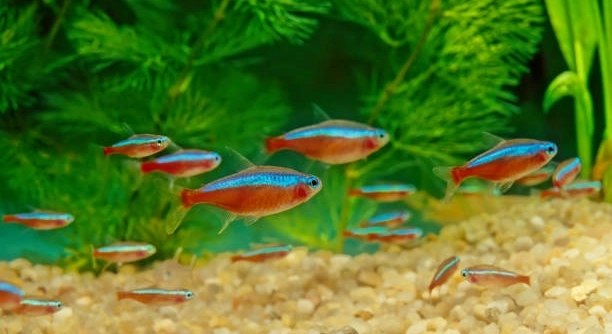
Choosing healthy tetras at the store is important for maintaining a vibrant and thriving aquarium. Many factors affect the health of these small fish, making it essential to know what signs to look for before buying. This guide will help you spot the best specimens.
Healthy tetras exhibit clear eyes, intact fins, active swimming, and vibrant coloration. Avoid fish with clamped fins, lethargy, or visible signs of disease. Observing these seven key signs ensures you select fish with strong immune systems and good overall health.
Knowing these signs will help you create a lively aquarium environment. Making informed choices supports your fish’s wellbeing and longevity in your home tank.
Clear Eyes and Intact Fins
Clear eyes are a strong indicator of a healthy tetra. When you look at the fish, their eyes should be bright and not cloudy or swollen. Cloudy eyes can suggest illness or poor water conditions. Along with clear eyes, intact fins are essential. The fins should be whole, without tears or ragged edges. Damaged fins might mean the fish has been stressed, injured, or fighting with others. Observing these physical traits before buying helps ensure the fish you bring home are strong and healthy. If the fish’s fins are clamped close to the body or show signs of fin rot, it’s best to avoid them. Overall, focusing on these visible signs saves you from future troubles in your aquarium.
Healthy tetras have vibrant eyes and smooth fins that reflect their wellbeing. These simple signs are easy to check at the store.
Making sure the eyes and fins look good is an easy first step. It helps you pick fish that are more likely to adapt well to your tank. These signs also suggest the fish have been kept in good water conditions, which lowers the risk of disease spreading once they join your home aquarium.
Active Swimming Behavior
Active swimming is a clear sign of a healthy tetra. The fish should move around confidently and not stay hidden in one spot. If you see lethargic fish or those that float near the surface or bottom, it could mean they are stressed or sick. Healthy tetras often swim in groups and respond to movement outside the tank. Avoid fish that seem sluggish or have trouble keeping balance, as these could be early signs of health problems. Watching how they swim in the store tank gives you a good idea of their overall condition. Picking lively fish makes it easier to maintain a balanced and thriving aquarium.
When tetras swim actively, it shows they have energy and are feeling well.
Active movement signals good oxygen levels in the water and a healthy metabolism. Fish that hide or move slowly may suffer from poor water quality or infections. Group swimming also helps reduce stress, so selecting fish that interact with their school will contribute to a more natural and comfortable tank environment. Always observe before purchasing, as this behavior is one of the best ways to judge health quickly.
Vibrant Coloration
Healthy tetras have bright, even colors without dull patches or discoloration. Faded or blotchy coloring can indicate stress or illness. Look closely for consistent patterns and vibrant hues that show vitality.
Vibrant coloration is a sign that a tetra is well-nourished and free from disease. Poor color often results from poor water quality, inadequate diet, or parasites. When shopping, compare the fish to others in the tank to spot any with unusually dull or faded colors. Choosing fish with rich, clear colors will help you avoid potential health problems and ensure your aquarium looks lively.
Color also reflects the fish’s natural state of health and comfort. A well-fed tetra with no infections will display its true colors brightly, making your tank visually appealing and the fish more likely to thrive.
Clear Gills and Normal Breathing
Clear gills that are free of redness or swelling are signs of a healthy tetra. Normal breathing means the fish’s gill movements are smooth and regular, without gasping at the water surface.
If the gills appear inflamed or the fish is breathing rapidly, this may indicate stress or poor water conditions. Healthy tetras breathe steadily and show no signs of labored breathing. Checking this is crucial because gills are the fish’s respiratory organs, and any problems here can quickly worsen. Fish with clear gills are better equipped to handle new environments and are less likely to carry infections when introduced to your tank. This detail is often overlooked but very important for long-term health.
Smooth Scales
Smooth, shiny scales without any spots or damage show that a tetra is healthy. Scales should lie flat against the body and have no signs of parasites or infections.
If you notice raised or missing scales, it could mean the fish is stressed or injured. Avoid those fish to keep your tank safe and disease-free.
No Visible Signs of Disease
Avoid fish with white spots, redness, or unusual growths on their body. These signs often indicate common diseases like ich or fungal infections that can spread quickly in your aquarium.
Healthy tetras have clean skin and no visible sores. Choosing fish without these signs helps protect the entire tank’s health.
Proper Size and Shape
Healthy tetras have a consistent body shape, neither too thin nor bloated. Unusual swelling or thinness can be a sign of internal health issues or poor nutrition.
Look for fish with a natural, balanced form to avoid health problems after bringing them home.
FAQ
How can I tell if a tetra is stressed at the store?
Stressed tetras often show clamped fins, pale colors, and hide in corners of the tank. They might also swim erratically or stay still at the bottom. These signs mean the fish is uncomfortable and may struggle to adjust when moved to a new environment. Picking fish that appear calm and swim naturally reduces the risk of bringing home stressed specimens.
What should I do if I see a sick tetra after buying it?
If you notice signs of illness like white spots, lethargy, or loss of appetite after purchase, isolate the fish in a quarantine tank immediately. Treating the fish early with proper medication can prevent disease spread. Regular water changes and monitoring water quality will also support recovery and protect other fish in your main tank.
Is it better to buy tetras in groups?
Yes, tetras are schooling fish and do best in groups of at least six. Buying several together helps reduce stress and encourages natural behavior. Fish in groups are generally healthier and more active, which makes it easier to spot any that are not doing well. Avoid buying a single tetra alone whenever possible.
How long should I observe tetras before buying?
Spending 10 to 15 minutes watching the fish in the store tank is ideal. This time allows you to notice their swimming patterns, color, and interactions with other fish. Quick purchases might miss hidden health issues. Careful observation improves your chances of selecting healthy, active fish.
Can water quality at the store affect tetra health?
Definitely. Poor water quality causes stress and makes fish more prone to disease. Look for stores with clean tanks, clear water, and proper filtration. Avoid tanks with dead plants or excess algae, as these can indicate neglect. Good water conditions in-store increase the likelihood that the fish are healthy.
What signs mean a tetra is ready for a new tank?
A healthy tetra ready for a new tank will swim actively, show bright colors, and have clear eyes and gills. It won’t cling to the glass or hide excessively. These behaviors suggest the fish is strong enough to handle the change without major stress.
Should I ask the store about the fish’s history?
Yes, asking about where the fish came from, how long they’ve been in the tank, and any recent health issues can be helpful. Knowledgeable staff can provide details about feeding, tank maintenance, and any treatments given. This information helps you make an informed decision before purchasing.
What is the best way to transport tetras home?
Use a clean plastic bag filled halfway with water from the store tank and some air. Keep the bag sealed and place it in a dark, insulated container during transport to reduce stress. Avoid shaking or sudden movements. Once home, gradually acclimate the fish to your tank water before release to prevent shock.
How can I prepare my tank for new tetras?
Before bringing tetras home, make sure your tank has been cycled properly to establish beneficial bacteria. Test water parameters like pH, ammonia, and nitrites to ensure they are safe. Provide hiding spots and plants to help fish feel secure. Proper preparation helps fish settle quickly and stay healthy.
Can diet affect the appearance of tetras?
Yes, a balanced diet rich in nutrients supports vibrant coloration and strong immune systems. Feeding high-quality flakes, frozen, or live foods will help maintain your tetra’s health. Poor nutrition can lead to faded colors and lower disease resistance, so consistent feeding is important.
Choosing healthy tetras is important for keeping your aquarium peaceful and beautiful. When you bring home fish that show clear eyes, smooth scales, and active swimming, you set the stage for a tank that thrives. Paying attention to these small details at the store helps avoid many common problems later. It also means your fish are less likely to get sick and will live longer in your care. Taking the time to carefully pick your tetras is an investment in the health of your entire aquarium.
It’s also helpful to remember that a healthy tetra is part of a balanced environment. Clean water, proper feeding, and enough space all support the well-being of your fish. Even the best-looking fish can struggle if the tank conditions are poor. Checking water quality before adding new tetras is just as important as picking the right fish. Setting up the right tank environment protects your fish and keeps them comfortable. Healthy fish are active and colorful, which makes your aquarium more enjoyable to watch every day.
Finally, being patient and observant when selecting your tetras will pay off in the long run. Watching fish closely, asking questions at the store, and knowing what signs to look for makes choosing much easier. It’s better to take a little extra time than to rush and bring home unhealthy fish. Once your tetras settle in and start showing their true colors, you’ll appreciate the care you took to pick them well. Healthy tetras bring life and movement to your tank, making the effort worthwhile.

Hello,
If you enjoy the content that we create, please consider saying a "Thank You!" by leaving a tip.
Every little bit helps us continue crafting quality advice that supports the health, happiness, and well-being of pets around the world, for pets of all shapes, sizes, and species.
We really appreciate the kindness and support that you show us!