
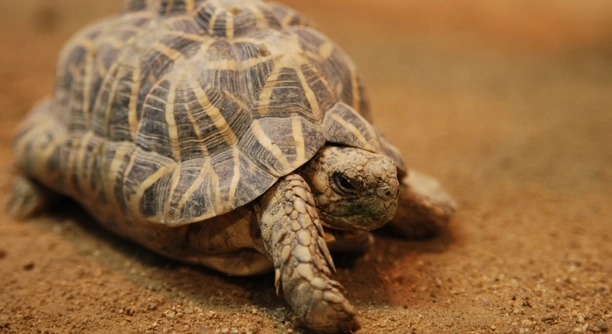
Recognizing shell growth problems in Indian Star Tortoises is essential for their well-being. Early detection can prevent further complications and ensure proper care. Understanding these issues will help you maintain a healthy environment for your pet.
Shell growth issues in Indian Star Tortoises typically arise from improper diet, insufficient UVB exposure, or inadequate humidity. These factors can lead to deformities or slow growth. Regular monitoring and proper care are crucial for preventing and managing these problems.
Proper care and attention can go a long way in preventing shell growth issues. Understanding these factors will help you ensure the health and longevity of your Indian Star Tortoise.
Common Causes of Shell Growth Problems in Indian Star Tortoises
One of the most frequent causes of shell growth issues in Indian Star Tortoises is an improper diet. These tortoises need a balanced mix of high-fiber plants, including grasses, leaves, and some fruits. A diet lacking in calcium and other essential nutrients can cause the shell to grow improperly, leading to deformities or slow growth. In addition, overfeeding high-protein foods can disrupt their growth, making them more susceptible to shell problems. Inadequate UVB exposure is another major factor. UVB light is crucial for calcium metabolism and shell development, and without it, their shells may develop soft spots or deformities. Humidity also plays an important role in the tortoise’s overall health. Without proper humidity levels, their shells may not grow correctly or become brittle over time.
A proper diet, exposure to UVB, and correct humidity are key to preventing shell growth problems. Without these, your tortoise is at risk of developing severe health issues.
To ensure proper shell growth, offer a varied diet and include proper calcium supplementation. This will support their health and keep their shells strong. Also, consider a UVB light source if natural sunlight is insufficient. Proper humidity should be maintained, as it encourages healthy shell growth and prevents deformities.
Early Signs of Shell Growth Issues
Recognizing the early signs of shell growth problems can make a big difference in treatment. Soft spots on the shell, uneven growth patterns, or abnormal shapes can indicate something is wrong. If the shell appears thin or overly smooth, there may be calcium deficiency. Shell deformities, such as pyramiding or excessive bulging, are often signs of poor diet or improper environmental conditions. These issues can be prevented with early intervention.
When you notice these signs, it’s important to take immediate action. A visit to the vet is advised to confirm the problem and start treatment. Adjusting their diet and environment can also help prevent further issues. Ensure that they are getting enough exposure to UVB light, along with a calcium-rich diet, to improve shell health. Proper humidity is also essential for their shell’s growth and strength. Taking these steps will help keep your tortoise healthy and its shell in good condition.
Importance of a Balanced Diet
A balanced diet is critical for the proper growth of your Indian Star Tortoise. It should include leafy greens, grasses, and some fruits. Too much protein or an imbalanced diet can hinder shell development and lead to health problems. Make sure to offer variety in their meals to meet nutritional needs.
Including calcium-rich foods such as dandelion greens and clover is vital for strong shell growth. It’s also essential to supplement their diet with calcium powder if needed. However, be careful not to over-supplement. Overuse of calcium can cause other health problems, such as kidney issues. A diet that mimics their natural food sources ensures proper growth and helps prevent deformities. Keep in mind that variety and balance are key.
Make sure to avoid feeding them foods high in oxalates like spinach, which can prevent calcium absorption. Monitor their intake and adjust as necessary to ensure a healthy diet. Offering them the right mix of plants will help their shells grow strong and healthy.
The Role of UVB Lighting
UVB lighting plays a huge role in maintaining the health of your tortoise’s shell. Without proper UVB exposure, they won’t be able to metabolize calcium properly, which is essential for shell growth. Natural sunlight is the best source, but if that’s not possible, UVB lamps are an effective alternative.
It’s crucial to position the UVB light correctly. Make sure it’s not too far from their basking spot, and check that it’s strong enough for their age and size. Tortoises need UVB exposure for about 12 hours a day. Without this, they can develop soft or deformed shells. UVB lighting should be replaced every 6 months because its effectiveness decreases over time.
Consider using a combination of UVB bulbs and heat lamps to create an ideal basking spot. Always ensure that your tortoise has access to a warm, well-lit area where they can absorb UVB to support calcium metabolism and shell development. This is one of the most important steps in their care.
The Importance of Humidity
Humidity is just as important as diet and UVB exposure when it comes to shell growth. If the humidity is too low, it can lead to dehydration and poor shell development. A proper level of humidity helps in the shedding process and supports healthy shell growth.
To maintain the right humidity, provide a humid hide or mist the enclosure regularly. The ideal humidity range for Indian Star Tortoises is between 50% and 70%. Monitor the humidity levels using a hygrometer to make sure the environment stays optimal. Lack of humidity can cause the shell to become brittle and weak.
Temperature and Its Effect on Shell Growth
Temperature control is essential in maintaining your tortoise’s health. Proper warmth encourages natural behaviors and aids digestion, which in turn supports healthy shell growth. The basking spot should be around 95°F, with a cooler side of the enclosure around 75°F. These temperature gradients are necessary for comfort and health.
By offering a variety of temperatures, your tortoise can regulate its body heat and remain active. A proper temperature range encourages better calcium absorption and overall health, which directly affects the development of a healthy shell. Regularly monitor temperatures to ensure consistency, as fluctuations can be harmful.
FAQ
How can I tell if my tortoise’s shell is growing properly?
You should look for smooth, even growth. The shell should not have noticeable lumps or indentations. It should be hard and firm, not soft or mushy. If your tortoise’s shell looks misshapen or has pyramiding, this is a sign of improper growth due to diet, environment, or health issues. A healthy tortoise’s shell will continue to grow gradually over time.
What should I do if I notice shell deformities?
If you notice deformities such as pyramiding or soft spots, it’s important to address the underlying causes immediately. First, check your tortoise’s diet to ensure it’s high in calcium and low in protein. Make sure they are getting enough UVB light to support calcium absorption. If the deformities persist, consult a veterinarian who specializes in reptiles to rule out any medical issues and to get advice on correcting the problem.
Can shell deformities be fixed?
In some cases, shell deformities can be corrected if caught early. Ensuring proper diet, UVB exposure, and humidity can prevent further damage. However, some deformities may be permanent if not addressed in time. It’s important to act quickly if you notice any signs of shell problems, as the sooner you address them, the better the outcome.
How long does it take for a tortoise’s shell to grow properly?
Shell growth in Indian Star Tortoises is a slow process. You may not see significant changes immediately. With proper care, you should notice steady growth within a few months. It can take years for a tortoise to fully mature and develop a strong, healthy shell. Regular monitoring is key to catching any issues early.
Is there a way to help my tortoise shed its shell properly?
Tortoises shed their scutes (the individual pieces of their shell) as they grow, and this process should happen naturally. You can help by maintaining proper humidity levels and ensuring that the tortoise has access to plenty of clean, smooth surfaces to rub against. If your tortoise has difficulty shedding or if the scutes are sticking, consult a vet for advice.
How often should I provide UVB light for my tortoise?
UVB light should be provided for about 12 hours a day. If you’re using artificial lighting, make sure to replace the UVB bulbs every 6 months because their effectiveness decreases over time. Ensure that the light is positioned close enough to your tortoise to provide sufficient exposure, and avoid blocking the light with glass, as it can filter out UVB rays.
What is the best diet for an Indian Star Tortoise to prevent shell growth issues?
A balanced diet high in fiber and low in protein is ideal for Indian Star Tortoises. Offer a variety of leafy greens such as dandelion greens, collard greens, and clover. Avoid high-protein foods like animal products. Occasionally, provide fruits like papaya or melons in small amounts as treats. Adding calcium supplements can further help in shell development.
Can I keep my tortoise indoors, or does it need to be outside to stay healthy?
Indian Star Tortoises can live indoors, as long as you can create the right environment. You’ll need to provide a spacious enclosure with a proper basking area, UVB lighting, and a consistent temperature range. Outdoor enclosures are ideal, but if that’s not possible, creating an indoor habitat that mimics the natural conditions will keep your tortoise healthy.
How do I maintain proper humidity for my tortoise?
Maintaining the right humidity is important for your tortoise’s shell health. You can keep humidity levels between 50% and 70% by misting the enclosure regularly or using a humidifier. Consider providing a humid hide, which gives your tortoise a space to retreat if it needs higher humidity. A hygrometer will help you keep track of the levels.
What temperature range should I keep for my tortoise’s enclosure?
The basking area should be around 95°F, while the cooler side of the enclosure should be between 75°F and 80°F. This gradient allows your tortoise to regulate its body temperature. Ensure that the temperature is consistent throughout the day, and avoid sudden temperature drops that could stress your tortoise.
Is it necessary to have a vet check-up for my tortoise?
Yes, regular vet check-ups are important to ensure your tortoise remains healthy. A reptile vet can spot issues like internal parasites or shell problems that you might not notice. It’s especially important to take your tortoise to the vet if you notice any signs of illness or if their shell growth seems off.
Can shell growth problems lead to other health issues?
Yes, if shell growth problems are left untreated, they can lead to further health complications. Improper shell growth can result in infections, poor mobility, or other skeletal issues. Maintaining the right diet, UVB exposure, and humidity is essential to prevent these secondary health issues from developing. If the shell is severely damaged, it may affect the tortoise’s ability to protect itself from injury or infection.
How do I prevent shell growth problems from occurring in the future?
The best way to prevent shell growth issues is to maintain a consistent and balanced environment. Provide a proper diet, exposure to UVB light, correct humidity levels, and appropriate temperature gradients. Monitoring these factors regularly will help keep your tortoise’s shell and overall health in good condition. Regular check-ups with a vet are also recommended for early detection of any potential problems.
Final Thoughts
Taking care of an Indian Star Tortoise requires attention to detail, especially when it comes to their shell growth. While it might take time to notice significant changes, the key to preventing issues is maintaining a stable environment. With proper care, including a balanced diet, UVB exposure, humidity control, and temperature management, your tortoise will have the best chance for healthy shell development. Regular monitoring and addressing any concerns early on are crucial to ensuring your tortoise remains healthy and comfortable.
The shell of an Indian Star Tortoise is not just a beautiful feature but also an essential part of its overall well-being. If you notice any signs of deformities or unusual growth, such as pyramiding or soft spots, it’s important to act quickly. These issues can often be prevented or minimized with proper care. Ensuring that your tortoise is receiving enough calcium, getting the right exposure to UVB light, and living in a properly maintained environment will go a long way in preventing shell growth problems. Regular visits to a veterinarian familiar with reptiles can also help catch potential issues before they become serious.
In conclusion, keeping your Indian Star Tortoise healthy and happy starts with creating the right environment. By staying consistent with their care and watching for any signs of shell growth issues, you’ll be able to support your tortoise’s long-term health. Whether you are a new owner or have had your tortoise for years, understanding how to provide the proper conditions for shell growth is key. With the right steps in place, you’ll ensure that your tortoise thrives for years to come.

Hello,
If you enjoy the content that we create, please consider saying a "Thank You!" by leaving a tip.
Every little bit helps us continue crafting quality advice that supports the health, happiness, and well-being of pets around the world, for pets of all shapes, sizes, and species.
We really appreciate the kindness and support that you show us!