
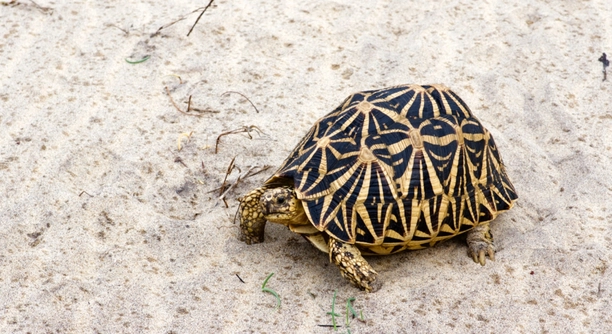
Indian Star Tortoises are fascinating pets that require mental stimulation to stay happy and healthy. Ensuring they remain engaged is crucial to their well-being. Luckily, there are several fun activities that can enrich their lives.
Providing engaging activities for Indian Star Tortoises is essential to preventing boredom and promoting physical and mental health. Options such as foraging, obstacle courses, and environmental enrichment are effective ways to keep them active and stimulated.
These activities will encourage natural behaviors and help your tortoise thrive. We’ll explore some fun and easy ideas to keep your tortoise entertained and content.
1. Foraging for Food
Foraging is a great way to keep your Indian Star Tortoise busy and help mimic natural behaviors. You can hide small pieces of their food, such as leafy greens or fruits, in different parts of their enclosure. This encourages them to search and explore their environment, which helps maintain their mental stimulation. Additionally, varying their food choices can prevent them from getting bored with the same old meals. By regularly changing the hiding spots, your tortoise will continue to enjoy the challenge of finding its meals.
Foraging engages their senses and promotes physical activity. You can even use puzzle feeders to make the task more challenging.
Adding different textures and shapes to their environment, like rocks or leaves, can make the foraging experience more interesting. You can also use their favorite treats as motivation to encourage them to explore. It’s a fun and rewarding activity for both you and your tortoise.
2. Obstacle Courses
Setting up an obstacle course is an excellent way to keep your tortoise moving and physically active. Using simple items like rocks, logs, and ramps, you can create a mini obstacle course that encourages your tortoise to explore and climb. This activity mimics natural terrain, providing physical challenges that help your tortoise maintain its strength and agility. It’s also a great way to encourage exploration and curiosity.
While creating the course, make sure the obstacles are safe and suitable for your tortoise’s size and abilities.
As tortoises are not typically fast movers, the key is to ensure the course is not too complicated. It should encourage them to climb, navigate, and move across the terrain at their own pace. You can rearrange the obstacles regularly to offer fresh challenges, keeping your tortoise entertained. In addition to benefiting their physical health, this activity will also help prevent them from feeling stagnant or bored in their enclosure.
3. Providing Hiding Spots
Hiding spots can be a great way to keep your tortoise engaged. You can create simple hideouts using natural materials like leaves, cardboard, or small logs. Tortoises enjoy finding sheltered spaces where they can retreat. This provides them with a sense of security and allows them to express natural behaviors.
You can hide small treats or pieces of food inside these spots to make the activity even more exciting for your tortoise. This will encourage them to search and explore, engaging their curiosity.
It’s important to keep the hiding spots safe and easy for your tortoise to navigate. Ensure the materials you use are non-toxic and that they can easily move around the area without getting stuck. Adding a variety of hideouts will keep the environment fresh and interesting for them, as they can rotate between different spots.
4. Swimming Time
Indian Star Tortoises typically enjoy shallow water, so providing them with a small pool or dish of water can be a fun way for them to engage in swimming. If you have the space, create a shallow water area that is easy for them to get in and out of.
The water helps them stay cool and provides a nice change of scenery. It also encourages exercise as they move through it. Swimming is an excellent low-impact way to promote healthy muscle movement and prevent stiffness in their joints.
Monitor your tortoise during swimming time to ensure it doesn’t overexert itself or become too stressed. Always have a shallow pool where your tortoise can easily escape if needed. If you add water, make sure it’s not too deep and the temperature is comfortable. This activity can be a relaxing and enjoyable part of their day.
5. Sensory Enrichment
Sensory enrichment involves introducing new textures, sounds, and smells to your tortoise’s environment. You can use leaves, flowers, or even safe plants to provide them with different scents and textures to explore. This encourages natural exploration and mental stimulation. It’s important to vary the items regularly to maintain their interest.
New sensory experiences also help keep your tortoise’s environment dynamic. For example, try adding crushed leaves or pine needles that will create a different feel underfoot. This variation will spark their curiosity and encourage them to engage with their surroundings more actively.
6. Outdoor Exploration
If possible, allowing your tortoise to explore an outdoor space can provide immense benefits. A safe, enclosed area with natural elements like grass, dirt, and rocks can stimulate natural behaviors like digging and grazing. Just make sure the environment is secure to prevent escape or predator threats.
Outdoor time allows your tortoise to explore a larger and more diverse space than its usual enclosure. The added space gives them freedom to roam and exercise, which is important for maintaining good health. Natural sunlight also helps with the synthesis of vitamin D, supporting overall well-being.
7. Interactive Toys
Interactive toys are great for engaging your tortoise’s mind. Try using items that can roll or move slowly when nudged. You can use a lightweight ball or a toy that makes a noise when touched. This type of activity encourages physical movement and mental stimulation.
Adding a few toys that require interaction helps mimic the kind of problem-solving your tortoise would encounter in the wild. It’s a simple yet effective way to keep your tortoise engaged while also promoting their natural behaviors. Rotate these toys to maintain variety and excitement.
FAQ
How much space does an Indian Star Tortoise need?
Indian Star Tortoises need enough space to roam around comfortably. The larger their enclosure, the better it is for them. A minimum of 40 square feet of space is recommended for an adult tortoise. Smaller enclosures can make them feel cramped, leading to stress. It’s important to provide enough room for them to move around freely, especially for activities like foraging and exploring. A larger enclosure also makes it easier to set up various enrichment opportunities, like hiding spots, water features, and obstacle courses. Always ensure there are safe areas for them to rest and explore at their own pace.
What is the best diet for an Indian Star Tortoise?
A balanced diet is key to keeping your Indian Star Tortoise healthy. They are herbivores, so their diet should consist mainly of leafy greens, grasses, and some fruits and vegetables in moderation. Offer them a variety of foods like dandelion greens, clover, and edible flowers. Avoid feeding them high-oxalate foods, like spinach and beet greens, as they can cause kidney issues. Offering a mix of textures helps keep things interesting for them. Always provide fresh water and consider supplementing their diet with calcium and vitamin D3 to support shell growth and overall health.
How often should I feed my Indian Star Tortoise?
It’s recommended to feed your Indian Star Tortoise once a day, though younger tortoises may need to eat more often. Adult tortoises can often go a day without food, but young ones should be fed daily to support their growth. Make sure their diet is varied to keep them interested, and avoid overfeeding to prevent obesity. You can adjust the frequency based on your tortoise’s age and activity levels. In addition to the daily meals, you can offer occasional treats like small pieces of fruit, but these should not make up a large part of their diet.
How can I keep my Indian Star Tortoise active?
Keeping your tortoise active involves providing plenty of opportunities to move, explore, and engage in natural behaviors. Set up an obstacle course, offer foraging opportunities, and rotate hiding spots to keep things fresh. Regular outdoor time, if possible, can also help them stay physically active. Tortoises enjoy slow, methodical exploration, so don’t worry about them moving quickly. By encouraging movement and providing engaging activities, you will prevent them from becoming bored or sedentary. Activities that mimic their natural habitat—like climbing or digging—are excellent ways to support their physical and mental health.
Is it okay to let my tortoise roam outside?
Yes, it’s perfectly fine to let your tortoise roam outside, as long as the area is secure and safe. Make sure the area is enclosed to prevent them from escaping and is free from potential predators. Natural sunlight provides essential UVB rays that help them produce vitamin D3, which is crucial for calcium absorption and overall health. Outdoor time also allows them to explore new environments, which is great for mental stimulation. Just be cautious of extreme temperatures and make sure they can always find shelter or shade when needed.
What temperature does an Indian Star Tortoise need?
Indian Star Tortoises need a warm environment to thrive. The ideal temperature for them is between 80°F to 90°F (26°C to 32°C) during the daytime. At night, the temperature can drop to around 70°F (21°C). It’s important to provide a basking spot where they can warm up under a heat lamp. This helps them regulate their body temperature and aids in digestion. If the temperature drops too low, it can cause health issues, so using a thermometer to monitor the environment is essential. Be sure to provide a gradient so they can choose the temperature that suits them.
How do I know if my tortoise is stressed?
Stress in tortoises can be caused by various factors such as improper diet, lack of space, or environmental changes. Signs of stress include changes in eating habits, excessive hiding, or unusual behavior like pacing or restlessness. If your tortoise seems lethargic or isn’t moving as much, it could be a sign of stress. Another indicator is if your tortoise is constantly trying to escape its enclosure or if it has a loss of appetite. Make sure their environment is comfortable, with proper humidity, temperature, and space, to avoid stress and ensure they feel secure.
Can I keep multiple tortoises together?
Indian Star Tortoises can be kept together, but it’s important to monitor their interactions closely. They are not always social animals and can become territorial, especially in confined spaces. If you decide to house multiple tortoises, make sure the enclosure is large enough for everyone to have their own space. You may also need to provide additional hiding spots to reduce the chance of aggression. Keep an eye on their behavior, and if any signs of fighting or stress appear, consider separating them. A peaceful environment is crucial for their well-being.
What should I do if my tortoise isn’t eating?
If your tortoise isn’t eating, there could be several reasons. First, check the temperature and humidity in their enclosure to ensure it’s within the appropriate range. A sudden change in environment or stress can also lead to loss of appetite. If they’re not eating, try offering fresh, varied food and ensure that they have access to clean water. If the problem persists, it might be a good idea to consult a veterinarian to rule out health issues such as gastrointestinal problems or parasites. Keep a close watch on their behavior and health during this time.
How long do Indian Star Tortoises live?
Indian Star Tortoises are known for their long lifespan. With proper care, they can live for 40 to 50 years, or even longer in some cases. Their longevity depends on factors like diet, living conditions, and overall health. Regular veterinary check-ups and a balanced diet are key to helping them live a long, healthy life. Make sure their habitat is suitable for their needs, and provide the necessary attention to ensure they thrive well into their senior years. With the right environment, your tortoise can be a long-time companion.
Final Thoughts
Taking care of an Indian Star Tortoise can be both rewarding and challenging. These tortoises require a lot of attention to their diet, environment, and daily activities. By providing them with a suitable habitat, you can ensure they remain healthy and active for many years. It’s important to offer them a variety of foods, a spacious and secure enclosure, and plenty of opportunities for exercise. Keeping their environment enriched with hiding spots, obstacles, and even water features can help keep them mentally and physically stimulated. Regularly changing up their surroundings will prevent them from becoming bored and ensure they stay engaged.
Indian Star Tortoises can live for several decades if they are properly cared for. They have specific needs, such as access to UVB light, proper temperature regulation, and a balanced diet. Meeting these needs will help them stay in good health. In addition, giving them time outdoors in a safe, secure space can provide them with the mental stimulation they need while benefiting from natural sunlight. Outdoor exploration can be one of the best ways to enrich their lives, allowing them to explore new textures and environments. However, make sure to monitor their time outside to avoid potential dangers.
Overall, keeping an Indian Star Tortoise requires patience and dedication, but it can be incredibly fulfilling. Their natural behaviors, like foraging and climbing, are a joy to watch, and seeing them thrive in a well-maintained environment is rewarding. By focusing on their physical and mental well-being, you can create a space that encourages natural behaviors and promotes their overall health. A little effort can go a long way in ensuring a long, happy life for your tortoise.

Hello,
If you enjoy the content that we create, please consider saying a "Thank You!" by leaving a tip.
Every little bit helps us continue crafting quality advice that supports the health, happiness, and well-being of pets around the world, for pets of all shapes, sizes, and species.
We really appreciate the kindness and support that you show us!