
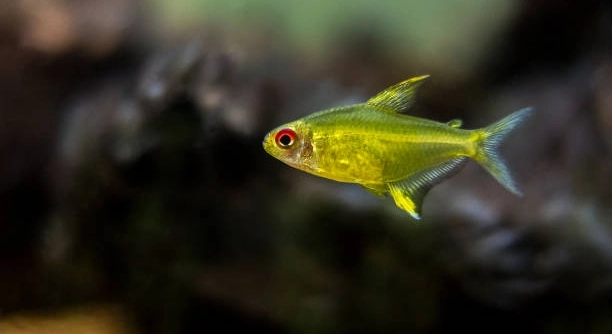
Do you ever watch your lemon tetras swim and notice some seem bolder while others hang back in the corners? Observing their movements can make you wonder if these small fish have unique traits or behaviors.
Lemon tetras do exhibit individual personalities, reflected in their activity levels, social interactions, and responses to their environment. Some fish are naturally more curious, while others prefer hiding, showing consistent patterns of behavior over time.
Learning about these differences can help you care for your fish better and create a more harmonious aquarium environment.
How Lemon Tetras Show Their Personalities
Lemon tetras can be surprisingly expressive for such small fish. Some will explore every corner of the tank, investigating plants and decorations, while others stay close to the middle of the group. They often display different levels of curiosity, which becomes more noticeable over time. Social behavior is another way personalities emerge. Certain fish take the lead when swimming, guiding others in coordinated movements, while a few prefer following quietly. Feeding time also highlights differences. Some will rush to the surface quickly, eager to get food, while others hang back and wait for a calmer moment. Even subtle behaviors, like the way they react to new objects or sudden movements outside the tank, can indicate a particular temperament. Watching these patterns regularly helps you recognize which fish are bold, cautious, or somewhere in between, making the aquarium more engaging and easier to manage. Over weeks, these traits become easier to spot.
Boldness and shyness are consistent traits among lemon tetras and can influence their interactions in the tank.
Recognizing these differences can improve tank management and fish health. Fish that are naturally timid may need quieter areas with hiding spots, while active ones benefit from open swimming space. Providing varied decorations, plants, and territories helps reduce stress and encourages natural behaviors. Observing reactions to new tankmates or changes in lighting also gives insight into their comfort levels. Adjusting feeding routines to account for both fast and slower eaters ensures all fish get enough nutrition. These small changes may seem minor, but they make a noticeable difference in behavior and well-being. Over time, you begin to anticipate how each fish will react, creating a more balanced and calm environment. Caring for lemon tetras this way makes it easier to maintain harmony, prevent bullying, and encourage natural exploration and social interaction within the tank.
Recognizing Individual Differences
Every lemon tetra has its own patterns and preferences that can be observed daily.
Behavioral differences may include swimming speed, feeding response, or reactions to new tank elements. Some fish remain near the surface, while others prefer shaded areas or plants. Noticing these habits helps predict how they interact with each other and the tank.
Tracking these behaviors allows you to create a more comfortable environment tailored to each fish. Bold fish may be given more open space, while shy ones benefit from additional plants or shelters. Feeding times can be adjusted so timid fish have access to food without competition. Monitoring changes in activity levels or interaction patterns can also reveal health issues early, as unusual behavior often signals stress or illness. By observing and adapting to their personalities, you ensure all fish can thrive, reducing conflicts and promoting natural, healthy behaviors. This attentive approach strengthens your ability to maintain a peaceful, engaging aquarium where each lemon tetra’s traits are respected.
Observing Daily Behaviors
Lemon tetras show small, consistent behaviors every day. Some dash around the tank quickly, while others linger near plants. Watching how they respond to feeding or changes in light helps identify which fish are more confident and which are more cautious.
Regular observation highlights patterns in movement and interaction. Bold fish often swim near the front, exploring new objects, while timid ones stick to familiar areas or hide behind plants. Differences also appear in group dynamics—some fish lead during coordinated swimming, while others follow. Feeding time shows variations too, as dominant fish get food first, and shy fish wait patiently or nibble later. These habits reveal consistent personality traits.
Daily behaviors also include reactions to tankmates. Aggressive tendencies are rare but visible in small nudges or chasing. Some fish show curiosity by approaching new decorations, while others freeze or hide. Over time, these small differences become predictable, allowing you to adjust the tank layout, feeding routines, and social groupings to match each fish’s needs, creating a calmer and healthier environment.
Interaction with Tankmates
Some lemon tetras are naturally social, often swimming close to others. Shy fish keep distance and prefer smaller groups or quiet areas.
Social personalities affect how the fish move as a group. Dominant or bold individuals may guide swimming patterns, while quieter ones adapt to others’ movements. Observing these interactions helps in planning tank decoration and spacing, ensuring all fish feel secure.
Interactions also influence feeding habits. Active fish can be faster at collecting food, while timid ones need safer spots to eat without stress. Group dynamics affect stress levels, as crowded or uneven spaces can increase tension. Some tetras will initiate playful chasing or synchronized swimming, showing curiosity about others, while others stick to consistent paths and avoid change. Adjusting tank decorations and feeding routines based on these interactions helps maintain balance, reducing stress and promoting natural social behaviors. Recognizing these dynamics makes the aquarium more predictable and comfortable for all lemon tetras.
Feeding Responses
Lemon tetras react differently during feeding. Some swim quickly to the surface, eager for food, while others hang back, waiting for a calmer moment. These reactions show how each fish balances curiosity with caution.
Fast eaters often dominate the first bites, while slower fish take time to approach. Understanding these differences helps ensure all fish get enough food without stress or competition.
Response to New Decorations
Introducing new plants or ornaments often triggers varied reactions. Bold fish explore immediately, swimming around and inspecting each detail. Timid fish hang back, sometimes hiding for hours or days. Observing these responses helps in planning tank changes to reduce stress.
Activity Levels
Some lemon tetras are naturally more energetic, constantly moving and exploring. Others are calmer, staying near plants or in the middle of the group. These activity differences reflect individual personalities and help predict how each fish will behave daily.
Hiding Habits
Shy tetras rely on plants or decorations for cover. Bold fish rarely hide, even when the tank environment changes or when food is added. These patterns indicate comfort levels and can guide tank arrangement.
FAQ
Do lemon tetras recognize their owners?
Lemon tetras can notice movement outside the tank and may respond to it, but they do not recognize individual humans the way some pets do. They react more to general activity, changes in light, or sudden motions near the tank. Over time, they may become familiar with feeding routines and the presence of someone who regularly tends to them, showing excitement or swimming closer during feeding times. Their reactions are more about expectation and environment than personal recognition.
Can lemon tetras get attached to each other?
Yes, lemon tetras form social bonds within their school. Fish that swim closely together often display synchronized movements and tend to stick near each other during feeding or exploration. These connections are not the same as human attachment, but they reflect comfort and familiarity, helping reduce stress and encouraging natural behavior. Fish that are shy or slower often benefit from the presence of bolder companions, feeling safer when near them. Observing which fish cluster together helps you understand social preferences.
Do individual tetras have moods?
Lemon tetras do show behavioral changes that resemble moods. A fish that is usually active but suddenly hides or slows down may be stressed, sick, or reacting to environmental changes. Conversely, a normally shy fish exploring more may be feeling secure or curious. These patterns repeat over time, indicating stable personality traits. Watching these shifts daily can help identify health issues early or adjust the tank environment for comfort. Understanding these “moods” improves care and reduces stress in the aquarium.
How can I tell if a tetra is shy or bold?
Bold tetras swim to the front of the tank, explore new decorations, and approach food quickly. Shy tetras remain near plants, hide frequently, and wait before approaching changes in the tank. Observing these behaviors consistently helps distinguish their personalities. Feeding responses, reaction to tankmates, and swimming patterns are clear indicators. Adjusting tank layout and feeding strategies based on these traits helps all fish thrive, giving shy ones space while letting bold ones explore safely.
Do lemon tetras interact differently with different tankmates?
Yes, interactions vary based on the personality of both the tetra and other fish. Some tetras may avoid aggressive or larger tankmates while feeling comfortable around other small, peaceful species. Bold tetras might initiate synchronized swimming or playful chasing, while shy tetras may retreat. Recognizing these interactions allows you to manage tank composition, reduce stress, and maintain a calm environment. Grouping compatible personalities ensures healthier social behavior and minimizes bullying or excessive hiding.
Can personalities change over time?
Minor changes can occur as fish grow or adapt to the environment, but core traits like boldness or shyness are usually consistent. Stressful conditions, illness, or changes in group dynamics may temporarily alter behavior. Providing a stable environment, proper nutrition, and compatible tankmates helps maintain their natural personality patterns. Tracking behavior over months gives a clearer understanding of each fish’s tendencies.
Do lemon tetras have favorite spots in the tank?
Yes, bold and shy fish often choose different preferred areas. Bold fish explore open spaces and swim near decorations or the front, while shy fish prefer shaded areas, behind plants, or near the bottom. These spots reflect comfort levels, helping reduce stress and encouraging natural behavior. Observing favorite spots can guide placement of decorations, feeding locations, and hiding spaces to suit all personalities.
How does feeding affect personalities?
Feeding routines highlight differences. Bold tetras rush to food, sometimes outcompeting others, while timid fish wait or nibble later. Providing multiple feeding areas or spreading food encourages shy fish to eat without stress. Consistent routines also help fish anticipate food, reinforcing comfort and confidence in their environment. Monitoring these reactions allows you to adjust feeding methods to accommodate all personalities.
Are personalities linked to health?
Behavioral patterns often reflect well-being. A normally active tetra that suddenly hides or slows down may be ill or stressed. Shy tetras showing more lethargy than usual could indicate problems. Observing consistent behaviors helps detect early signs of disease or discomfort. Maintaining proper water quality, diet, and tank conditions supports both health and stable personalities.
Can I train or influence their personalities?
While core traits remain stable, fish can adapt to routines. Regular interaction, consistent feeding times, and a stable environment can encourage confidence in shy fish or calm overly active ones. Adjusting tank layout, providing hiding spots, and introducing new objects gradually allows tetras to explore safely. These measures guide behavior without changing inherent personality traits.
Do personalities affect breeding behavior?
Yes, bolder tetras often take the lead in pairing or spawning activity, while timid fish may avoid mating or retreat to safer areas. Providing varied environments, including plants and open swimming spaces, accommodates both personality types. Observing interactions can help identify compatible pairs and reduce stress during breeding attempts, improving success rates.
How long does it take to notice personalities?
Patterns usually emerge within a few weeks, as consistent differences in swimming, feeding, and social behavior become evident. Daily observation is key. Some traits, like boldness, may be noticeable immediately, while subtler behaviors require longer attention. Recording behavior over time provides the clearest understanding of each fish’s personality.
Do lemon tetras react to changes in the environment?
Yes, both bold and shy fish respond to light changes, new decorations, or rearranged plants. Bold tetras explore quickly, while shy ones hide or move cautiously. Predictable patterns help you understand how each fish adapts, allowing you to introduce changes gradually to minimize stress and encourage natural exploration.
Can personalities influence tank maintenance?
Observing personality traits can guide cleaning, feeding, and decoration placement. Shy fish need secure hiding spots during maintenance, while bold fish may be less affected. Recognizing these differences helps prevent stress, ensures all fish eat properly, and maintains a harmonious aquarium environment.
Do tetras show signs of curiosity?
Yes, curiosity varies by individual. Bold tetras approach new objects or changes confidently, exploring decorations and plants. Shy tetras may watch from a distance or remain hidden. Providing safe opportunities for exploration encourages natural behavior and can help timid fish gain confidence over time.
Lemon tetras are small fish, but they have noticeable personalities. Some are naturally bold, exploring every corner of the tank and swimming near the front. Others are shy, staying close to plants or hiding when the environment changes. These differences are consistent over time, showing that each fish has its own preferences and ways of interacting with the world around it. Observing them daily makes it easier to see these traits, from how they respond to food to how they swim with tankmates. By paying attention to these patterns, you begin to understand each fish’s temperament, which helps in creating a calm and comfortable environment for the entire school.
Personality differences in lemon tetras influence how they interact with each other. Bold fish may lead swimming patterns or approach new objects first, while timid fish follow or stay in safe areas. Feeding times also reveal distinct traits, as some fish rush to the surface while others wait for a quieter moment. Recognizing these behaviors allows for adjustments in tank layout, decoration placement, and feeding routines. Providing both open swimming areas and sheltered spots ensures that every fish feels secure. Even small actions, like rearranging plants or adding new ornaments, can affect comfort levels. Being mindful of these details makes it possible to reduce stress, prevent hiding or aggression, and maintain a healthier, more balanced tank.
Understanding lemon tetra personalities can make caring for them more rewarding. Watching how each fish moves, interacts, and responds to its surroundings adds depth to the aquarium experience. Small adjustments, like offering multiple feeding points or gradually introducing new objects, can support shy fish and satisfy more active individuals. Over time, these fish show consistent traits, and knowing them helps anticipate needs and prevent problems before they arise. Paying attention to personalities also makes it easier to identify when a fish might be sick or stressed, as changes in usual behavior are more noticeable. Overall, acknowledging and respecting each lemon tetra’s personality leads to a more harmonious tank, happier fish, and a more engaging experience for the person caring for them.

Hello,
If you enjoy the content that we create, please consider saying a "Thank You!" by leaving a tip.
Every little bit helps us continue crafting quality advice that supports the health, happiness, and well-being of pets around the world, for pets of all shapes, sizes, and species.
We really appreciate the kindness and support that you show us!